
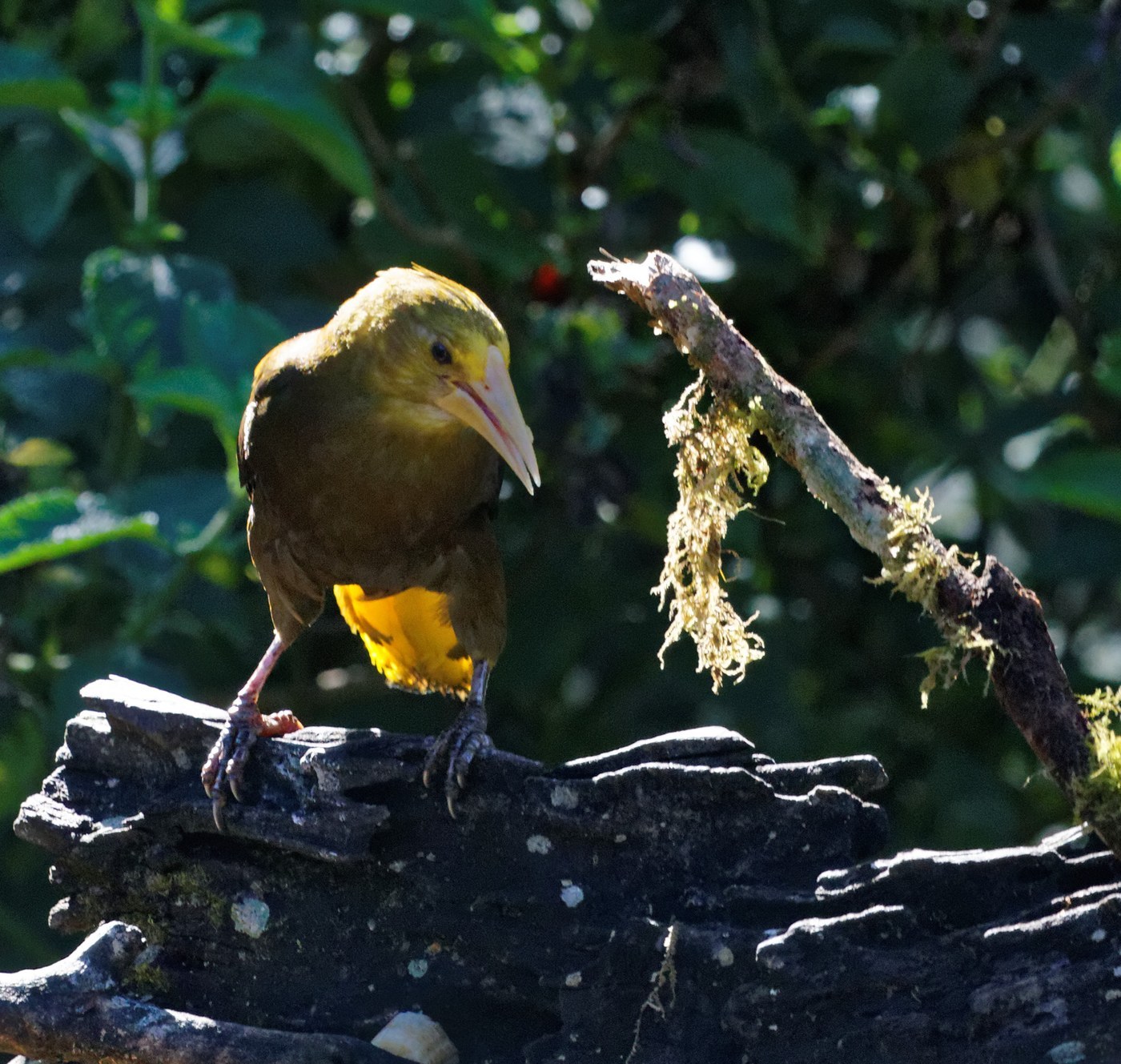
Russet-backed Oropendola
Psarocolius angustifrons
A large, olive-brown to russet Amazonian icterid with a pale bill, forming noisy colonies of long hanging woven nests.
- Size
- males 40-46 cm (16-18 in), females 33-36 cm (13-14 in) long
- Habitat
- forest edge, várzea, plantations, and Amazonian lowland and foothill forest
- Type
- songbird
Spotted a bird like this?
Identify any bird from a photo, free.
Overview
The Russet-backed Oropendola is a large, sturdily built icterid widespread across the western and central Amazon basin, showing more subdued coloring than some of its relatives: mostly olive-brown to russet-tinged plumage rather than glossy black, with a pale, mostly yellowish or pale greenish bill. Like other oropendolas, it shows a marked size difference between the sexes, with males considerably larger and heavier than females.
Highly social, it forms noisy colonies where many long, pendulous nests hang together from the outer branches of a single tall tree, and the species' liquid, gurgling calls and dramatic male display are a familiar sound of forest edges and clearings throughout its range.
How to identify it
Key field marks
- Olive-brown to russet-tinged body plumage, less glossy than the Crested Oropendola
- Pale, mostly yellowish or greenish bill
- Yellow outer tail feathers, as in other oropendolas
- Marked size difference between larger males and smaller females
Similar species
- Crested Oropendola is glossier black with a more defined chestnut rump patch and pale blue eyes.
- Dusky-green Oropendola is darker and more uniformly greenish, found in a more restricted range within the Amazon basin.
Habitat & range
Habitat
Inhabits forest edge, várzea (seasonally flooded forest), plantations, and clearings within lowland and foothill forest.
Range
Widespread across the western and central Amazon basin and adjacent Andean foothills, including Colombia, Ecuador, Peru, Bolivia, and Brazil.
Migration
Mostly resident, with local movements tied to fruiting and flowering seasons.
Behavior & voice
Behavior
Highly colonial, nesting in groups with numerous woven nests hanging from a single tree; males perform a bowing display with wings spread while giving their gurgling song to attract mates.
Voice
A liquid, gurgling, cascading song similar to other oropendolas, along with various chattering and harsh calls.
Feeding
Feeds on fruit, insects, and nectar, foraging in the canopy and at forest edges, often in small groups.
Nesting
Builds long, woven, pendulous nests hanging in colonies from a single emergent tree; polygynous mating system typical of oropendolas.
Frequently asked questions
How do you identify a Russet-backed Oropendola?
Look for a large icterid with olive-brown to russet body plumage (less glossy black than some relatives), a pale yellowish bill, and yellow outer tail feathers.
Where does the Russet-backed Oropendola live?
Across the western and central Amazon basin and adjacent Andean foothills, in forest edge, várzea, and clearings.
What does a Russet-backed Oropendola eat?
A mix of fruit, insects, and nectar, foraged in the canopy and at forest edges.
Do Russet-backed Oropendolas nest in colonies?
Yes, like other oropendolas they nest colonially, with numerous long, hanging woven nests suspended together from a single tree.
Russet-backed Oropendola guides
In-depth guides for identifying, finding, and understanding Russet-backed Oropendola.
Other birds you may enjoy
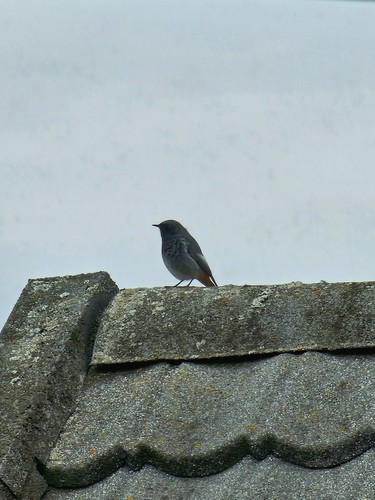
Black Redstart
13-14.5 cm (5.1-5.7 in) long, 23-26 cm wingspan
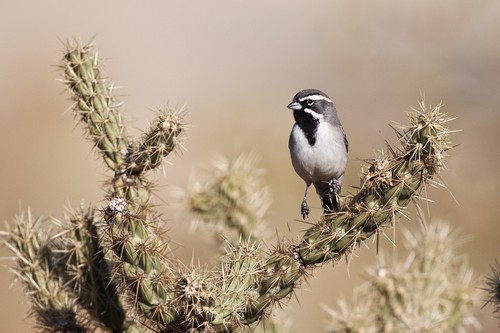
Black-throated Sparrow
12-14 cm (4.7-5.5 in) long, about 19-20 cm (7.5-8 in) wingspan
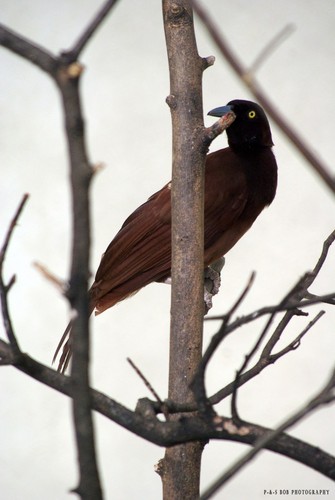
Greater Bird-of-paradise
Body about 43 cm; males with additional flank plumes up to 50 cm and long tail wires
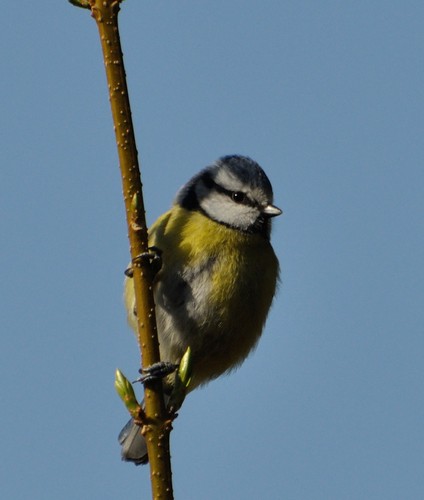
Blue Tit
11-12 cm (4.3-4.7 in) long, 17-20 cm wingspan
Red-billed Quelea
11.5–13 cm long, wingspan about 20–22 cm
White-plumed Antbird
13-14 cm (5-5.5 in) long
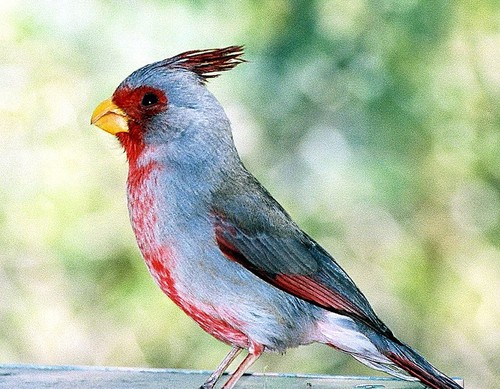
Pyrrhuloxia
19-22 cm (7.5-8.7 in) long, 30 cm wingspan
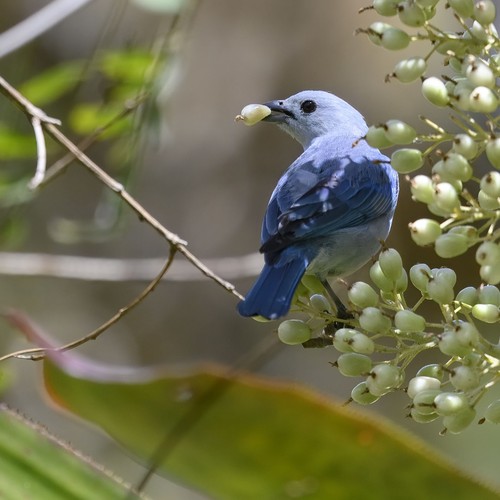
Blue-gray Tanager
16-18 cm (6-7 in) long
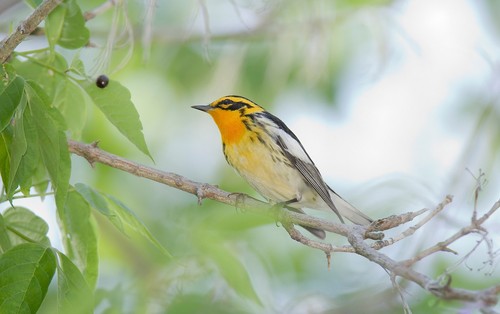
Blackburnian Warbler
11-13 cm (4.3-5.1 in) long, 20-22 cm wingspan
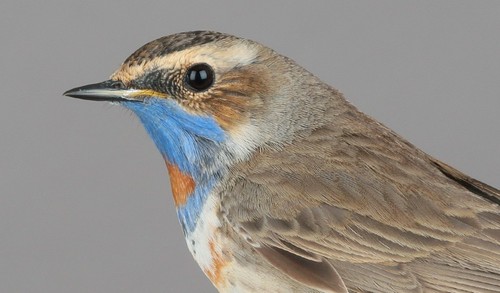
Bluethroat
13-14 cm (5.1-5.5 in) long, 20-22 cm wingspan
Eurasian Nuthatch
12-14.5 cm (4.7-5.7 in) long, 22.5-27 cm wingspan
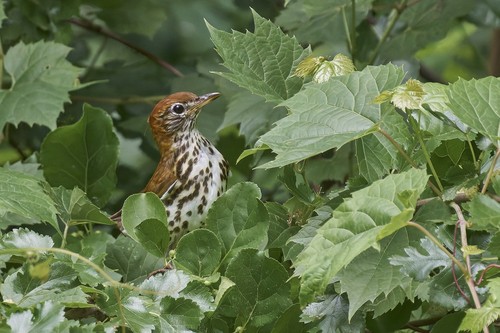
Wood Thrush
19-21 cm (7.5-8.3 in) long, about 33 cm (13 in) wingspan