
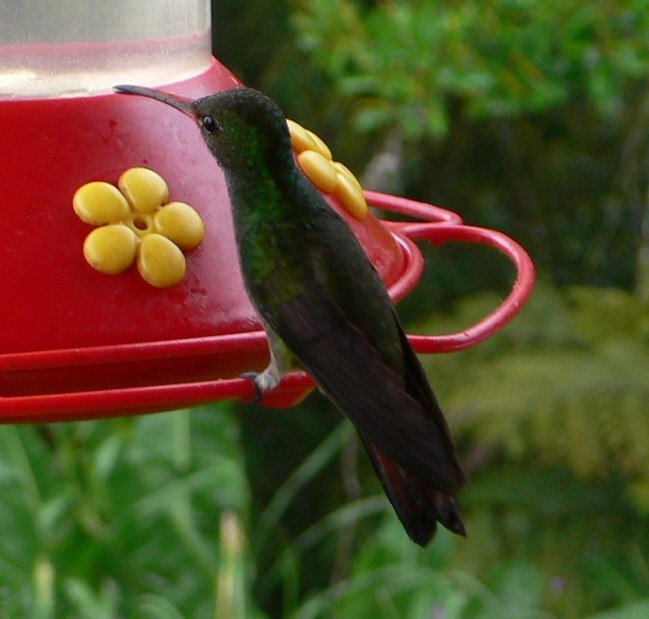
Rufous-tailed Hummingbird
Amazilia tzacatl
One of the most common hummingbirds of Central America, with iridescent green upperparts, a rufous tail, and a reddish bill tipped in black.
- Size
- 10-11.5 cm (4-4.5 in) long
- Habitat
- forest edges, gardens, second growth, and plantations
- Type
- hummingbird
Spotted a bird like this?
Identify any bird from a photo, free.
Overview
The Rufous-tailed Hummingbird is among the most familiar and widespread hummingbirds across much of Central America and northern South America, at home in gardens as readily as in wilder habitats. Adults are bright metallic green above and on the throat and upper breast, with a warm rufous-cinnamon tail that gives the species its name, most visible when the bird fans its tail in flight or while perched.
The bill is fairly straight and mostly reddish-pink with a black tip, a useful field mark shared by several Amazilia hummingbirds. Common, adaptable, and often the default hummingbird species at feeders throughout its range, it is frequently the first hummingbird encountered by visitors to Central American gardens and lodges.
How to identify it
Key field marks
- Iridescent green upperparts, throat, and upper breast
- Rufous-cinnamon tail, conspicuous especially in flight
- Reddish-pink bill with a black tip
- Grayish to whitish lower belly in some individuals
Similar species
- Cinnamon Hummingbird has a fully cinnamon-buff body rather than a green body with just a rufous tail.
- Buff-bellied Hummingbird (further north) is similar but paler bellied and generally does not overlap in range.
- Other Amazilia hummingbirds can be similar but the combination of green body, rufous tail, and reddish black-tipped bill is diagnostic across most of its range.
Habitat & range
Habitat
Highly adaptable, found in forest edges, second growth, plantations, parks, and gardens, from lowlands into foothills.
Range
Widespread from Mexico south through Central America into Colombia, Venezuela, and Ecuador.
Migration
Resident and non-migratory, with some local movement possible.
Behavior & voice
Behavior
Bold, territorial, and often the most numerous hummingbird at a given site, aggressively defending flowering shrubs and feeders from rivals.
Voice
A sharp, chattering "tik" or "chip" call, often repeated persistently, along with buzzy chase calls during territorial disputes.
Feeding
Feeds on nectar from a wide variety of flowering plants and readily visits sugar-water feeders, supplementing its diet with small insects caught in flight.
Nesting
Builds a small cup nest of plant down and spider web, often on a low horizontal branch; the female incubates the typical clutch of 2 white eggs alone.
Frequently asked questions
How do you identify a Rufous-tailed Hummingbird?
Look for a green-bodied hummingbird with a distinctive rufous-cinnamon tail and a reddish-pink bill with a black tip.
Is the Rufous-tailed Hummingbird common?
Yes, it is one of the most common and widespread hummingbirds across Central America, frequently seen in gardens and at feeders.
What does a Rufous-tailed Hummingbird eat?
Mainly nectar from flowering plants, supplemented with small insects caught in flight.
Where does the Rufous-tailed Hummingbird live?
From Mexico through Central America into Colombia, Venezuela, and Ecuador, in a wide range of open and edge habitats.
Rufous-tailed Hummingbird guides
In-depth guides for identifying, finding, and understanding Rufous-tailed Hummingbird.
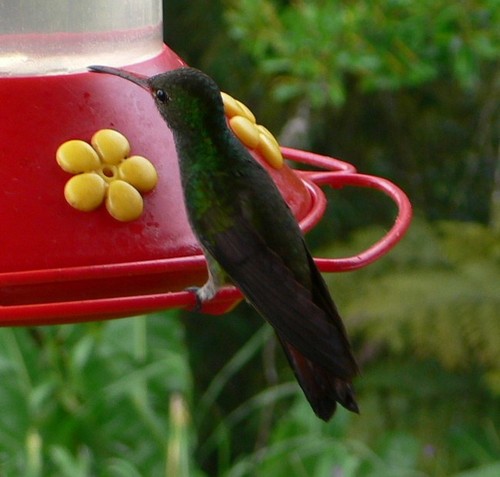
Other birds you may enjoy
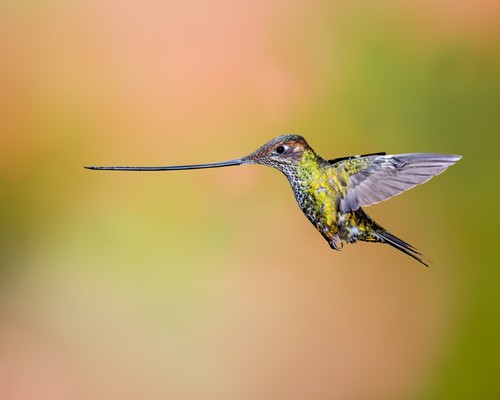
Sword-billed Hummingbird
Body about 13-15 cm (5-6 in) including a bill up to 10 cm long, the longest bill relative to body size of any bird
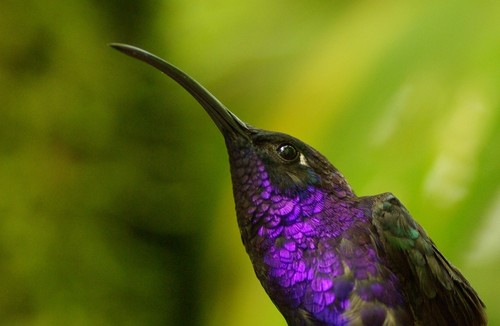
Violet Sabrewing
14-15 cm (5.5-6 in) long
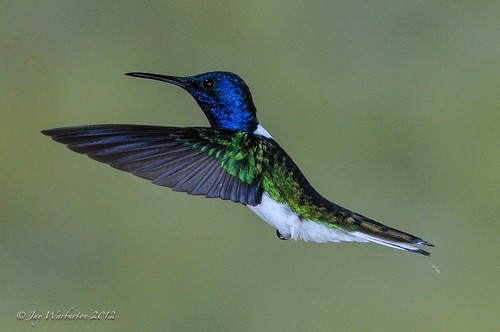
White-necked Jacobin
11-12 cm (4.3-4.7 in) long
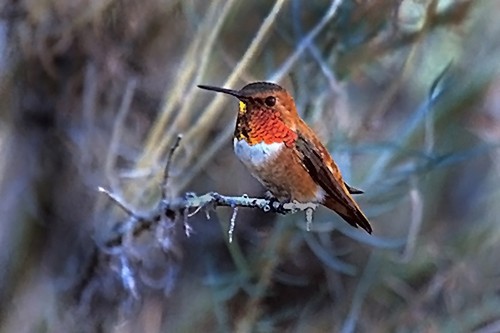
Rufous Hummingbird
8-9 cm (3-3.5 in) long, 11 cm wingspan
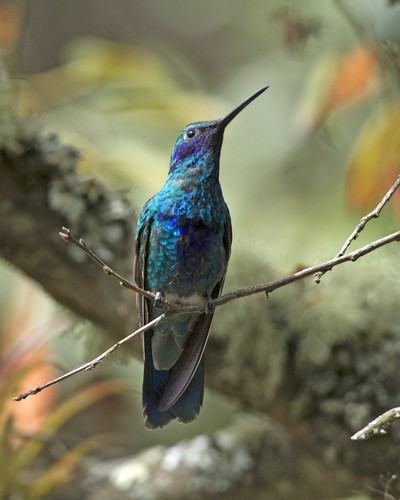
Sparkling Violetear
13-14 cm (5-5.5 in) long including bill
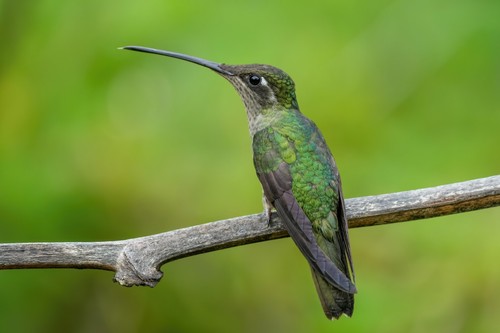
Rivoli's Hummingbird
11-14 cm (4.5-5.5 in) long, 17-18 cm wingspan

Ruby-topaz Hummingbird
7.5-9 cm (3-3.5 in) long
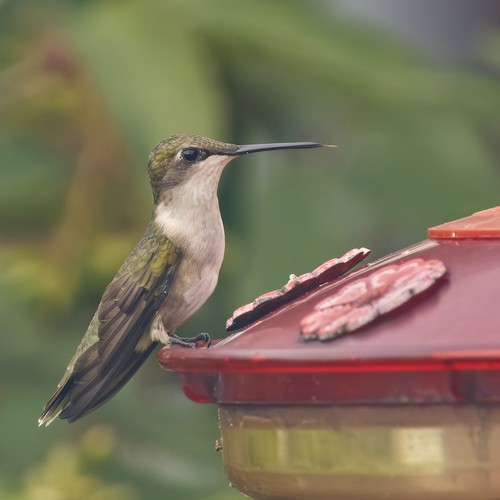
Ruby-throated Hummingbird
7-9 cm (3-3.5 in) long, 8-11 cm wingspan
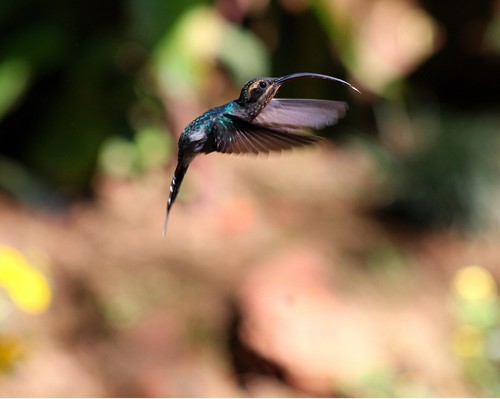
Green Hermit
15-16 cm (6-6.3 in) long including elongated central tail feathers
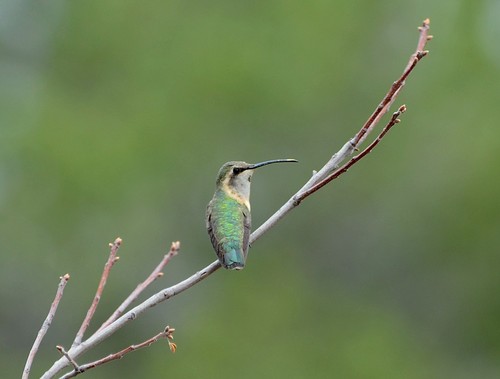
Lucifer Hummingbird
8.5-9.5 cm (3.5 in) long, 11 cm wingspan
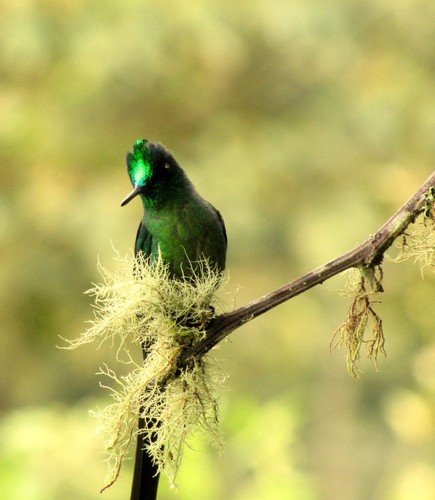
Long-tailed Sylph
males 18-19 cm (7-7.5 in) including tail; females 9-10 cm (3.5-4 in)
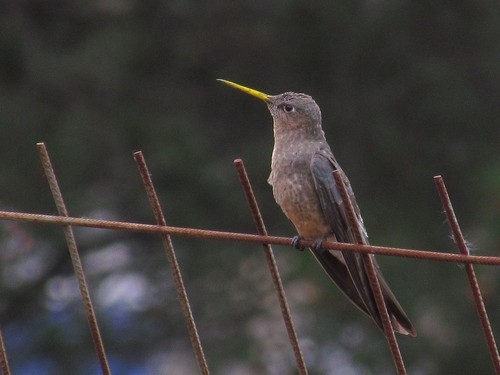
Giant Hummingbird
20-23 cm (8-9 in) long, largest hummingbird species in the world