
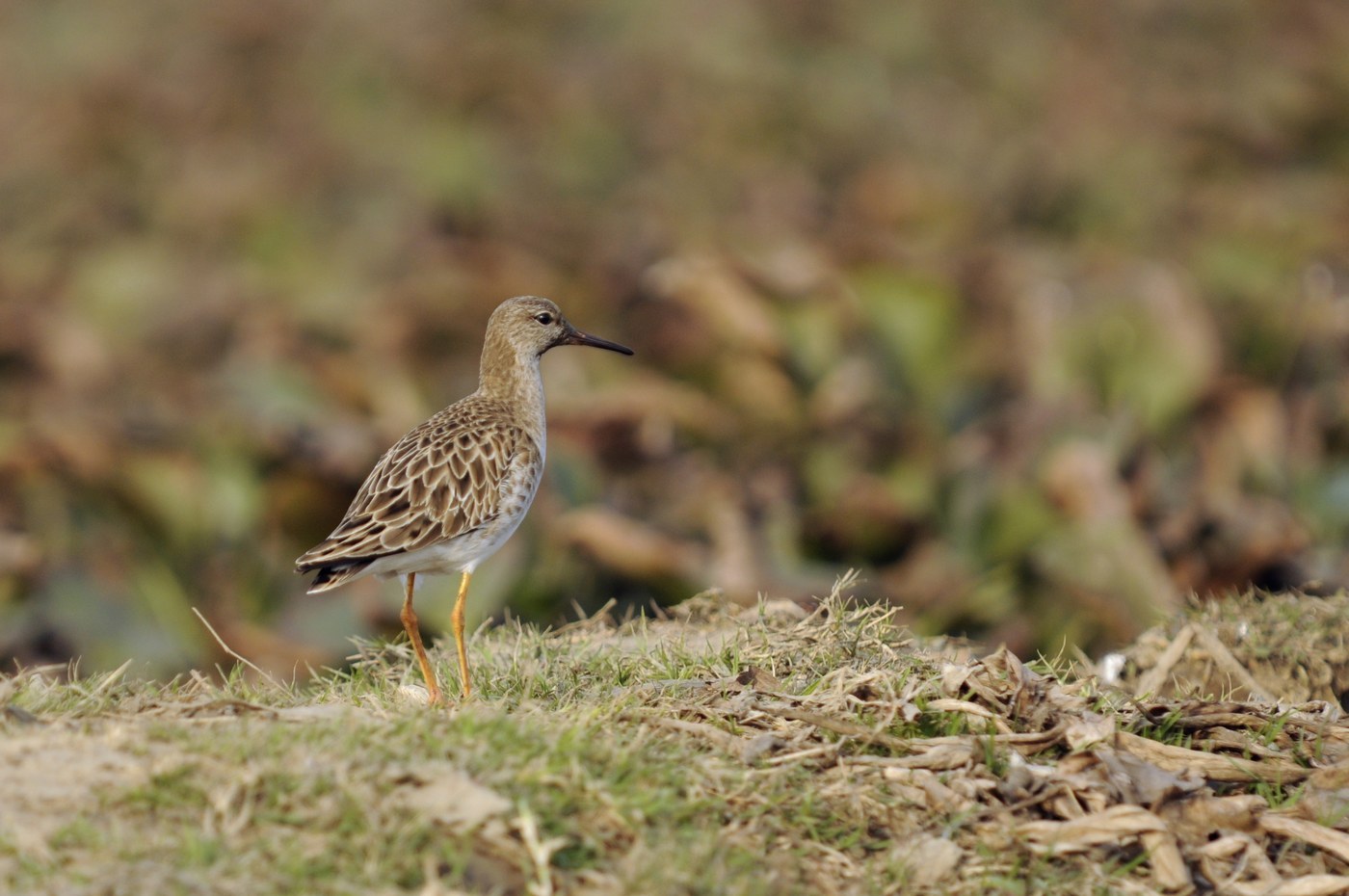
Ruff
Calidris pugnax
A striking, highly dimorphic sandpiper whose males grow ornate, colorful neck ruffs and head tufts for elaborate communal courtship displays at a lek.
- Size
- males 26-32 cm (10-13 in), females 20-25 cm (8-10 in) long; 46-58 cm wingspan
- Habitat
- wet meadows, marshes, and flooded grassland
- Type
- shorebird
Spotted a bird like this?
Identify any bird from a photo, free.
Overview
The Ruff is one of the most unusual and visually varied shorebirds, named for the extravagant feathered collar males grow in the breeding season. Males are considerably larger than females (known as Reeves), a size difference rare among shorebirds.
Breeding males develop elaborate, individually variable ruffs of long feathers around the neck along with prominent head tufts, in colors ranging from black and white to chestnut and barred patterns — no two males look exactly alike. Outside the breeding season, both sexes are far plainer: brownish gray above, paler below, with a small head, long neck, and a somewhat pot-bellied shape on longish orange-tinted or yellowish legs.
How to identify it
Key field marks
- Marked size difference between larger males and smaller females (Reeves)
- Elaborate, individually variable neck ruff and head tufts on breeding males
- Small head, long neck, and pot-bellied body shape year-round
- Variable leg color, often orange or yellowish-toned
- Nonbreeding plumage plain scaly brown above, whitish below
Similar species
- Pectoral Sandpiper: smaller, more sharply streaked breast band, more uniform body shape without the pot-bellied silhouette.
- Yellowlegs species: brighter yellow legs, more slender build, different bill shape.
- The Ruff's unique body shape — small head, long neck, rounded body — is often the quickest way to pick one out even in nonbreeding plumage.
Habitat & range
Habitat
Ruffs favor wet grassy meadows, marshes, and flooded fields rather than open tidal mudflats, often feeding in shallow, vegetated wetlands.
Range and migration
They breed across wet meadows and tundra edges of northern Europe and Asia. Wintering grounds are centered in sub-Saharan Africa and South Asia, with smaller numbers wintering in parts of Europe and Australia; the species is a rare but regular vagrant to North America.
Behavior & voice
Behavior
Male Ruffs gather at traditional communal display grounds called leks, where they perform elaborate posturing, wing-quivering, and mock fighting to attract females, who visit the lek solely to choose a mate and then raise the young alone.
Voice
Ruffs are largely silent away from the lek; calls are generally low and infrequent compared to many other shorebirds.
Feeding
They feed on insects, seeds, and other plant material, foraging by walking through wet grass and shallow water while picking food from the surface and probing lightly.
Nesting and breeding
After mating at the lek, females alone build the nest, incubate the eggs, and raise the young with no involvement from males — a breeding system known as lekking, shared with relatively few bird species worldwide.
Frequently asked questions
Why are male Ruffs called 'Ruffs' and females called 'Reeves'?
The name Ruff refers to the elaborate feathered collar, or ruff, that males grow around the neck for the breeding season; females, which lack this feature and are notably smaller, are traditionally called Reeves.
What is a lek, and how do Ruffs use one?
A lek is a communal display ground where male Ruffs gather to perform elaborate posturing and mock fighting; females visit only to select a mate before departing to nest and raise young alone.
How much bigger are male Ruffs than females?
Males are considerably larger than females, one of the greatest size differences between sexes found in any shorebird.
Where do Ruffs breed and winter?
They breed in wet meadows and tundra edges across northern Europe and Asia and winter mainly in sub-Saharan Africa and South Asia.
What do Ruffs eat?
Insects, seeds, and other plant material, gathered by walking through wet grassy habitats.
Ruff guides
In-depth guides for identifying, finding, and understanding Ruff.
Other birds you may enjoy
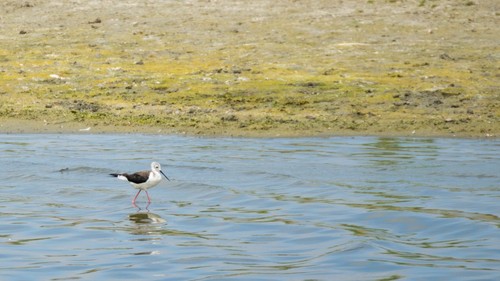
Black-winged Stilt
33-36 cm (13-14 in) long, wingspan 67-83 cm
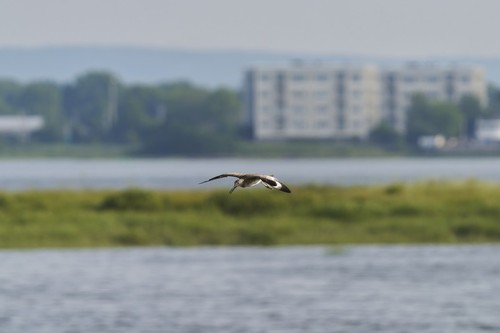
Willet
33-41 cm (13-16 in) long, 65-70 cm wingspan
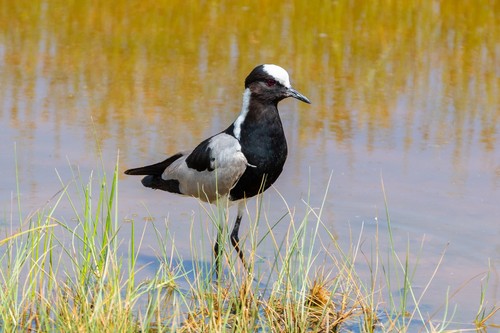
Blacksmith Lapwing
Body length about 30 cm; wingspan 55-65 cm
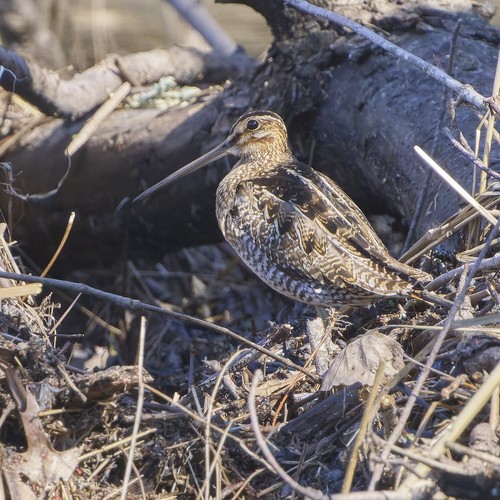
Wilson's Snipe
25-30 cm (10-12 in) long, 39-45 cm wingspan
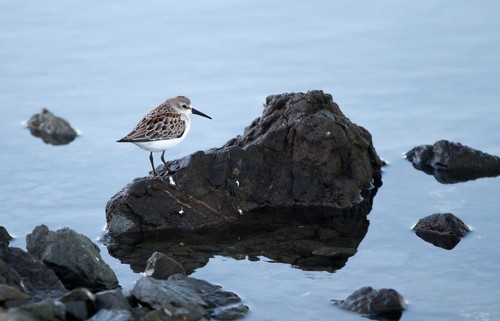
Western Sandpiper
14-17 cm (5.5-6.7 in) long, 28-37 cm wingspan
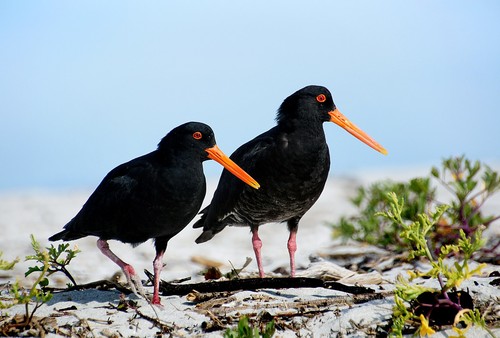
Variable Oystercatcher
46-49 cm (18-19 in) long
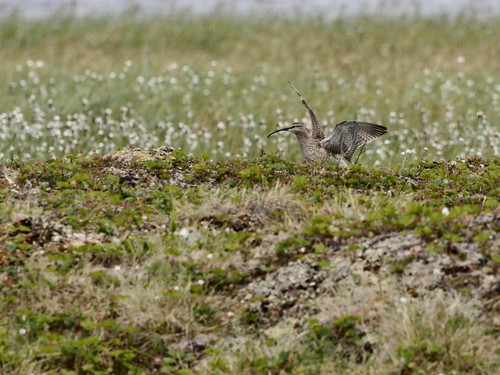
Whimbrel
40-46 cm (16-18 in) long, 76-89 cm wingspan
Wilson's Phalarope
22-24 cm (8.5-9.5 in) long, 37-43 cm wingspan
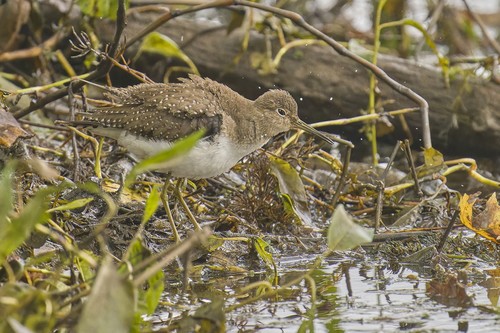
Solitary Sandpiper
19-23 cm (7.5-9 in) long, 50-56 cm wingspan
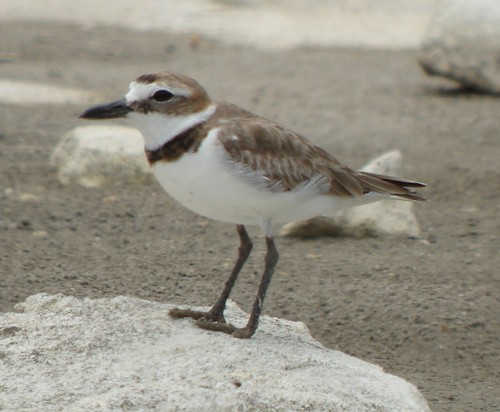
Wilson's Plover
17-19 cm (6.7-7.5 in) long, 45-50 cm wingspan
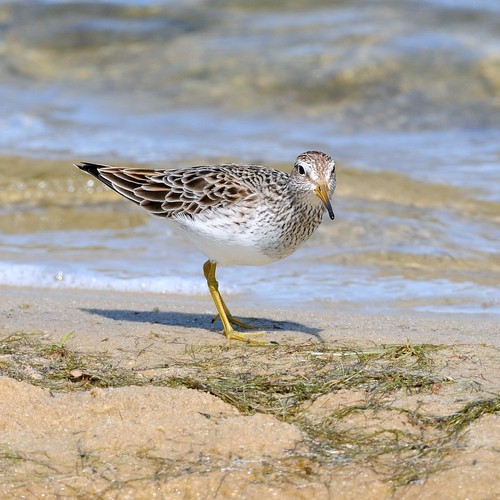
Pectoral Sandpiper
19-23 cm (7.5-9 in) long, 43-49 cm wingspan
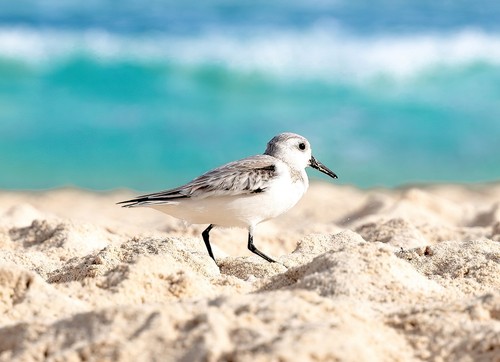
Sanderling
18-20 cm (7-8 in) long, 40-43 cm wingspan