
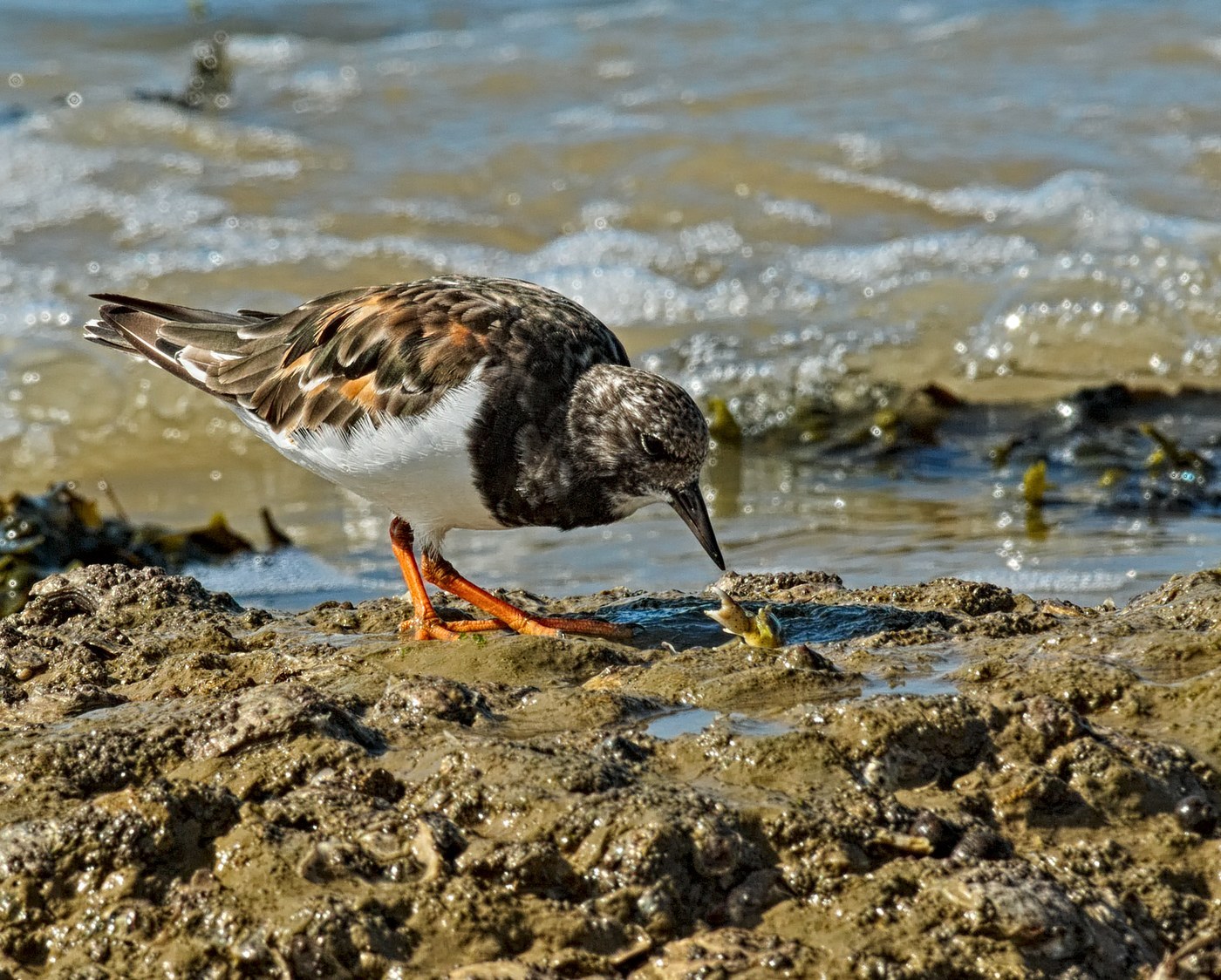
Ruddy Turnstone
Arenaria interpres
A stocky, boldly patterned shorebird that flips stones, shells, and seaweed on the beach with its short, wedge-shaped bill in search of food.
- Size
- 21-26 cm (8.5-10 in) long, 50-57 cm wingspan
- Habitat
- rocky and sandy shorelines, breeding on Arctic tundra
- Type
- shorebird
Spotted a bird like this?
Identify any bird from a photo, free.
Overview
The Ruddy Turnstone is a chunky, short-legged shorebird instantly recognizable by its harlequin plumage. Breeding adults have a bold tortoiseshell pattern of chestnut-red, black, and white across the back and wings, a striking black-and-white face pattern, and bright orange-red legs.
Nonbreeding birds are duller, with the rufous replaced by dark brownish tones, but the black-and-white facial pattern and orange legs remain distinctive year-round. The bill is short, stout, and slightly upturned, giving the species its name and its habit.
Despite its small size, the Ruddy Turnstone is a powerful long-distance migrant, breeding in the high Arctic and wintering on coastlines around much of the world.
How to identify it
Key field marks
- Bold tortoiseshell pattern of rufous, black, and white on the back (breeding plumage)
- Striking black-and-white harlequin face and breast pattern
- Bright orange-red legs
- Short, stout, slightly upturned bill
- Stocky, short-legged build compared to other shorebirds
- Distinctive white wing-stripe and back pattern visible in flight
Similar species
- No other North American or Eurasian shorebird shares its combination of orange legs and harlequin plumage; nonbreeding birds can look plainer brown but retain the diagnostic face pattern and leg color.
- Black Turnstone (Pacific coast of North America): darker overall, lacking the rufous tones, with duller blackish legs.
Habitat & range
Habitat
Outside the breeding season, Ruddy Turnstones favor rocky shorelines, jetties, gravel beaches, and sandy coasts, often probing among seaweed and debris left by the tide.
Range and migration
They breed on Arctic tundra in a circumpolar distribution across northern North America, Greenland, and Eurasia. After breeding, they migrate to winter on coastlines nearly worldwide, from temperate to tropical shores, making them one of the most widely distributed shorebirds on Earth.
Behavior & voice
Behavior
True to their name, turnstones use their short, wedge-shaped bill to flip over stones, shells, seaweed mats, and other debris to expose hidden prey, and will also dig into sand or peck open stranded shellfish.
Voice
Calls include a staccato, chattering rattle, often rendered as "tuk-e-tuk" or a rapid trilling, given both in flight and while foraging in groups.
Feeding
Their diet is broad and opportunistic, including insects, small crustaceans, mollusks, and carrion; they will also scavenge around fish carcasses, bird eggs, and human food scraps.
Nesting and breeding
Pairs nest on the ground in a shallow scrape on open Arctic tundra near water, laying a clutch of typically four eggs; both parents share incubation duties before the young quickly become mobile and self-feeding.
Frequently asked questions
Why is it called a turnstone?
It gets its name from its habit of using its short, slightly upturned bill to flip over stones, shells, and seaweed to find hidden prey underneath.
What color are a Ruddy Turnstone's legs?
Bright orange-red year-round, a useful field mark even on duller nonbreeding birds.
Where does the Ruddy Turnstone breed?
On Arctic tundra in a circumpolar range across northern North America, Greenland, and Eurasia.
What does a Ruddy Turnstone eat?
A varied diet including insects, small crustaceans, mollusks, and carrion, found by flipping stones and debris on beaches.
How far do Ruddy Turnstones migrate?
Very far — they winter on coastlines across much of the world, from temperate shores to the tropics, after breeding in the high Arctic.
Ruddy Turnstone guides
In-depth guides for identifying, finding, and understanding Ruddy Turnstone.
Other birds you may enjoy
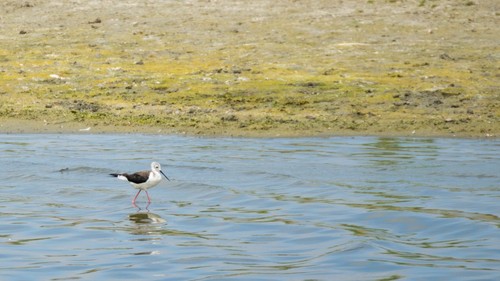
Black-winged Stilt
33-36 cm (13-14 in) long, wingspan 67-83 cm
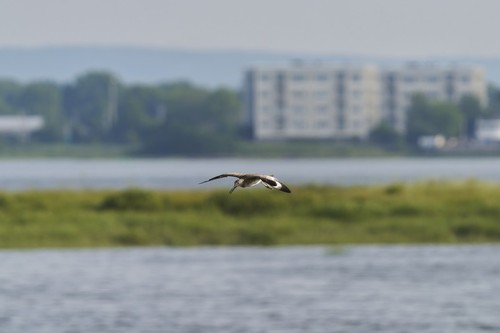
Willet
33-41 cm (13-16 in) long, 65-70 cm wingspan
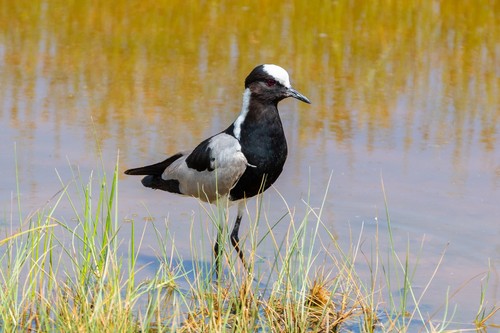
Blacksmith Lapwing
Body length about 30 cm; wingspan 55-65 cm
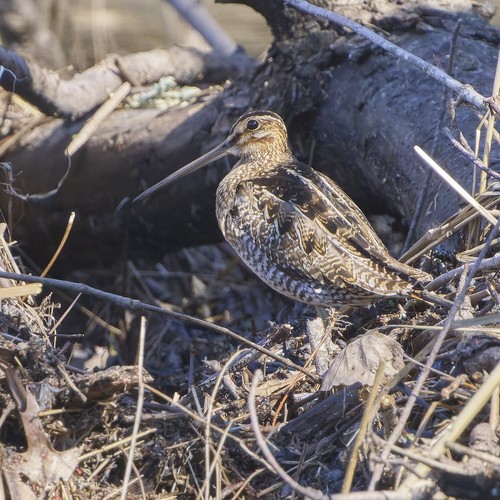
Wilson's Snipe
25-30 cm (10-12 in) long, 39-45 cm wingspan
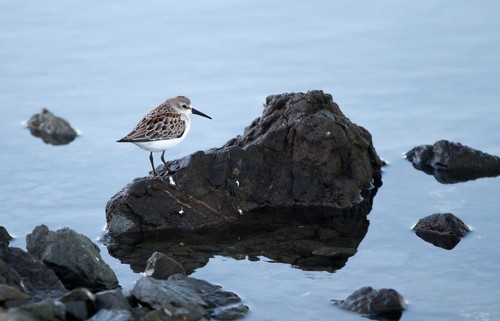
Western Sandpiper
14-17 cm (5.5-6.7 in) long, 28-37 cm wingspan
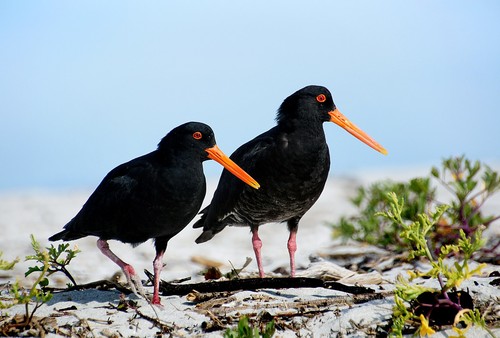
Variable Oystercatcher
46-49 cm (18-19 in) long
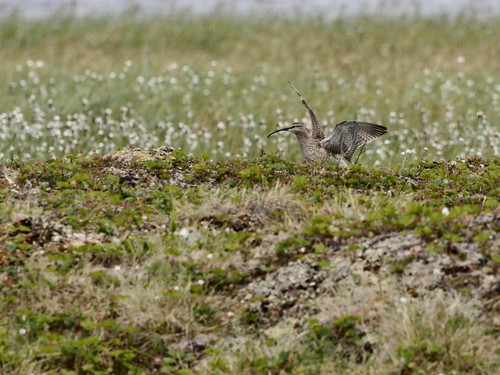
Whimbrel
40-46 cm (16-18 in) long, 76-89 cm wingspan
Wilson's Phalarope
22-24 cm (8.5-9.5 in) long, 37-43 cm wingspan
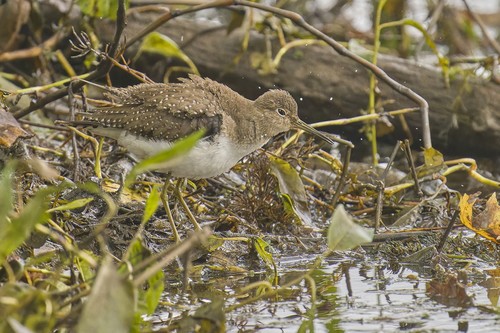
Solitary Sandpiper
19-23 cm (7.5-9 in) long, 50-56 cm wingspan
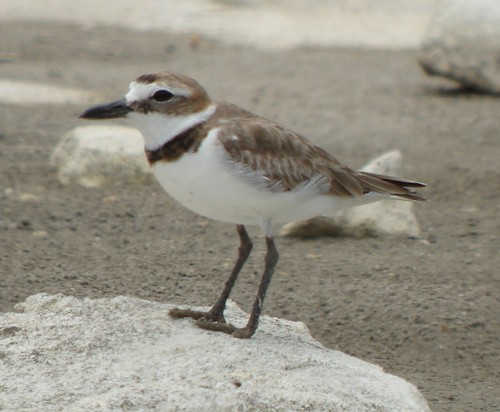
Wilson's Plover
17-19 cm (6.7-7.5 in) long, 45-50 cm wingspan
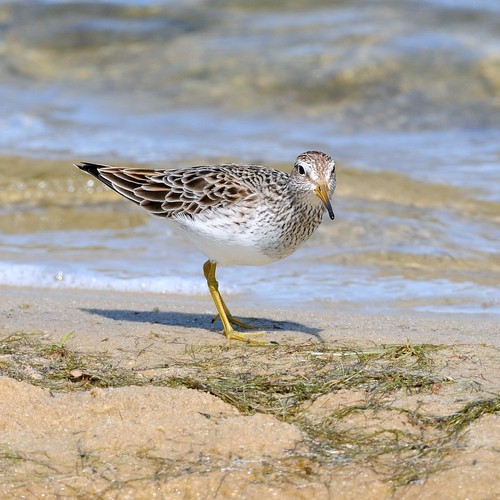
Pectoral Sandpiper
19-23 cm (7.5-9 in) long, 43-49 cm wingspan
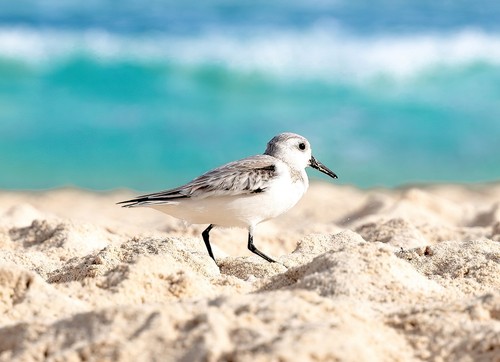
Sanderling
18-20 cm (7-8 in) long, 40-43 cm wingspan