
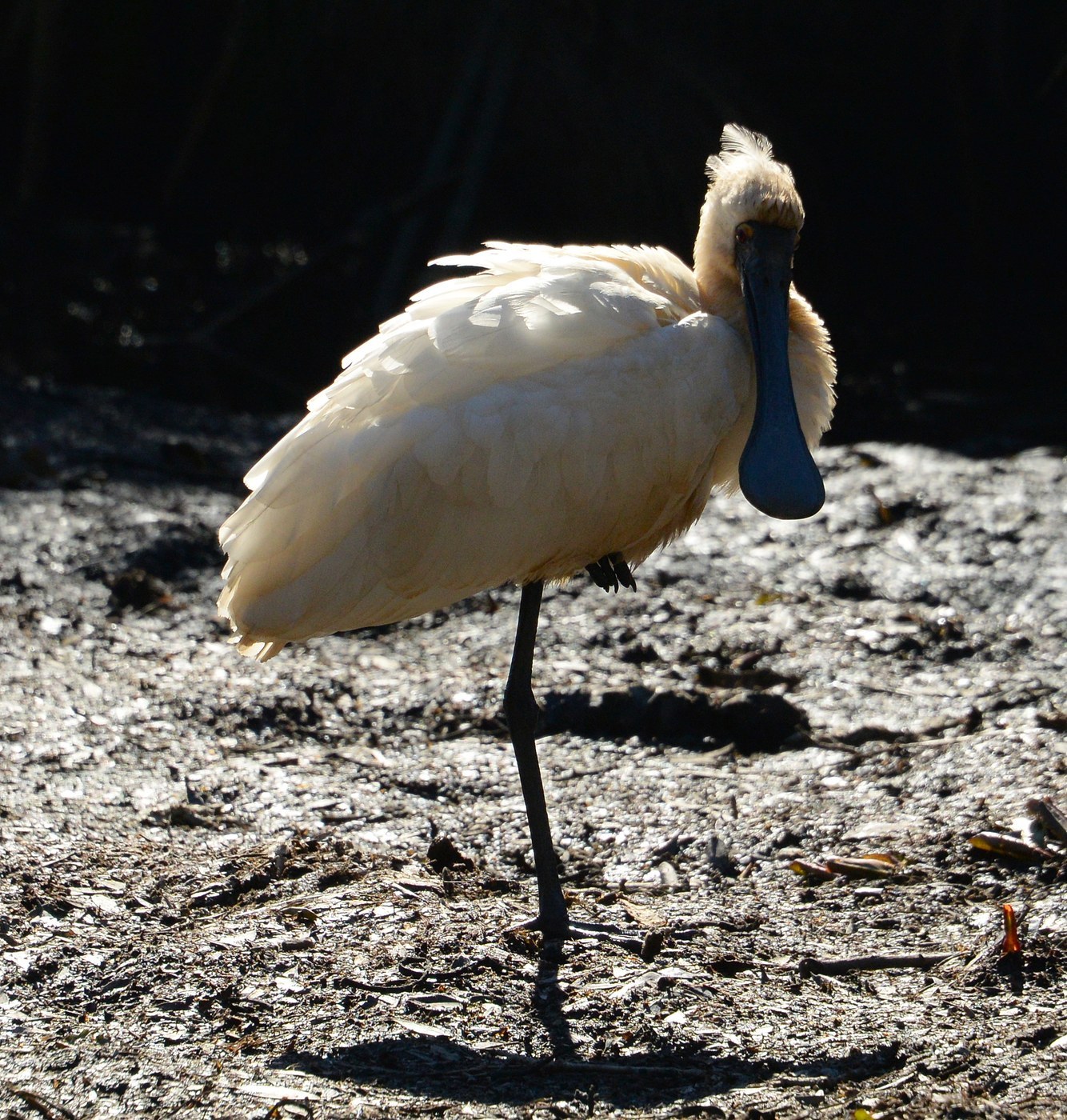
Royal Spoonbill
Platalea regia
A large white wading bird of Australasia with a distinctive black, spoon-shaped bill that it sweeps through shallow water to feel for prey.
- Size
- 74-81 cm (29-32 in) long, 110-130 cm wingspan
- Habitat
- shallow estuaries, mudflats, mangroves, and freshwater wetlands
- Type
- wading-bird
Spotted a bird like this?
Identify any bird from a photo, free.
Overview
The Royal Spoonbill is a striking, all-white wading bird found across Australia, New Zealand, and parts of Indonesia and Papua New Guinea. Its most obvious feature is the long, flattened, spoon-shaped bill, which it uses in a distinctive side-to-side sweeping motion when hunting.
Adults are entirely white with black legs and a black bill. During the breeding season, birds develop long, shaggy white plumes on the back of the head (nuchal crest) and a patch of bare red or yellow skin on the face, making them especially ornate compared to the plainer non-breeding plumage.
How to identify it
Key field marks
- Entirely white plumage with a long, flat, black spoon-shaped bill
- Black legs and black facial skin
- Breeding adults show a drooping crest of white plumes on the nape and a patch of red skin above the bill
- Flies with neck and legs outstretched, unlike herons which retract the neck
Similar species
The Black-faced Spoonbill is smaller, restricted to East Asia, and has black facial skin that wraps further around the eye without the Royal Spoonbill's red breeding patch. The Eurasian Spoonbill (a rare vagrant to the region) has a yellow-tipped bill and lacks red facial skin. Egrets and herons have straight, pointed bills rather than a spatulate tip, and typically fly with the neck folded into an S-shape.
Habitat & range
Royal Spoonbills favor shallow wetlands including tidal mudflats, estuaries, mangrove-lined lagoons, and freshwater swamps, lakes, and flooded pastures. They forage in water usually less than 20 cm deep.
The species is resident and partly nomadic across much of Australia and New Zealand, with numbers shifting in response to rainfall and water levels. Smaller populations occur in Indonesia, Papua New Guinea, and occasionally New Caledonia. Most populations disperse locally rather than undertake long-distance migration.
Behavior & voice
Royal Spoonbills feed by wading through shallow water while sweeping their partly open bill side to side; when the sensitive bill tip touches prey, it snaps shut. They often feed in loose groups and roost communally in trees or on sandbars alongside other waterbirds.
They are generally quiet, giving low grunts, hisses, and bill-clattering displays mainly at breeding colonies rather than true songs. Nesting is colonial, often alongside herons, ibises, and cormorants, in trees, mangroves, or reedbeds over water. Both parents build a stick platform nest and share incubation of typically 2-4 eggs and chick-rearing duties.
Frequently asked questions
What does a Royal Spoonbill eat?
It feeds mainly on small fish, crustaceans, and aquatic insects, detected by touch as it sweeps its bill through shallow water.
How do you tell a Royal Spoonbill from a Yellow-billed Spoonbill?
Royal Spoonbills have a black bill and black facial skin, while Yellow-billed Spoonbills (also found in Australia) have a pale, yellowish bill and facial skin.
Where do Royal Spoonbills nest?
They nest colonially in trees, mangroves, or reedbeds over water, often alongside herons and ibises.
Are Royal Spoonbills endangered?
No, they are listed as Least Concern, with stable to increasing populations across their range.
Why does a spoonbill sweep its bill side to side?
The flattened bill tip is highly sensitive to touch, letting the bird detect and snap up prey in murky water without needing to see it.
Royal Spoonbill guides
In-depth guides for identifying, finding, and understanding Royal Spoonbill.
Other birds you may enjoy
Demoiselle Crane
85-100 cm (33-39 in) long, 155-180 cm wingspan
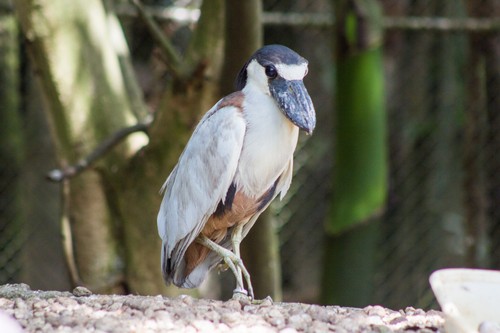
Boat-billed Heron
41-56 cm (16-22 in) long
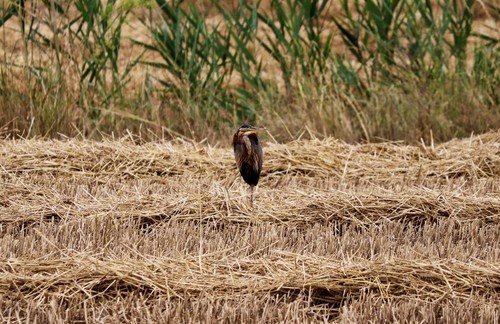
Purple Heron
78-90 cm (31-35 in) long, 120-152 cm wingspan
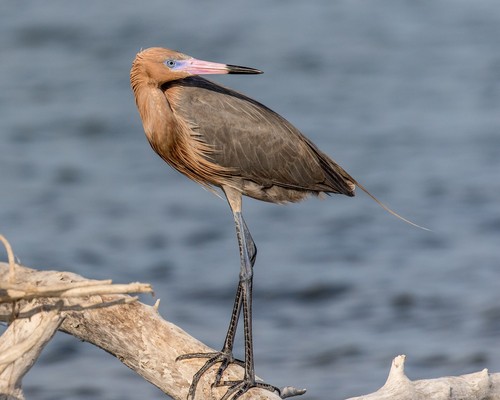
Reddish Egret
68-82 cm (27-32 in) long, 116-125 cm wingspan
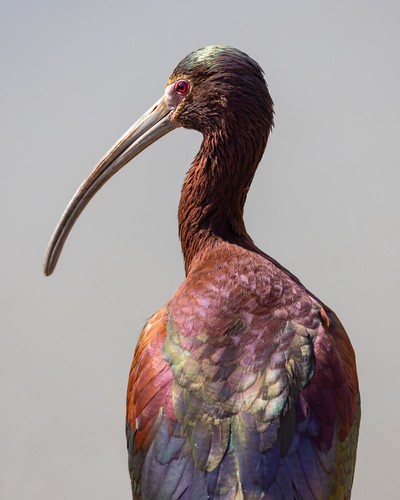
White-faced Ibis
46-56 cm (18-22 in) long, 88-93 cm wingspan
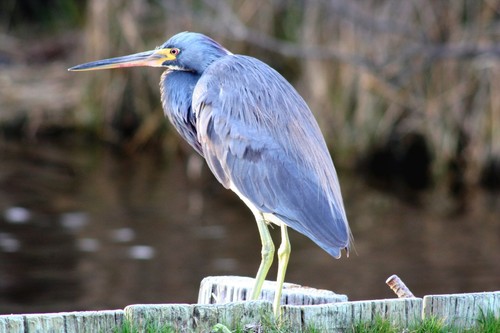
Tricolored Heron
61-76 cm (24-30 in) long, about 96 cm wingspan
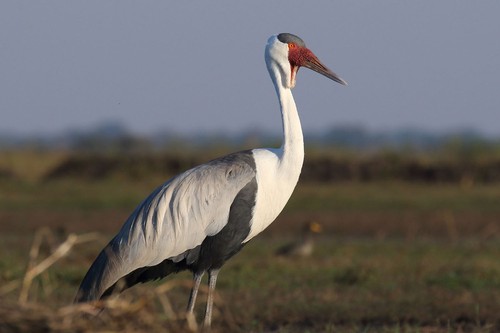
Wattled Crane
120-175 cm (47-69 in) tall, one of the tallest cranes, wingspan up to about 230 cm (7.5 ft)
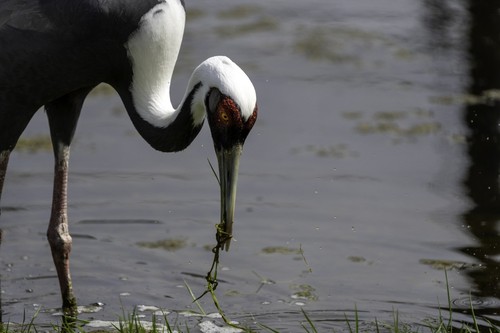
White-naped Crane
112-125 cm (44-49 in) long, 195-210 cm wingspan
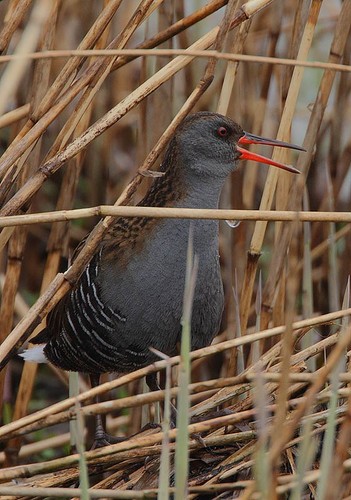
Water Rail
23-28 cm (9-11 in) long, wingspan 38-45 cm
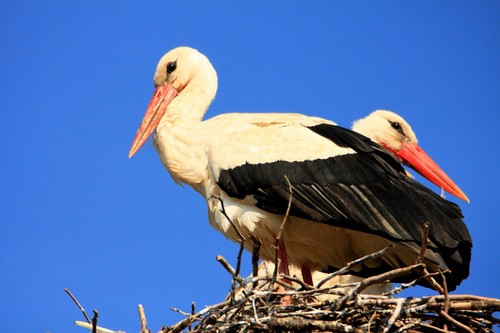
White Stork
100-125 cm (39-49 in) long, 155-215 cm wingspan
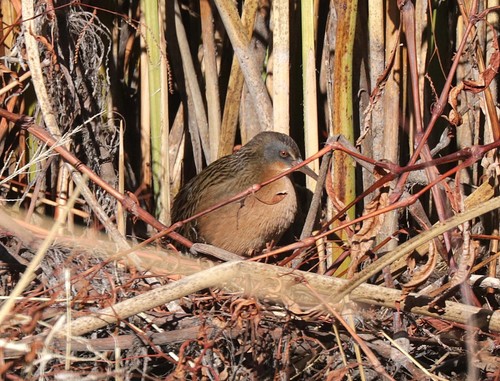
Virginia Rail
20-27 cm (8-11 in) long, wingspan 32-38 cm
Wattled Jacana
17-23 cm (7-9 in) long