
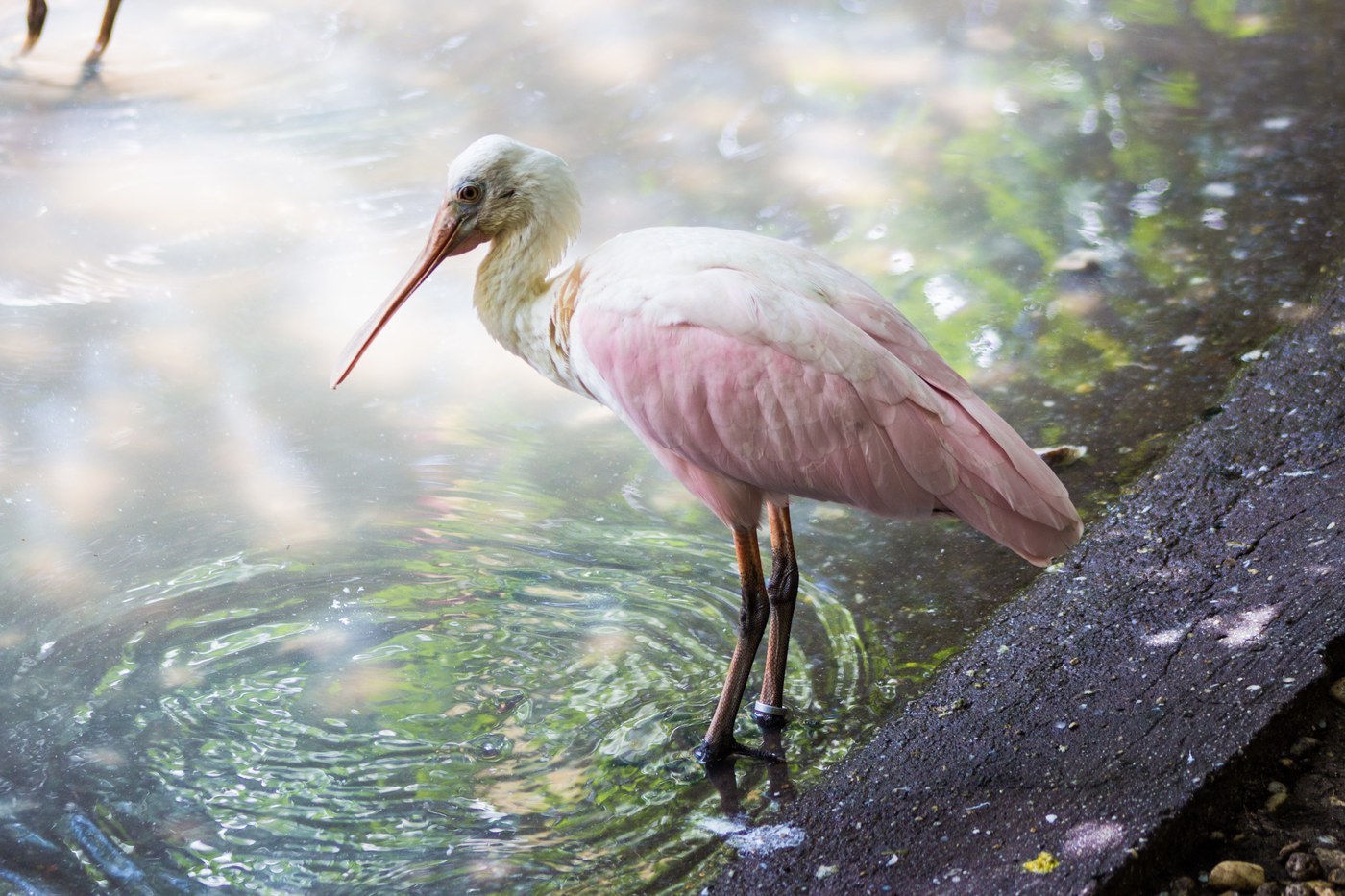
Roseate Spoonbill
Platalea ajaja
A vivid pink wading bird with an unmistakable spoon-shaped bill, often mistaken for a flamingo when glimpsed at a distance in coastal marshes.
- Size
- 71-86 cm (28-34 in) long, 120-133 cm wingspan
- Habitat
- coastal marshes, mangroves, and lagoons of the southeastern United States, Central America, and South America
- Type
- wading-bird
Spotted a bird like this?
Identify any bird from a photo, free.
Overview
The Roseate Spoonbill is a large, brilliantly pink wading bird instantly recognizable by its long, flattened, spoon-shaped bill. Adults show varying intensities of pink across the wings and body, deepening to a richer carmine on the shoulders and rump during the breeding season, with a bald greenish-grey head and an orange tail patch.
Like flamingos, its pink coloration comes from carotenoid pigments obtained through its diet of small crustaceans, particularly shrimp. Juveniles are much paler, whitish-pink, and lack the bald head of adults, gradually acquiring full adult coloration over a few years.
How to identify it
Key field marks
- Overall pink plumage, deepening to carmine on shoulders in breeding adults
- Long, flat, spoon-shaped bill, unique among American wading birds
- Bald, greenish-grey head in adults
- Orange tail patch
Similar species
At a distance, pink coloration can suggest a flamingo, but the spoonbill's flattened, spatula-shaped bill and shorter neck are diagnostic and unmistakable at any reasonable range. No other American wading bird shares the combination of pink plumage and spoon-shaped bill.
Habitat & range
Habitat
Roseate Spoonbills favor shallow coastal wetlands: mangrove swamps, tidal lagoons, marshes, and mudflats, generally avoiding deep or fast-moving water.
Range and migration
The species breeds along the Gulf Coast of the United States, the Caribbean, and coastal areas of Central and South America; northern populations disperse and expand their range after breeding, with some post-breeding wandering well north of typical breeding areas.
Behavior & voice
Behavior
Highly social, Roseate Spoonbills forage, roost, and nest in flocks, often alongside herons, egrets, and ibis, and are conspicuous in flight with their neck extended and slow, steady wingbeats.
Voice
Low, guttural grunting notes, given mainly at nesting colonies.
Feeding
It feeds by sweeping its partially open, spoon-shaped bill side to side through shallow water, snapping shut on small fish, shrimp, and aquatic insects detected by touch.
Nesting and breeding
Colonial nester, often in mixed-species colonies with herons and egrets, building stick nests in mangroves or waterside trees; clutches typically contain 2-4 eggs.
Frequently asked questions
Why is the Roseate Spoonbill pink?
Its pink color comes from carotenoid pigments obtained from the crustaceans, especially shrimp, in its diet.
How is a Roseate Spoonbill different from a flamingo?
The spoonbill has a distinctive flat, spoon-shaped bill and a shorter neck, while flamingos have a downward-hooked bill and a much longer neck and legs.
How does a Roseate Spoonbill feed?
It sweeps its open bill side to side through shallow water, snapping shut when it touches prey like small fish and shrimp.
Where do Roseate Spoonbills live?
Along coastal wetlands of the southeastern United States, the Caribbean, and Central and South America.
Roseate Spoonbill guides
In-depth guides for identifying, finding, and understanding Roseate Spoonbill.
Other birds you may enjoy
Demoiselle Crane
85-100 cm (33-39 in) long, 155-180 cm wingspan
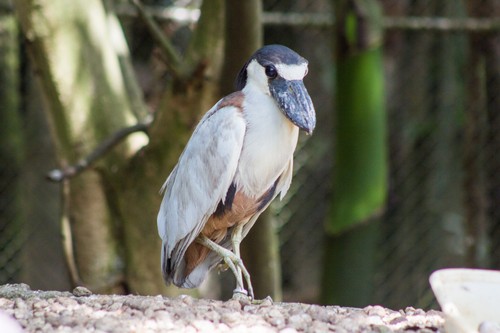
Boat-billed Heron
41-56 cm (16-22 in) long
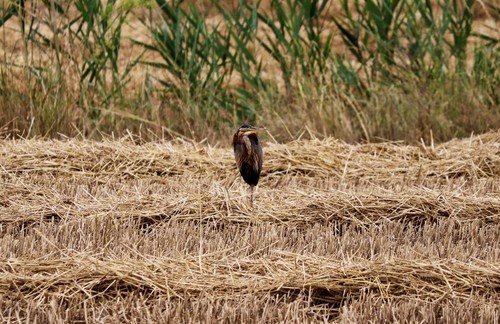
Purple Heron
78-90 cm (31-35 in) long, 120-152 cm wingspan
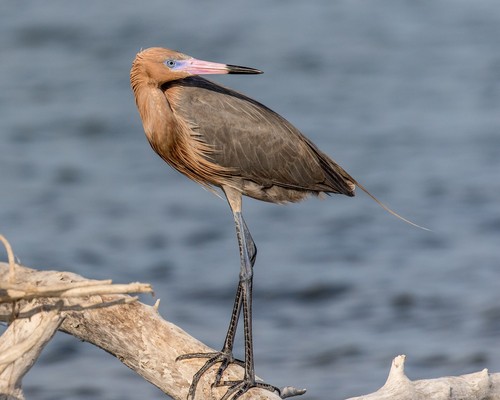
Reddish Egret
68-82 cm (27-32 in) long, 116-125 cm wingspan
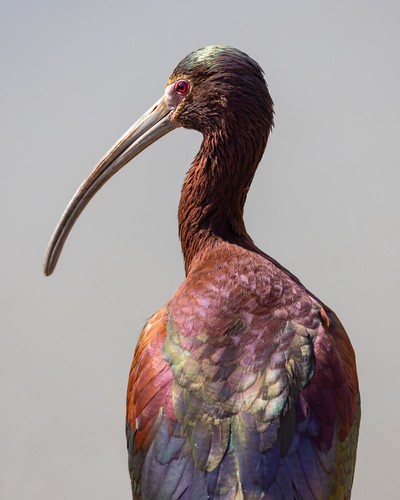
White-faced Ibis
46-56 cm (18-22 in) long, 88-93 cm wingspan
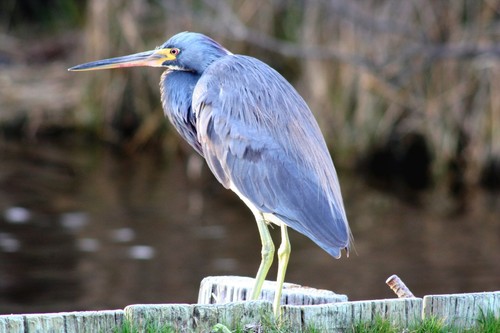
Tricolored Heron
61-76 cm (24-30 in) long, about 96 cm wingspan
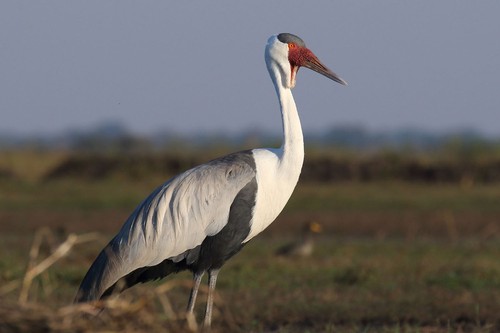
Wattled Crane
120-175 cm (47-69 in) tall, one of the tallest cranes, wingspan up to about 230 cm (7.5 ft)
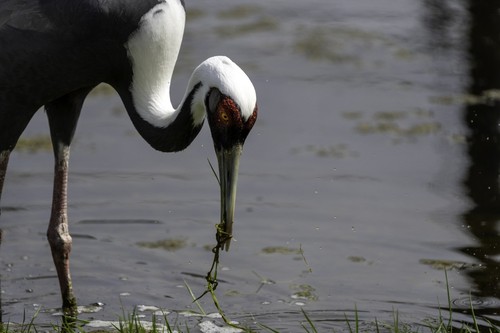
White-naped Crane
112-125 cm (44-49 in) long, 195-210 cm wingspan
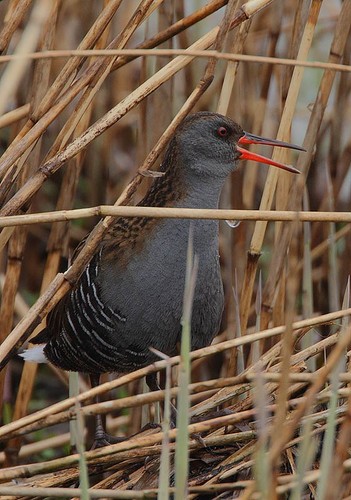
Water Rail
23-28 cm (9-11 in) long, wingspan 38-45 cm
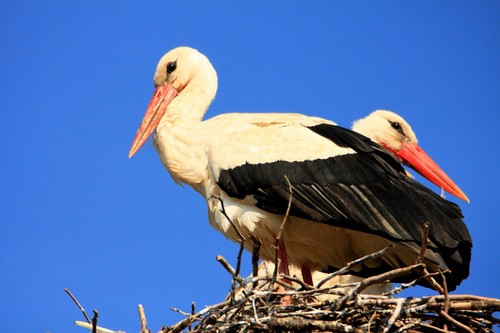
White Stork
100-125 cm (39-49 in) long, 155-215 cm wingspan
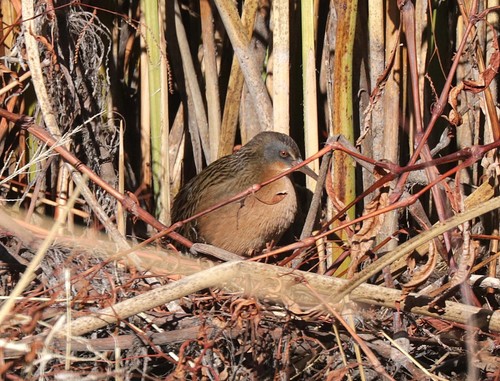
Virginia Rail
20-27 cm (8-11 in) long, wingspan 32-38 cm
Wattled Jacana
17-23 cm (7-9 in) long