
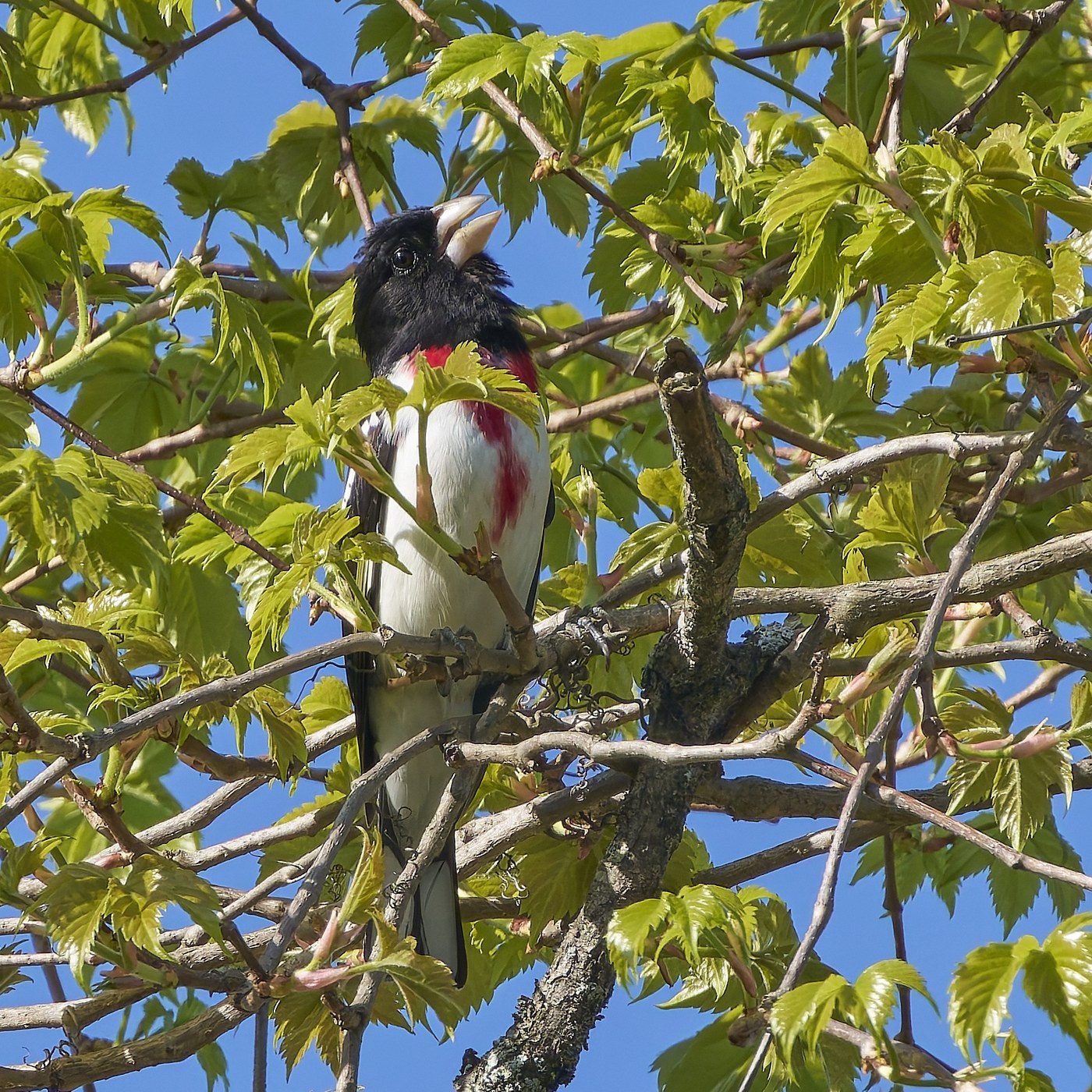
Rose-breasted Grosbeak
Pheucticus ludovicianus
A striking black-and-white songbird whose breeding male sports a brilliant triangular rose-red patch on the breast and a massive pale bill.
- Size
- 18-22 cm (7-8.7 in) long, 29-33 cm wingspan
- Habitat
- deciduous and mixed woodlands, forest edges, orchards, and shrubby second growth
- Type
- songbird
Spotted a bird like this?
Identify any bird from a photo, free.
Overview
The Rose-breasted Grosbeak is a large, chunky finch-like songbird renowned for the breeding male's dramatic plumage: bold black upperparts and hood contrasting with a snow-white belly and a striking triangular patch of rosy-red on the upper breast. The wings show large white patches visible in flight. Females and immature birds look entirely different, resembling an oversized sparrow with bold brown-and-white head stripes, heavy streaking below, and yellowish wing linings visible in flight.
Both sexes share the species' most distinctive feature, an enormous, thick, pale conical bill adapted for crushing seeds, which gives the grosbeak group its name. Rose-breasted Grosbeaks are also known for males that will sing even while incubating eggs, an unusual trait among songbirds.
How to identify it
Key Field Marks
- Massive, thick, pale pinkish-white conical bill
- Adult male: black head/back, white underparts, triangular rose-red breast patch, large white wing patches
- Female/immature: brown-and-white striped head, heavily streaked underparts, yellow wing linings in flight, resembles a large sparrow
- Chunky, robust body shape
Similar Species
- Black-headed Grosbeak replaces this species in the west; males have cinnamon-orange underparts rather than white-and-rose, and the two hybridize in a narrow zone on the Great Plains.
- Female Rose-breasted Grosbeaks can resemble large female Purple Finches or sparrows but are notably larger with a much heavier bill and yellow wing linings.
Habitat & range
Habitat
Breeds in deciduous and mixed forests, forest edges, second-growth woodland, and shrubby thickets, often near openings or water.
Range
Breeds across the northeastern and north-central United States and southern Canada. Winters from Mexico through Central America to northern South America.
Migration
A long-distance neotropical migrant that travels at night, moving through the eastern U.S. and across the Gulf of Mexico or through Central America to reach wintering grounds.
Behavior & voice
Behavior
Rose-breasted Grosbeaks forage in the tree canopy and understory, moving deliberately as they glean insects and seeds. Unusually among songbirds, males often share incubation duties and sing while sitting on the nest.
Voice
The song is a rich, warbling series of notes often likened to a more musical, faster version of an American Robin's song. The call is a sharp, distinctive squeaky "eek," often compared to a sneaker squeak.
Feeding
Feeds on insects, seeds, buds, and fruit, using its powerful bill to crack open seeds and beetles; readily visits sunflower seed feeders during migration.
Nesting & Breeding
Builds a loosely constructed cup nest of twigs in a shrub or tree, often so thin that eggs can be seen from below. Both parents share incubation of 3-5 eggs, an unusual behavior including males singing from the nest.
Frequently asked questions
Why do Rose-breasted Grosbeaks have such a large bill?
The oversized, thick conical bill is adapted for crushing hard seeds and cracking open beetles, giving the grosbeak group its name and enabling a varied diet.
Do male Rose-breasted Grosbeaks help raise the young?
Yes, males share incubation duties with females and are known for the unusual habit of singing while sitting on the nest.
What is the call of the Rose-breasted Grosbeak?
Its distinctive call is a sharp, squeaky note often compared to the sound of a sneaker squeaking on a gym floor.
How can I tell a female Rose-breasted Grosbeak from a sparrow?
Female grosbeaks are notably larger than sparrows with a much heavier, thicker bill and show yellow wing linings visible in flight.
How is the Rose-breasted Grosbeak different from the Black-headed Grosbeak?
Male Rose-breasted Grosbeaks have white underparts with a rose-red breast patch, while male Black-headed Grosbeaks have cinnamon-orange underparts; their ranges meet and occasionally hybridize on the Great Plains.
Rose-breasted Grosbeak guides
In-depth guides for identifying, finding, and understanding Rose-breasted Grosbeak.
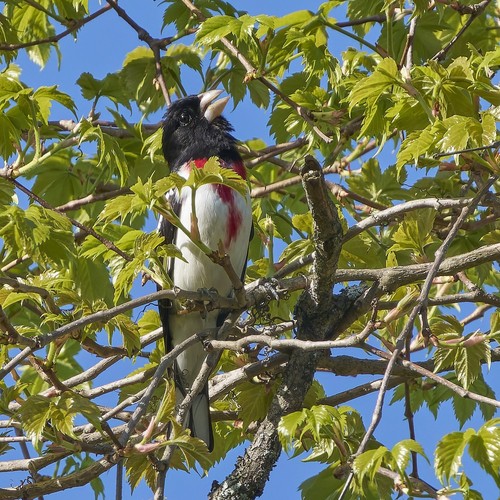
Rose-breasted Grosbeak identified by the community
Real birds identified with Bird Identifier.

Other birds you may enjoy
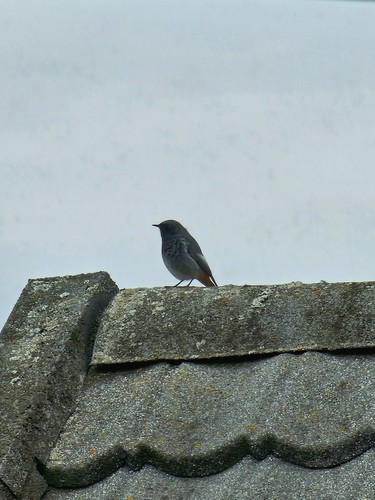
Black Redstart
13-14.5 cm (5.1-5.7 in) long, 23-26 cm wingspan
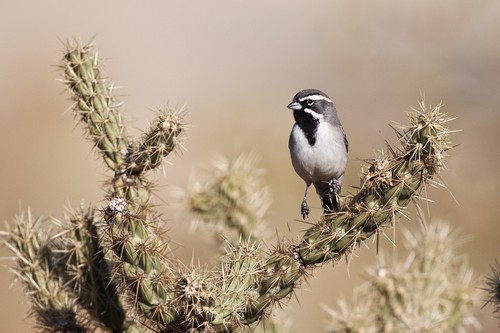
Black-throated Sparrow
12-14 cm (4.7-5.5 in) long, about 19-20 cm (7.5-8 in) wingspan
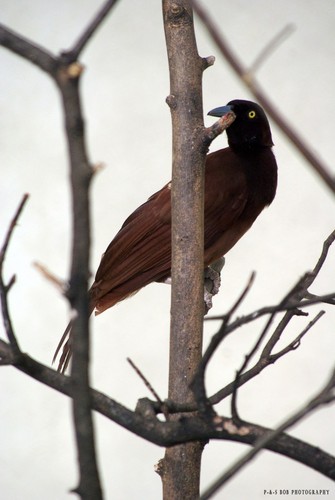
Greater Bird-of-paradise
Body about 43 cm; males with additional flank plumes up to 50 cm and long tail wires
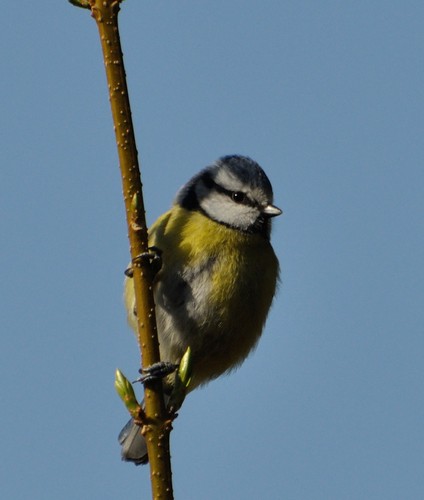
Blue Tit
11-12 cm (4.3-4.7 in) long, 17-20 cm wingspan

Red-billed Quelea
11.5–13 cm long, wingspan about 20–22 cm
White-plumed Antbird
13-14 cm (5-5.5 in) long
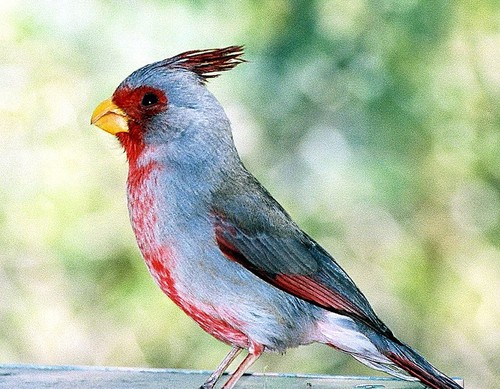
Pyrrhuloxia
19-22 cm (7.5-8.7 in) long, 30 cm wingspan
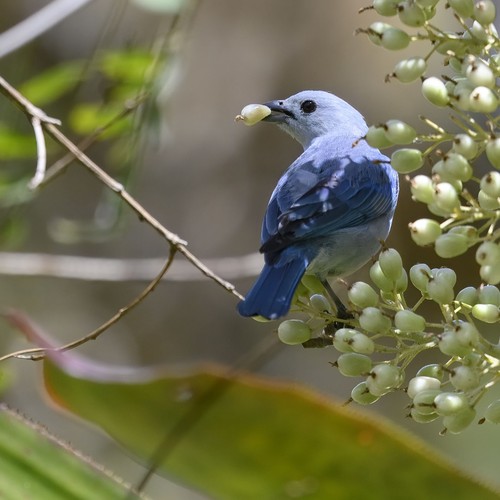
Blue-gray Tanager
16-18 cm (6-7 in) long
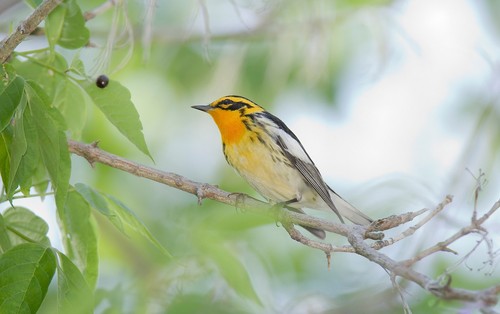
Blackburnian Warbler
11-13 cm (4.3-5.1 in) long, 20-22 cm wingspan
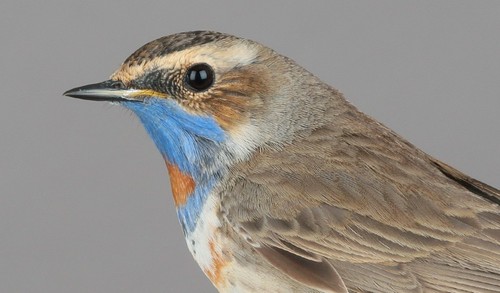
Bluethroat
13-14 cm (5.1-5.5 in) long, 20-22 cm wingspan
Eurasian Nuthatch
12-14.5 cm (4.7-5.7 in) long, 22.5-27 cm wingspan
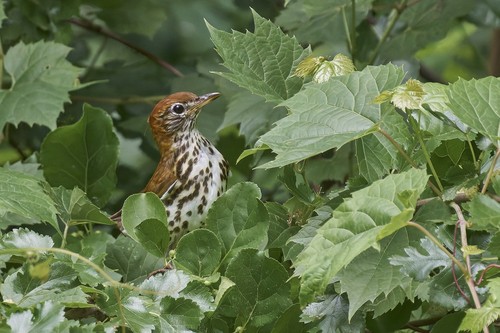
Wood Thrush
19-21 cm (7.5-8.3 in) long, about 33 cm (13 in) wingspan