
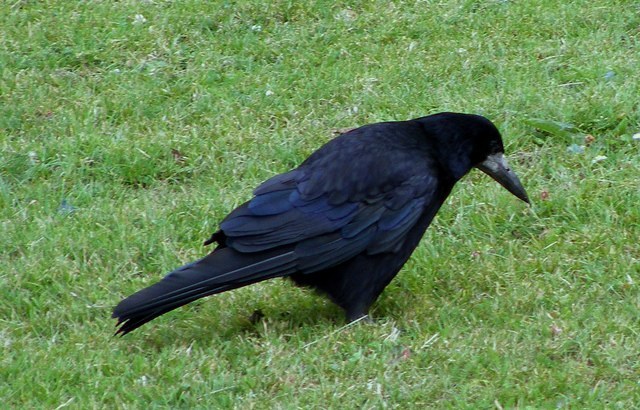
Rook
Corvus frugilegus
A highly social farmland crow with a bare, pale grey-white face patch and a peaked, shaggy crown.
- Size
- 44–46 cm long, wingspan around 90 cm
- Habitat
- Open farmland and pasture across Europe and Asia, nesting colonially in tall trees
- Type
- songbird
Spotted a bird like this?
Identify any bird from a photo, free.
Overview
The Rook is a large, glossy black corvid of open farmland, closely related to the Carrion Crow but distinguished by its bare, whitish-grey facial skin at the base of the bill in adults. Its plumage has a purplish-blue sheen in good light, and the feathers of the thighs are notably loose and shaggy, giving a "baggy trousers" silhouette.
Rooks have a peaked, high crown and a long, pointed, greyish bill. Juveniles lack the bare face patch and can be mistaken for Carrion Crows until they mature.
This is an intensely colonial species, famous for nesting in noisy, communal treetop colonies called rookeries.
How to identify it
Key field marks
- Bare, pale grey-white skin around the base of the bill (adults only)
- Peaked, angular crown shape
- Loose, shaggy "trouser" feathering on the thighs
- Purplish-blue gloss to black plumage in sunlight
- Long, pointed bill
Similar species
- Carrion Crow: fully feathered black face, no bare skin patch, straighter crown profile, more solitary habits
- Juvenile Rook: lacks the bare face patch and closely resembles a Carrion Crow — best told by shape (peaked crown, shaggy thighs) and its habit of associating with adult rooks
Behavior cues
Rooks are almost always seen in flocks, often walking and probing the ground on farmland, unlike the more solitary Carrion Crow.
Habitat & range
Habitat
Rooks favor open farmland, pasture, and arable fields interspersed with mature trees, where they feed on the ground and nest colonially in the treetops.
Range
Widespread and common across most of Europe and temperate Asia, from Britain and Ireland eastward across the steppes to Siberia and parts of East Asia.
Migration
Western and southern populations are largely resident. Northern and eastern populations are migratory or partially migratory, moving south in winter and sometimes forming enormous mixed flocks with Jackdaws at communal roosts.
Behavior & voice
Behavior
Rooks are among the most social corvids, nesting, feeding, and roosting in large groups. Rookeries — colonies of stick nests built high in trees — can hold from a few pairs to several hundred, often reused and expanded year after year.
Voice
Calls include a harsh, nasal "kaah" or "caw," flatter and less resonant than the Carrion Crow's call, given frequently within noisy colonies.
Feeding
Rooks probe soil and short turf for invertebrates such as earthworms and leatherjackets, using their strong, pointed bill, and also take grain, seeds, and other plant matter.
Nesting and breeding
Pairs build bulky stick nests high in colonial rookeries, often in the same trees each year. Clutches usually contain 3–5 eggs, incubated by the female while the male provisions her.
Frequently asked questions
How can you tell a rook from a crow?
Adult rooks have a bare, pale grey-white patch of skin around the base of the bill, a peaked crown, and shaggy thigh feathers, while crows have a fully feathered black face.
Why do rooks nest in colonies?
Communal nesting in rookeries offers safety in numbers against predators and allows information sharing about food sources.
What is a group of rooks called?
A group of rooks is often called a "parliament," and their colonial nest sites are known as rookeries.
What do rooks eat?
Rooks mainly eat soil invertebrates like earthworms and grubs, along with grain and seeds.
Do young rooks look different from adults?
Yes, juvenile rooks have a fully feathered black face and lack the bare grey-white patch seen in adults.
Rook guides
In-depth guides for identifying, finding, and understanding Rook.
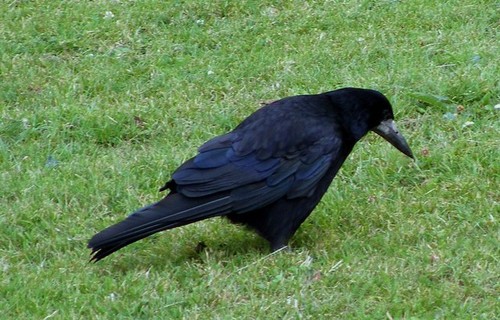
Other birds you may enjoy
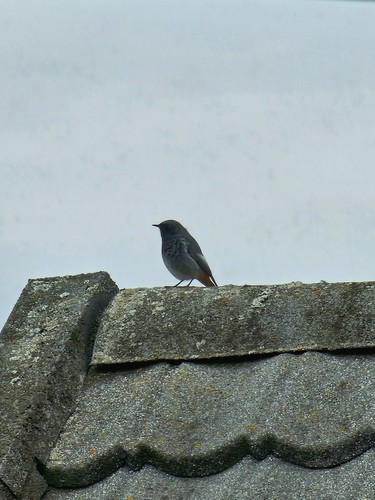
Black Redstart
13-14.5 cm (5.1-5.7 in) long, 23-26 cm wingspan
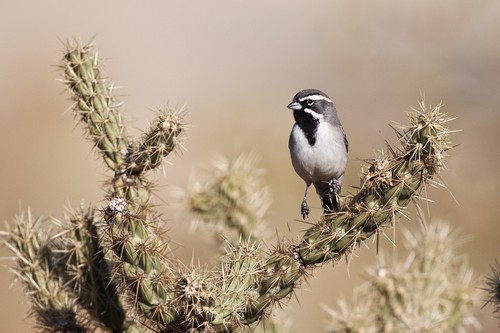
Black-throated Sparrow
12-14 cm (4.7-5.5 in) long, about 19-20 cm (7.5-8 in) wingspan
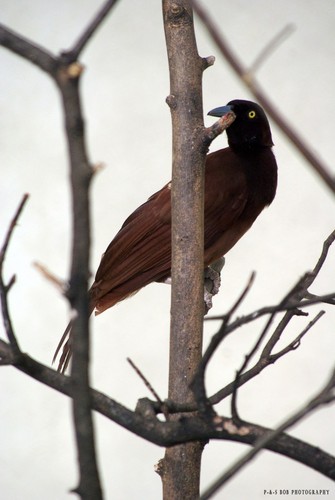
Greater Bird-of-paradise
Body about 43 cm; males with additional flank plumes up to 50 cm and long tail wires
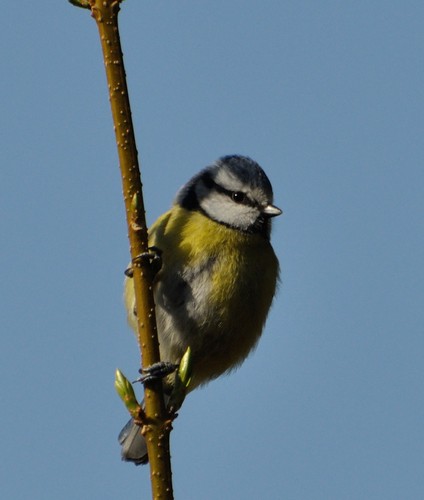
Blue Tit
11-12 cm (4.3-4.7 in) long, 17-20 cm wingspan
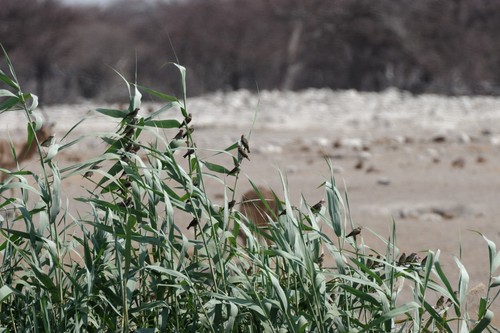
Red-billed Quelea
11.5–13 cm long, wingspan about 20–22 cm
White-plumed Antbird
13-14 cm (5-5.5 in) long
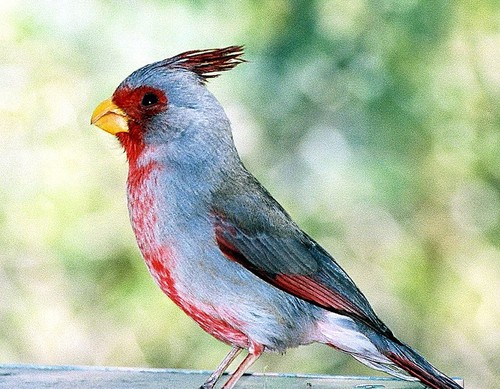
Pyrrhuloxia
19-22 cm (7.5-8.7 in) long, 30 cm wingspan
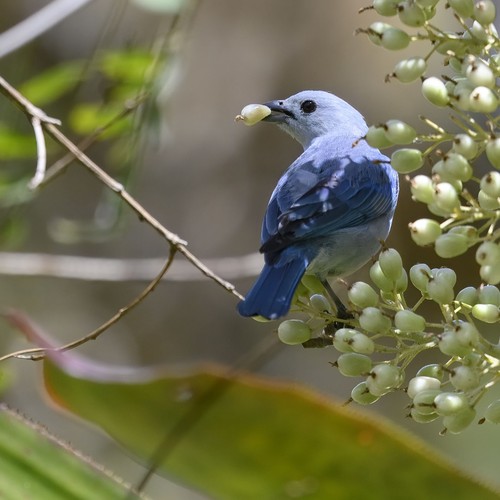
Blue-gray Tanager
16-18 cm (6-7 in) long
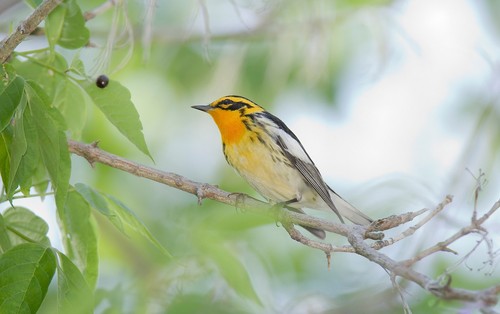
Blackburnian Warbler
11-13 cm (4.3-5.1 in) long, 20-22 cm wingspan
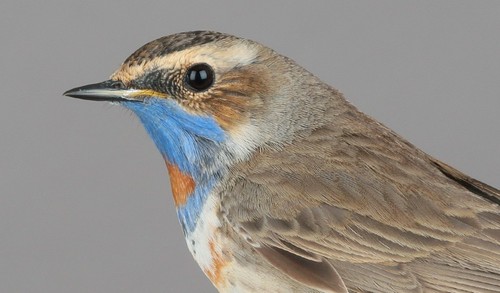
Bluethroat
13-14 cm (5.1-5.5 in) long, 20-22 cm wingspan
Eurasian Nuthatch
12-14.5 cm (4.7-5.7 in) long, 22.5-27 cm wingspan
Wood Thrush
19-21 cm (7.5-8.3 in) long, about 33 cm (13 in) wingspan