
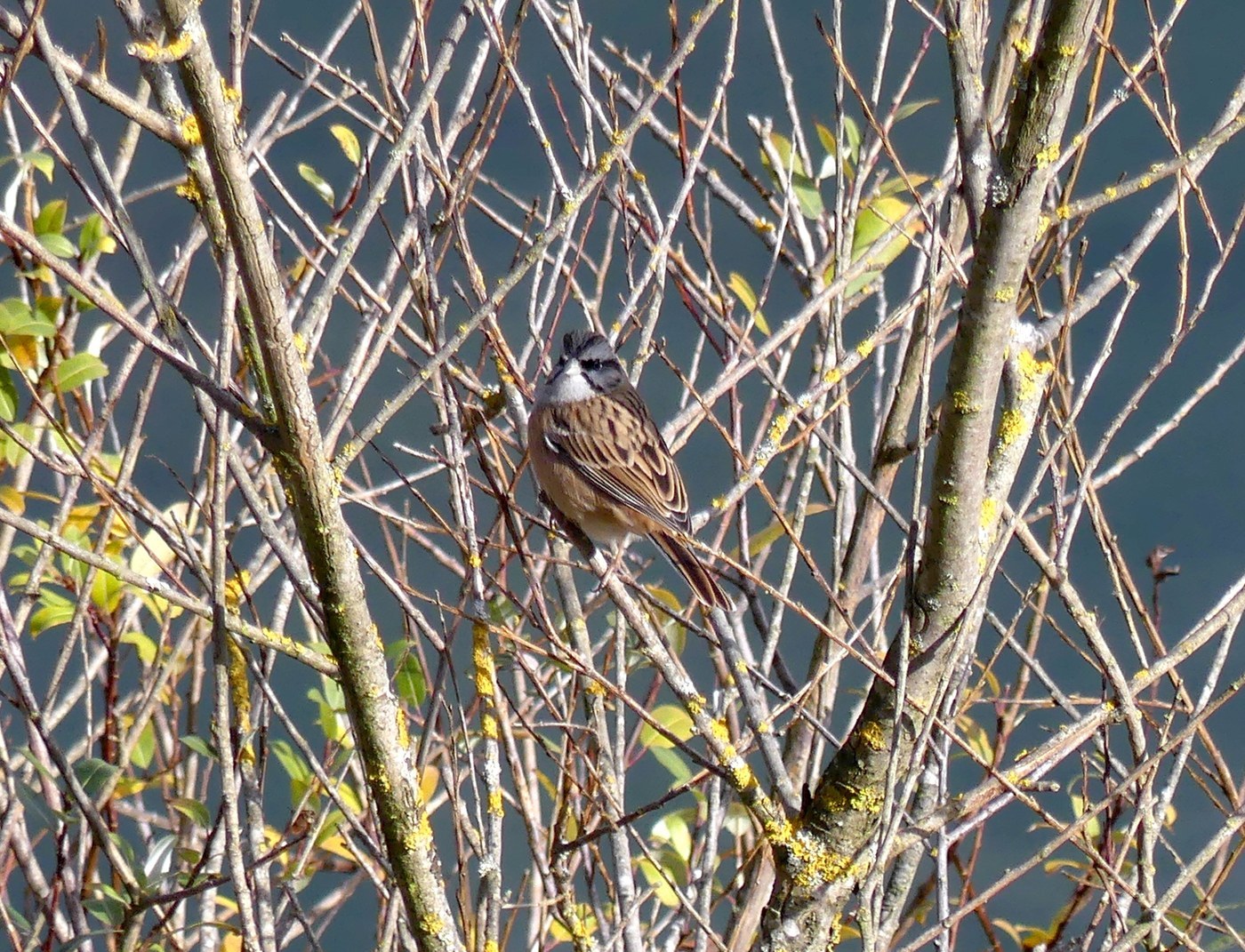
Rock Bunting
Emberiza cia
A boldly head-striped bunting of dry, rocky hillsides and vineyards across southern Europe's warmer, hillier terrain.
- Size
- 15-16.5 cm (5.9-6.5 in) long, 23-26 cm wingspan
- Habitat
- rocky, scrubby hillsides, vineyards, and dry stony slopes, often in hilly or mountainous terrain
- Type
- songbird
Spotted a bird like this?
Identify any bird from a photo, free.
Overview
The Rock Bunting is a handsome bunting of warm, dry, rocky terrain across southern and central Europe, often found on sun-baked hillsides, terraced vineyards, and stony slopes with scattered scrub, frequently at higher elevations than many other buntings.
Appearance
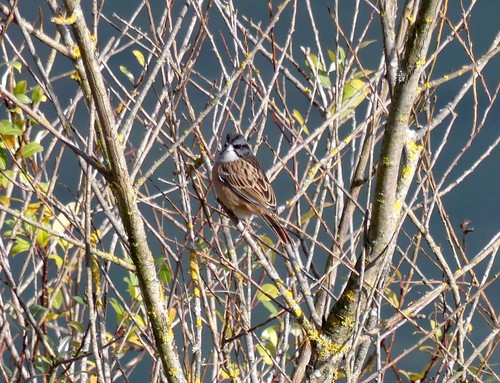
Males have a distinctive grey head marked with bold black stripes through the crown and eye, a black moustachial stripe, a chestnut back, and warm orange-buff underparts. Females show a similar but more muted pattern, with the head stripes browner and less crisply defined.
How to identify it
Key Field Marks
- Grey head with bold black crown, eye, and moustachial stripes
- Chestnut-brown back and rufous-orange underparts
- Grey, unstreaked breast
- Long tail with white outer feathers
Similar Species
Cirl Bunting and Yellowhammer both have yellow rather than grey heads, making them easy to separate from the grey-and-black-striped head of the Rock Bunting. Female Rock Buntings can appear duller, but the combination of grey head tones with dark stripes and rufous underparts remains diagnostic.
Habitat & range
Habitat
Rock Buntings favor open, rocky, and often steep terrain with a mix of bare ground, scattered low scrub, and sparse trees — dry hillsides, terraced vineyards, quarries, and montane scrub, frequently at moderate to fairly high elevations in mountainous parts of its range.
Range and Migration
The species is found across southern Europe, North Africa, and eastward through parts of the Middle East and central Asia. Most populations are resident or make only short altitudinal movements, descending to lower elevations in winter in mountainous areas rather than undertaking long-distance migration.
Behavior & voice
Behavior
Rock Buntings often perch on rocks, low bushes, or wires to sing, and forage on the ground among sparse vegetation and bare stony ground, frequently in pairs or small family groups.
Voice
The song is a short, simple, somewhat scratchy warble, less elaborate than that of many other buntings, often delivered from a prominent rock or bush perch. The call is a thin, sharp "tsee" or "zit."
Nesting and Breeding
The nest is built on or near the ground, often tucked into a rock crevice, bank, or the base of a shrub, a cup of grass and rootlets. Clutches of 4-5 pale eggs with fine dark markings are incubated mainly by the female for about 12-13 days.
Frequently asked questions
What habitat does the Rock Bunting prefer?
Dry, rocky, and often hilly or mountainous terrain with sparse scrub, such as stony hillsides, vineyards, and quarries.
How can you identify a Rock Bunting?
Look for the grey head boldly marked with black crown, eye, and moustachial stripes, paired with a chestnut back and rufous-orange underparts.
Does the Rock Bunting migrate?
Most populations are resident or only move to lower elevations in winter rather than undertaking long-distance migration.
Where does the Rock Bunting nest?
Low to the ground, often tucked into a rock crevice, bank, or the base of a shrub on a rocky slope.
Rock Bunting guides
In-depth guides for identifying, finding, and understanding Rock Bunting.
Other birds you may enjoy
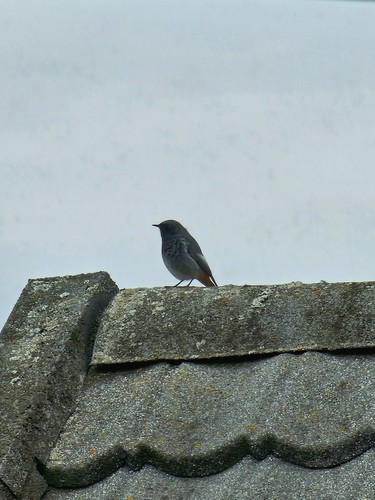
Black Redstart
13-14.5 cm (5.1-5.7 in) long, 23-26 cm wingspan
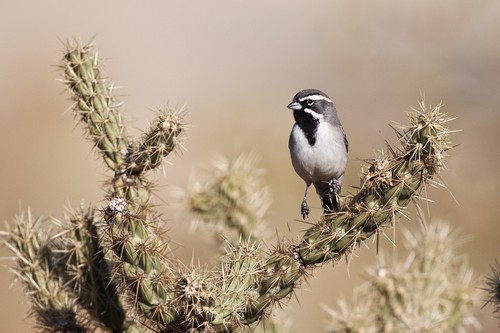
Black-throated Sparrow
12-14 cm (4.7-5.5 in) long, about 19-20 cm (7.5-8 in) wingspan
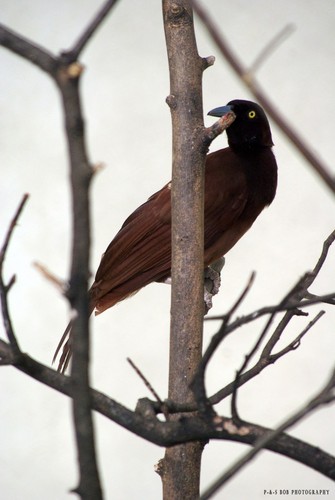
Greater Bird-of-paradise
Body about 43 cm; males with additional flank plumes up to 50 cm and long tail wires
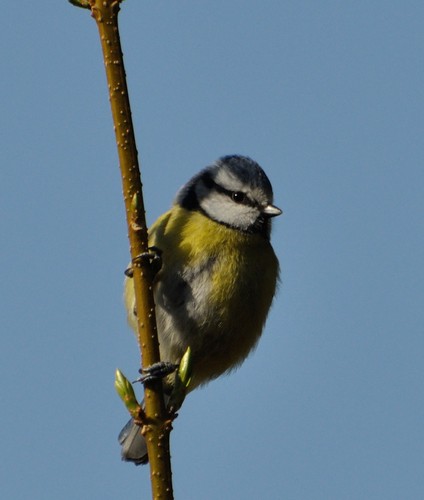
Blue Tit
11-12 cm (4.3-4.7 in) long, 17-20 cm wingspan
Red-billed Quelea
11.5–13 cm long, wingspan about 20–22 cm
White-plumed Antbird
13-14 cm (5-5.5 in) long
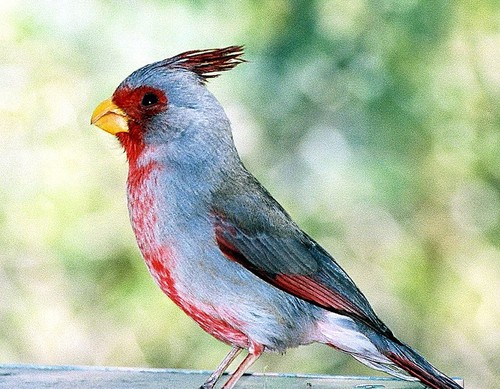
Pyrrhuloxia
19-22 cm (7.5-8.7 in) long, 30 cm wingspan
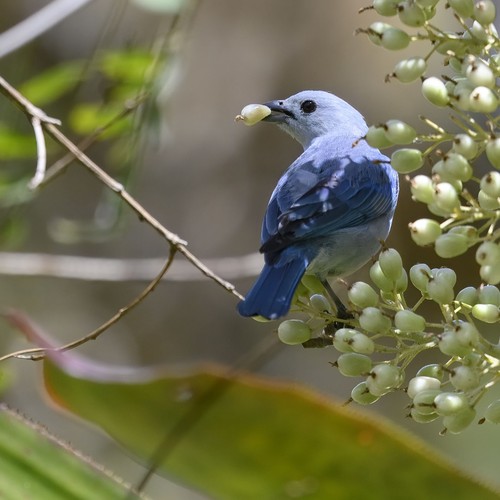
Blue-gray Tanager
16-18 cm (6-7 in) long
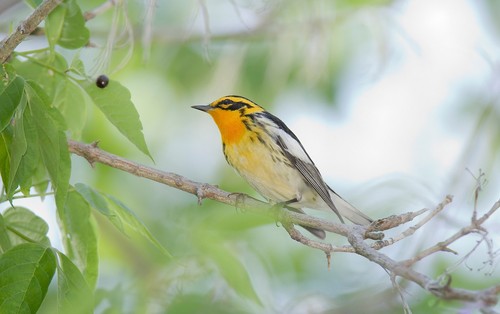
Blackburnian Warbler
11-13 cm (4.3-5.1 in) long, 20-22 cm wingspan
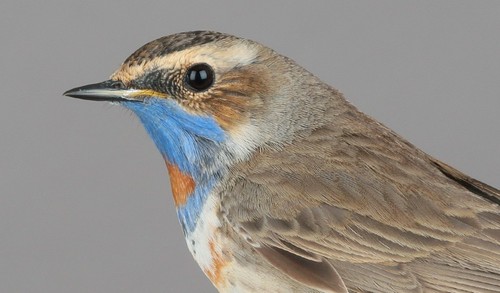
Bluethroat
13-14 cm (5.1-5.5 in) long, 20-22 cm wingspan
Eurasian Nuthatch
12-14.5 cm (4.7-5.7 in) long, 22.5-27 cm wingspan
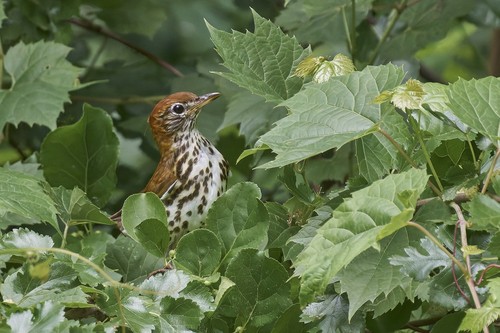
Wood Thrush
19-21 cm (7.5-8.3 in) long, about 33 cm (13 in) wingspan