
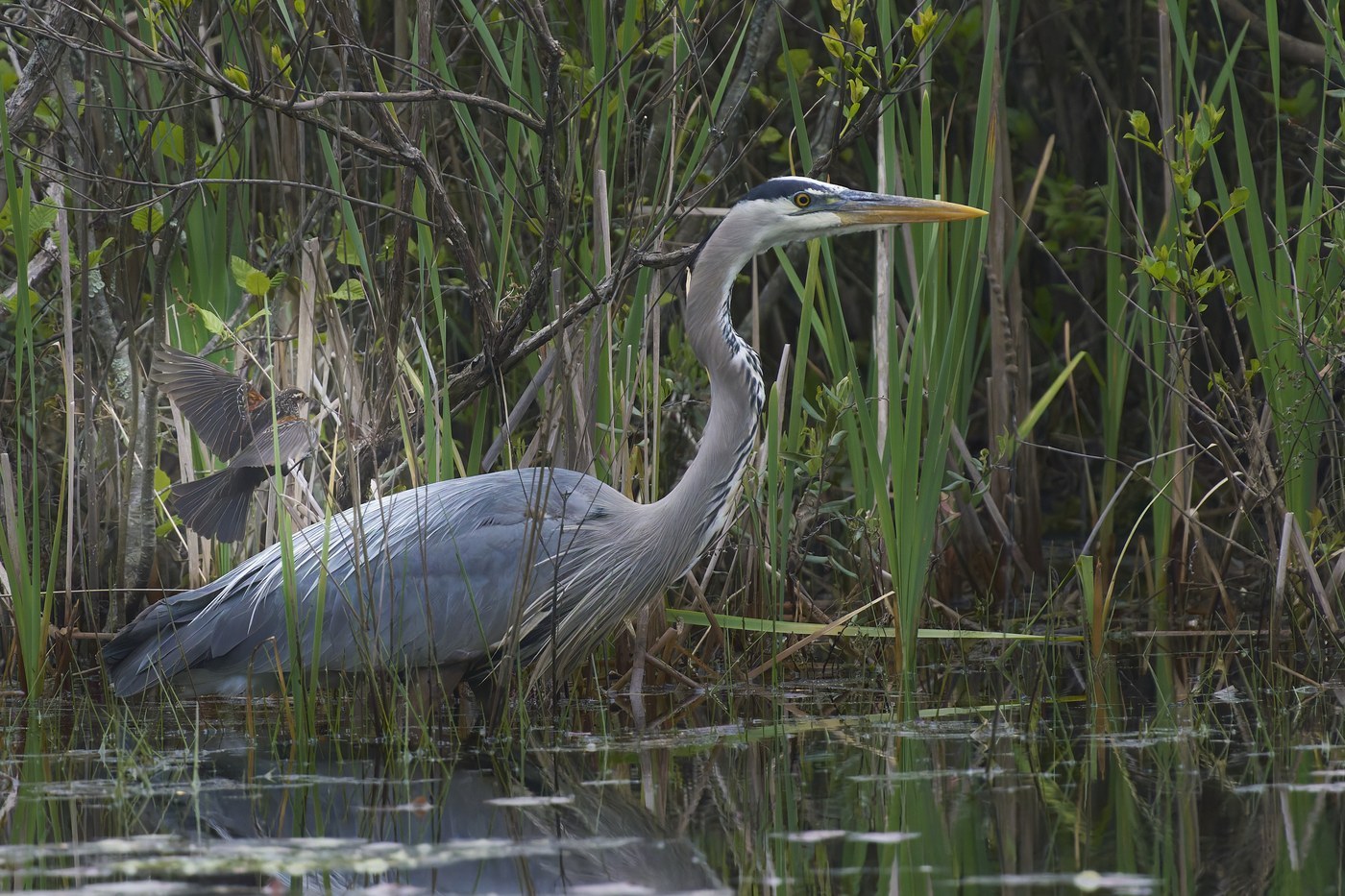
Red-winged Blackbird
Agelaius phoeniceus
A glossy black marsh bird whose males display bold red-and-yellow shoulder patches while perched and singing atop cattails.
- Size
- 17-23 cm (7-9 in) long, 31-40 cm (12-16 in) wingspan
- Habitat
- marshes, wetlands, wet meadows, and roadside ditches
- Type
- songbird
Spotted a bird like this?
Identify any bird from a photo, free.
Overview
The Red-winged Blackbird is one of the most abundant and familiar birds of North American wetlands, easily recognized by the male's glossy black plumage set off by bright red shoulder patches (epaulets) bordered with yellow or buff. Females look entirely different from males, being heavily streaked brown overall with a pointed bill and a pale eyebrow stripe, an appearance that can cause them to be mistaken for a large sparrow rather than recognized as the same species as the male.
Males are conspicuous and vocal, perching on cattails, reeds, or fence wires to sing and display their shoulder patches, both to attract mates and to warn off rival males from their territory.
How to identify it
Key Field Marks
- Male: glossy black overall with red shoulder patches bordered by yellow or buff
- Female: heavily streaked brown, sparrow-like, with a pointed bill and pale eyebrow stripe
- Males often show only a thin yellow line when patches are concealed at rest
- Conical, sharply pointed bill typical of blackbirds
Similar Species
- Tricolored Blackbird (western U.S.): male very similar but has a darker red patch bordered by white (not yellow); found mainly in California.
- Brown-headed Cowbird (female): smaller, plainer grayish-brown, without the Red-winged Blackbird female's bold streaking pattern.
- Common Grackle: male is larger with a long, keel-shaped tail and iridescent (not red-patched) plumage, easily distinguished from the male Red-winged Blackbird.
Habitat & range
Habitat
Red-winged Blackbirds are strongly tied to wetlands, especially marshes with cattails and reeds, but also use wet meadows, roadside ditches, and agricultural fields, particularly outside the breeding season.
Range
They are found across nearly all of the United States, Canada, and parts of Mexico and Central America, among the most widespread and numerous birds on the continent.
Migration
Northern populations are migratory, moving south in winter and often forming enormous mixed flocks with other blackbird species, while populations in milder climates may be year-round residents.
Behavior & voice
Behavior
Males are highly territorial during the breeding season, often defending several females' nests within a marsh territory, perching prominently and displaying their red shoulder patches while calling; outside the breeding season, Red-winged Blackbirds gather in large, sometimes massive flocks.
Voice
The classic song is a gurgling, mechanical-sounding "conk-la-ree," often given with the wings and tail spread and shoulder patches flared; females have their own distinct chattering calls.
Feeding
They eat mainly insects during the breeding season and switch to seeds and grain in fall and winter, often foraging in large flocks in agricultural fields.
Nesting & Breeding
Females build a cup nest woven among marsh vegetation like cattails and reeds, low over water or in wet grassy areas, typically laying 3-4 eggs. The species is polygynous, with a single male often mating with and defending the nests of several females within his territory.
Frequently asked questions
Why do male and female Red-winged Blackbirds look so different?
Males have evolved bold black-and-red plumage for territorial display and mate attraction, while females have cryptic, heavily streaked brown plumage that provides camouflage while they build nests and incubate eggs low in marsh vegetation.
Why do male Red-winged Blackbirds display their red shoulder patches?
Males flare their red-and-yellow epaulets while calling to advertise territory ownership to rival males and to attract females; concealing or exposing the patches signals dominance and status.
Are Red-winged Blackbirds aggressive?
Males can be very aggressive in defending their nesting territory, sometimes swooping at larger birds or even people who come too close to a marsh nest site during the breeding season.
Do Red-winged Blackbirds migrate?
Northern populations migrate south for winter, often in enormous mixed-species flocks with other blackbirds, while birds in milder regions may remain year-round.
What is a Red-winged Blackbird's mating system?
The species is typically polygynous, meaning a single successful male may mate with and help defend the nests of several females within his marsh territory.
Red-winged Blackbird guides
In-depth guides for identifying, finding, and understanding Red-winged Blackbird.
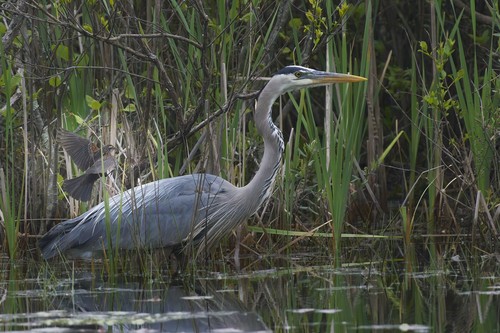
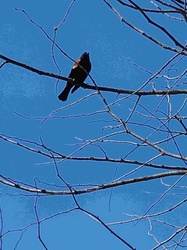
Red-winged Blackbird identified by the community
Real birds identified with Bird Identifier.
Other birds you may enjoy
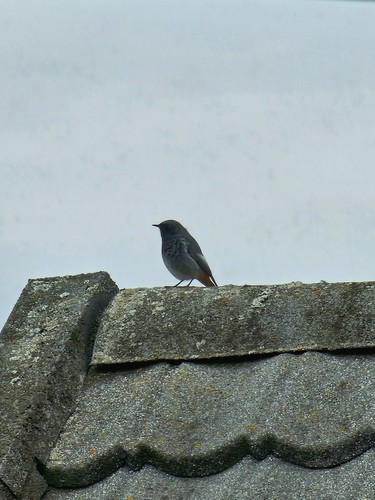
Black Redstart
13-14.5 cm (5.1-5.7 in) long, 23-26 cm wingspan
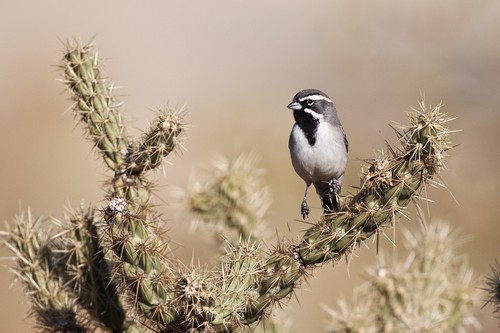
Black-throated Sparrow
12-14 cm (4.7-5.5 in) long, about 19-20 cm (7.5-8 in) wingspan
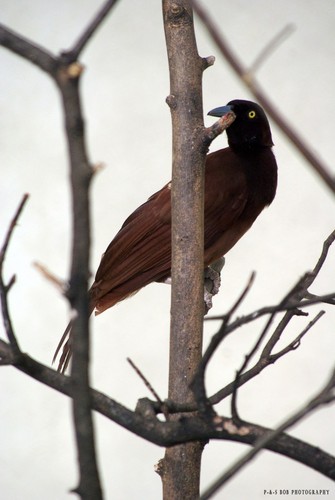
Greater Bird-of-paradise
Body about 43 cm; males with additional flank plumes up to 50 cm and long tail wires
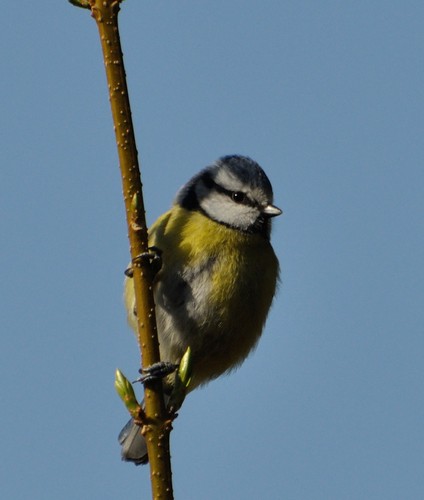
Blue Tit
11-12 cm (4.3-4.7 in) long, 17-20 cm wingspan
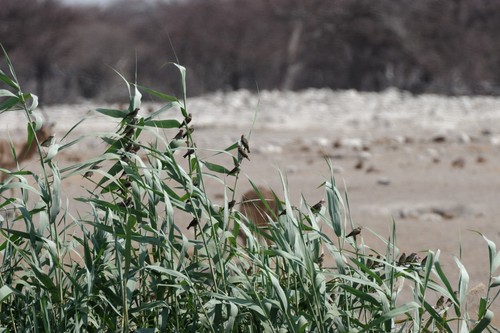
Red-billed Quelea
11.5–13 cm long, wingspan about 20–22 cm
White-plumed Antbird
13-14 cm (5-5.5 in) long
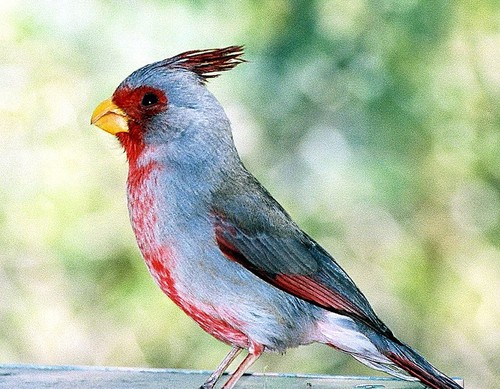
Pyrrhuloxia
19-22 cm (7.5-8.7 in) long, 30 cm wingspan
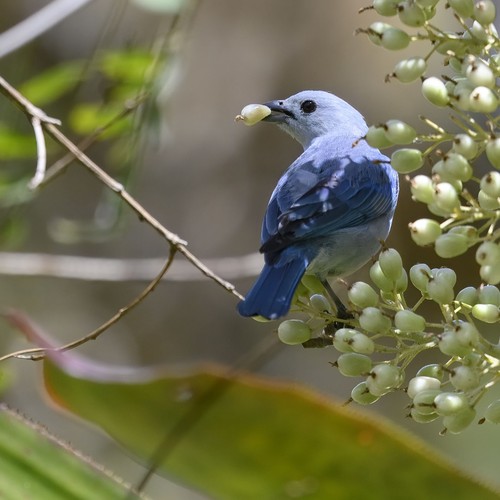
Blue-gray Tanager
16-18 cm (6-7 in) long
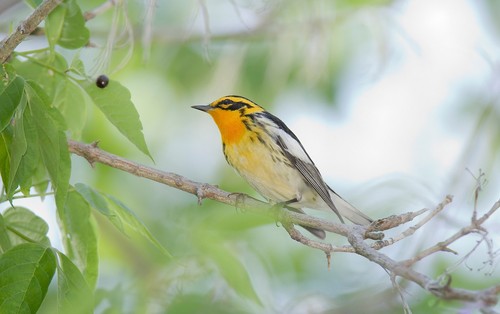
Blackburnian Warbler
11-13 cm (4.3-5.1 in) long, 20-22 cm wingspan
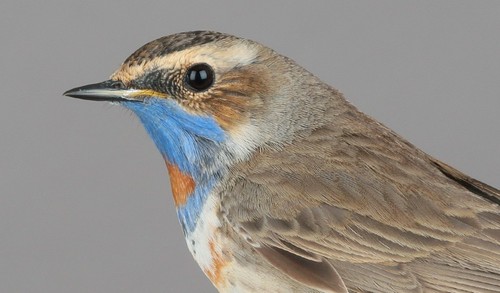
Bluethroat
13-14 cm (5.1-5.5 in) long, 20-22 cm wingspan
Eurasian Nuthatch
12-14.5 cm (4.7-5.7 in) long, 22.5-27 cm wingspan
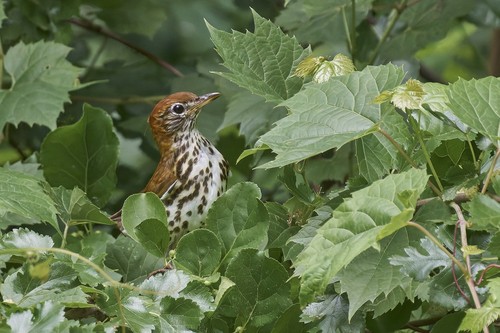
Wood Thrush
19-21 cm (7.5-8.3 in) long, about 33 cm (13 in) wingspan