
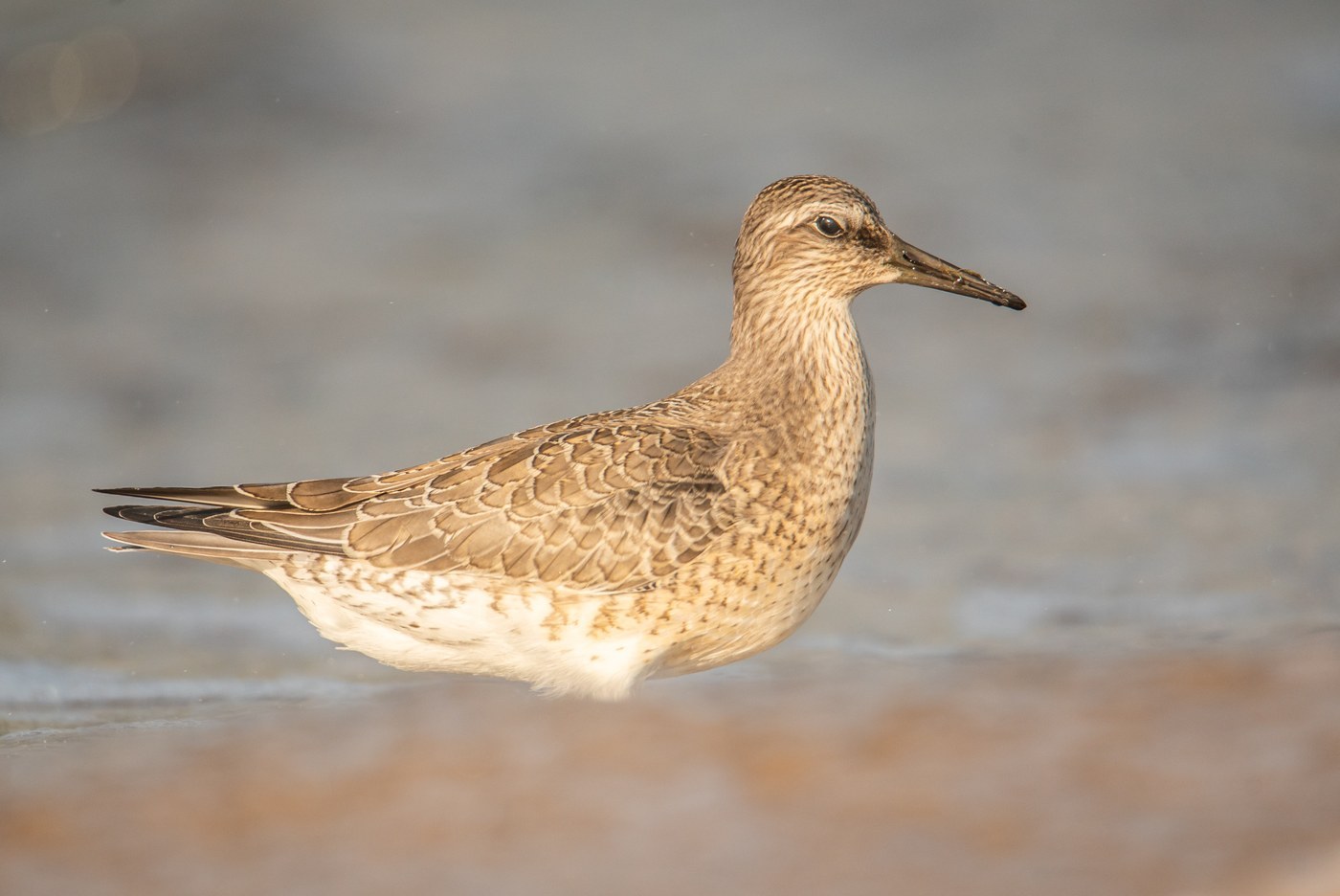
Red Knot
Calidris canutus
A chunky, robust sandpiper renowned for one of the longest migrations of any bird, famously refueling on horseshoe crab eggs at Delaware Bay.
- Size
- 23-26 cm (9-10 in) long, 47-53 cm wingspan
- Habitat
- coastal mudflats and beaches, breeding on high Arctic tundra
- Type
- shorebird
Spotted a bird like this?
Identify any bird from a photo, free.
Overview
The Red Knot is a medium-large, thickset sandpiper with a short, straight bill and relatively short legs, giving it a stocky, compact silhouette quite different from the more delicate build of many other shorebirds.
In breeding plumage, the face, neck, and underparts turn a warm brick-red to salmon color, while the upperparts remain mottled gray, black, and rufous. Nonbreeding birds are much plainer, pale gray above and white below.
Red Knots are famous among ornithologists and conservationists for their extraordinary long-distance migrations, with some populations flying from the southern tip of South America to the high Arctic and back each year.
How to identify it
Key field marks
- Chunky, thickset body with a short, straight bill
- Short legs relative to body size compared to other sandpipers
- Brick-red to salmon face, neck, and underparts in breeding plumage
- Plain gray upperparts, white underparts in nonbreeding plumage
- Often seen in large, dense flocks at key stopover sites
Similar species
- Dunlin: smaller and slimmer with a longer, drooped bill.
- Dowitchers: longer, straighter bills used for a distinctive up-and-down "sewing machine" probing action, different overall shape.
- Ruff (nonbreeding): longer necked and legged, smaller head, less bulky overall.
Habitat & range
Habitat
Red Knots use coastal mudflats and sandy beaches, particularly estuaries and bays with abundant invertebrate prey, both during migration stopovers and on the wintering grounds.
Range and migration
They breed on high Arctic tundra in a circumpolar distribution. Some populations, especially the rufa subspecies of the Americas, undertake one of the longest migrations of any bird, traveling from wintering grounds in Tierra del Fuego at the southern tip of South America to Arctic breeding grounds, a round trip of many thousands of miles each year.
Behavior & voice
Behavior
Red Knots are highly social, gathering in dense, coordinated flocks at key stopover and wintering sites, where they roost and feed together in large numbers.
Voice
Calls include a low, muted "knut" or "whit," from which the species' common name may derive, along with softer contact notes in flocks.
Feeding
During migration, Red Knots famously time their stopover at Delaware Bay in the eastern United States to coincide with the spawning of horseshoe crabs, gorging on the crabs' protein-rich eggs to fuel the final leg of their journey to the Arctic; at other times they feed on small mollusks and crustaceans on mudflats and beaches.
Nesting and breeding
Pairs nest on the ground on open Arctic tundra, laying a clutch of typically four eggs in a shallow, sparsely lined scrape; both parents share incubation, though the female often departs before the young fledge, leaving the male to guard them.
Frequently asked questions
Why is the Red Knot famous for its migration?
Some populations fly from wintering grounds at the southern tip of South America all the way to Arctic breeding grounds and back each year, one of the longest migrations of any bird.
What is the connection between Red Knots and horseshoe crabs?
Migrating Red Knots time their stopover at places like Delaware Bay to coincide with horseshoe crab spawning, feeding heavily on the crabs' eggs to build fat reserves for the final push to the Arctic.
How can you identify a Red Knot?
Look for a chunky, short-billed, short-legged sandpiper with brick-red to salmon underparts in breeding plumage, or plain gray upperparts and white underparts in winter.
Why is the Red Knot considered Near Threatened?
Populations, especially the rufa subspecies, have declined significantly, partly linked to reduced availability of horseshoe crab eggs at key migratory stopover sites.
Where do Red Knots breed?
On high Arctic tundra in a circumpolar distribution across northern North America, Greenland, and Siberia.
Red Knot guides
In-depth guides for identifying, finding, and understanding Red Knot.
Other birds you may enjoy
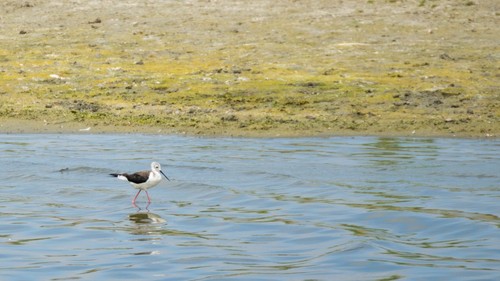
Black-winged Stilt
33-36 cm (13-14 in) long, wingspan 67-83 cm
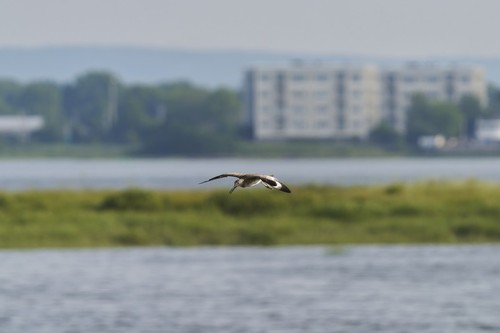
Willet
33-41 cm (13-16 in) long, 65-70 cm wingspan
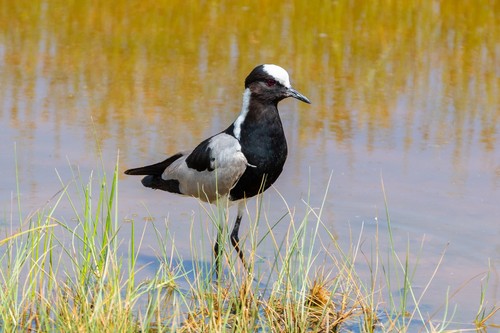
Blacksmith Lapwing
Body length about 30 cm; wingspan 55-65 cm
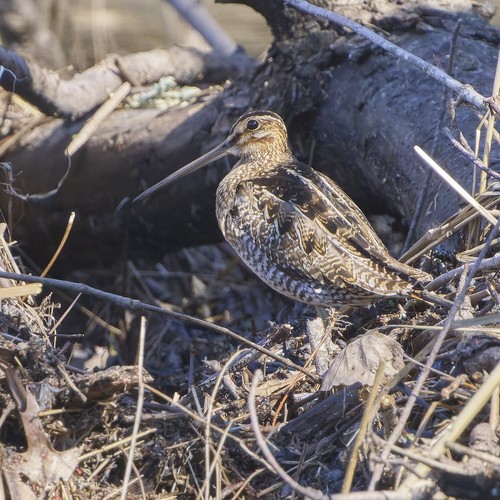
Wilson's Snipe
25-30 cm (10-12 in) long, 39-45 cm wingspan
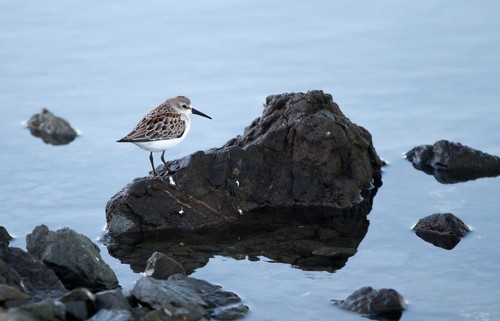
Western Sandpiper
14-17 cm (5.5-6.7 in) long, 28-37 cm wingspan
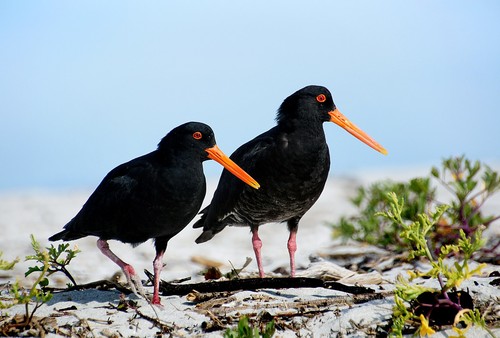
Variable Oystercatcher
46-49 cm (18-19 in) long
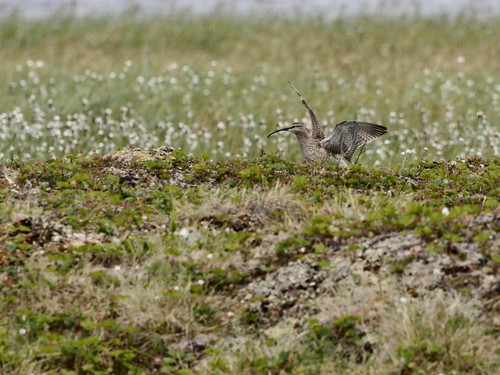
Whimbrel
40-46 cm (16-18 in) long, 76-89 cm wingspan
Wilson's Phalarope
22-24 cm (8.5-9.5 in) long, 37-43 cm wingspan
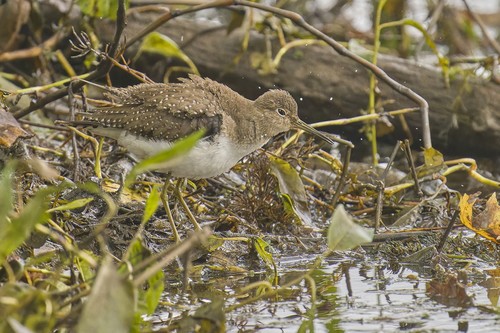
Solitary Sandpiper
19-23 cm (7.5-9 in) long, 50-56 cm wingspan
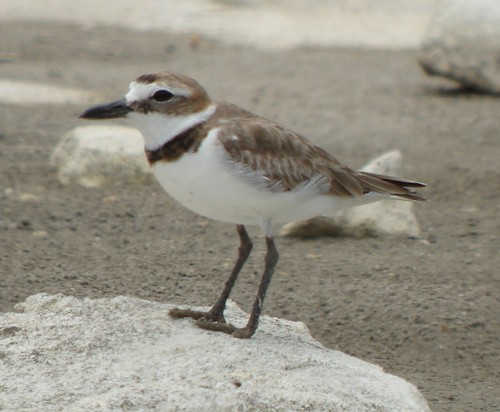
Wilson's Plover
17-19 cm (6.7-7.5 in) long, 45-50 cm wingspan
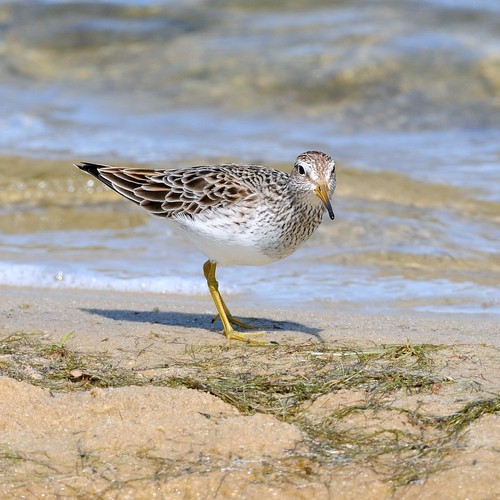
Pectoral Sandpiper
19-23 cm (7.5-9 in) long, 43-49 cm wingspan
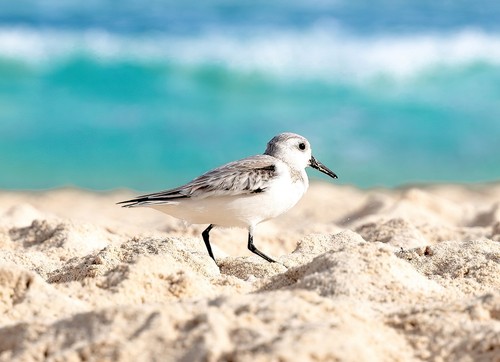
Sanderling
18-20 cm (7-8 in) long, 40-43 cm wingspan