
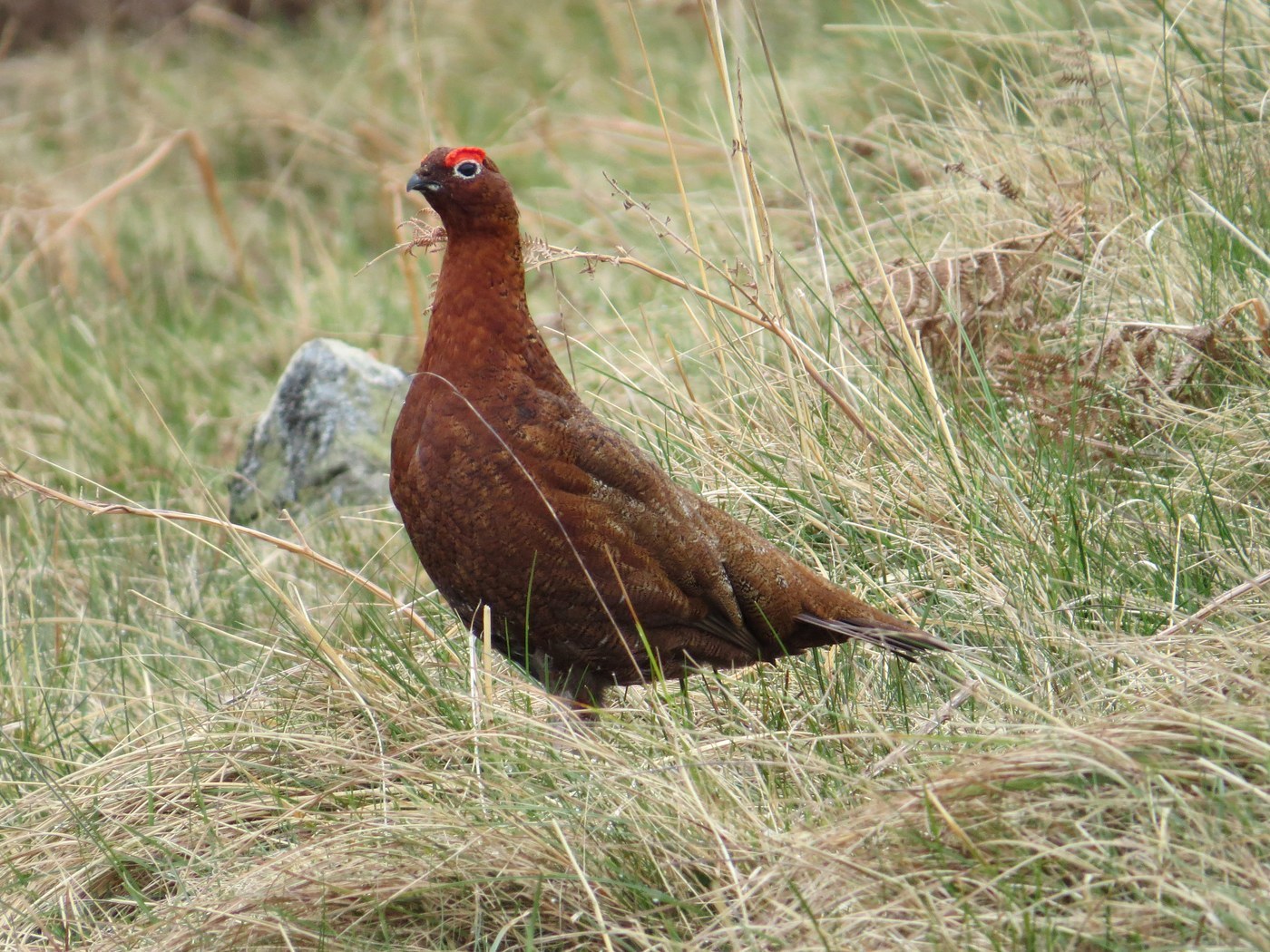
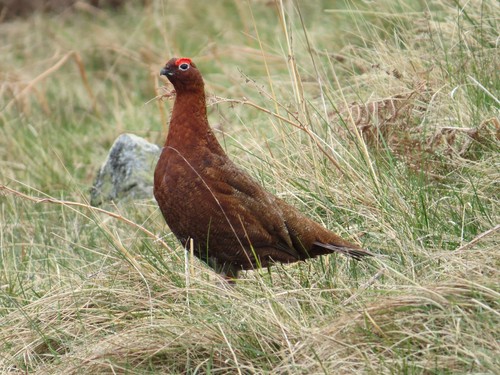
Red Grouse
Lagopus lagopus scotica
A reddish-brown grouse of British and Irish heather moorland, a distinctive subspecies of the Willow Ptarmigan found nowhere else.
- Size
- 37-42 cm (15-16.5 in) long, 55-66 cm wingspan
- Habitat
- heather moorland of Britain and Ireland
- Type
- gamebird
Spotted a bird like this?
Identify any bird from a photo, free.
Overview
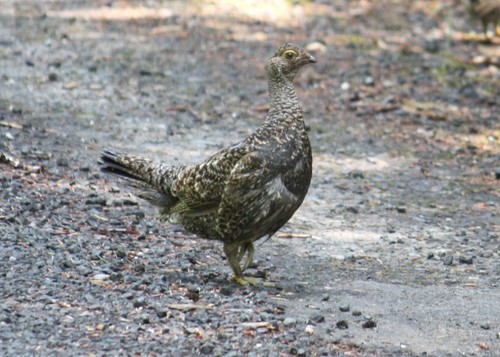
The Red Grouse is a plump, russet-red gamebird of heather moorland, with warm reddish-brown, finely barred plumage overall, feathered legs and feet for insulation against cold, and a small red wattle above the eye that is especially prominent in males during display.
It is generally treated as a distinctive British and Irish subspecies of the Willow Ptarmigan, differing from the nominate Arctic form by lacking the white winter plumage typical of ptarmigan further north, remaining a rich rufous-brown year-round.
How to identify it
Key field marks
- Rich reddish-brown, barred plumage
- Red wattle ("comb") over the eye, larger and brighter in males
- Feathered legs and feet
- Explosive, low whirring flight when flushed from heather
- Distinctive "go-back, go-back, go-back" call
Similar species
- Black Grouse males are unmistakably black with a lyre-shaped tail; females are greyer and larger than Red Grouse.
- Ptarmigan (found on high mountain tops in Scotland) turns white in winter, unlike Red Grouse.
Its rich rufous coloring and restriction to heather moorland make the Red Grouse distinctive within its range.
Habitat & range
Habitat
Almost entirely restricted to upland heather moorland, particularly areas managed with rotational burning to provide a mix of young shoots for feeding and taller heather for cover.
Range
Endemic as a subspecies to Britain and Ireland, found across upland moorland in Scotland, northern England, Wales, and Ireland.
Migration
Resident and highly sedentary, rarely moving far from natal moorland.
Behavior & voice
Behavior
Strongly territorial, especially in spring when males display and call from prominent moorland perches to defend territory and attract mates; flushes with a fast, whirring, low flight over the heather.
Voice
The well-known call is a loud, guttural "go-back, go-back, go-back", given especially by territorial males.
Feeding
Feeds mainly on the shoots, flowers, and seeds of heather, supplemented by berries; chicks rely more on insects in early life.
Nesting and breeding
Nests in a shallow scrape hidden within heather. Females lay 6-9 eggs, incubated alone for about 19-25 days, with chicks able to leave the nest and feed themselves soon after hatching.
Frequently asked questions
Is the Red Grouse a distinct species?
It is usually classified as a British and Irish subspecies of the Willow Ptarmigan, distinguished by not turning white in winter.
What does the Red Grouse call sound like?
A loud, guttural "go-back, go-back, go-back", often given by territorial males from moorland perches.
Where does the Red Grouse live?
Almost exclusively on heather moorland in the uplands of Britain and Ireland.
What do Red Grouse eat?
Mainly heather shoots, flowers, and seeds, plus berries, while chicks eat more insects.
Red Grouse guides
In-depth guides for identifying, finding, and understanding Red Grouse.
Other birds you may enjoy
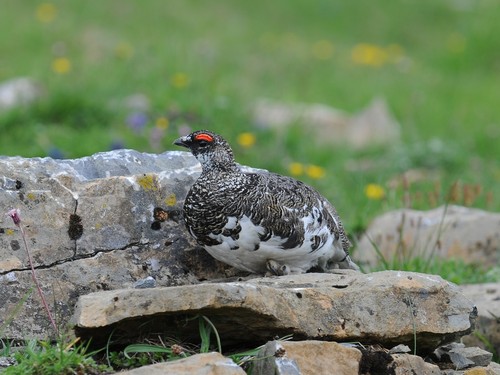
Rock Ptarmigan
34-36 cm (13-14 in) long
Congo Peafowl
Males about 64-70 cm long; females slightly smaller; no elaborate train
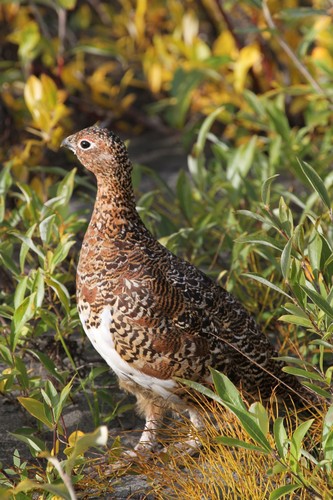
Willow Ptarmigan
37-42 cm (15-16.5 in) long
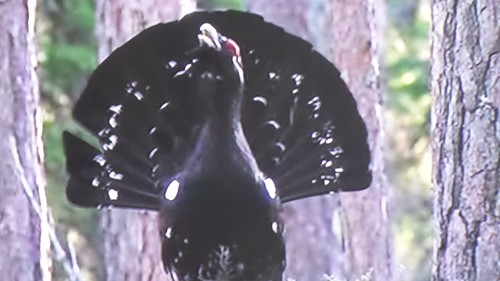
Western Capercaillie
male 74-90 cm (29-35 in), female 54-64 cm; male wingspan up to 125-130 cm
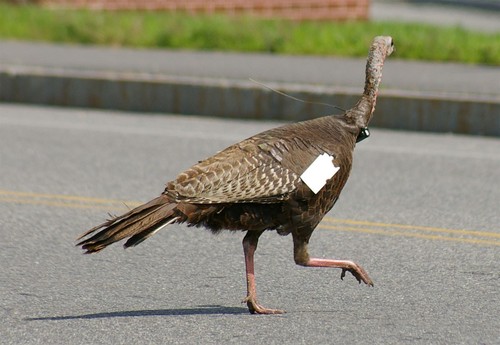
Wild Turkey
males 100-125 cm (39-49 in) long; females smaller, around 76-95 cm (30-37 in)
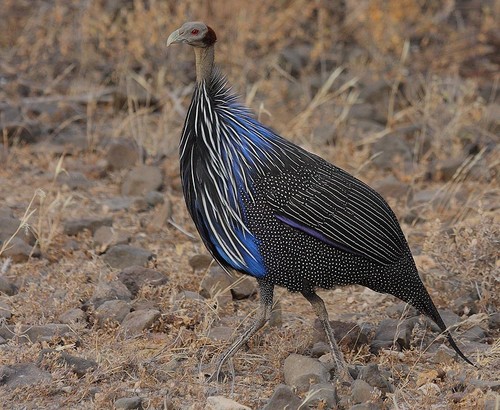
Vulturine Guineafowl
Length 61-71 cm, the largest guineafowl species, with a notably long neck and tail
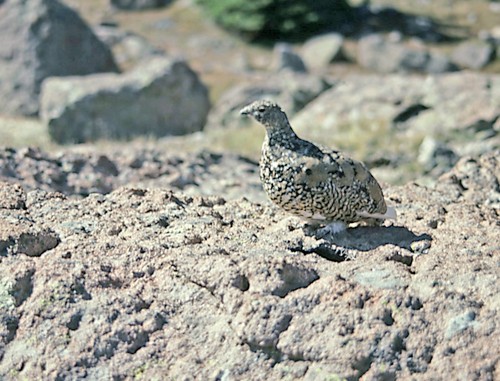
White-tailed Ptarmigan
30-33 cm (12-13 in) long; the smallest ptarmigan species
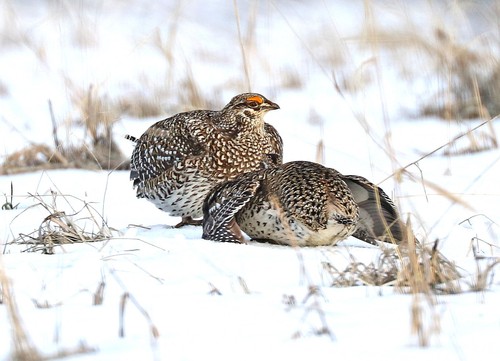
Sharp-tailed Grouse
38-48 cm (15-19 in) long
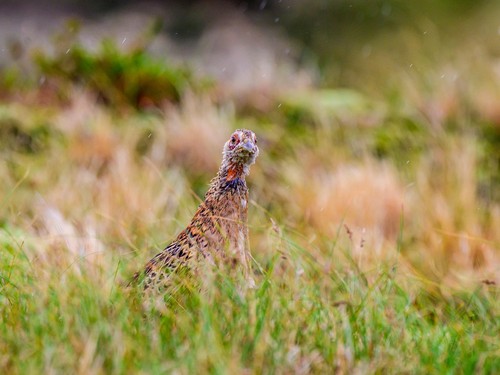
Ring-necked Pheasant
males 76-90 cm (30-35 in) long including a long tail; females smaller, 55-65 cm (22-26 in)
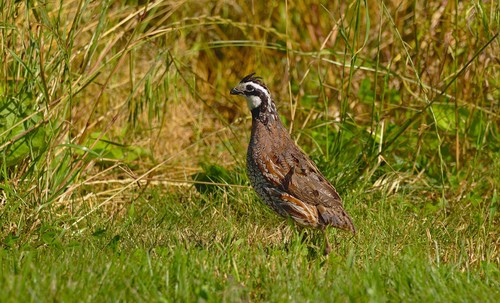
Northern Bobwhite
24-28 cm (9.5-11 in) long, 33-38 cm wingspan
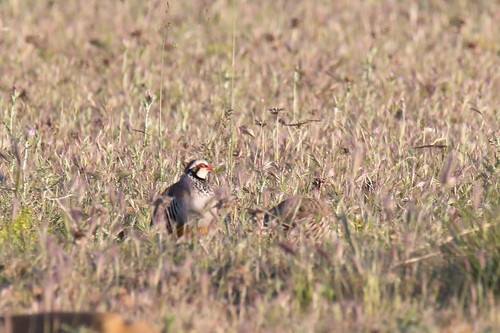
Red-legged Partridge
32-34 cm (13 in) long, 47-50 cm wingspan
Sooty Grouse
43-48 cm (17-19 in) long; males larger than females