
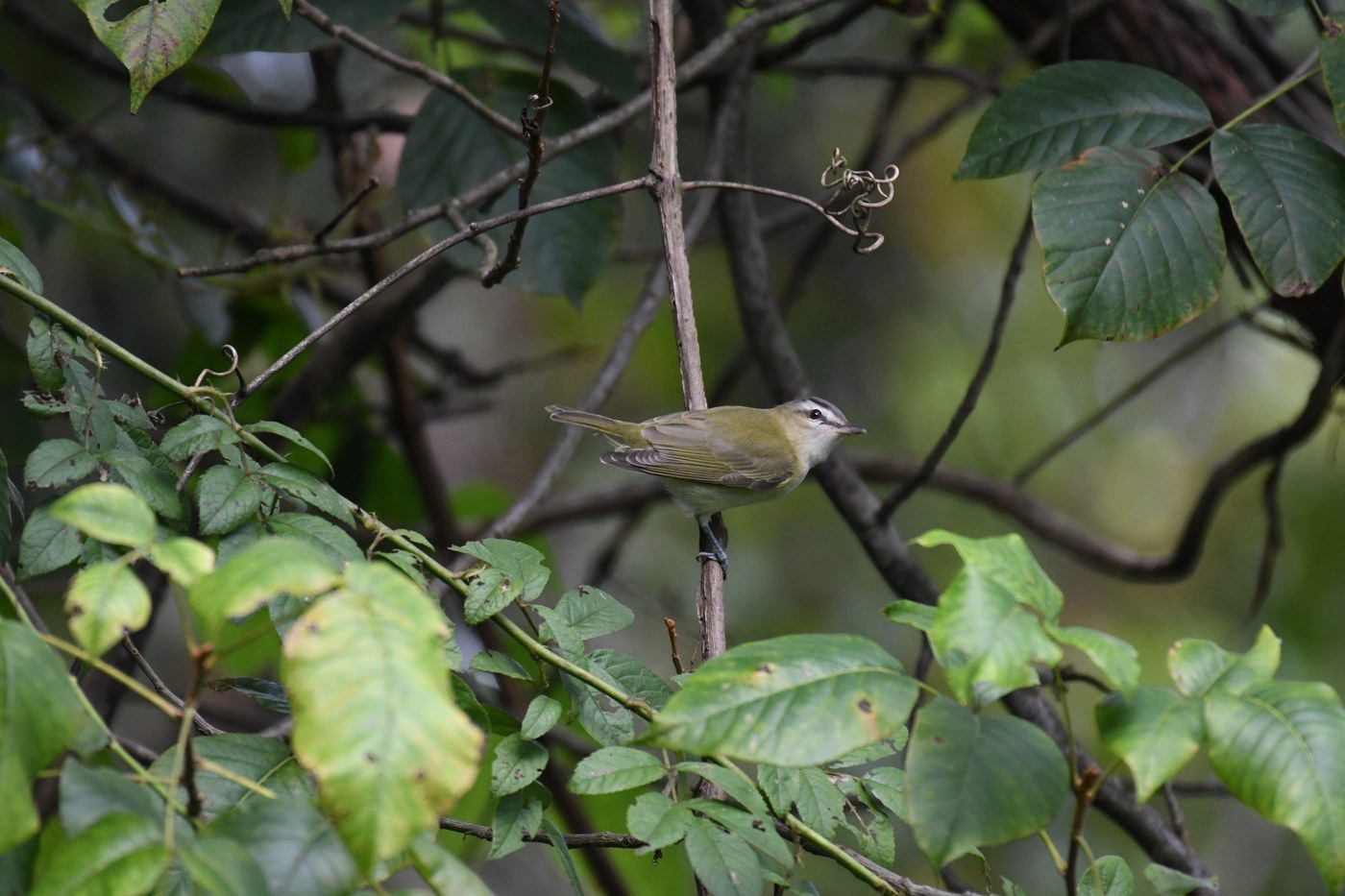
Red-eyed Vireo
Vireo olivaceus
A tireless singer of eastern and northern forests, nicknamed the 'preacher bird' for its endless repeated phrases, with a gray cap, white eyebrow, and red eye.
- Size
- 12-13 cm (5 in) long, 22-25 cm wingspan
- Habitat
- deciduous and mixed forests across North America; winters in the Amazon basin
- Type
- songbird
Spotted a bird like this?
Identify any bird from a photo, free.
Overview
The Red-eyed Vireo is a small, plainly colored songbird best known not for its looks but for its extraordinary vocal endurance—males can sing thousands of short phrases in a single day, even through midday heat when most other birds fall silent. It is olive-green above and clean white below, with a distinctive head pattern: a blue-gray crown bordered by black lines, a bold white eyebrow stripe, and a dark line through the eye. Adults have a deep red iris, though this can be hard to see in the field and is brown in juveniles.
Despite being one of the most numerous songbirds in eastern North American forests during summer, its habit of staying high in the leafy canopy means it is heard far more often than seen.
How to identify it
Key field marks
- Gray crown bordered by black lines, bold white eyebrow stripe
- Dark eye line, red eye in adults (brown in juveniles)
- Olive-green back, clean white underparts
- No wing bars
Similar species
- Warbling Vireo: duller, less contrasty face pattern, dark eye, no black border on the crown.
- Philadelphia Vireo: yellow wash on the underparts, dark eye, less bold eyebrow.
- Blue-headed Vireo: bold white spectacles (not just an eyebrow), blue-gray head contrasting sharply with white throat, wing bars present.
Habitat & range
Range and habitat
Red-eyed Vireo breeds across most of Canada and the eastern and northern United States in deciduous and mixed forests, favoring leafy canopy with a fairly open understory. It is one of the most abundant breeding songbirds across much of its range.
Migration
A long-distance migrant, wintering primarily in the Amazon basin of South America—one of the longest migrations of any North American songbird.
Behavior & voice
Behavior
Red-eyed Vireos forage methodically and somewhat slowly through the mid- to upper canopy, gleaning insects and caterpillars from leaves; they are less active and flitty than warblers.
Voice
The song is a monotonous, endlessly repeated series of short robin-like phrases, often described as the bird asking and answering questions: "Here I am... where are you... over here... see me?" It can be sung thousands of times a day, earning the nickname "preacher bird."
Feeding
Caterpillars and other insects make up the bulk of the summer diet; the birds shift toward berries and small fruit in fall to fuel migration.
Nesting and breeding
Builds a neat hanging cup nest suspended from a forked branch, well concealed in foliage. The female incubates 3-4 eggs for about 12-14 days; Red-eyed Vireo nests are frequent targets of Brown-headed Cowbird parasitism.
Frequently asked questions
Why is the Red-eyed Vireo called the 'preacher bird'?
Because males sing an endless series of short repeated phrases—sometimes thousands per day—as if delivering a nonstop sermon.
How can you tell a Red-eyed Vireo from a Warbling Vireo?
Red-eyed Vireo has a bolder face pattern with a gray crown bordered in black and a red eye, while Warbling Vireo is plainer-faced with a dark eye and no black crown border.
Where do Red-eyed Vireos go in winter?
They migrate to the Amazon basin of South America, one of the longest migrations of any North American songbird.
What do Red-eyed Vireos eat?
Mostly caterpillars and other insects during the breeding season, switching to berries and fruit in fall.
Red-eyed Vireo guides
In-depth guides for identifying, finding, and understanding Red-eyed Vireo.
Other birds you may enjoy
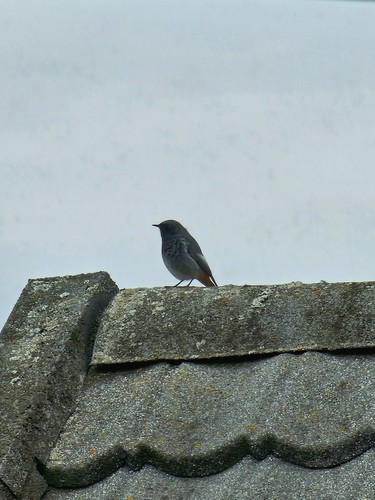
Black Redstart
13-14.5 cm (5.1-5.7 in) long, 23-26 cm wingspan
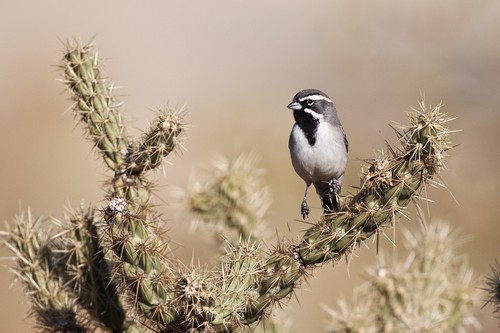
Black-throated Sparrow
12-14 cm (4.7-5.5 in) long, about 19-20 cm (7.5-8 in) wingspan
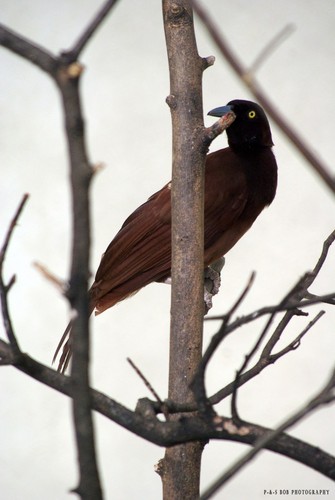
Greater Bird-of-paradise
Body about 43 cm; males with additional flank plumes up to 50 cm and long tail wires
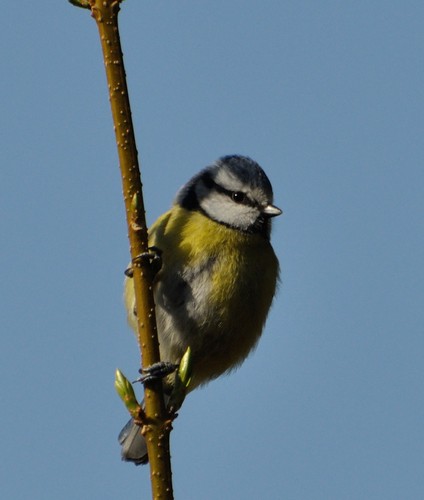
Blue Tit
11-12 cm (4.3-4.7 in) long, 17-20 cm wingspan

Red-billed Quelea
11.5–13 cm long, wingspan about 20–22 cm
White-plumed Antbird
13-14 cm (5-5.5 in) long
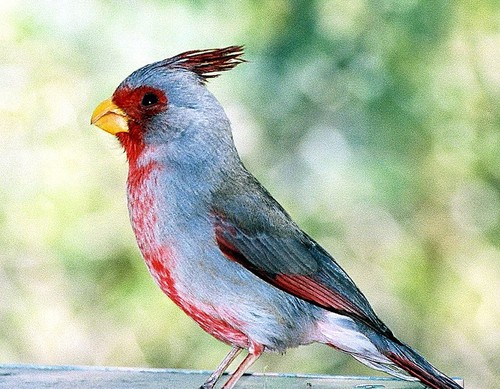
Pyrrhuloxia
19-22 cm (7.5-8.7 in) long, 30 cm wingspan
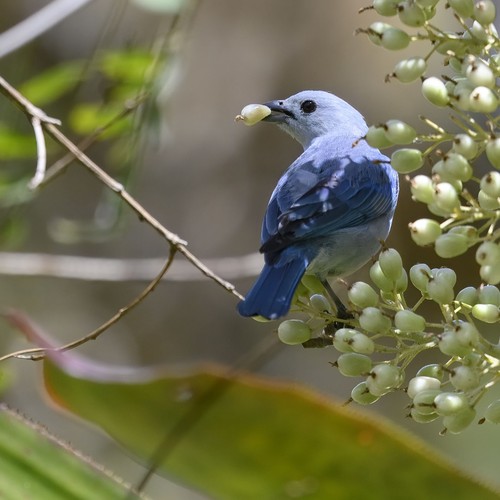
Blue-gray Tanager
16-18 cm (6-7 in) long
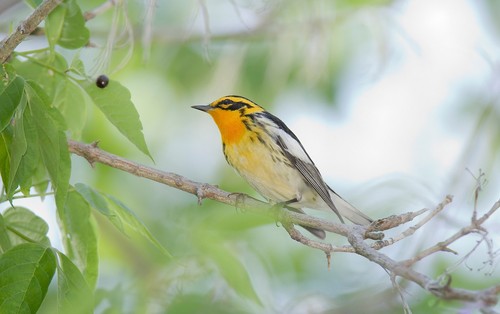
Blackburnian Warbler
11-13 cm (4.3-5.1 in) long, 20-22 cm wingspan
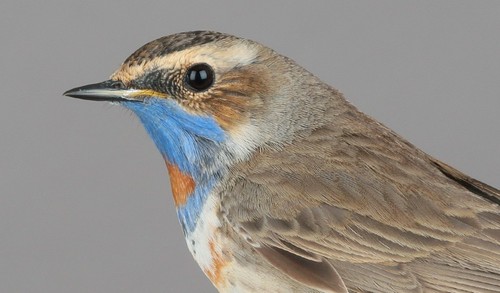
Bluethroat
13-14 cm (5.1-5.5 in) long, 20-22 cm wingspan
Eurasian Nuthatch
12-14.5 cm (4.7-5.7 in) long, 22.5-27 cm wingspan
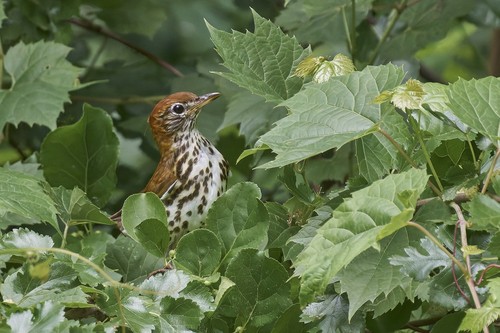
Wood Thrush
19-21 cm (7.5-8.3 in) long, about 33 cm (13 in) wingspan