
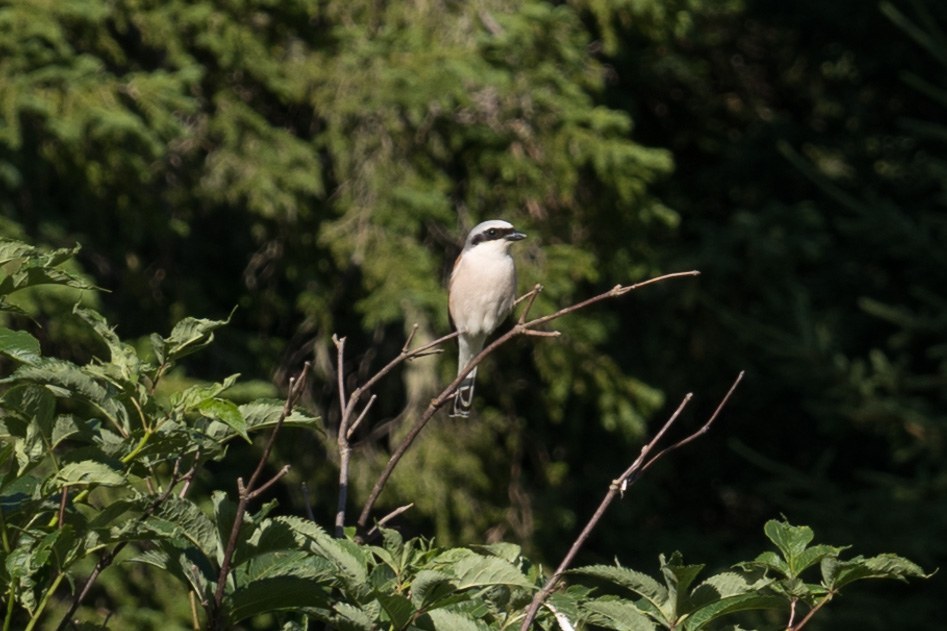
Red-backed Shrike
Lanius collurio
A small predatory songbird known for impaling prey on thorns, with a chestnut back and a bold black highwayman's mask.
- Size
- 16-18 cm (6-7 in) long, 24-27 cm wingspan
- Habitat
- open farmland, heathland, and scrub with thorny bushes and hedgerows
- Type
- songbird
Spotted a bird like this?
Identify any bird from a photo, free.
Overview
The Red-backed Shrike is a compact, thickset songbird that punches well above its weight as a predator. Despite its small size, it hunts like a miniature bird of prey, perching conspicuously on wires, fence posts, and the tops of bushes while scanning for insects and small vertebrates.
The breeding male is unmistakable: a soft blue-grey crown and nape, a rich chestnut-brown back, and a broad black mask running through the eye, set off against pale pinkish-buff underparts. Females and juveniles are far duller, with warm brown upperparts and fine dark crescent-shaped barring across the breast and flanks, giving them a scaly appearance.
Red-backed Shrikes are famous for their habit of impaling prey items on thorns or barbed wire to create a "larder," a behavior that has earned shrikes the nickname "butcher birds."
How to identify it
Key field marks
- Male: grey head, black eye-mask, chestnut-red back, pinkish-white underparts, and a black-and-white tail
- Female/juvenile: brown above with dense scaly barring below, lacking the male's grey head and black mask
- Stocky build with a strongly hooked bill tip, adapted for tearing prey
- Often perches upright and alert on an exposed twig, wire, or fence post
Similar species
The male is distinctive, but females can be confused with juvenile Woodchat Shrikes or Lesser Grey Shrikes. The Woodchat Shrike shows a chestnut crown (not a chestnut back) and white wing patches, while the Lesser Grey Shrike is larger, greyer overall, with a black mask extending across the forehead.
Habitat & range
Range
Breeds across most of Europe and temperate western Asia, from Britain and France (now rare in the far west) east to Mongolia. It is a long-distance migrant, wintering in savanna and bushland of eastern and southern Africa.
Habitat
Favors open countryside with scattered thorny bushes, hedgerows, orchards, and rough grassland where it can hunt from exposed perches. Avoids dense forest and treeless farmland alike, needing a mix of open ground for hunting and thorny scrub for nesting and food storage.
Migration
An impressive long-distance migrant, some individuals travel over 10,000 km between European breeding grounds and African wintering areas, often following a loop migration route through the eastern Mediterranean and Arabian Peninsula.
Behavior & voice
Behavior
A sit-and-wait predator, the Red-backed Shrike watches from a perch before dropping onto prey on the ground or snatching insects in flight. It caches surplus food by impaling it on thorns, spines, or barbed wire, both to store food and to make large or toxic prey easier to handle.
Voice
The song is a soft, scratchy warble that often incorporates mimicry of other bird species. The call is a harsh, chattering "chack-chack," used as an alarm.
Feeding
Diet consists mainly of large insects (beetles, grasshoppers, bumblebees) supplemented with small lizards, frogs, mice, and occasionally nestling birds, especially when feeding young.
Nesting and breeding
Builds a bulky cup nest of grass, moss, and roots low in a thorny bush. Clutches typically number 4-6 eggs, incubated mainly by the female for about 2 weeks, with both parents feeding the chicks.
Frequently asked questions
Why is the Red-backed Shrike called a butcher bird?
It impales insects and small vertebrates on thorns or barbed wire to store food and make prey easier to tear apart, a habit shared with other shrikes.
How can I tell a male from a female Red-backed Shrike?
Males have a grey head, chestnut back, and bold black eye-mask; females and juveniles are plain brown with scaly barring on the underparts.
Where does the Red-backed Shrike spend the winter?
It migrates to savanna and bushland habitats in eastern and southern Africa, undertaking one of the longer migrations of any European songbird.
What does the Red-backed Shrike eat?
Mainly large insects such as beetles and grasshoppers, but also small lizards, rodents, and occasionally small birds.
Red-backed Shrike guides
In-depth guides for identifying, finding, and understanding Red-backed Shrike.
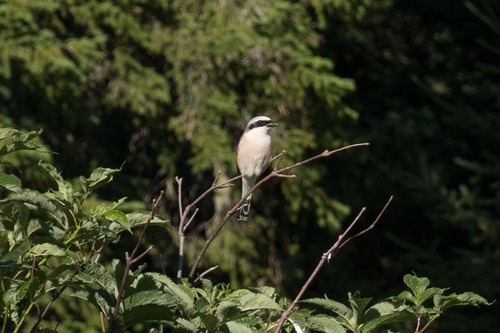
Red-backed Shrike identified by the community
Real birds identified with Bird Identifier.
Other birds you may enjoy
Black Redstart
13-14.5 cm (5.1-5.7 in) long, 23-26 cm wingspan
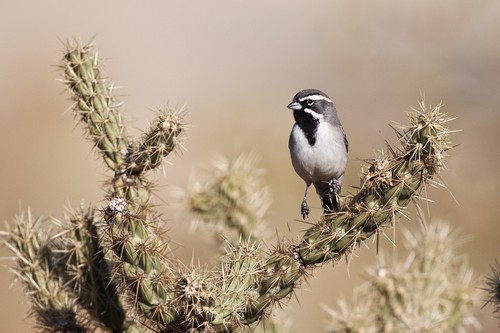
Black-throated Sparrow
12-14 cm (4.7-5.5 in) long, about 19-20 cm (7.5-8 in) wingspan
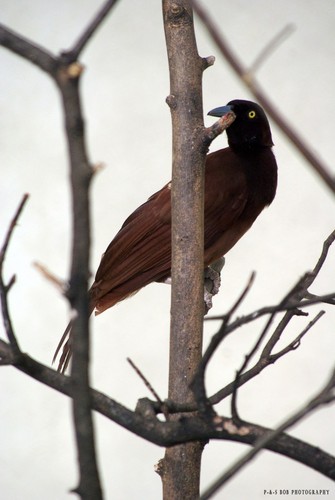
Greater Bird-of-paradise
Body about 43 cm; males with additional flank plumes up to 50 cm and long tail wires
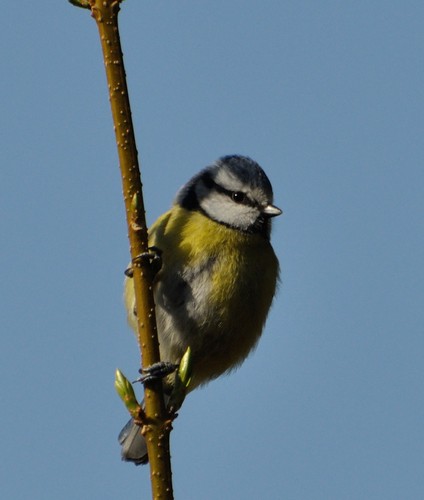
Blue Tit
11-12 cm (4.3-4.7 in) long, 17-20 cm wingspan
Red-billed Quelea
11.5–13 cm long, wingspan about 20–22 cm
White-plumed Antbird
13-14 cm (5-5.5 in) long
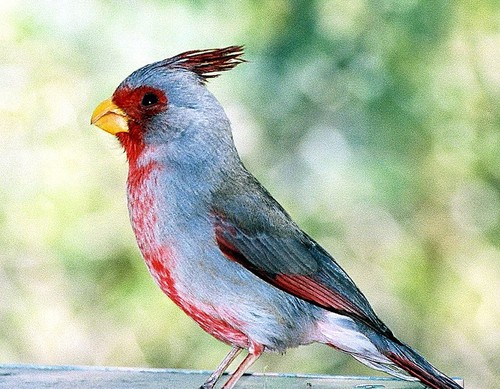
Pyrrhuloxia
19-22 cm (7.5-8.7 in) long, 30 cm wingspan
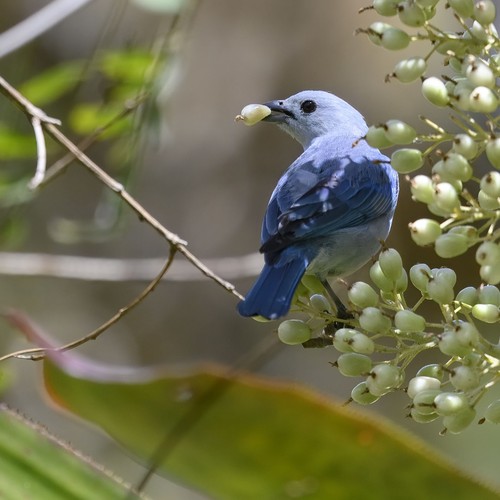
Blue-gray Tanager
16-18 cm (6-7 in) long
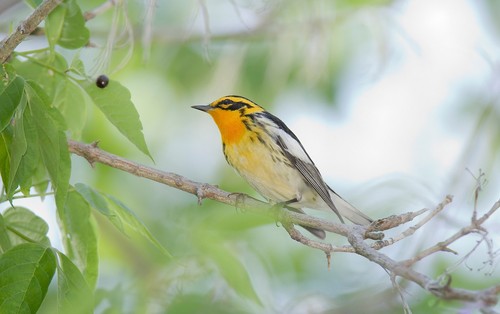
Blackburnian Warbler
11-13 cm (4.3-5.1 in) long, 20-22 cm wingspan
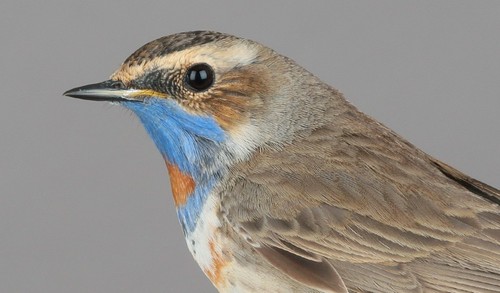
Bluethroat
13-14 cm (5.1-5.5 in) long, 20-22 cm wingspan
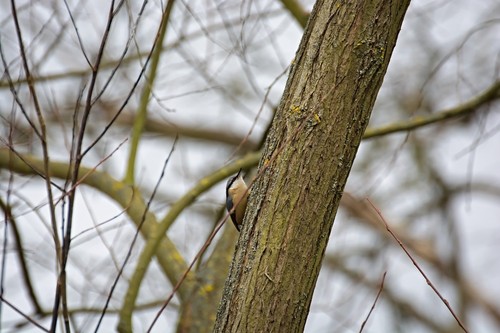
Eurasian Nuthatch
12-14.5 cm (4.7-5.7 in) long, 22.5-27 cm wingspan
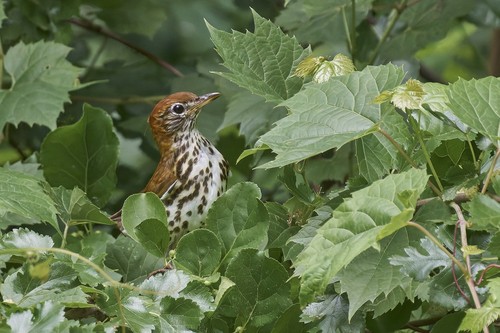
Wood Thrush
19-21 cm (7.5-8.3 in) long, about 33 cm (13 in) wingspan