
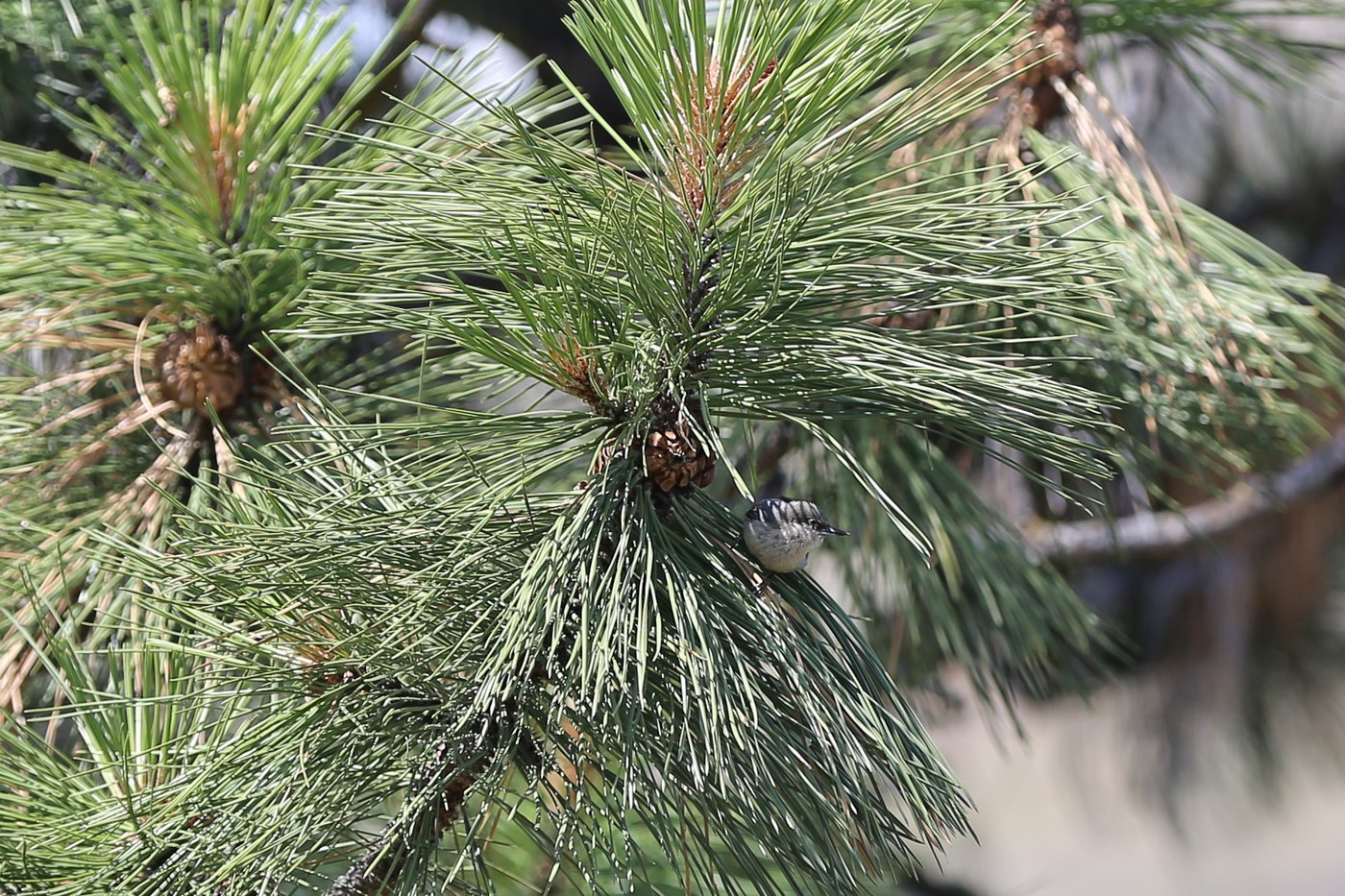
Pygmy Nuthatch
Sitta pygmaea
A tiny, highly social nuthatch of western pine forests, notable for cooperative breeding with helper birds at the nest.
- Size
- 10-11 cm (3.9-4.3 in) long, 18-19 cm wingspan
- Habitat
- ponderosa pine and other open pine forests of the western United States and Mexico
- Type
- songbird
Spotted a bird like this?
Identify any bird from a photo, free.
Overview
The Pygmy Nuthatch is the smallest nuthatch in North America, a compact, energetic bird with a grayish-brown cap, blue-gray back, and pale buffy underparts, along with a short tail and the characteristic straight, chisel-like nuthatch bill. It is closely tied to open, mature ponderosa pine forest across the western United States and into Mexico, where it forages constantly on trunks and branches, often high in the canopy.
One of the most notable aspects of Pygmy Nuthatch biology is its cooperative breeding system: unlike most North American songbirds, unrelated or related "helper" birds — often male offspring from previous broods — assist a breeding pair in feeding young at the nest, a relatively rare behavior among temperate-zone birds.
How to identify it
Key Field Marks
- Very small size, smallest North American nuthatch
- Grayish-brown cap contrasting subtly with blue-gray back
- Pale buffy underparts
- Short tail, straight thin bill
- Often in noisy, active flocks high in pine canopy
Similar Species
- Brown-headed Nuthatch: very similar in size and shape but occurs in southeastern pine forests rather than western pines, with essentially no range overlap; has a slightly warmer brown cap.
- Red-breasted Nuthatch: shows a bold black eye stripe and rusty-orange underparts, quite different from the Pygmy Nuthatch's plain buffy underparts.
- White-breasted Nuthatch: larger, with a solid black cap and bright white face and underparts.
Habitat & range
Habitat
Pygmy Nuthatches are strongly associated with mature, open ponderosa pine forest, and to a lesser extent other pine species, favoring stands with large trees suitable for cavity nesting.
Range
The species ranges through the mountains of the western United States, from the Rockies, Cascades, and Sierra Nevada south through the Southwest and into the highlands of Mexico.
Migration
Pygmy Nuthatches are largely non-migratory, remaining resident within pine forest habitat year-round, sometimes forming large communal winter roosts in tree cavities to conserve heat.
Behavior & voice
Behavior
Highly social year-round, Pygmy Nuthatches forage in noisy, active flocks and roost communally in cavities during cold weather, sometimes with dozens of birds huddled together overnight to conserve warmth.
Voice
The call is a high-pitched, rapid "peep-peep" or piping chatter, often given continuously by foraging flocks; distinctive and useful for locating the species by ear.
Feeding
Diet includes insects and spiders gleaned from bark and needles, along with pine seeds, which are cached for later use, especially in winter.
Nesting
Pygmy Nuthatches nest in cavities, often excavated by the birds themselves in dead pine snags. Uniquely among North American songbirds, breeding pairs are frequently assisted by one or more helper birds — usually male relatives from earlier broods — that help feed the young. Clutches typically number 6-8 eggs.
Frequently asked questions
What is unusual about Pygmy Nuthatch breeding behavior?
They practice cooperative breeding, in which helper birds — often male offspring from a previous brood — assist a breeding pair in feeding nestlings, a behavior uncommon among North American songbirds.
Why do Pygmy Nuthatches roost together in winter?
Communal roosting in tree cavities, sometimes with dozens of birds, helps them conserve body heat during cold nights.
Where does the Pygmy Nuthatch live?
In mature, open ponderosa pine forests throughout the mountains of the western United States and into Mexico.
How do I tell a Pygmy Nuthatch from other nuthatches?
It is the smallest nuthatch, with a plain grayish-brown cap and buffy underparts, lacking the bold black eye stripe of the Red-breasted Nuthatch or the bright white face of the White-breasted Nuthatch.
What does the Pygmy Nuthatch eat?
Insects and spiders gleaned from bark and pine needles, along with pine seeds, which it caches for later use.
Pygmy Nuthatch guides
In-depth guides for identifying, finding, and understanding Pygmy Nuthatch.
Other birds you may enjoy
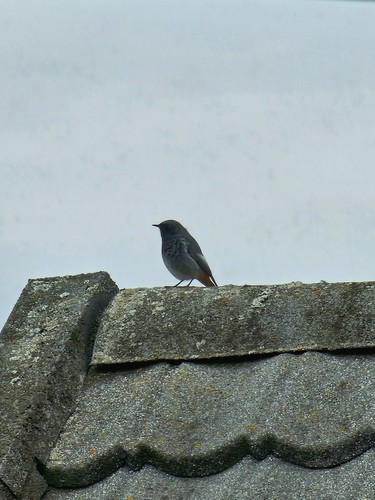
Black Redstart
13-14.5 cm (5.1-5.7 in) long, 23-26 cm wingspan
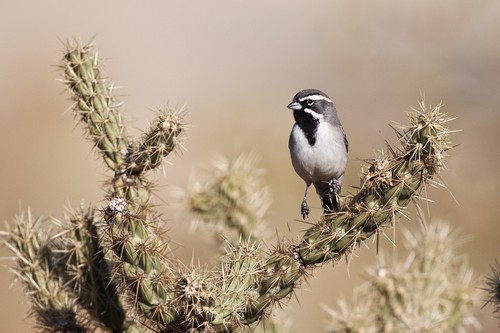
Black-throated Sparrow
12-14 cm (4.7-5.5 in) long, about 19-20 cm (7.5-8 in) wingspan
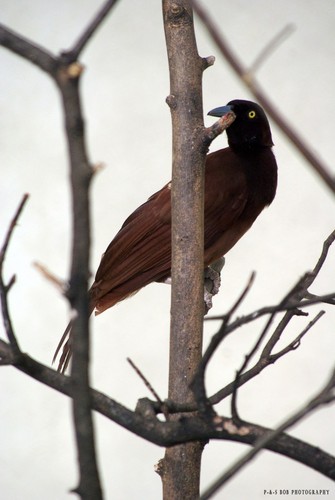
Greater Bird-of-paradise
Body about 43 cm; males with additional flank plumes up to 50 cm and long tail wires
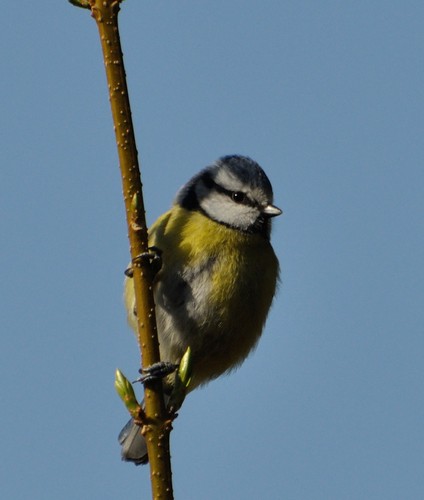
Blue Tit
11-12 cm (4.3-4.7 in) long, 17-20 cm wingspan
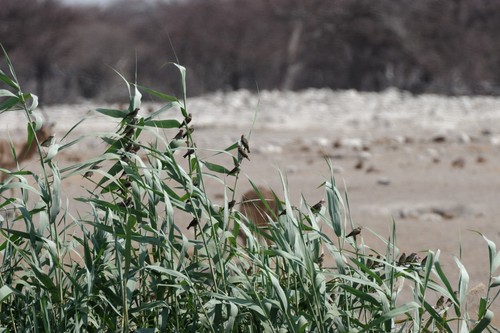
Red-billed Quelea
11.5–13 cm long, wingspan about 20–22 cm
White-plumed Antbird
13-14 cm (5-5.5 in) long
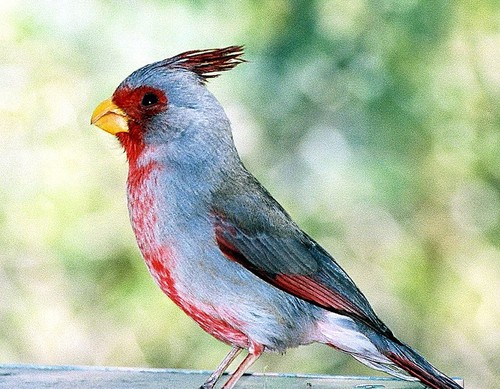
Pyrrhuloxia
19-22 cm (7.5-8.7 in) long, 30 cm wingspan
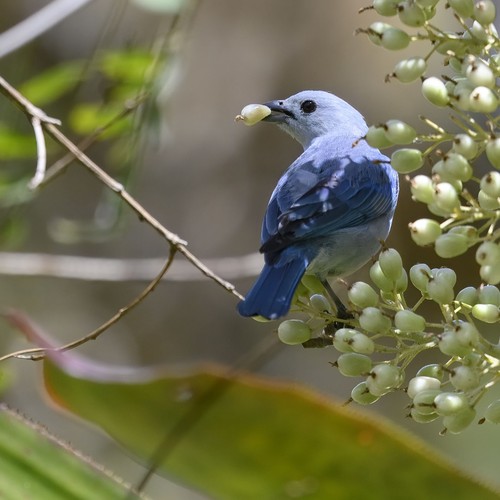
Blue-gray Tanager
16-18 cm (6-7 in) long
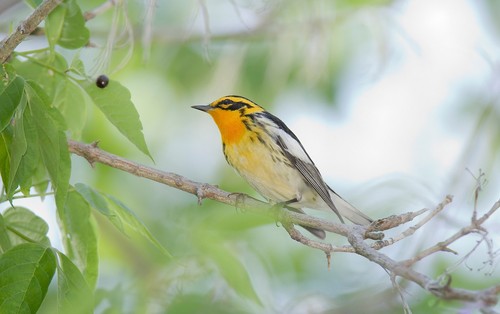
Blackburnian Warbler
11-13 cm (4.3-5.1 in) long, 20-22 cm wingspan
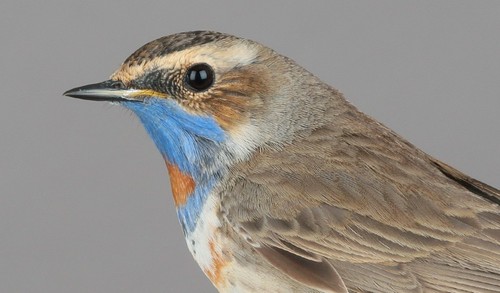
Bluethroat
13-14 cm (5.1-5.5 in) long, 20-22 cm wingspan
Eurasian Nuthatch
12-14.5 cm (4.7-5.7 in) long, 22.5-27 cm wingspan
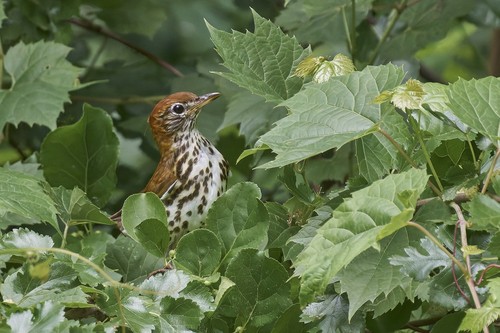
Wood Thrush
19-21 cm (7.5-8.3 in) long, about 33 cm (13 in) wingspan