
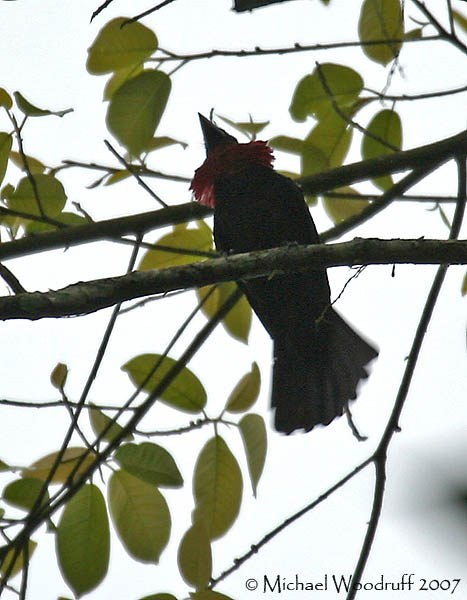
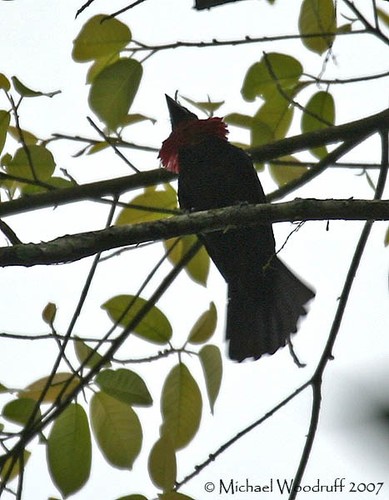
Purple-throated Fruitcrow
Querula purpurata
A social, all-black cotinga whose males flash a glossy magenta-purple throat patch, usually seen moving through the forest canopy in small groups.
- Size
- 25-28 cm (10-11 in) long
- Habitat
- canopy and mid-story of humid lowland forest
- Type
- songbird
Spotted a bird like this?
Identify any bird from a photo, free.
Overview
The Purple-throated Fruitcrow is a distinctive, highly social cotinga of Neotropical lowland forest, cloaked almost entirely in glossy black plumage except for the male's striking iridescent purple-magenta throat patch, which can appear dull dark in shade but glows vividly in good light. Females lack the colorful throat patch, appearing uniformly black.
Unlike many cotingas, which tend to be solitary, this species is notably gregarious, typically encountered in small, cooperative family groups that move together through the canopy and mid-story, calling to one another and foraging cooperatively, a social structure that sets it apart from most of its relatives.
How to identify it
Key field marks
- Glossy black plumage overall
- Males show an iridescent purple-magenta throat patch, visible mainly in good light
- Females lack the colored throat patch, appearing entirely black
- Stocky build with a fairly heavy bill
- Usually encountered in small social groups rather than alone
Similar species
- Other all-black cotingas and cacique-like birds can superficially resemble it, but the social group behavior and the male's purple throat patch (when visible) are distinguishing features.
- Crested Oropendola and other icterids are larger with different bill shapes and are not typically confused at close range.
Habitat & range
Habitat
Inhabits the canopy and mid-story of humid lowland forest, forest edge, and adjacent secondary growth.
Range
Widespread from Nicaragua and Costa Rica south through Panama and into much of tropical South America, including the Amazon basin.
Migration
Resident and non-migratory throughout its range.
Behavior & voice
Behavior
Unusually social for a cotinga, living in small cooperative groups that forage, roost, and defend territory together; groups communicate with frequent calls while moving through the canopy.
Voice
A nasal, croaking or grunting call, often given in exchanges between group members as they move through the forest.
Feeding
Feeds on fruit, large insects, and occasionally small vertebrates such as lizards, foraging cooperatively within the group.
Nesting
Cooperative breeding has been documented, with group members sometimes assisting in nest defense; builds a simple platform nest in the canopy.
Frequently asked questions
How do you identify a Purple-throated Fruitcrow?
Look for a glossy black bird moving in a small social group through the canopy; males show an iridescent purple-magenta throat patch visible in good light, while females are entirely black.
Is the Purple-throated Fruitcrow social?
Yes, unlike most cotingas it lives in small cooperative groups that forage and move together through the forest, an unusual trait among its relatives.
What does a Purple-throated Fruitcrow eat?
A mix of fruit, large insects, and occasionally small vertebrates such as lizards.
Where does the Purple-throated Fruitcrow live?
In lowland forest from Nicaragua and Costa Rica south through Panama and into much of tropical South America.
Purple-throated Fruitcrow guides
In-depth guides for identifying, finding, and understanding Purple-throated Fruitcrow.
Other birds you may enjoy
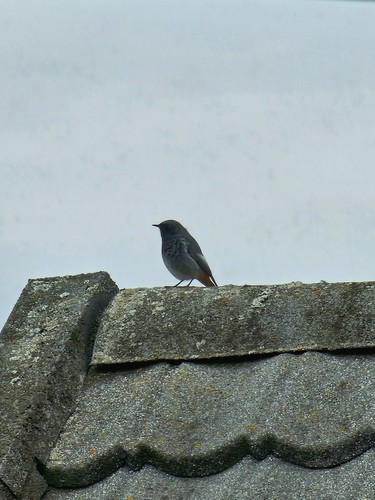
Black Redstart
13-14.5 cm (5.1-5.7 in) long, 23-26 cm wingspan
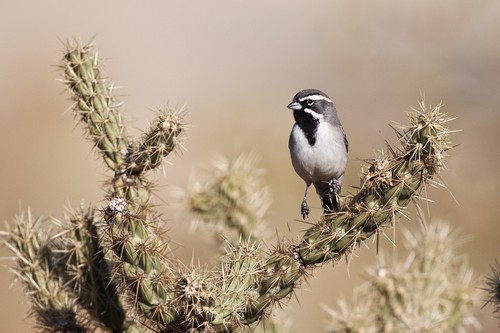
Black-throated Sparrow
12-14 cm (4.7-5.5 in) long, about 19-20 cm (7.5-8 in) wingspan
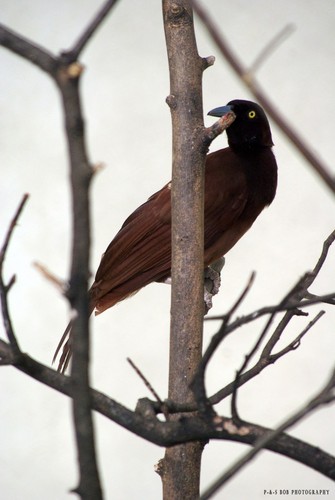
Greater Bird-of-paradise
Body about 43 cm; males with additional flank plumes up to 50 cm and long tail wires
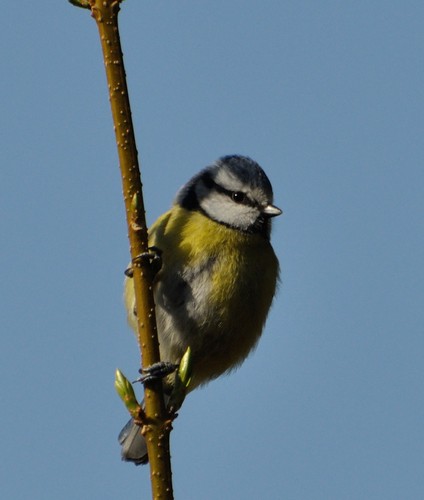
Blue Tit
11-12 cm (4.3-4.7 in) long, 17-20 cm wingspan
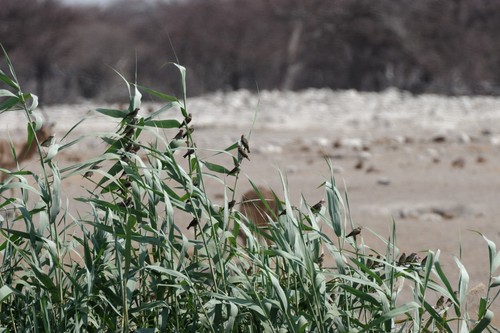
Red-billed Quelea
11.5–13 cm long, wingspan about 20–22 cm
White-plumed Antbird
13-14 cm (5-5.5 in) long
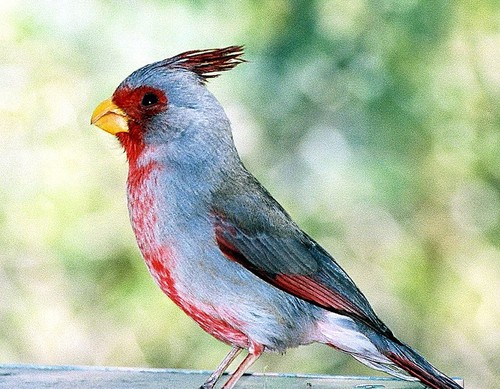
Pyrrhuloxia
19-22 cm (7.5-8.7 in) long, 30 cm wingspan
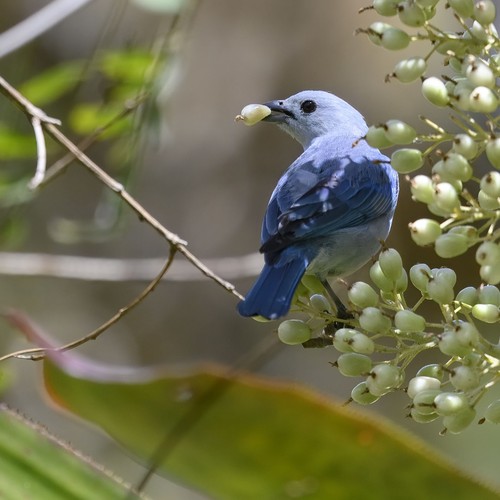
Blue-gray Tanager
16-18 cm (6-7 in) long
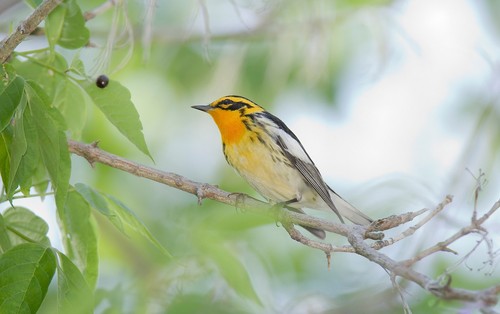
Blackburnian Warbler
11-13 cm (4.3-5.1 in) long, 20-22 cm wingspan
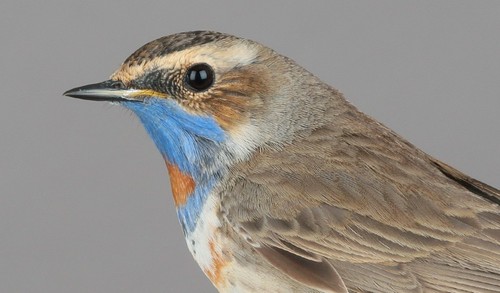
Bluethroat
13-14 cm (5.1-5.5 in) long, 20-22 cm wingspan
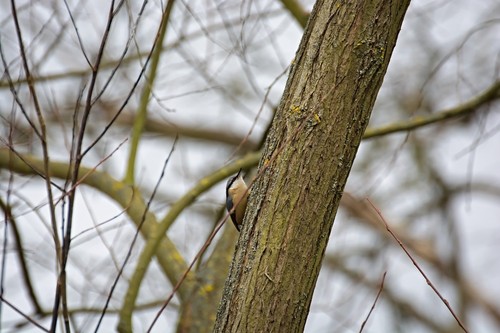
Eurasian Nuthatch
12-14.5 cm (4.7-5.7 in) long, 22.5-27 cm wingspan
Wood Thrush
19-21 cm (7.5-8.3 in) long, about 33 cm (13 in) wingspan