
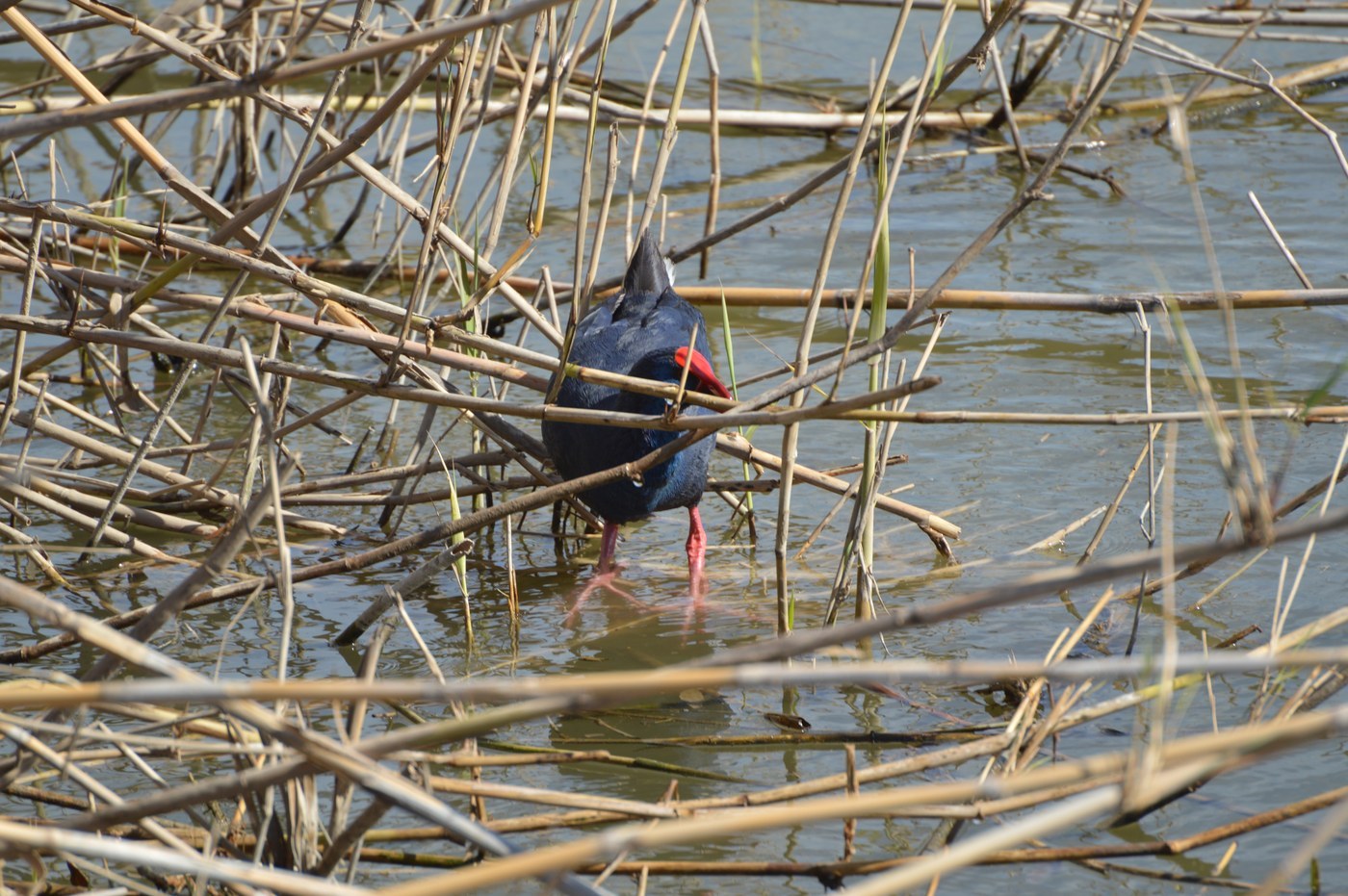
Purple Swamphen
Porphyrio porphyrio
A large, chicken-sized marsh bird cloaked in deep blue-purple plumage with a massive red bill and frontal shield.
- Size
- 45-50 cm (18-20 in) long, wingspan 90-100 cm
- Habitat
- extensive reedbeds, marshes, and wetlands across Europe, Africa, Asia, and Australasia
- Type
- wading-bird
Spotted a bird like this?
Identify any bird from a photo, free.
Overview
The Purple Swamphen is a large, robust rail with glossy blue-purple to violet plumage covering nearly its entire body. It has a stout red bill, a broad red frontal shield, and long red legs ending in oversized, unwebbed toes. White undertail coverts are frequently flashed as the bird moves through vegetation.
Considerably bigger than the related gallinules, the Purple Swamphen is a conspicuous and often noisy inhabitant of large reedbeds from the Mediterranean and Africa across southern Asia to Australia and New Zealand, where regional populations are sometimes known by local names such as Pukeko.
How to identify it
Key field marks
- Large size, noticeably bigger than any gallinule or moorhen
- Uniformly deep purple-blue body plumage
- Massive red bill and frontal shield
- Long red legs with elongated toes
- White undertail coverts flashed when the tail is flicked
Similar species
The Purple Gallinule is considerably smaller, has green on the back, and shows a pale blue (not red) frontal shield. Moorhens and Common Gallinules are much smaller and dark grey rather than purple.
Habitat & range
Habitat
Prefers extensive reedbeds, sedge marshes, and other dense wetland vegetation, generally avoiding open water.
Range and migration
Ranges from the Mediterranean and Africa across the Middle East and southern Asia to Australia and New Zealand, where it is known as the Pukeko. The species is largely sedentary, though some populations disperse locally in response to habitat conditions.
Behavior & voice
Behavior
Unusually among rails, Purple Swamphens often hold food items in one foot while tearing at them with the bill. They can be noisy and conspicuous, sometimes living in small family groups.
Voice
Loud trumpeting, cackling, and honking calls.
Feeding
Feeds on reed shoots, aquatic plants, and seeds, supplemented with insects and occasionally small vertebrates or eggs.
Nesting and breeding
Builds a substantial platform nest hidden in dense reeds. In some populations, related helpers assist the breeding pair in raising chicks, a form of cooperative breeding.
Frequently asked questions
What is a swamphen?
A swamphen (genus Porphyrio) is a large, brightly colored rail found in wetlands across the Old World and Australasia.
What's the difference between a Purple Swamphen and a Purple Gallinule?
The swamphen is noticeably larger with a red frontal shield and no green on the back, while the smaller Purple Gallinule has a pale blue shield and green back.
Is the Pukeko the same as the Purple Swamphen?
Yes, the Pukeko of New Zealand and Australia is a regional population group of the Purple Swamphen.
How does a Purple Swamphen eat?
It often holds food in one foot while tearing it apart with its strong red bill, a behavior unusual among rails.
Where do Purple Swamphens live?
Extensive reedbeds and marshes across southern Europe, Africa, Asia, and Australasia.
Purple Swamphen guides
In-depth guides for identifying, finding, and understanding Purple Swamphen.
Other birds you may enjoy
Demoiselle Crane
85-100 cm (33-39 in) long, 155-180 cm wingspan
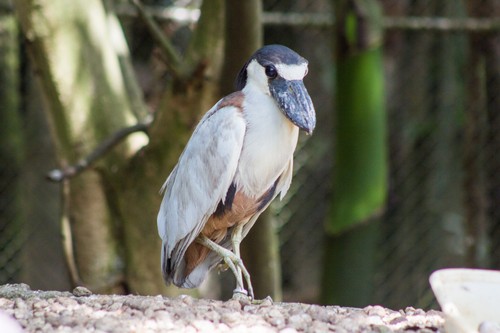
Boat-billed Heron
41-56 cm (16-22 in) long
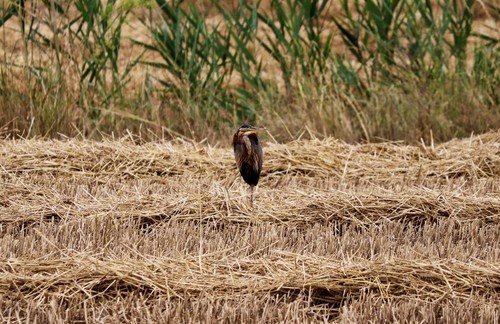
Purple Heron
78-90 cm (31-35 in) long, 120-152 cm wingspan
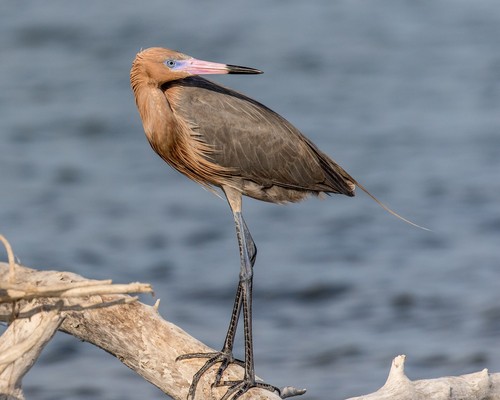
Reddish Egret
68-82 cm (27-32 in) long, 116-125 cm wingspan
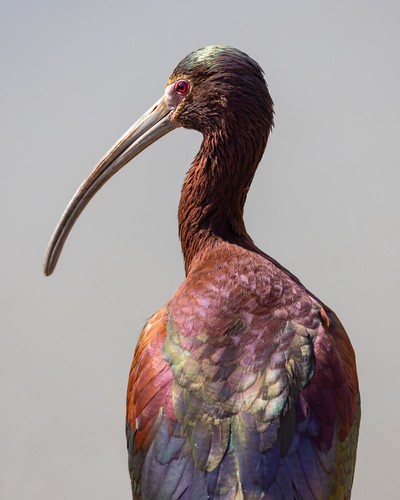
White-faced Ibis
46-56 cm (18-22 in) long, 88-93 cm wingspan
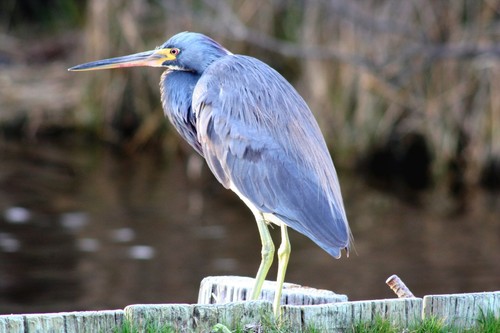
Tricolored Heron
61-76 cm (24-30 in) long, about 96 cm wingspan
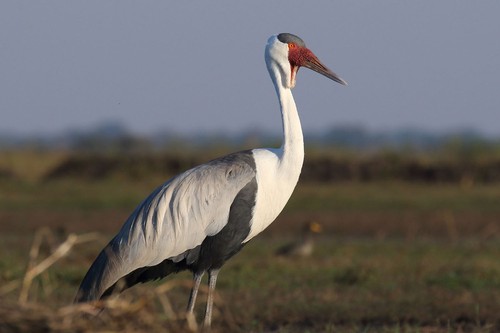
Wattled Crane
120-175 cm (47-69 in) tall, one of the tallest cranes, wingspan up to about 230 cm (7.5 ft)
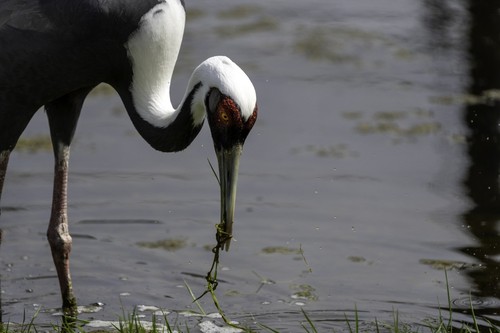
White-naped Crane
112-125 cm (44-49 in) long, 195-210 cm wingspan
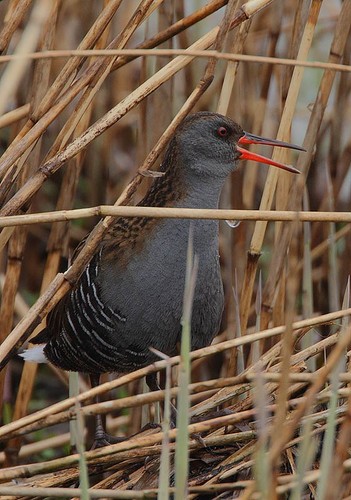
Water Rail
23-28 cm (9-11 in) long, wingspan 38-45 cm
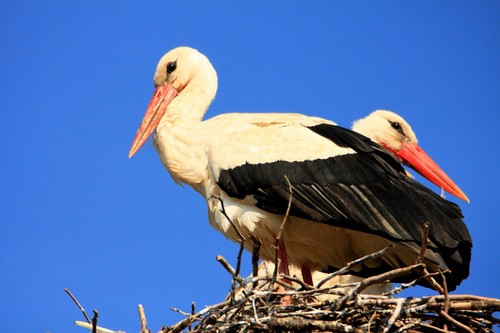
White Stork
100-125 cm (39-49 in) long, 155-215 cm wingspan
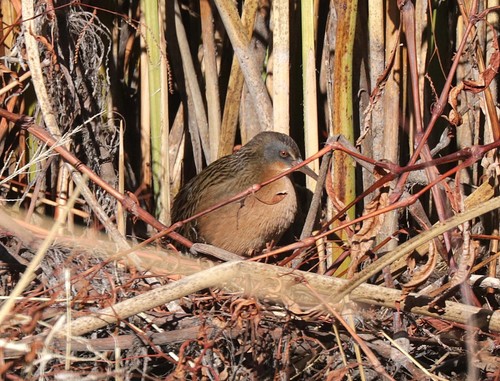
Virginia Rail
20-27 cm (8-11 in) long, wingspan 32-38 cm
Wattled Jacana
17-23 cm (7-9 in) long