
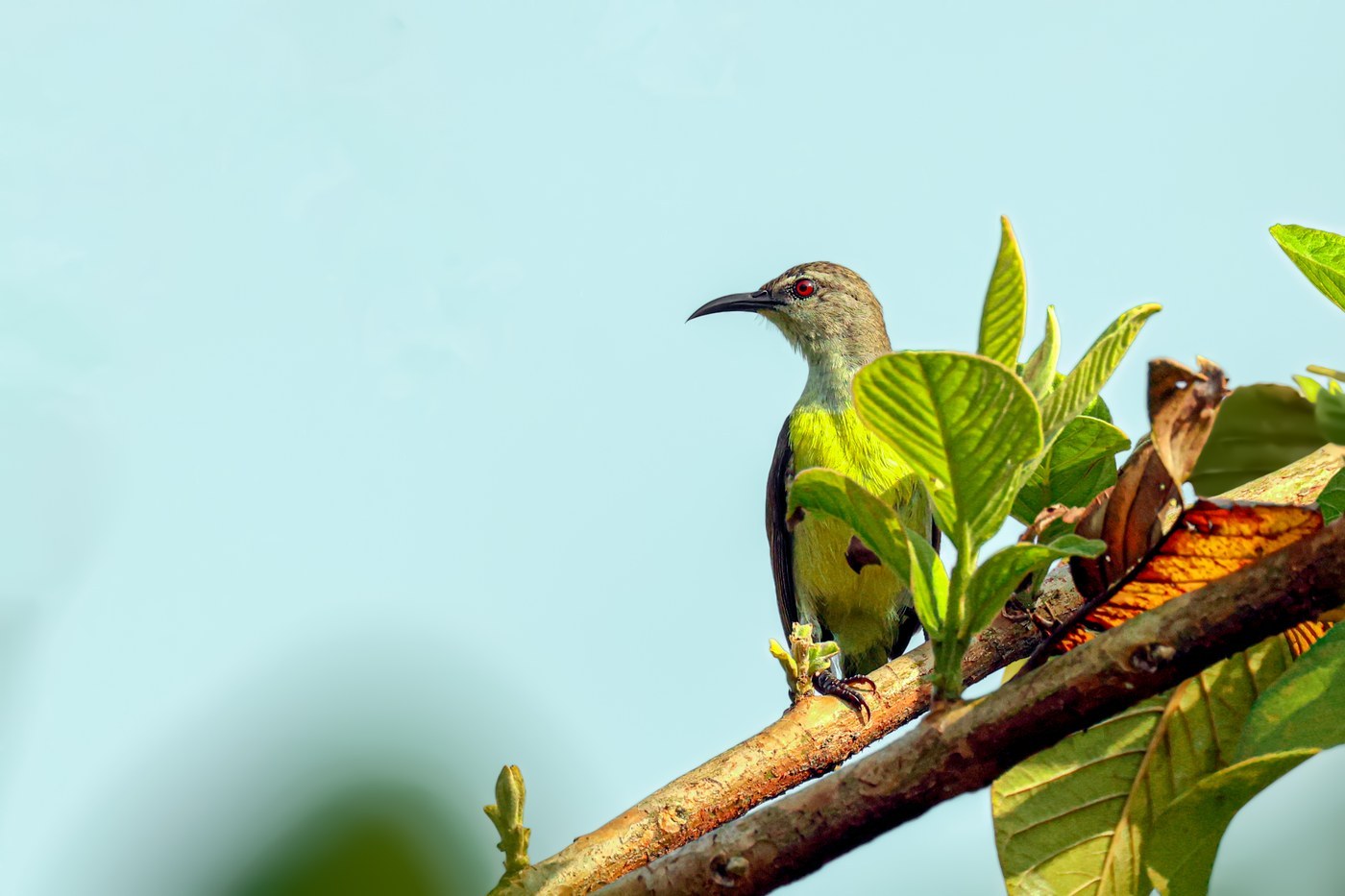
Purple-rumped Sunbird
Leptocoma zeylonica
A dazzling small sunbird of southern India and Sri Lanka with a maroon back and iridescent purple rump.
- Size
- 10 cm (4 in) long, tiny-bodied
- Habitat
- gardens, cultivated land, deciduous forest, and coastal scrub of peninsular India and Sri Lanka
- Type
- songbird
Spotted a bird like this?
Identify any bird from a photo, free.
Overview
The Purple-rumped Sunbird is a compact, brilliantly patterned nectar feeder endemic to peninsular India and Sri Lanka. The male is one of the most colorful garden birds in the region, combining a maroon-chestnut back, a metallic green-blue crown and shoulder patch, a glossy purple rump and throat patch, and a bright yellow belly with a small white flank patch.
Females are far plainer, with grayish-olive upperparts, a whitish throat, and pale yellow underparts, lacking the male's iridescent colors entirely. The species is non-migratory and holds its striking plumage year-round, unlike many other sunbirds that molt into duller eclipse plumage.
How to identify it
Key field marks
- Tiny size with a thin, curved bill
- Male: maroon back, iridescent purple throat patch and rump, green-blue crown, yellow belly, small white patch on the breast side
- Female: plain grey-olive above, pale yellow below, whitish throat
- Short, direct flight between flowering shrubs and trees
Similar species
The Purple Sunbird male looks all-black/iridescent purple without the maroon back or yellow belly. Loten's Sunbird is larger and longer-billed with a maroon breast band rather than a purple throat patch. Females of these species are similar but Purple-rumped Sunbird females show a whiter throat contrasting with yellow underparts.
Habitat & range
This species is found throughout peninsular India, Sri Lanka, and parts of Bangladesh, generally in lowland and lower hill habitats. It thrives in gardens, parks, coconut and areca plantations, cultivated land, scrub, and open deciduous forest, and adapts readily to human-modified landscapes with flowering trees.
It is a sedentary species, though individuals may make short local movements tracking seasonal flowering.
Behavior & voice
Voice
The song is a rapid, sweet, high-pitched twittering; calls include sharp "chip" or "twick" notes given while foraging.
Feeding
Purple-rumped Sunbirds feed primarily on nectar from a wide variety of flowering trees and shrubs, hovering briefly or clinging to blossoms, and they also glean small insects and spiders from foliage, particularly during the breeding season.
Nesting and breeding
The nest is an untidy, oval, hanging pouch of fibers, bark strips, and cobwebs with a side entrance, often suspended from a low branch, wire, or even a porch light. Females typically build the nest and incubate 2 eggs, while both parents feed the young.
Frequently asked questions
Where are Purple-rumped Sunbirds found?
They are endemic to peninsular India and Sri Lanka, common in gardens, plantations, and open woodland.
What makes the male so colorful?
Its plumage combines a maroon back, iridescent purple throat and rump, a metallic green-blue crown, and a bright yellow belly, all held year-round rather than lost in an eclipse molt.
How do you tell the female apart from other sunbird females?
She shows a whitish throat that contrasts against yellow underparts, with plain grey-olive upperparts and no iridescent patches.
Do Purple-rumped Sunbirds build hanging nests?
Yes, they weave an untidy pouch-shaped nest with a side entrance, suspended from a thin branch or wire.
Purple-rumped Sunbird guides
In-depth guides for identifying, finding, and understanding Purple-rumped Sunbird.
Other birds you may enjoy
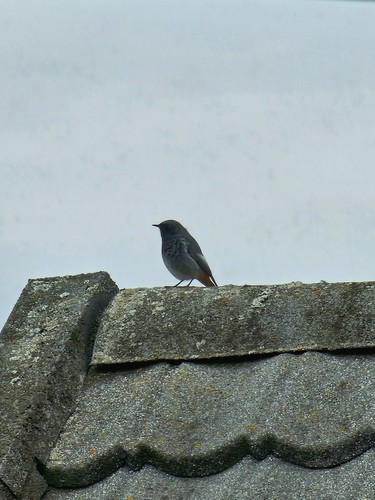
Black Redstart
13-14.5 cm (5.1-5.7 in) long, 23-26 cm wingspan
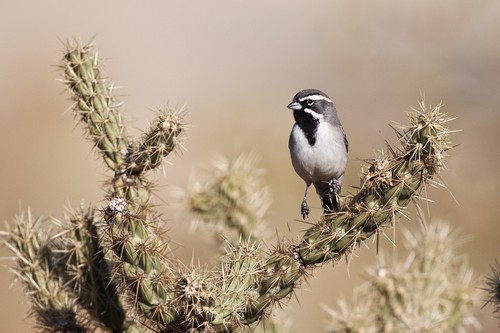
Black-throated Sparrow
12-14 cm (4.7-5.5 in) long, about 19-20 cm (7.5-8 in) wingspan
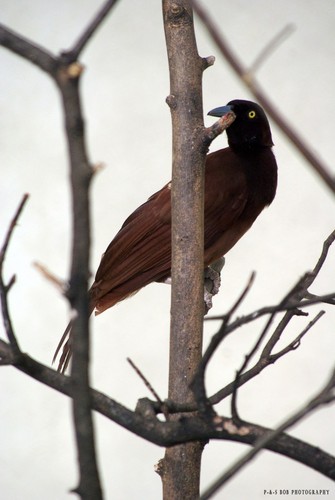
Greater Bird-of-paradise
Body about 43 cm; males with additional flank plumes up to 50 cm and long tail wires
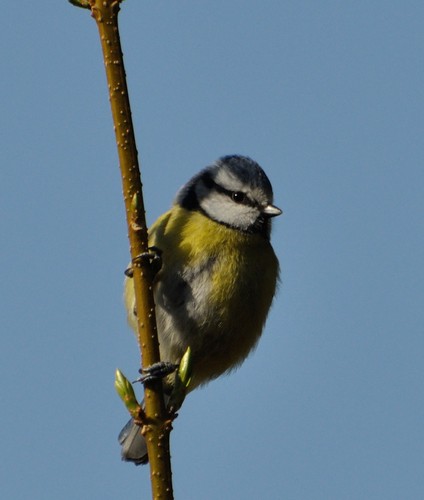
Blue Tit
11-12 cm (4.3-4.7 in) long, 17-20 cm wingspan
Red-billed Quelea
11.5–13 cm long, wingspan about 20–22 cm
White-plumed Antbird
13-14 cm (5-5.5 in) long
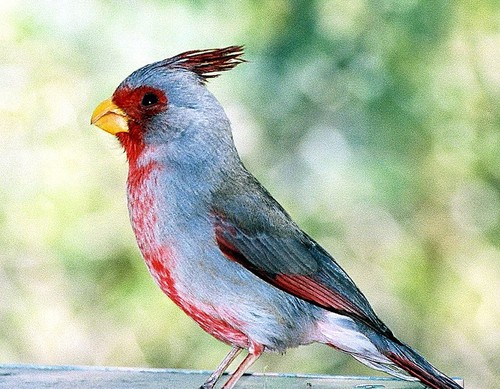
Pyrrhuloxia
19-22 cm (7.5-8.7 in) long, 30 cm wingspan
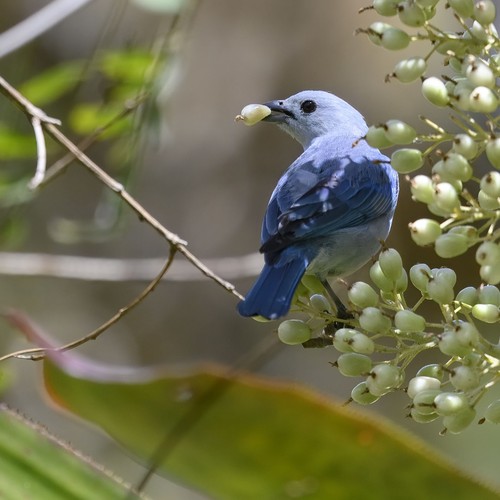
Blue-gray Tanager
16-18 cm (6-7 in) long
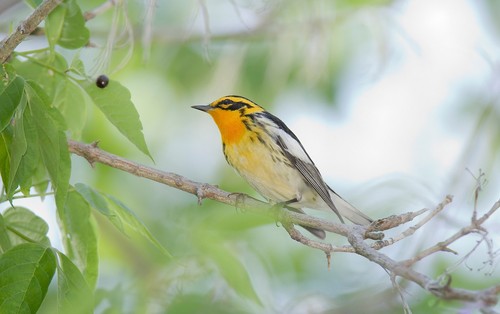
Blackburnian Warbler
11-13 cm (4.3-5.1 in) long, 20-22 cm wingspan
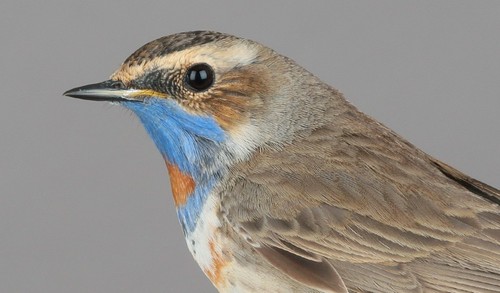
Bluethroat
13-14 cm (5.1-5.5 in) long, 20-22 cm wingspan
Eurasian Nuthatch
12-14.5 cm (4.7-5.7 in) long, 22.5-27 cm wingspan
Wood Thrush
19-21 cm (7.5-8.3 in) long, about 33 cm (13 in) wingspan