
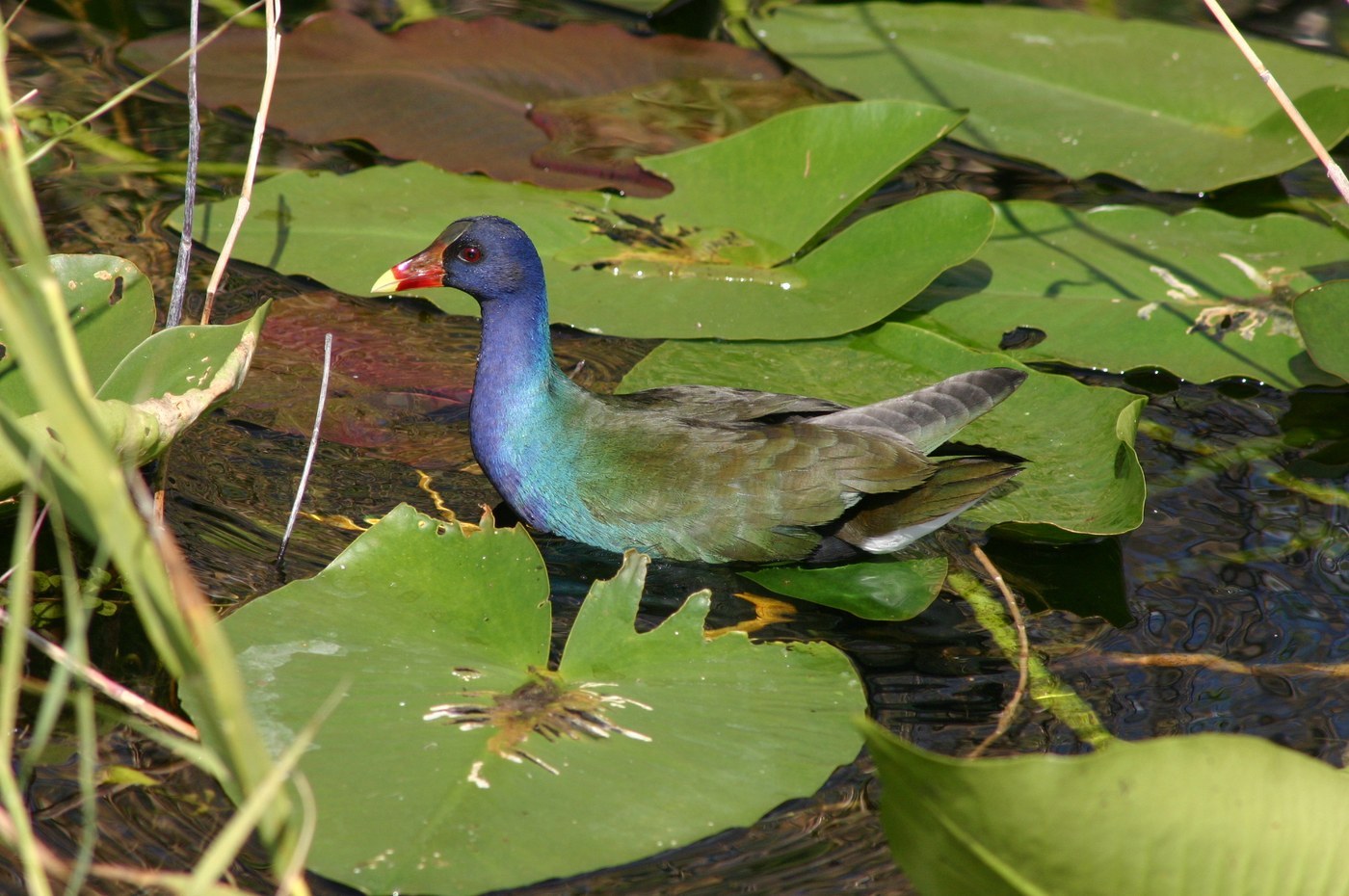
Purple Gallinule
Porphyrio martinicus
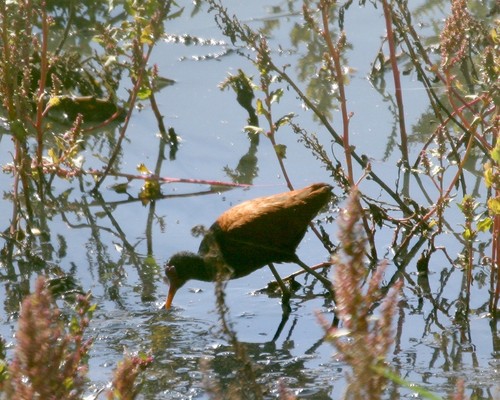
A vividly colored marsh bird with iridescent purple-blue plumage, a pale blue frontal shield, and oversized bright yellow feet.
- Size
- 26-35 cm (10-14 in) long, wingspan 50-61 cm
- Habitat
- freshwater marshes and swamps with floating vegetation in the southeastern U.S., Central and South America, and the Caribbean
- Type
- wading-bird
Spotted a bird like this?
Identify any bird from a photo, free.
Overview
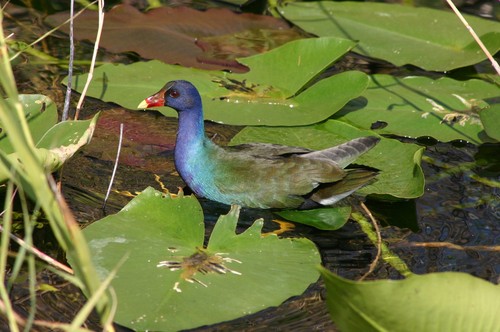
The Purple Gallinule is one of the most strikingly colored marsh birds in the Americas, with a deep purple-blue head, neck, and underparts set against an olive-green back and wings. Its bright red bill is tipped in yellow, and a pale powder-blue frontal shield sits above it. Long, bright yellow legs and extraordinarily long toes let it walk atop floating vegetation such as lily pads without sinking.
The bird's iridescent plumage can shift from deep purple to blue-green depending on the angle of light, making it a favorite sighting for birders in the marshes of the southeastern United States and throughout the Neotropics.
How to identify it
Key field marks
- Rich purple-blue head, neck, and underparts
- Olive-green back and wings
- Red bill tipped in yellow
- Pale powder-blue frontal shield
- Long, bright yellow legs and very long toes
- White undertail coverts
Similar species
The Purple Swamphen is much larger, entirely blue-purple with no green on the back, and has a red (not pale blue) frontal shield. The Common Gallinule is dark slate-grey rather than purple.
Habitat & range
Habitat
Favors freshwater marshes, swamps, and ponds with abundant floating vegetation like lily pads, which its long toes are adapted to walk across.
Range and migration
Found across the southeastern United States (especially Florida and the Gulf Coast), Central America, the Caribbean, and much of South America. Northern populations are migratory, retreating from the U.S. in winter, and the species is also known for occasional long-distance vagrancy far outside its normal range.
Behavior & voice
Behavior
Walks easily across floating vegetation thanks to its long toes, which spread its weight over a wide area, and is also an agile climber in marsh plants.
Voice
Cackling and clucking calls given from cover.
Feeding
An omnivorous diet including seeds, fruit, aquatic plants, and small animals like insects and frogs.
Nesting and breeding
Builds a floating or emergent nest platform among dense marsh vegetation, with both parents sharing incubation duties.
Frequently asked questions
Why are Purple Gallinules so colorful?
Their iridescent purple-blue and green plumage likely aids in mate attraction and species recognition, shifting color with the light angle.
How does a Purple Gallinule walk on lily pads?
Its extremely long toes spread its weight over a large surface area, letting it walk across floating vegetation without sinking.
Is 'Purple Gallinule' the same bird as 'American Purple Gallinule'?
Yes, American Purple Gallinule is an older or alternate name for the same species, Porphyrio martinicus.
Where can you see a Purple Gallinule in the U.S.?
Mainly in freshwater marshes of Florida and along the Gulf Coast.
What do Purple Gallinules eat?
An omnivorous diet of seeds, fruit, aquatic plants, and small animals like insects and frogs.
Purple Gallinule guides
In-depth guides for identifying, finding, and understanding Purple Gallinule.
Other birds you may enjoy
Demoiselle Crane
85-100 cm (33-39 in) long, 155-180 cm wingspan
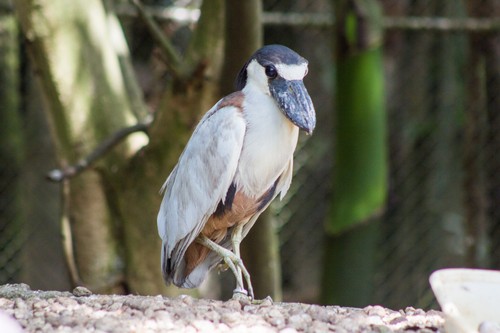
Boat-billed Heron
41-56 cm (16-22 in) long
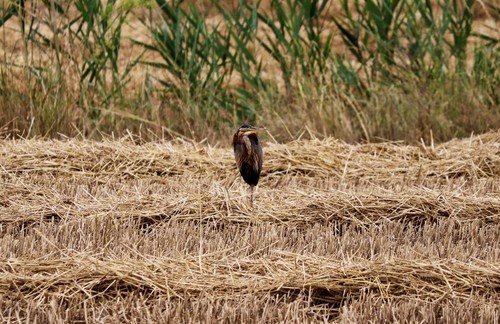
Purple Heron
78-90 cm (31-35 in) long, 120-152 cm wingspan
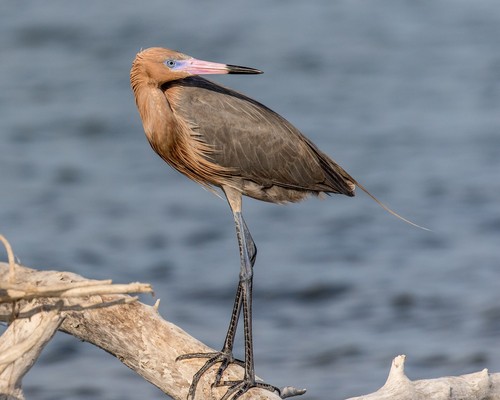
Reddish Egret
68-82 cm (27-32 in) long, 116-125 cm wingspan
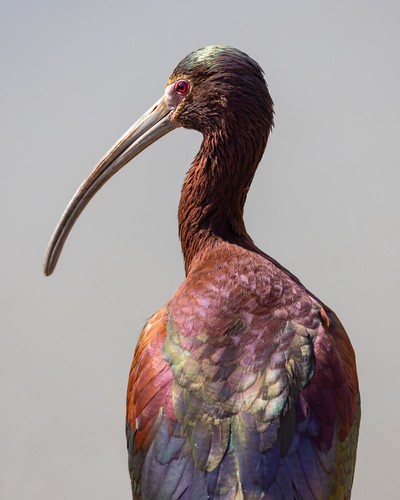
White-faced Ibis
46-56 cm (18-22 in) long, 88-93 cm wingspan
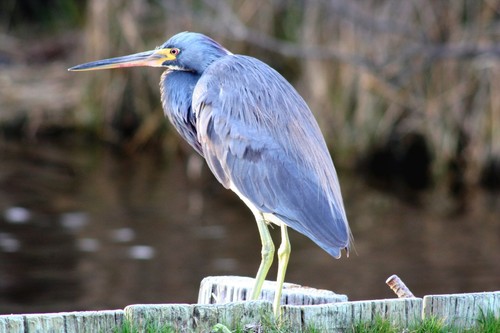
Tricolored Heron
61-76 cm (24-30 in) long, about 96 cm wingspan
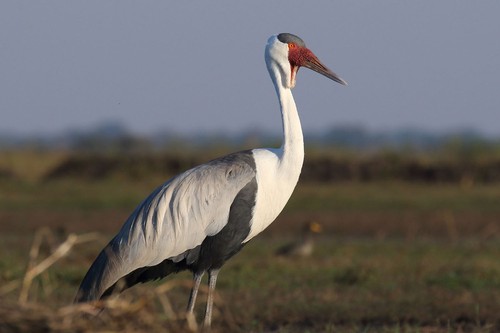
Wattled Crane
120-175 cm (47-69 in) tall, one of the tallest cranes, wingspan up to about 230 cm (7.5 ft)
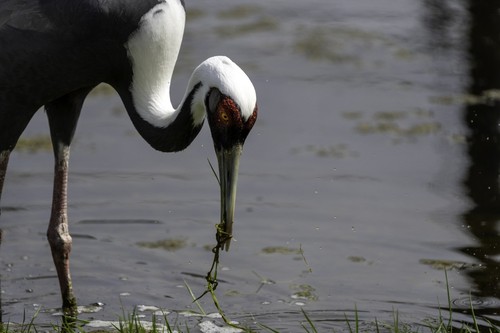
White-naped Crane
112-125 cm (44-49 in) long, 195-210 cm wingspan
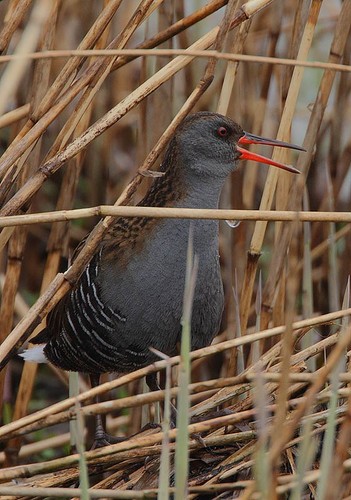
Water Rail
23-28 cm (9-11 in) long, wingspan 38-45 cm
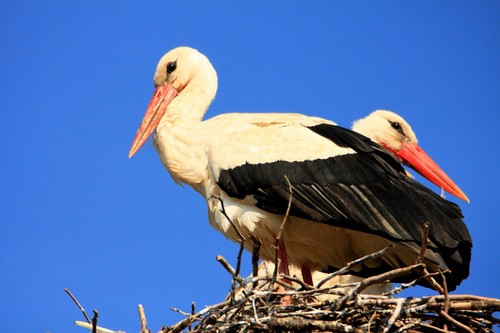
White Stork
100-125 cm (39-49 in) long, 155-215 cm wingspan
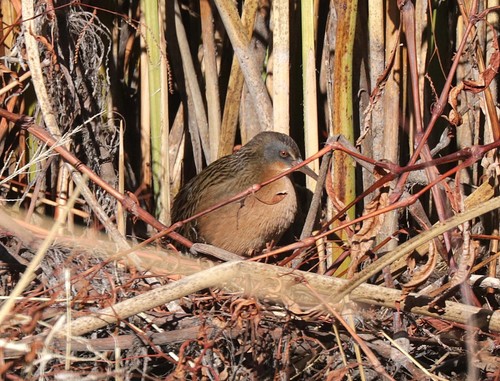
Virginia Rail
20-27 cm (8-11 in) long, wingspan 32-38 cm
Wattled Jacana
17-23 cm (7-9 in) long