
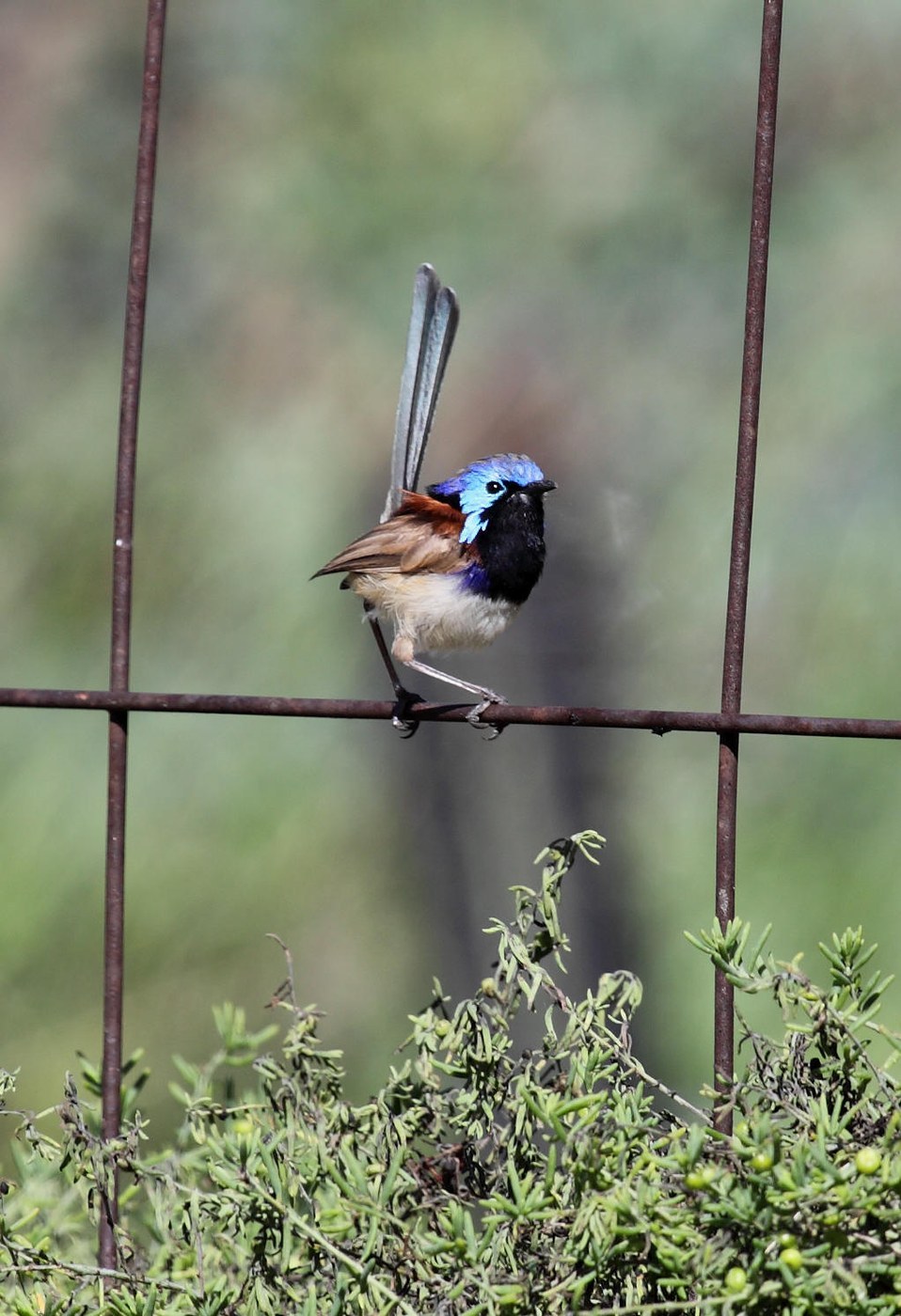
Purple-backed Fairywren
Malurus assimilis
A close relative of the Variegated Fairywren adapted to Australia's arid interior, with breeding males showing purplish-blue tones and a small chestnut shoulder patch.
- Size
- 13-14 cm (5-5.5 in) long
- Habitat
- arid mulga, spinifex, and scrub of interior Australia
- Type
- songbird
Spotted a bird like this?
Identify any bird from a photo, free.
Overview
The Purple-backed Fairywren is closely related to, and until relatively recently classified together with, the Variegated Fairywren, from which it differs mainly in occupying the arid interior of Australia rather than wetter coastal and subcoastal country. Breeding males show a rich purplish-blue crown and ear coverts, a black mask, throat, and breast band, and a comparatively small chestnut patch on the shoulder, with an overall violet-blue cast to the plumage that is subtly different from the bluer tones of the Variegated Fairywren.
Females and non-breeding males are plain sandy brown, well camouflaged against the arid scrub and spinifex they inhabit, with the typical fairywren pale rust-colored eye-ring and bill.
How to identify it
Key field marks
- Breeding male: purplish-blue crown and ear coverts, black mask/throat/breast band, small chestnut shoulder patch
- Female: plain sandy brown with a pale rust eye-ring and bill
- Found in arid interior scrub rather than coastal habitats
- Overall plumage tone slightly more violet than the closely related Variegated Fairywren
Similar species
- Variegated Fairywren: very similar, but occupies wetter coastal and subcoastal habitats, with a larger chestnut patch and bluer (less purple) crown; the two are largely separated by range and habitat.
- Splendid Fairywren: breeding male lacks any chestnut shoulder patch and is far more extensively blue overall.
Habitat & range
Habitat
Purple-backed Fairywrens inhabit arid and semi-arid mulga woodland, spinifex grassland, and dry scrub across the Australian interior, needing dense low cover for shelter despite the sparse surrounding vegetation.
Range
The species occupies much of arid and semi-arid inland Australia, including large parts of the Northern Territory, inland Queensland, western New South Wales, and inland Western Australia and South Australia, generally inland of the Variegated Fairywren's coastal range.
Migration
Sedentary, with family groups holding territories year-round, though drought can force local movements in search of cover and food.
Behavior & voice
Behavior
Like other fairywrens, Purple-backed Fairywrens live in small cooperative family groups, foraging low among scrub and spinifex and moving quickly between patches of cover to avoid predators in open arid country.
Voice
The song is a fast, high-pitched reeling trill similar to other fairywrens, with soft buzzy contact calls used to maintain group cohesion.
Feeding
Diet is dominated by small insects and spiders gleaned from low vegetation and the ground, with occasional small seeds, particularly important during dry periods.
Nesting and breeding
Nests are small domed structures built low in mulga shrubs or spinifex hummocks, made from grass and spider web. Clutches typically contain three to four pale eggs, incubated by the female, with helper birds from the family group assisting in feeding chicks.
Frequently asked questions
How is the Purple-backed Fairywren different from the Variegated Fairywren?
The two are very closely related; the Purple-backed Fairywren occupies Australia's arid interior and shows slightly more purplish crown tones and a smaller chestnut shoulder patch than the coastal Variegated Fairywren.
Where do Purple-backed Fairywrens live?
They inhabit arid mulga woodland, spinifex, and dry scrub across inland Australia.
What does a female Purple-backed Fairywren look like?
Females are plain sandy brown with a pale rust-colored eye-ring and bill, well camouflaged in arid scrub.
What do Purple-backed Fairywrens eat?
Mainly small insects and spiders gleaned from low vegetation and the ground, with occasional small seeds.
Purple-backed Fairywren guides
In-depth guides for identifying, finding, and understanding Purple-backed Fairywren.
Other birds you may enjoy
Black Redstart
13-14.5 cm (5.1-5.7 in) long, 23-26 cm wingspan
Black-throated Sparrow
12-14 cm (4.7-5.5 in) long, about 19-20 cm (7.5-8 in) wingspan
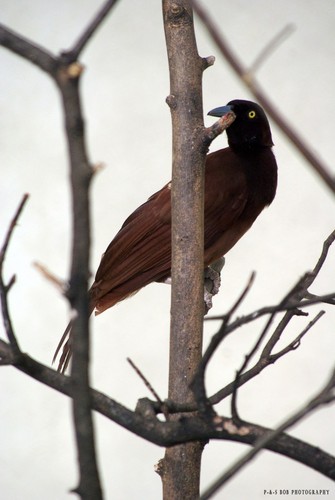
Greater Bird-of-paradise
Body about 43 cm; males with additional flank plumes up to 50 cm and long tail wires
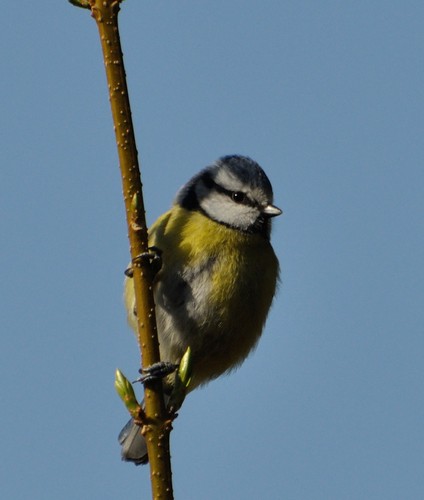
Blue Tit
11-12 cm (4.3-4.7 in) long, 17-20 cm wingspan
Red-billed Quelea
11.5–13 cm long, wingspan about 20–22 cm
White-plumed Antbird
13-14 cm (5-5.5 in) long
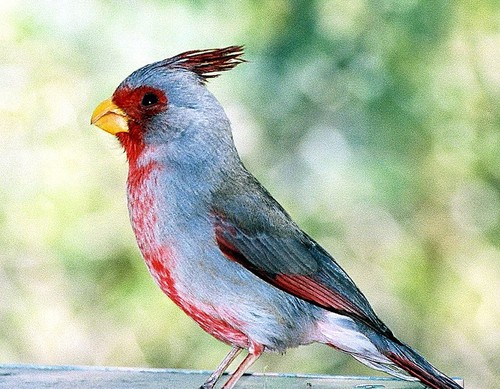
Pyrrhuloxia
19-22 cm (7.5-8.7 in) long, 30 cm wingspan
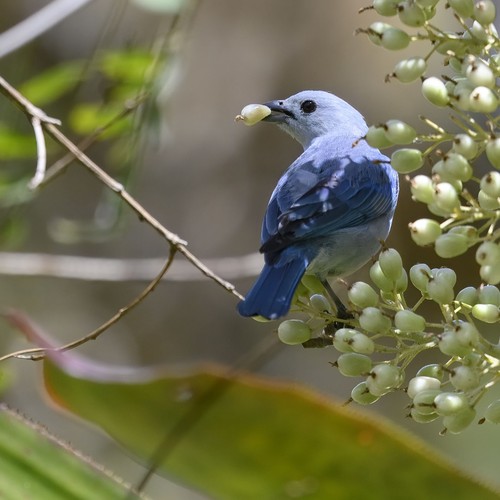
Blue-gray Tanager
16-18 cm (6-7 in) long
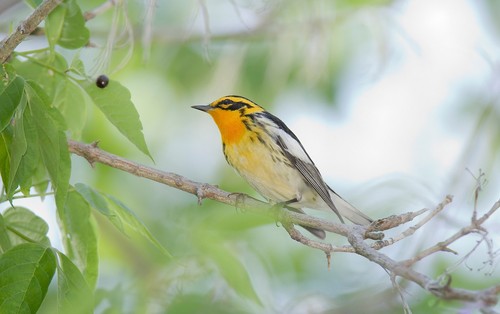
Blackburnian Warbler
11-13 cm (4.3-5.1 in) long, 20-22 cm wingspan
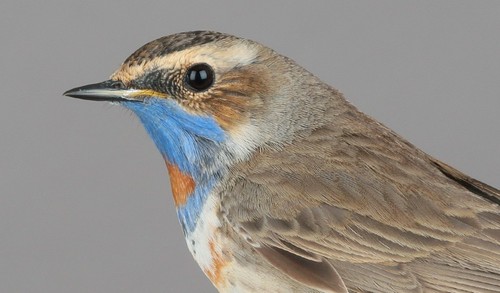
Bluethroat
13-14 cm (5.1-5.5 in) long, 20-22 cm wingspan
Eurasian Nuthatch
12-14.5 cm (4.7-5.7 in) long, 22.5-27 cm wingspan
Wood Thrush
19-21 cm (7.5-8.3 in) long, about 33 cm (13 in) wingspan