
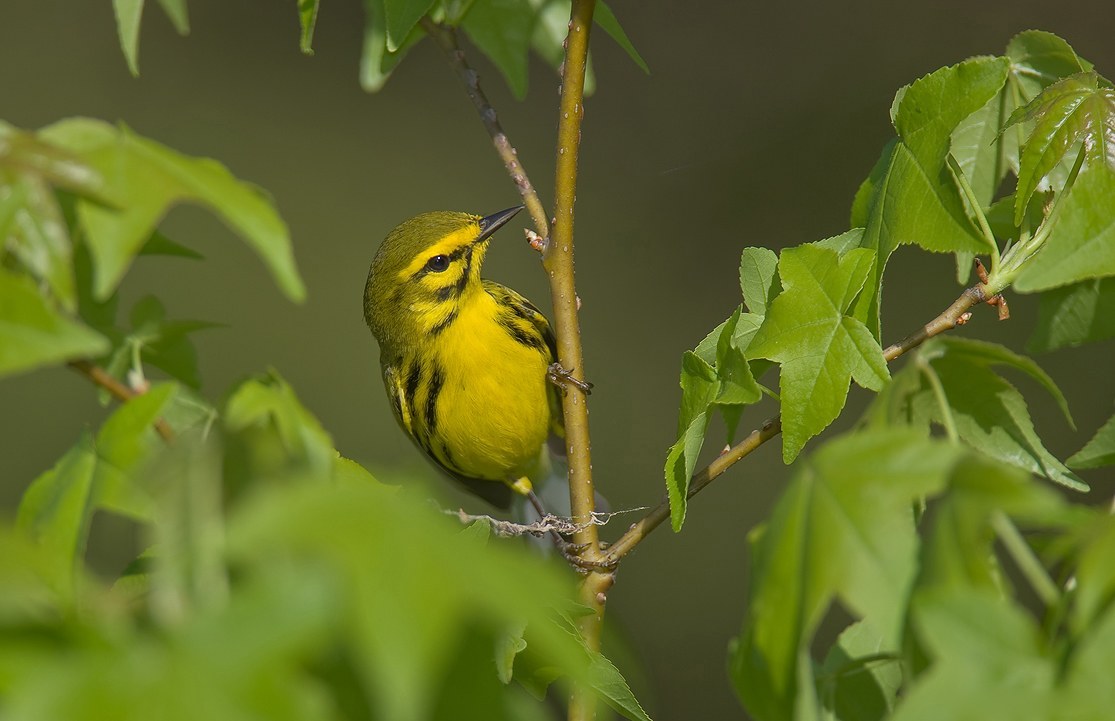
Prairie Warbler
Setophaga discolor
A bright yellow, tail-wagging warbler of shrubby old fields and scrub, with bold black facial markings and chestnut streaking on the back despite its misleading name.
- Size
- 11-13 cm (4.3-5.1 in) long, 17-18 cm wingspan
- Habitat
- shrubby old fields, forest edges, and scrubby second growth, despite its name rarely found on open prairie
- Type
- songbird
Spotted a bird like this?
Identify any bird from a photo, free.
Overview
Despite its name, the Prairie Warbler is not a bird of open grassland prairie but rather a species of shrubby, scrubby habitat such as old fields, forest edges, and regenerating clear-cuts. Males show bright yellow underparts marked with bold black streaking along the flanks, a yellow face with a black eyeline and crescent below the eye, and chestnut streaking on an otherwise olive-yellow back.
Females and immatures show a more muted version of this pattern, with less distinct facial markings and reduced streaking. A near-constant habit of wagging or bobbing the tail while foraging helps distinguish this species even when its plumage details are hard to see. Prairie Warbler populations have declined significantly due to loss of early successional shrubby habitat.
How to identify it
Key Field Marks
- Bright yellow underparts with bold black streaking along the flanks
- Yellow face with a black eyeline and a black crescent mark below the eye
- Chestnut streaking on an olive-yellow back
- Nearly constant tail-wagging/bobbing while foraging
- Two faint yellowish wingbars
Similar Species
Palm Warbler also bobs its tail but has a chestnut cap rather than facial crescent markings and forages mostly on the ground rather than in shrubs. Kentucky Warbler has bold yellow spectacles rather than a crescent mark and lacks flank streaking. The combination of face pattern, back streaking, and tail-wagging habit is distinctive for Prairie Warbler.
Habitat & range
Habitat
Prairie Warblers favor shrubby old fields, forest edges, regenerating clear-cuts, and scrubby second growth, particularly areas with scattered small trees and dense low shrub cover; in Florida, some populations use mangrove habitat.
Range
This species breeds across much of the eastern United States, from the Midwest and Northeast south through the Southeast, generally absent from far northern areas. It winters in Florida, the Caribbean, and parts of Central America.
Migration
Prairie Warblers are medium-distance migrants, with many wintering in the Caribbean and Florida rather than traveling as far south as many other Neotropical migrant warblers.
Behavior & voice
Behavior
Prairie Warblers forage actively in shrubs and low trees, almost constantly wagging or bobbing the tail, a behavior that is one of the more reliable clues to identification in the field.
Voice
The song is a distinctive, rising series of buzzy notes on ascending pitches, often described as an accelerating 'zee-zee-zee-zee-zee-zeet' climbing the scale. The call is a sharp 'chip.'
Feeding
It gleans caterpillars and other insects and spiders from leaves and twigs in shrubs and small trees, typically foraging at low to middle heights.
Nesting & Breeding
The female builds a compact cup nest low in a shrub or small tree, often within a meter or two of the ground. She lays 3-5 eggs; this species has experienced substantial population declines linked to loss of early successional shrubland habitat.
Frequently asked questions
Why is the Prairie Warbler not actually found on prairies?
The name is a historical misnomer; the species favors shrubby old fields, forest edges, and scrubby second growth rather than open grassland prairie, and it was likely named after early observations in brushy, semi-open habitat.
How do you identify a Prairie Warbler?
Look for bright yellow underparts with black flank streaking, a yellow face with a black eyeline and crescent below the eye, chestnut streaking on the back, and near-constant tail-wagging.
What does a Prairie Warbler sound like?
Its song is a distinctive series of buzzy notes rising in pitch, often described as an ascending 'zee-zee-zee-zee-zeet.'
Why is the Prairie Warbler population declining?
It depends on shrubby, early successional habitat such as old fields and regenerating clear-cuts, and populations have declined as this type of habitat has become less common across the landscape, contributing to its Near Threatened status.
Where do Prairie Warblers spend the winter?
Most winter in Florida, the Caribbean, and parts of Central America, a shorter migration than many other Neotropical warblers.
Prairie Warbler guides
In-depth guides for identifying, finding, and understanding Prairie Warbler.
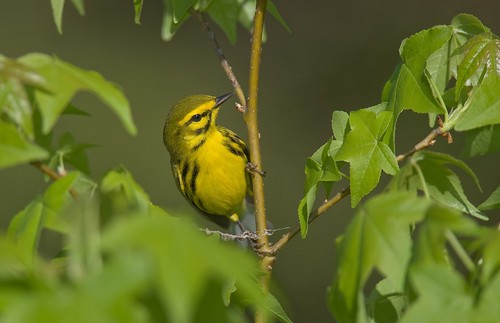
Other birds you may enjoy
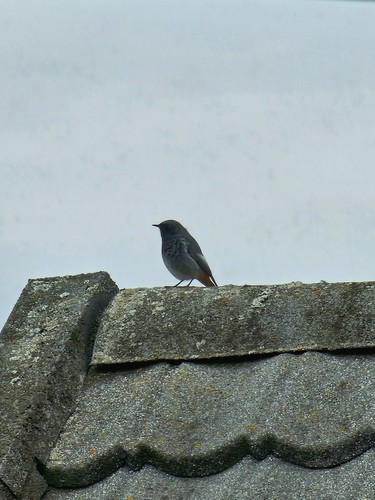
Black Redstart
13-14.5 cm (5.1-5.7 in) long, 23-26 cm wingspan
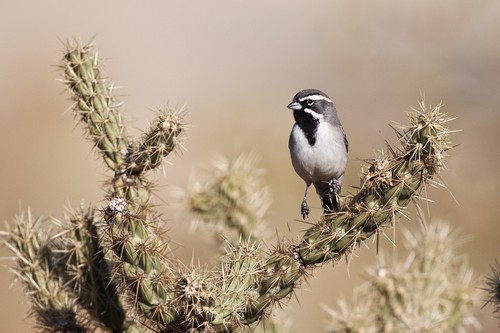
Black-throated Sparrow
12-14 cm (4.7-5.5 in) long, about 19-20 cm (7.5-8 in) wingspan
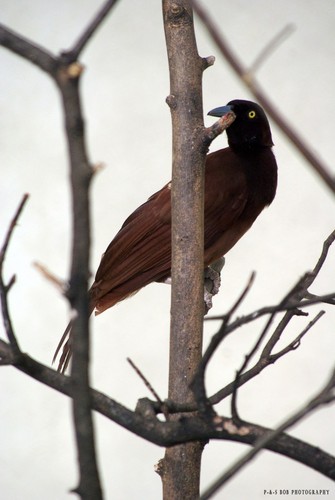
Greater Bird-of-paradise
Body about 43 cm; males with additional flank plumes up to 50 cm and long tail wires
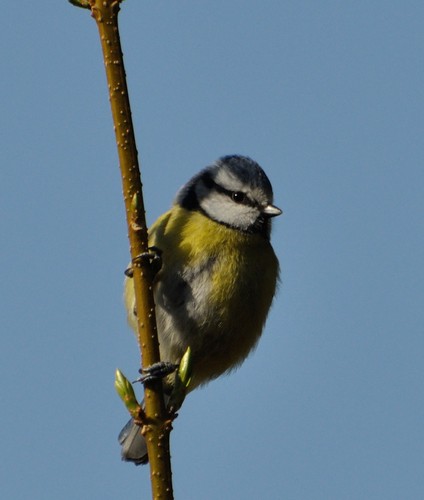
Blue Tit
11-12 cm (4.3-4.7 in) long, 17-20 cm wingspan
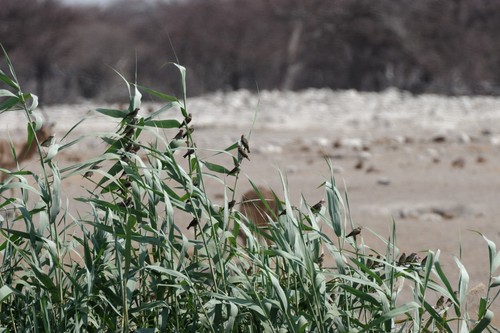
Red-billed Quelea
11.5–13 cm long, wingspan about 20–22 cm
White-plumed Antbird
13-14 cm (5-5.5 in) long
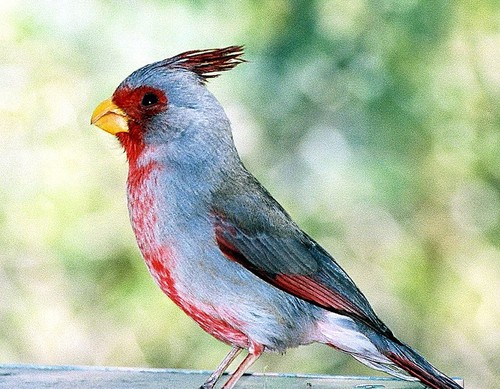
Pyrrhuloxia
19-22 cm (7.5-8.7 in) long, 30 cm wingspan
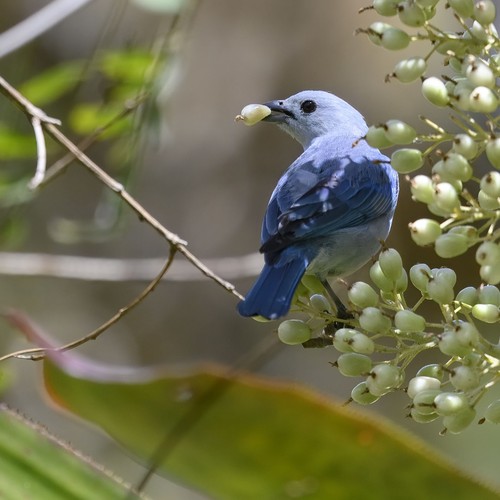
Blue-gray Tanager
16-18 cm (6-7 in) long
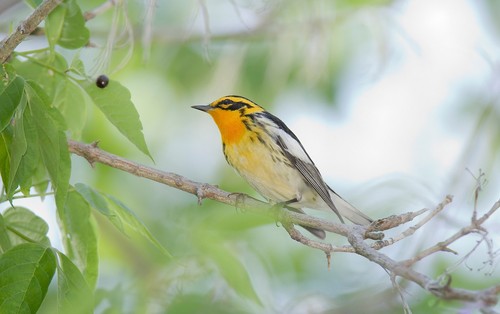
Blackburnian Warbler
11-13 cm (4.3-5.1 in) long, 20-22 cm wingspan
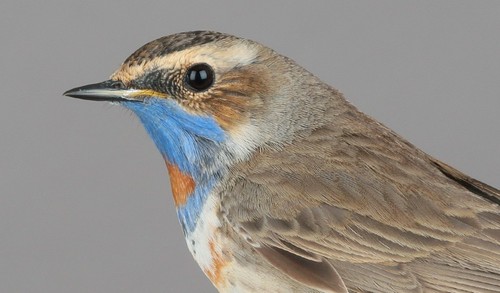
Bluethroat
13-14 cm (5.1-5.5 in) long, 20-22 cm wingspan
Eurasian Nuthatch
12-14.5 cm (4.7-5.7 in) long, 22.5-27 cm wingspan
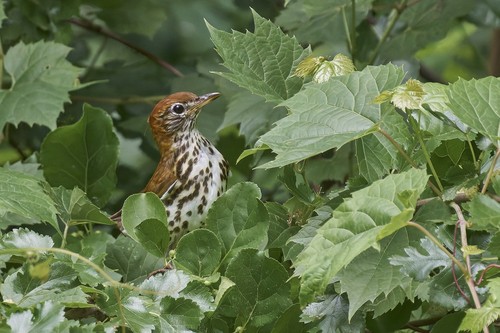
Wood Thrush
19-21 cm (7.5-8.3 in) long, about 33 cm (13 in) wingspan