
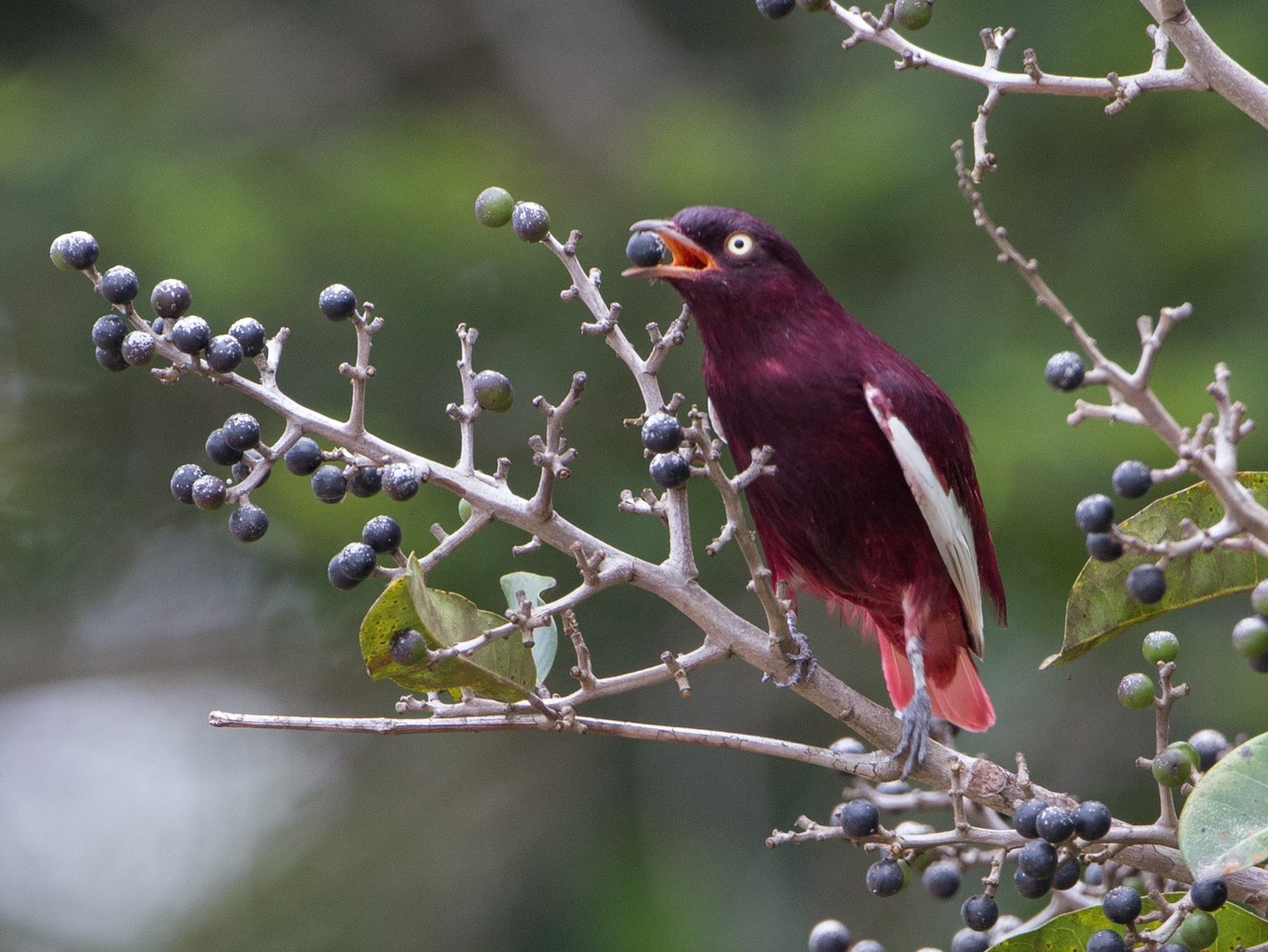
Pompadour Cotinga
Xipholena punicea
A striking cotinga with males in deep magenta-purple plumage set off by bold white wings, found in the canopy of Amazonian and Guiana Shield forests.
- Size
- 19-20 cm (7.5-8 in) long
- Habitat
- canopy of humid lowland forest in the Amazon basin and Guiana Shield
- Type
- songbird
Spotted a bird like this?
Identify any bird from a photo, free.
Overview
The Pompadour Cotinga is a dramatically plumaged canopy bird of the Amazon basin, with adult males showing a deep, rich magenta or wine-purple body plumage strikingly contrasted by bold white wing feathers, a combination visible even at a distance when the bird flies across a canopy gap. A small area around the eye can appear paler, adding subtle contrast to the otherwise saturated color.
Females are quite different, being a plain slate-gray overall, lacking both the magenta body color and the white wings of the male, providing camouflage suited to time spent alone at the nest. This dramatic difference between the sexes is typical of cotingas, many of which show extreme plumage divergence tied to a promiscuous mating system.
Like most cotingas, this species spends much of its time sitting quietly in the high canopy, making it easier to detect in flight, when the male's white wings flash conspicuously against the dark forest canopy.
How to identify it
Key field marks
- Male: deep magenta-purple body with bold white wing feathers
- Female: plain slate-gray overall
- High canopy dweller, most visible in flight
- Stocky, compact cotinga shape
Similar species
White-winged Cotinga is similar in having white wings but differs in overall body color and range, generally not overlapping with the Pompadour Cotinga's core Amazonian and Guiana Shield distribution; the combination of magenta body and white wings is otherwise distinctive.
Habitat & range
Habitat
The Pompadour Cotinga inhabits the canopy and upper mid-story of humid lowland forest, generally remaining high above the ground and rarely descending to lower strata.
Range
It is found across the Amazon basin and the Guiana Shield, including parts of Venezuela, the Guianas, Colombia, Ecuador, Peru, Bolivia, and Brazil.
Migration
It is largely sedentary, though local movements to track fruiting trees are likely.
Behavior & voice
Behavior
Pompadour Cotingas typically perch quietly and inconspicuously high in the canopy, with the male's flashing white wings often the first clue to its presence as it flies between fruiting trees.
Voice
Vocalizations are limited and generally simple, as is typical for cotingas, without an elaborate song.
Feeding
It feeds almost entirely on fruit, plucked from canopy trees while perched or during brief sallying flights.
Nesting and breeding
As in other cotingas, the female alone builds the nest and raises the young without assistance from the male, consistent with the family's typically promiscuous breeding system.
Frequently asked questions
How do you identify a male Pompadour Cotinga?
Look for deep magenta-purple body plumage combined with bold white wing feathers, most conspicuous in flight.
How does the female Pompadour Cotinga differ from the male?
Females are plain slate-gray overall, lacking the male's magenta color and white wings.
Where does the Pompadour Cotinga live?
In the canopy of humid lowland forest across the Amazon basin and Guiana Shield.
What does the Pompadour Cotinga eat?
It feeds almost entirely on fruit from canopy trees.
Pompadour Cotinga guides
In-depth guides for identifying, finding, and understanding Pompadour Cotinga.
Other birds you may enjoy
Black Redstart
13-14.5 cm (5.1-5.7 in) long, 23-26 cm wingspan
Black-throated Sparrow
12-14 cm (4.7-5.5 in) long, about 19-20 cm (7.5-8 in) wingspan
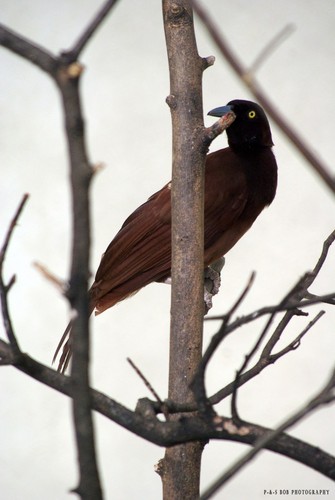
Greater Bird-of-paradise
Body about 43 cm; males with additional flank plumes up to 50 cm and long tail wires
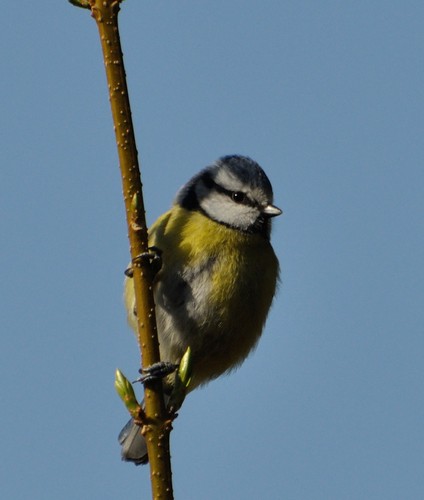
Blue Tit
11-12 cm (4.3-4.7 in) long, 17-20 cm wingspan
Red-billed Quelea
11.5–13 cm long, wingspan about 20–22 cm
White-plumed Antbird
13-14 cm (5-5.5 in) long
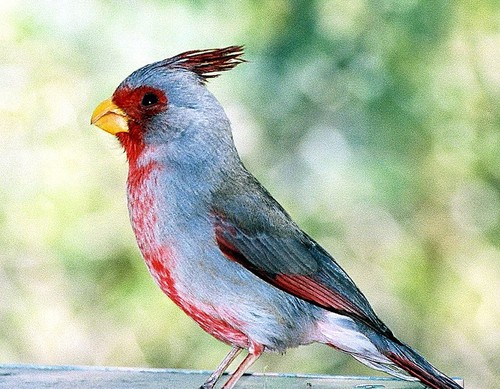
Pyrrhuloxia
19-22 cm (7.5-8.7 in) long, 30 cm wingspan
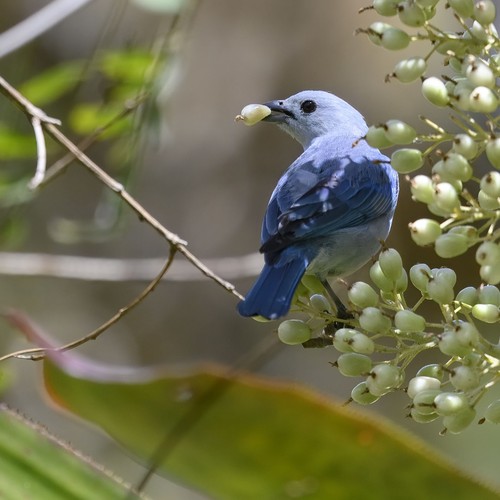
Blue-gray Tanager
16-18 cm (6-7 in) long
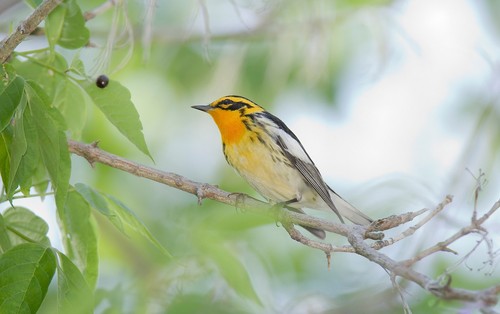
Blackburnian Warbler
11-13 cm (4.3-5.1 in) long, 20-22 cm wingspan
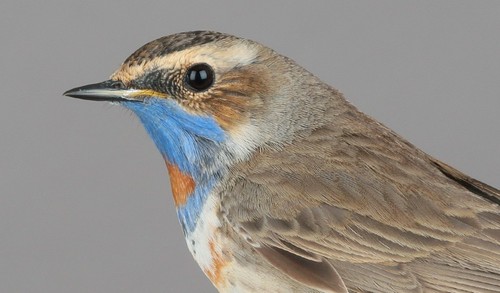
Bluethroat
13-14 cm (5.1-5.5 in) long, 20-22 cm wingspan
Eurasian Nuthatch
12-14.5 cm (4.7-5.7 in) long, 22.5-27 cm wingspan
Wood Thrush
19-21 cm (7.5-8.3 in) long, about 33 cm (13 in) wingspan