
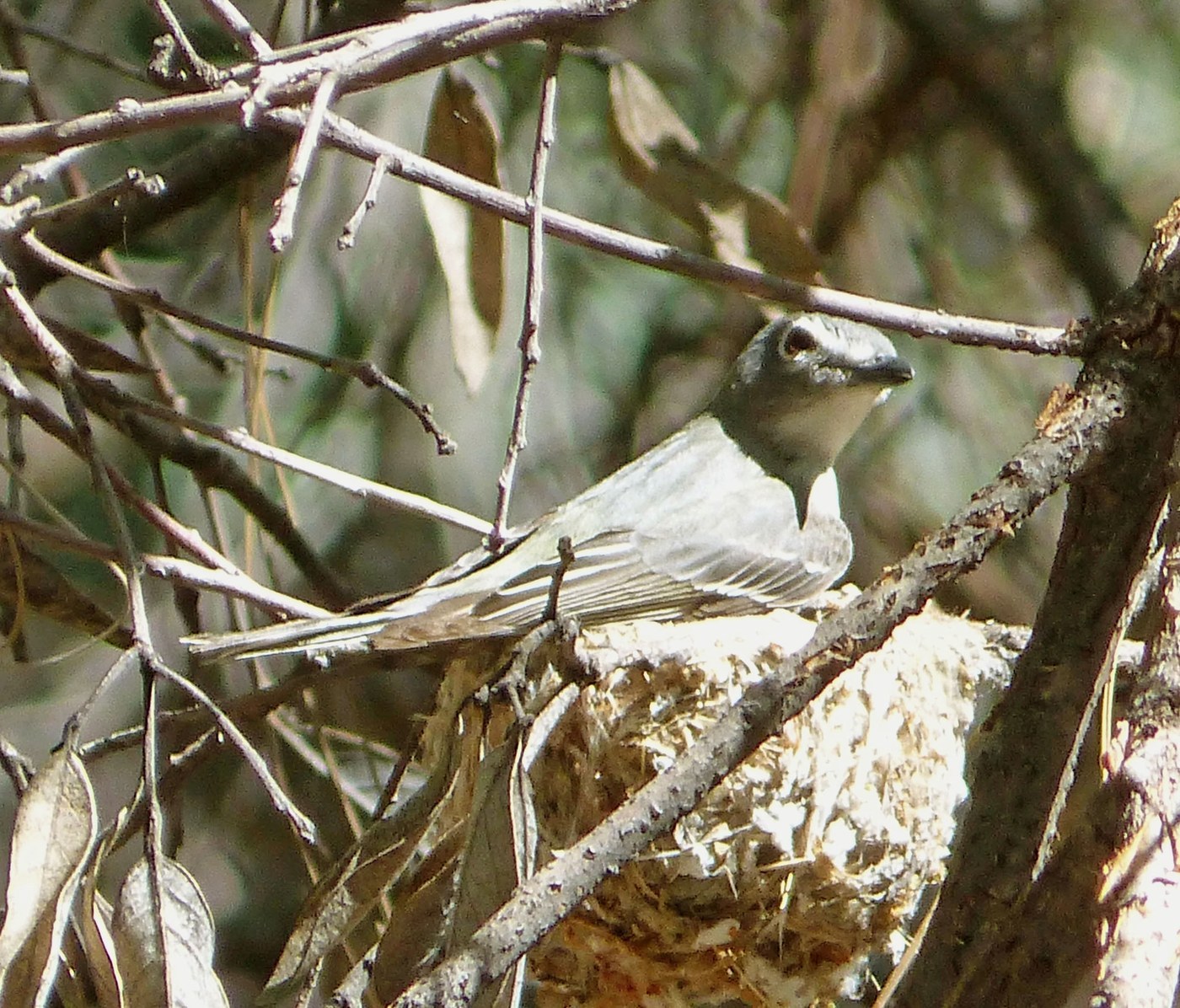
Plumbeous Vireo
Vireo plumbeus
The grayest member of the former 'Solitary Vireo' complex, an interior western species of pine-oak forest with white spectacles and no olive or yellow tones.
- Size
- 12-14 cm (5-5.5 in) long, 21-24 cm wingspan
- Habitat
- pine-oak and coniferous forests of the interior southwestern United States and Rocky Mountain region
- Type
- songbird
Spotted a bird like this?
Identify any bird from a photo, free.
Overview
The Plumbeous Vireo is the plainest and grayest of the three species split from the former "Solitary Vireo" complex. Unlike its relatives Blue-headed and Cassin's Vireo, it shows essentially no olive-green or yellow tones—its head, back, and wings are all a uniform slate gray, with clean white underparts and bold white spectacles. Two white wing bars are usually present, though sometimes faint.
It breeds in the mountains and canyon woodlands of the interior Southwest and Rocky Mountain states, favoring pine-oak and ponderosa pine forest.
How to identify it
Key field marks
- Uniform slate-gray upperparts with no olive or yellow wash
- Bold white spectacles
- Clean white underparts
- Two (often faint) white wing bars
Similar species
- Cassin's Vireo: shows olive-green tones on the back and pale yellow on the flanks.
- Blue-headed Vireo: bluer head with sharp contrast against a white throat and olive back; mostly eastern range.
- Gray Vireo: also plain gray, but lacks bold white spectacles (only a thin eye-ring) and has a longer tail that it often flicks.
Habitat & range
Range and habitat
Plumbeous Vireo breeds through the interior Southwest and southern Rocky Mountains—Arizona, New Mexico, Colorado, Utah, and parts of Texas—favoring pine-oak woodland, ponderosa pine forest, and mountain canyons.
Migration
Migrates to winter mainly in Mexico, arriving on the breeding grounds relatively late in spring.
Behavior & voice
Behavior
Forages methodically in the mid- to upper canopy of pines and oaks, gleaning insects from needles and leaves in typical deliberate vireo fashion.
Voice
A slow, burry, warbled series of short phrases, similar in cadence to Blue-headed and Cassin's Vireos.
Feeding
Insects and caterpillars form the bulk of the diet during the breeding season, with berries eaten more in fall and winter.
Nesting and breeding
Builds a hanging cup nest in a fork of a pine or oak branch. The female incubates 3-5 eggs for roughly 2 weeks.
Frequently asked questions
What makes the Plumbeous Vireo different from other 'Solitary Vireo' species?
It is the grayest of the three, lacking the olive-green back and yellow flank wash shown by Cassin's and Blue-headed Vireos.
Where does the Plumbeous Vireo breed?
In pine-oak and coniferous forests of the interior southwestern United States and southern Rocky Mountains.
How can you tell Plumbeous Vireo from Gray Vireo?
Plumbeous Vireo has bold white spectacles and wing bars, while Gray Vireo has only a thin eye-ring, no strong wing bars, and a longer tail it often flicks.
What does the Plumbeous Vireo eat?
Mostly insects and caterpillars gleaned from foliage, plus berries outside the breeding season.
Plumbeous Vireo guides
In-depth guides for identifying, finding, and understanding Plumbeous Vireo.
Other birds you may enjoy
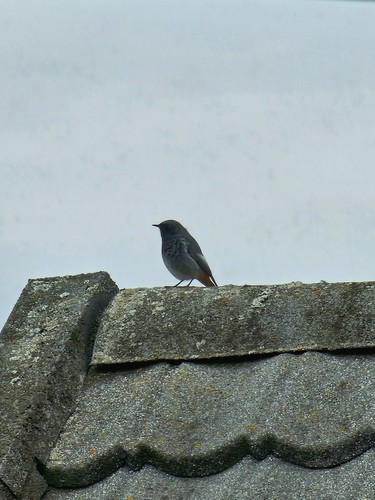
Black Redstart
13-14.5 cm (5.1-5.7 in) long, 23-26 cm wingspan
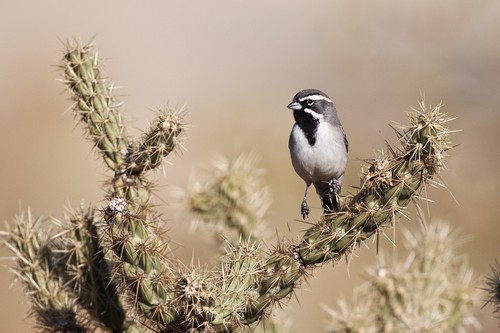
Black-throated Sparrow
12-14 cm (4.7-5.5 in) long, about 19-20 cm (7.5-8 in) wingspan
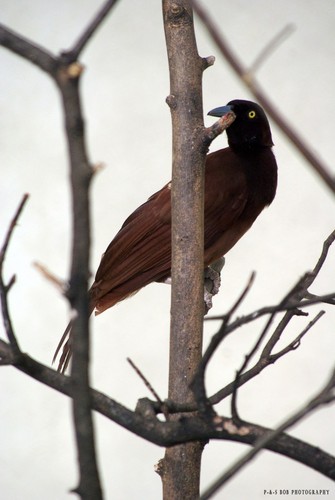
Greater Bird-of-paradise
Body about 43 cm; males with additional flank plumes up to 50 cm and long tail wires
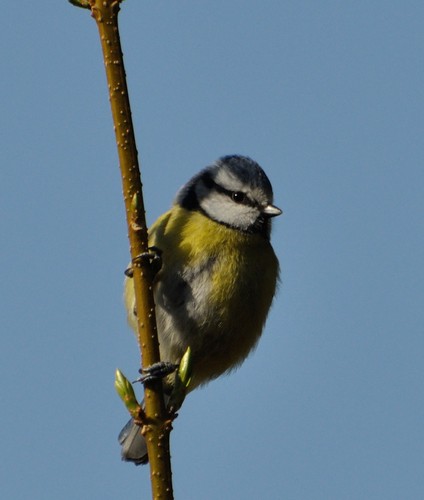
Blue Tit
11-12 cm (4.3-4.7 in) long, 17-20 cm wingspan

Red-billed Quelea
11.5–13 cm long, wingspan about 20–22 cm
White-plumed Antbird
13-14 cm (5-5.5 in) long
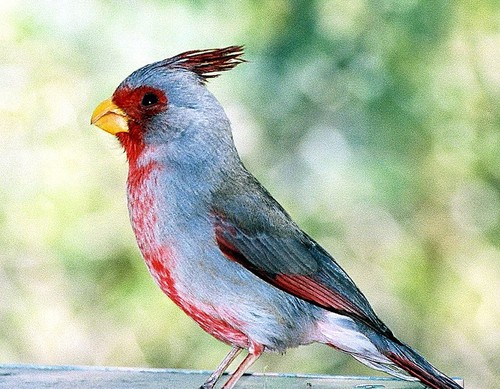
Pyrrhuloxia
19-22 cm (7.5-8.7 in) long, 30 cm wingspan
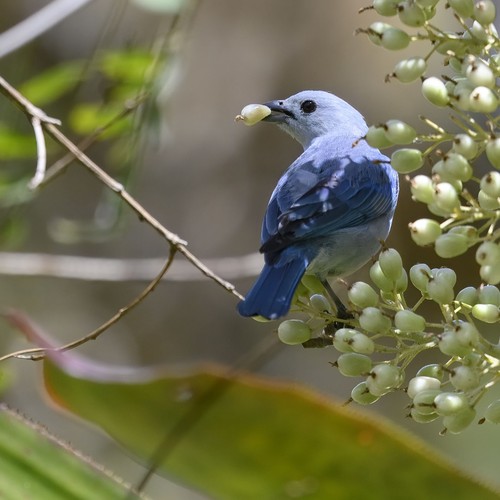
Blue-gray Tanager
16-18 cm (6-7 in) long
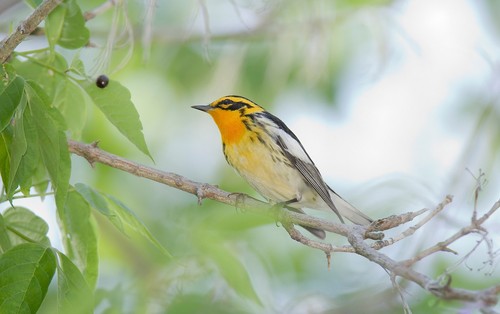
Blackburnian Warbler
11-13 cm (4.3-5.1 in) long, 20-22 cm wingspan
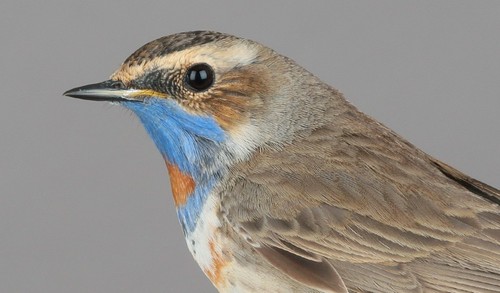
Bluethroat
13-14 cm (5.1-5.5 in) long, 20-22 cm wingspan
Eurasian Nuthatch
12-14.5 cm (4.7-5.7 in) long, 22.5-27 cm wingspan
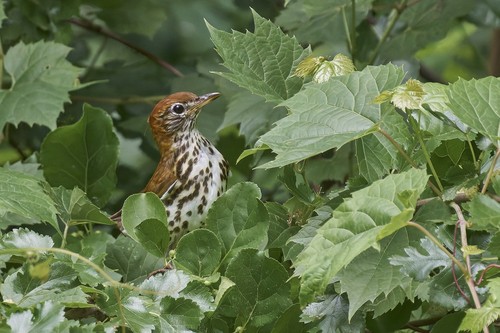
Wood Thrush
19-21 cm (7.5-8.3 in) long, about 33 cm (13 in) wingspan