
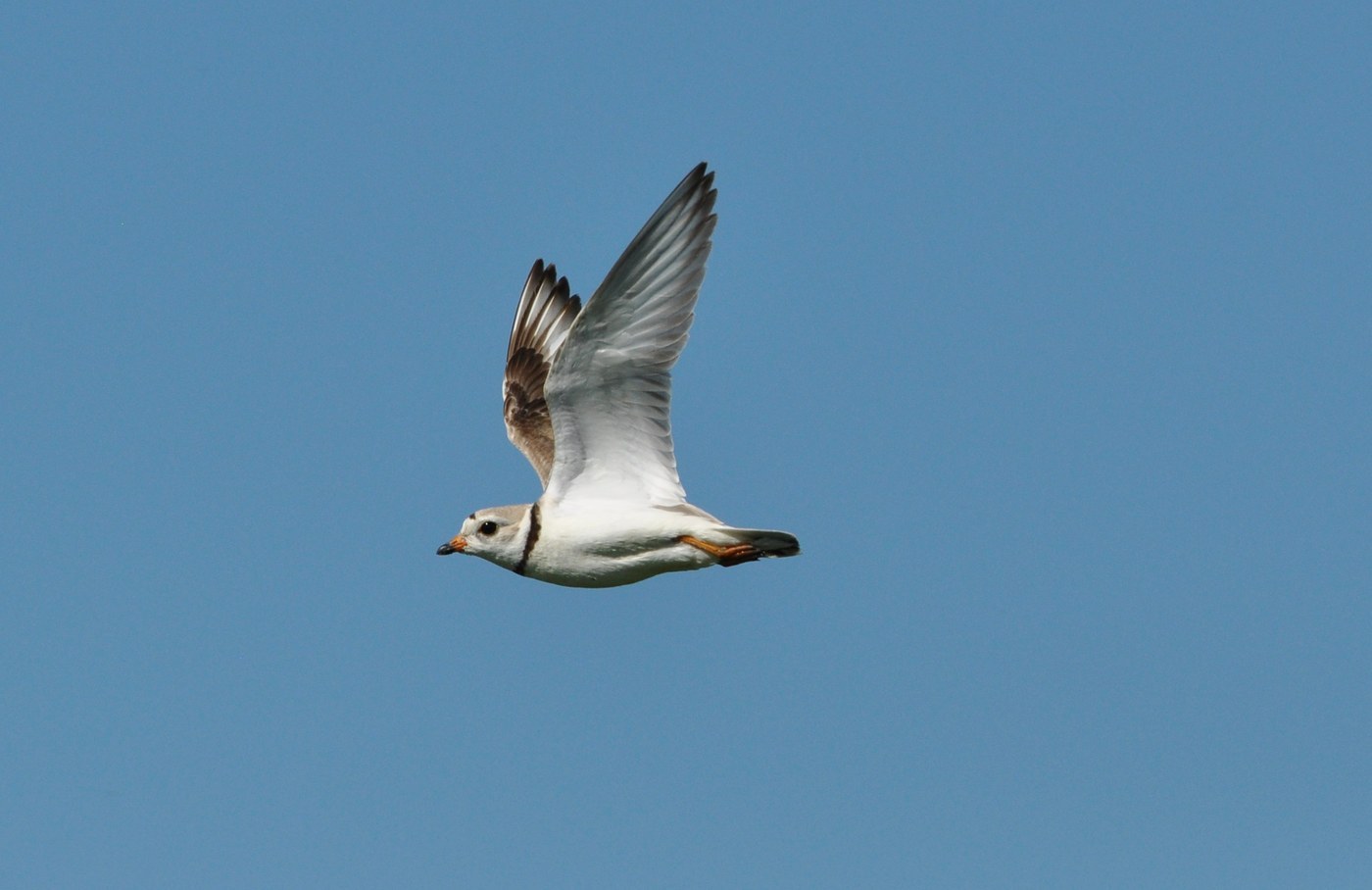
Piping Plover
Charadrius melodus
A tiny, pale, sand-colored plover of North American beaches, named for its plaintive piping whistle.
- Size
- 17-18 cm (6.5-7 in) long, 35-41 cm wingspan
- Habitat
- sandy ocean beaches, sandbars, and alkali lake shorelines
- Type
- shorebird
Spotted a bird like this?
Identify any bird from a photo, free.
Overview
The Piping Plover is a small, stocky shorebird so pale it nearly vanishes against dry sand. Its sandy-gray upperparts, white underparts, and short orange legs give it a ghostly, camouflaged look against beach habitat.
In breeding plumage, adults show a single dark breast band (sometimes incomplete), a black bar across the forehead, and an orange bill with a black tip. Non-breeding birds lose most of the black markings and look almost uniformly pale.
This species is a conservation icon in North America, where loss of undisturbed beach nesting habitat and human disturbance have made it one of the most closely monitored shorebirds on the continent.
How to identify it
Key field marks
- Very pale, sandy-gray upperparts that match dry sand
- Single dark breast band, often broken in the center
- Short, stubby orange-and-black bill (breeding) or all-dark bill (non-breeding)
- Orange legs
- Stocky, large-headed plover shape with big dark eye
Similar species
- Snowy Plover has thinner dark legs, a thinner all-dark bill, and incomplete side patches rather than a breast band.
- Semipalmated Plover is darker brown above with a complete breast band and shows partial webbing between toes.
- Wilson's Plover is larger with a notably thick, heavy black bill.
Habitat & range
Piping Plovers breed on open, sparsely vegetated sand and gravel beaches, sandbars, and alkaline lakeshores in three disjunct populations: the U.S. Atlantic Coast, the Great Lakes shoreline, and the Northern Great Plains (prairie pothole region).
Outside the breeding season they move to sandy beaches, tidal flats, and sandbars along the U.S. Atlantic and Gulf coasts, the Bahamas, and the Caribbean. They depend on wide, undisturbed stretches of open sand for both nesting and wintering.
Behavior & voice
Voice
A clear, melodic, whistled peep-lo or peep-peep-lo, softer and more musical than the calls of most other plovers—the source of the species' name.
Feeding
Forages by running in short bursts and pausing to snatch marine worms, insect larvae, and tiny crustaceans from the sand and wrack line, typical of the plover "run-stop-peck" style.
Nesting
Nests are simple scrapes in open sand, often lined with small pebbles or shell fragments, making eggs and chicks extremely well camouflaged but also vulnerable to being stepped on or disturbed. Both parents incubate and use distraction displays, including a "broken-wing" act, to lure predators away from the nest.
Frequently asked questions
Why is the Piping Plover considered threatened?
Loss of open, undisturbed beach nesting habitat to development and recreation, along with predation and human disturbance, has caused steep population declines, especially in the Great Lakes population.
How can you tell a Piping Plover from a Snowy Plover?
Piping Plovers have orange legs and a stubbier, mostly orange bill, while Snowy Plovers have darker legs and a thin, all-dark bill.
Where do Piping Plovers nest?
They nest in shallow scrapes on open sand or gravel along the Atlantic Coast, Great Lakes shorelines, and Northern Great Plains alkali lakes and rivers.
What does a Piping Plover eat?
Small invertebrates such as marine worms, insects, and tiny crustaceans picked from wet sand and the tideline.
Is the Piping Plover rare?
It is uncommon and declining; it is federally listed as threatened or endangered in parts of its U.S. range and classified Near Threatened globally.
Piping Plover guides
In-depth guides for identifying, finding, and understanding Piping Plover.
Other birds you may enjoy
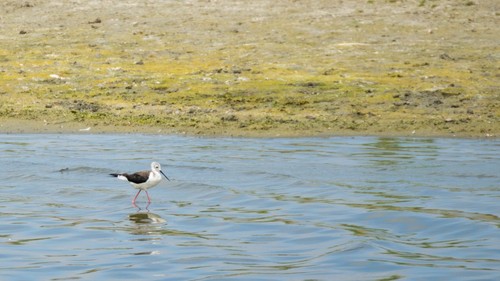
Black-winged Stilt
33-36 cm (13-14 in) long, wingspan 67-83 cm
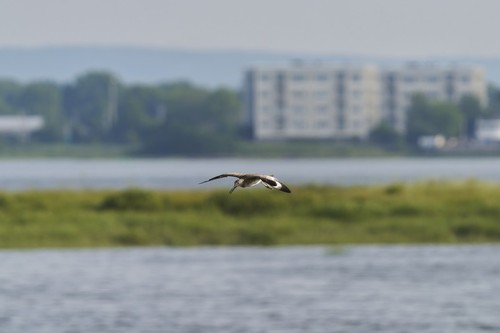
Willet
33-41 cm (13-16 in) long, 65-70 cm wingspan
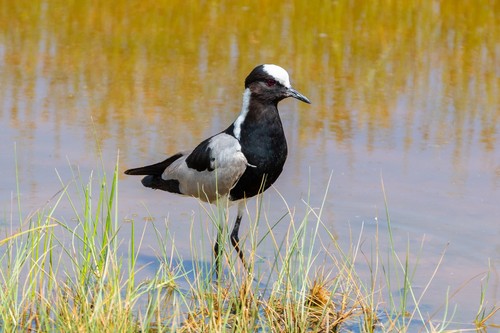
Blacksmith Lapwing
Body length about 30 cm; wingspan 55-65 cm
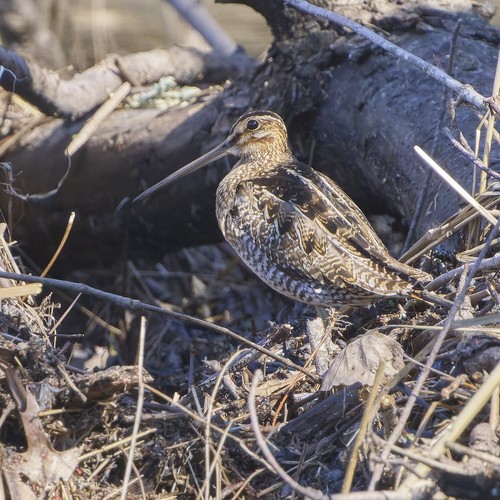
Wilson's Snipe
25-30 cm (10-12 in) long, 39-45 cm wingspan
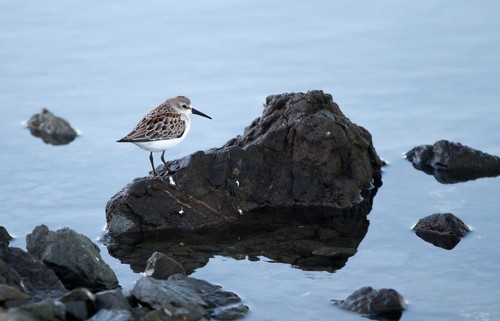
Western Sandpiper
14-17 cm (5.5-6.7 in) long, 28-37 cm wingspan
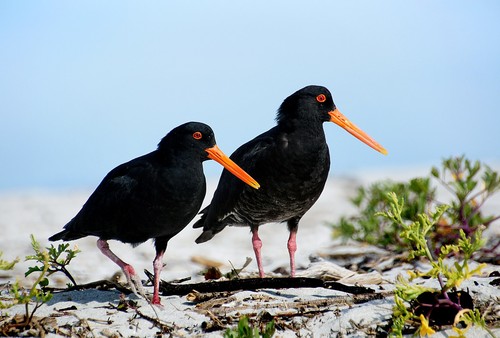
Variable Oystercatcher
46-49 cm (18-19 in) long
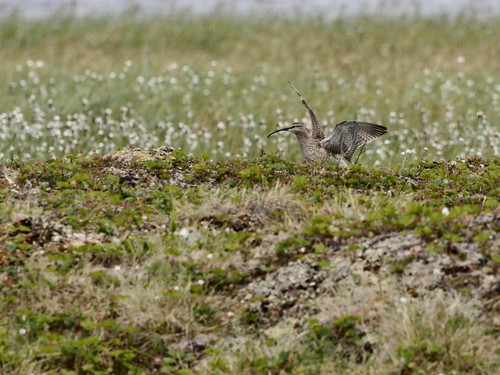
Whimbrel
40-46 cm (16-18 in) long, 76-89 cm wingspan
Wilson's Phalarope
22-24 cm (8.5-9.5 in) long, 37-43 cm wingspan
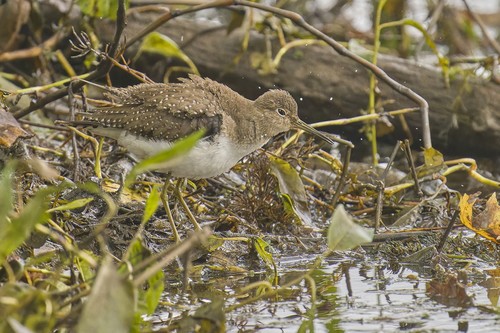
Solitary Sandpiper
19-23 cm (7.5-9 in) long, 50-56 cm wingspan
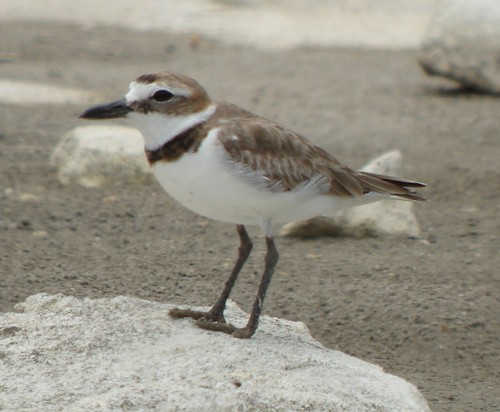
Wilson's Plover
17-19 cm (6.7-7.5 in) long, 45-50 cm wingspan
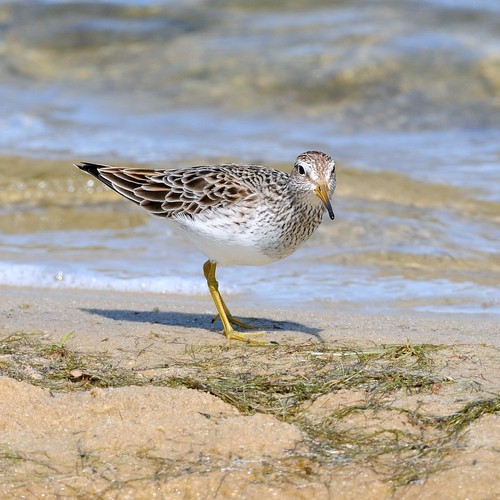
Pectoral Sandpiper
19-23 cm (7.5-9 in) long, 43-49 cm wingspan
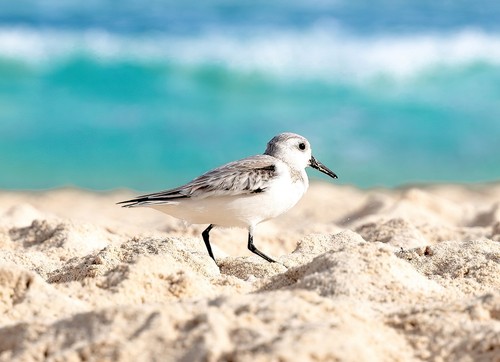
Sanderling
18-20 cm (7-8 in) long, 40-43 cm wingspan