
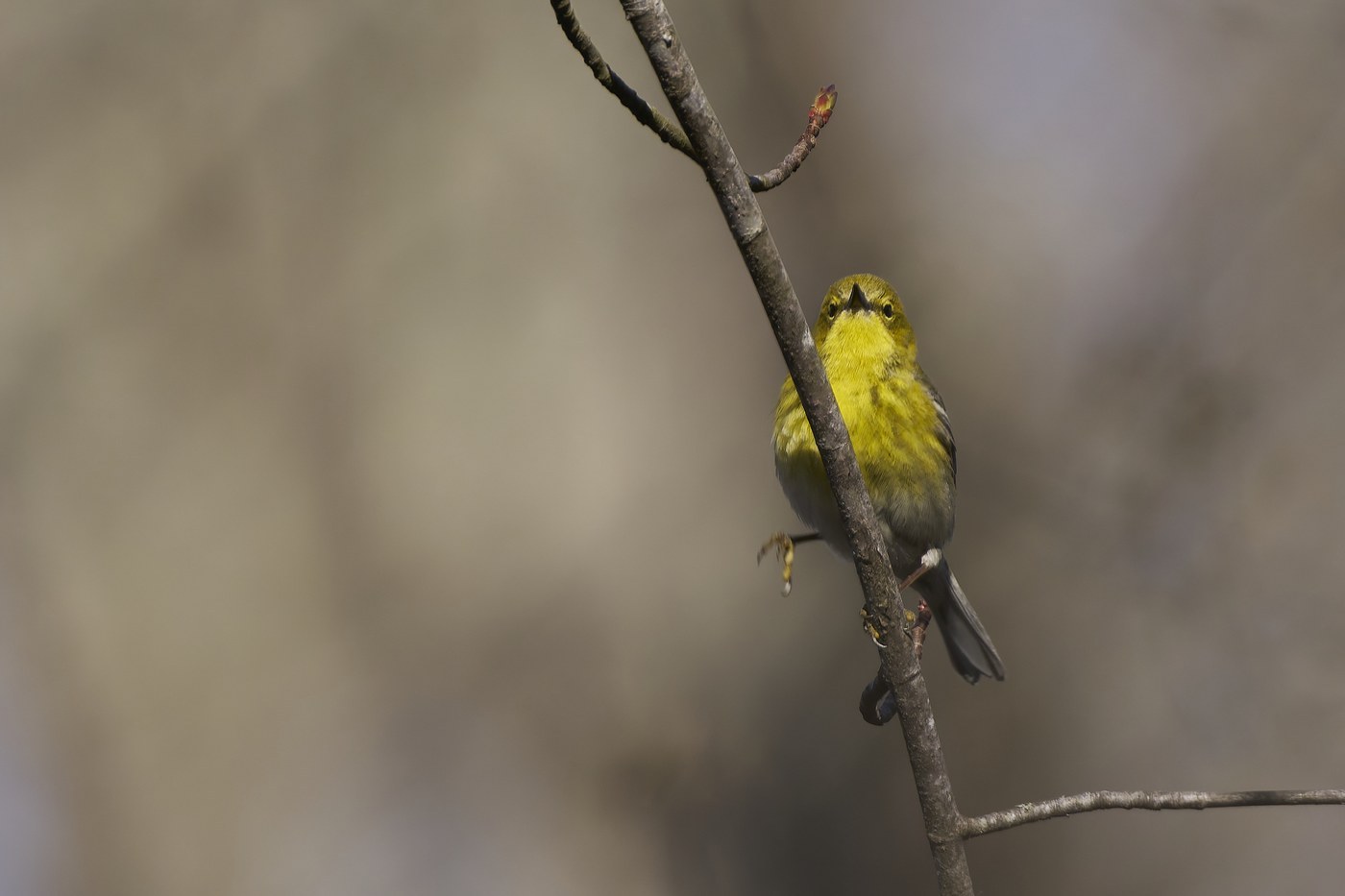
Pine Warbler
Setophaga pinus
A softly plumaged, olive-yellow warbler tightly tied to pine forests, notable among warblers for regularly eating seeds and visiting bird feeders.
- Size
- 12-15 cm (4.7-5.9 in) long, 20-23 cm wingspan
- Habitat
- pine and pine-dominated woodlands
- Type
- songbird
Spotted a bird like this?
Identify any bird from a photo, free.
Overview
The Pine Warbler is a somewhat plain but attractively soft-toned warbler that, true to its name, is found almost exclusively in pine-dominated woodlands throughout its range. Males show olive-yellow upperparts, a yellow throat and breast with faint blurry streaking, and white belly and undertail coverts, along with two bold white wingbars on gray-olive wings.
Females and immatures are duller and grayer overall, sometimes lacking much yellow at all. Unlike most warblers, which rely almost entirely on insects, Pine Warblers regularly eat pine seeds and other plant material, allowing some populations to remain resident year-round in the southeastern United States and occasionally visit backyard feeders offering suet or seed.
How to identify it
Key Field Marks
- Olive-yellow upperparts, unstreaked back
- Yellow throat and breast with faint, blurry (not sharp) streaking
- White belly and undertail coverts
- Two bold white wingbars on grayish wings
- Relatively heavy bill and stocky build compared to many warblers
Similar Species
Blackpoll and Bay-breasted Warblers in fall plumage can resemble Pine Warbler but show finer, sharper streaking and different leg color (Blackpoll has pale legs); Pine Warbler's blurry, indistinct streaking and dark legs help separate it. Yellow-throated Vireo has a heavier, hooked bill and bold yellow spectacles rather than the Pine Warbler's thin warbler bill and plainer face.
Habitat & range
Habitat
As its name suggests, this species is closely tied to pine and pine-dominated woodlands, including pine plantations, and is rarely found far from pine trees at any season.
Range
Pine Warblers breed across the eastern United States and southeastern Canada, wherever suitable pine forest occurs. Many southeastern populations are year-round residents, while northern breeders migrate south for winter.
Migration
This species is a short-distance migrant; northern populations move south in winter, generally to the southeastern United States, while resident populations in the Southeast remain in place throughout the year.
Behavior & voice
Behavior
Pine Warblers forage methodically through pine foliage, often moving more slowly and deliberately than many other warblers, and sometimes creep along branches somewhat like a Black-and-white Warbler.
Voice
The song is a musical, sweet trill, all on one pitch, similar to a Chipping Sparrow's trill but generally richer and more musical. The call is a soft 'chip.'
Feeding
It gleans insects and spiders from pine needles and bark, and regularly supplements its diet with pine seeds and other plant material, particularly in winter, occasionally visiting feeders for suet or sunflower seed.
Nesting & Breeding
The female builds a well-concealed cup nest high in a pine tree, typically far out on a horizontal branch amid dense needle clusters. She lays 3-5 eggs.
Frequently asked questions
Why is the Pine Warbler unusual among warblers?
It regularly eats pine seeds and other plant material in addition to insects, an unusual dietary flexibility among warblers that lets some populations remain resident through winter and even visit backyard feeders.
How do you identify a Pine Warbler?
Look for olive-yellow upperparts, a yellow breast with blurry (not sharp) streaking, white belly, and two bold white wingbars, typically found in or near pine trees.
Where do Pine Warblers live?
They live in pine and pine-dominated woodlands across the eastern United States and southeastern Canada, with many southeastern populations resident year-round.
What does a Pine Warbler sound like?
Its song is a musical, sweet trill on a single pitch, similar to but generally richer than a Chipping Sparrow's trill.
Will Pine Warblers visit bird feeders?
Yes, unlike most warblers, Pine Warblers sometimes visit feeders offering suet or sunflower seed, especially in winter when insects are scarce.
Pine Warbler guides
In-depth guides for identifying, finding, and understanding Pine Warbler.
Other birds you may enjoy
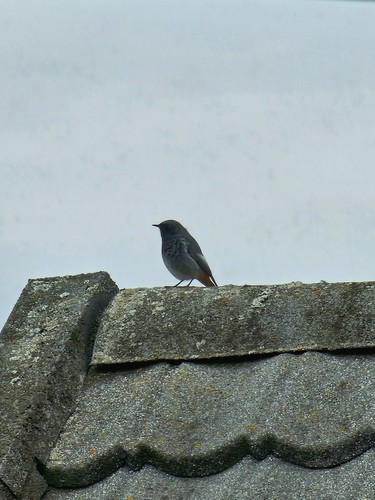
Black Redstart
13-14.5 cm (5.1-5.7 in) long, 23-26 cm wingspan
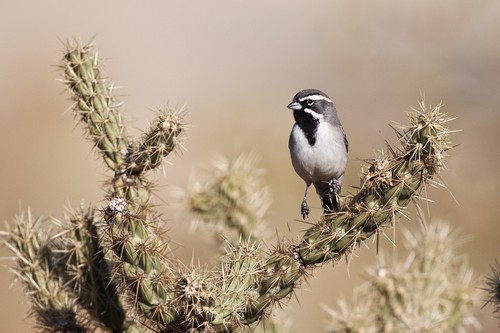
Black-throated Sparrow
12-14 cm (4.7-5.5 in) long, about 19-20 cm (7.5-8 in) wingspan
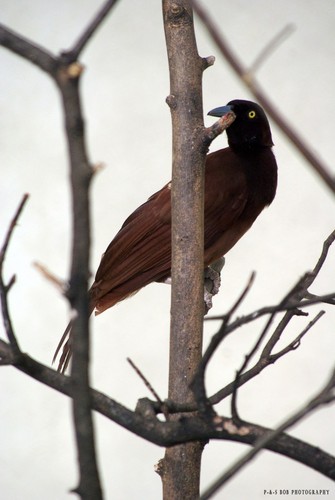
Greater Bird-of-paradise
Body about 43 cm; males with additional flank plumes up to 50 cm and long tail wires
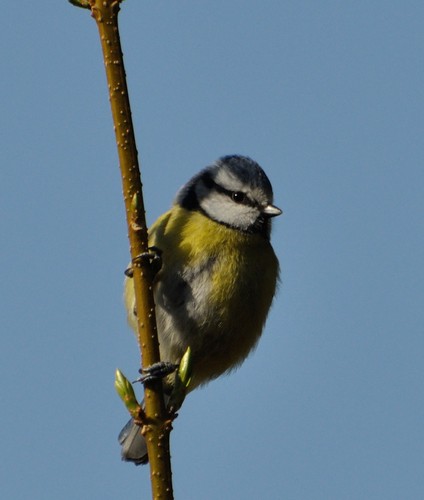
Blue Tit
11-12 cm (4.3-4.7 in) long, 17-20 cm wingspan
Red-billed Quelea
11.5–13 cm long, wingspan about 20–22 cm
White-plumed Antbird
13-14 cm (5-5.5 in) long
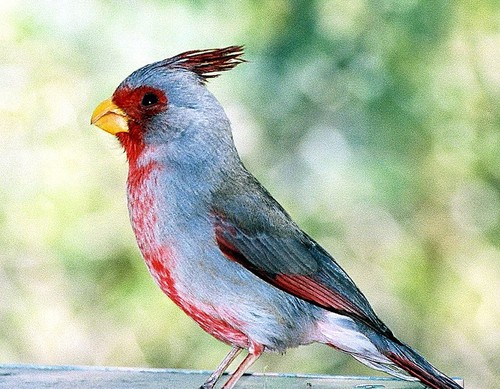
Pyrrhuloxia
19-22 cm (7.5-8.7 in) long, 30 cm wingspan
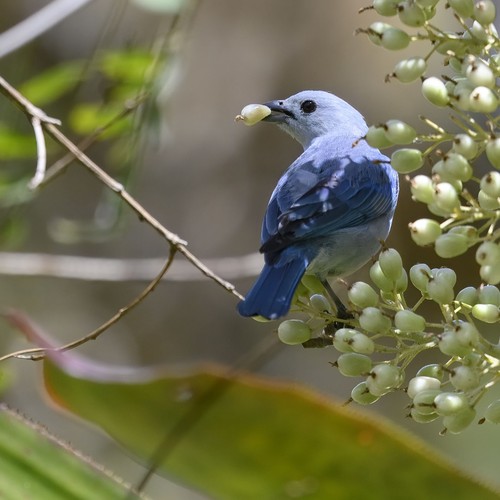
Blue-gray Tanager
16-18 cm (6-7 in) long
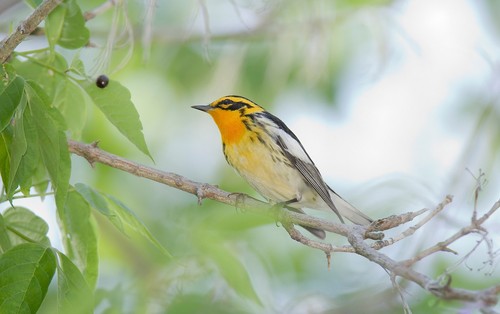
Blackburnian Warbler
11-13 cm (4.3-5.1 in) long, 20-22 cm wingspan
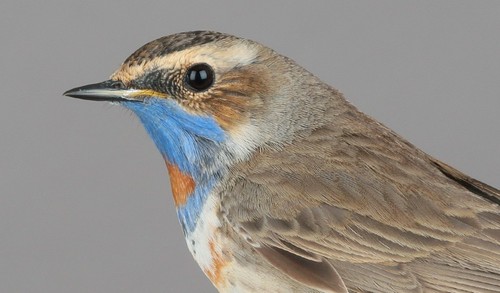
Bluethroat
13-14 cm (5.1-5.5 in) long, 20-22 cm wingspan
Eurasian Nuthatch
12-14.5 cm (4.7-5.7 in) long, 22.5-27 cm wingspan
Wood Thrush
19-21 cm (7.5-8.3 in) long, about 33 cm (13 in) wingspan