
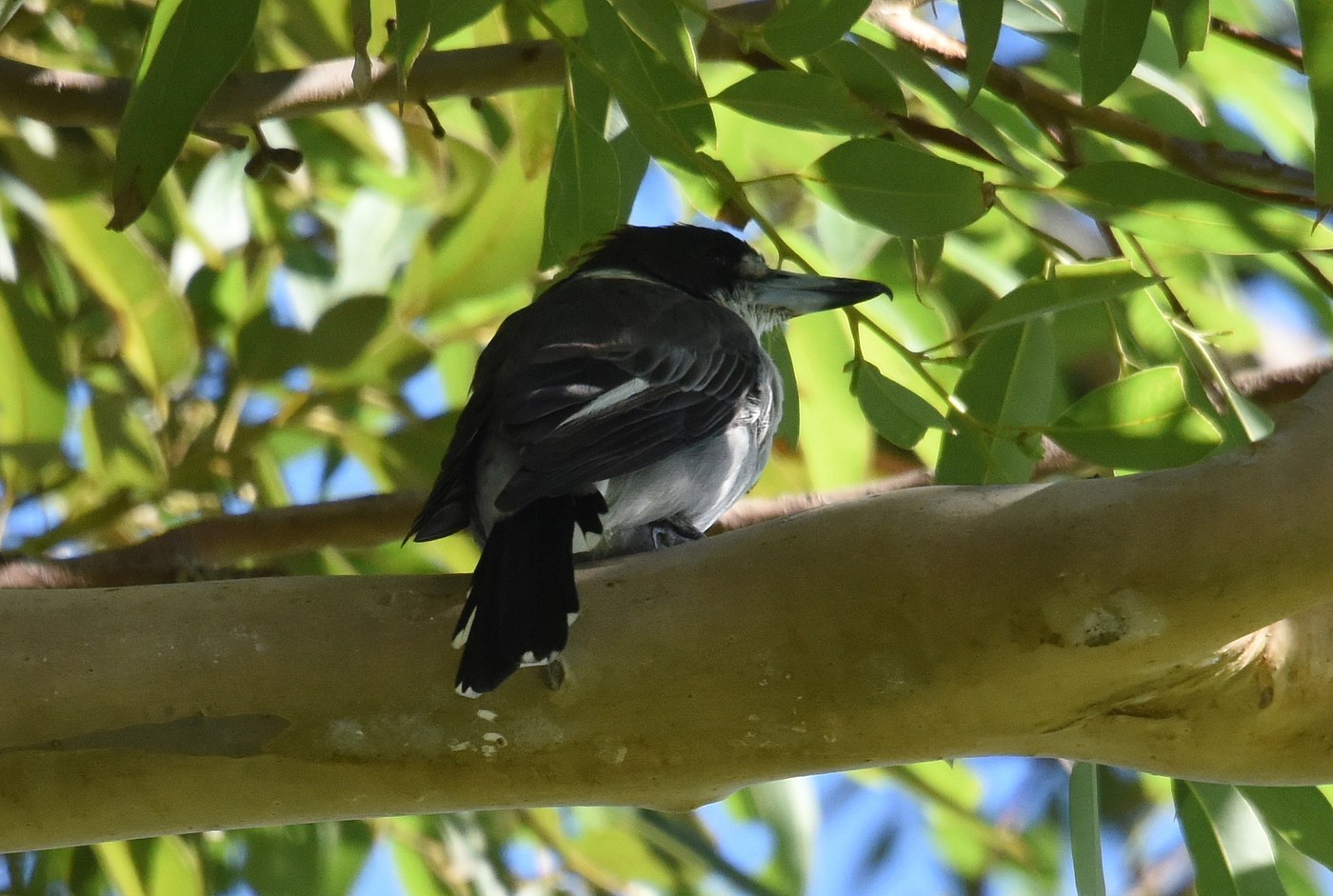
Pied Butcherbird
Cracticus nigrogularis
A bold black-and-white songbird with a hooked bill, celebrated for one of the most beautiful and flute-like songs of any Australian bird.
- Size
- 28-32 cm (11-13 in) long
- Habitat
- open woodland, farmland, and urban parks and gardens across mainland Australia
- Type
- songbird
Spotted a bird like this?
Identify any bird from a photo, free.
Overview
The Pied Butcherbird is a striking black-and-white bird with a solid black hood covering the head and throat, contrasting with a white collar and underparts, and black-and-white patterned wings and tail. A heavy, hooked, grey-and-black bill reflects its largely carnivorous diet, unusual among songbirds, which includes small vertebrates as well as insects.
Despite its predatory habits, the Pied Butcherbird is best known to most people for its extraordinarily rich, clear, flute-like song, widely regarded as among the most beautiful of any Australian bird and often performed as a duet between paired birds.
How to identify it
Key field marks
- Solid black hood covering the head and throat
- White collar and underparts
- Black-and-white patterned wings and tail
- Heavy, hooked grey-black bill
- Often perches prominently on exposed branches, wires, or posts
Similar species
- Grey Butcherbird: grey (not black) back and only a partial black mask rather than a full black hood.
- Australian Magpie: larger, with a straighter bill and different black-and-white pattern lacking a solid black hood.
- Magpie-lark: much smaller, with a slender bill and different facial markings.
Habitat & range
Habitat
Pied Butcherbirds favor open woodland, farmland with scattered trees, and urban parks and gardens, needing open ground for hunting and elevated perches for hunting and singing.
Range
The species is widespread across mainland Australia, occurring in every state except Tasmania, and is absent mainly from the densest forests and most extreme deserts.
Migration
Sedentary, with resident pairs or family groups holding permanent territories.
Behavior & voice
Behavior
Pied Butcherbirds hunt from prominent perches, dropping to the ground to seize prey, which is often impaled on thorns, forks in branches, or wedged into bark to be torn apart or stored, a behavior that gives the family its common name.
Voice
The song is a series of rich, clear, flute-like whistled phrases, often delivered at dawn or dusk and sometimes sung as an antiphonal duet between mated pairs; the species is well known for its beautiful, musical calls.
Feeding
Diet is largely carnivorous, including large insects, small reptiles, small birds and mammals, and carrion, along with some fruit.
Nesting and breeding
Nests are bowl-shaped structures of sticks built in tree forks. Clutches typically contain three to five pale eggs marked with darker blotches, incubated mainly by the female, with the male and any helper birds assisting in feeding the young.
Frequently asked questions
Why is it called a butcherbird?
Pied Butcherbirds often impale prey on thorns or wedge it into bark to tear it apart or store it, a habit reminiscent of a butcher's hook, which gives the family its name.
What does a Pied Butcherbird sound like?
It has a rich, clear, flute-like song considered one of the most beautiful of any Australian bird, often sung as a duet between paired birds at dawn or dusk.
What do Pied Butcherbirds eat?
They are largely carnivorous, taking large insects, small reptiles, small birds and mammals, and carrion, along with some fruit.
How do you tell a Pied Butcherbird from a Grey Butcherbird?
The Pied Butcherbird has a solid black hood over the head and throat, while the Grey Butcherbird has a grey back and only a partial black mask.
Pied Butcherbird guides
In-depth guides for identifying, finding, and understanding Pied Butcherbird.
Other birds you may enjoy
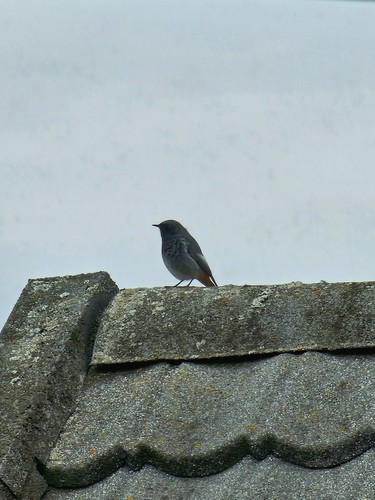
Black Redstart
13-14.5 cm (5.1-5.7 in) long, 23-26 cm wingspan
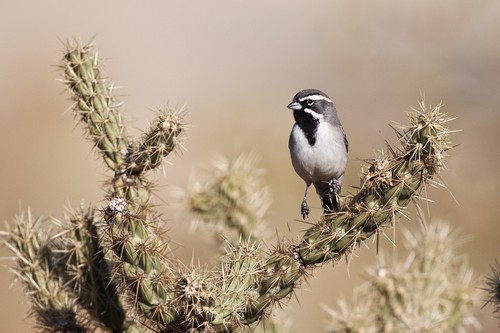
Black-throated Sparrow
12-14 cm (4.7-5.5 in) long, about 19-20 cm (7.5-8 in) wingspan
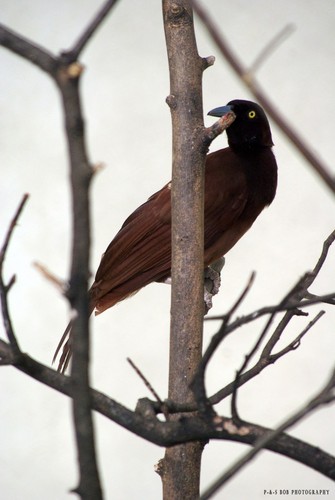
Greater Bird-of-paradise
Body about 43 cm; males with additional flank plumes up to 50 cm and long tail wires
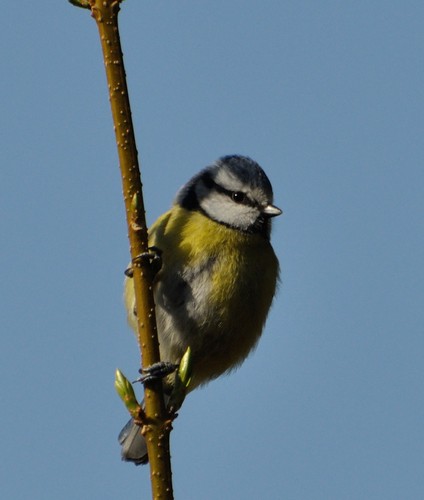
Blue Tit
11-12 cm (4.3-4.7 in) long, 17-20 cm wingspan
Red-billed Quelea
11.5–13 cm long, wingspan about 20–22 cm
White-plumed Antbird
13-14 cm (5-5.5 in) long
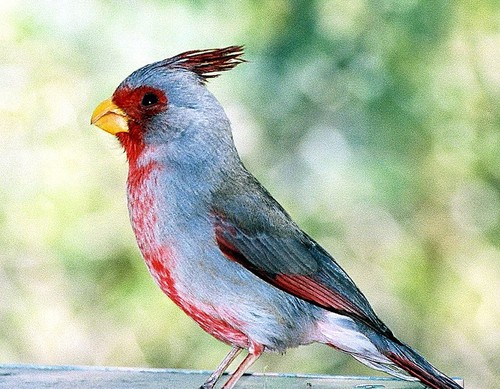
Pyrrhuloxia
19-22 cm (7.5-8.7 in) long, 30 cm wingspan
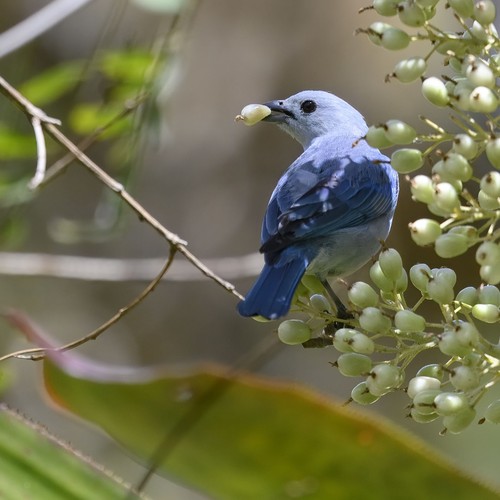
Blue-gray Tanager
16-18 cm (6-7 in) long
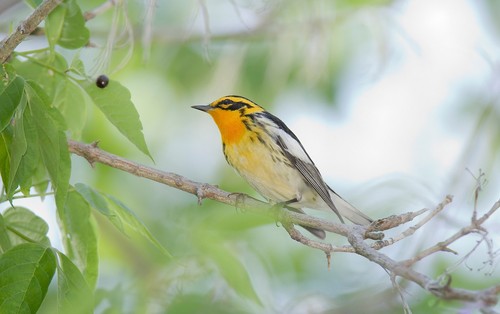
Blackburnian Warbler
11-13 cm (4.3-5.1 in) long, 20-22 cm wingspan
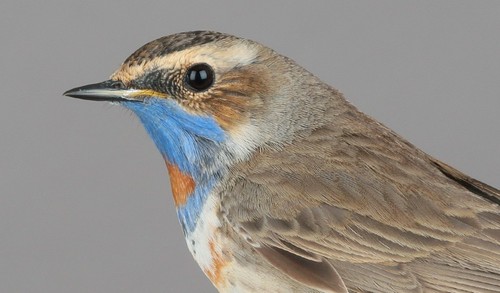
Bluethroat
13-14 cm (5.1-5.5 in) long, 20-22 cm wingspan
Eurasian Nuthatch
12-14.5 cm (4.7-5.7 in) long, 22.5-27 cm wingspan
Wood Thrush
19-21 cm (7.5-8.3 in) long, about 33 cm (13 in) wingspan