
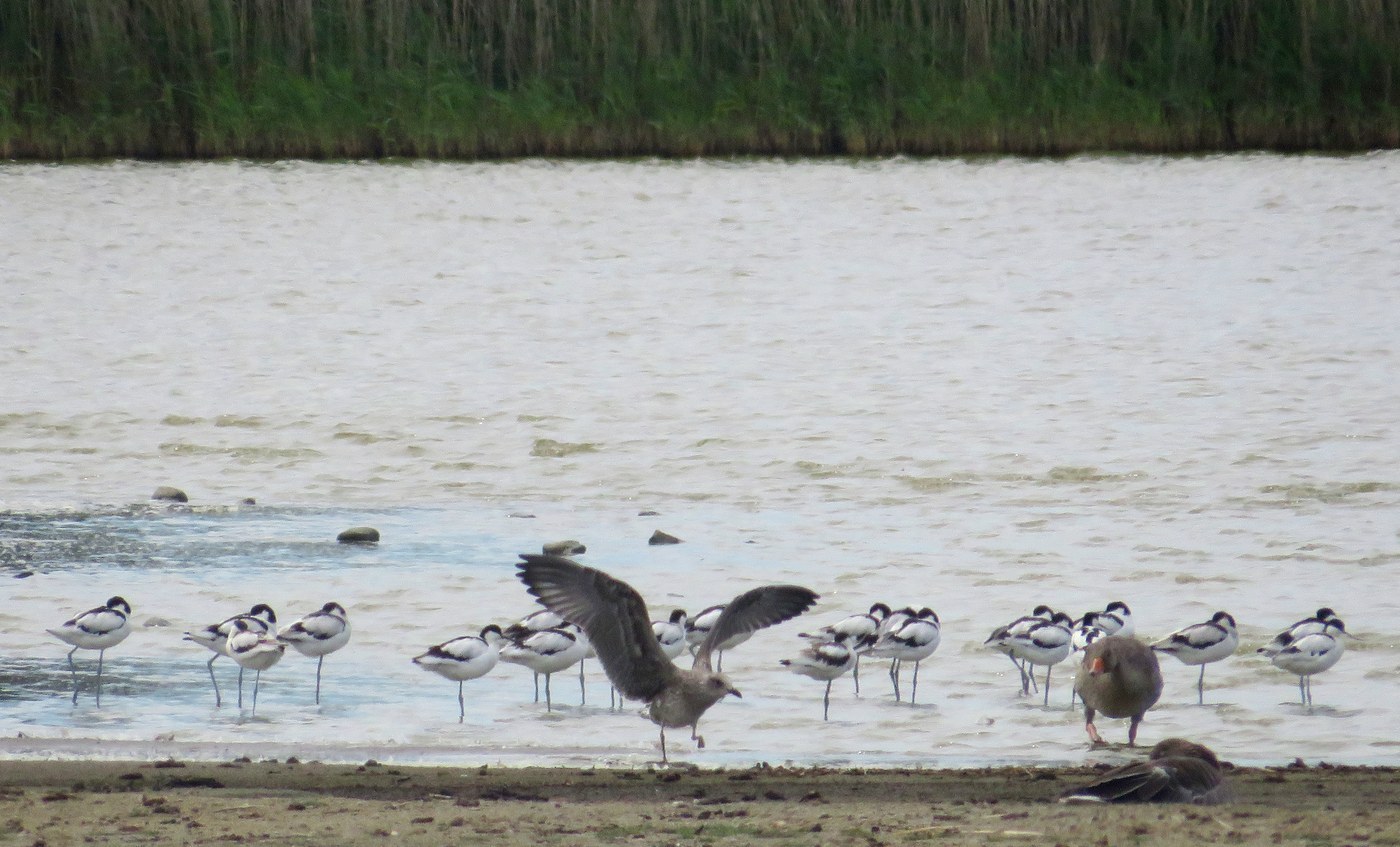
Pied Avocet
Recurvirostra avosetta
A striking black-and-white wader with a slender upturned bill, famous as the emblem of British bird conservation.
- Size
- 42-46 cm (16-18 in) long, wingspan 67-77 cm
- Habitat
- shallow coastal lagoons, estuaries, and salt pans across Europe, Africa, and Asia
- Type
- shorebird
Spotted a bird like this?
Identify any bird from a photo, free.
Overview
The Pied Avocet is an elegant, boldly patterned shorebird with crisp black-and-white plumage, a black cap and nape, black stripes across the wings and back, and a long, thin bill that curves distinctly upward. Its legs are long and blue-gray.
It is widely recognized as a conservation icon in Britain, where the species serves as the emblem of the RSPB after recolonizing the coast following habitat protection efforts.
How to identify it
Key field marks
- Crisp black-and-white pied plumage
- Black cap and nape
- Long, thin, strongly upturned bill
- Blue-gray legs
Similar species
The American Avocet shows cinnamon-orange head coloring in breeding plumage rather than black-and-white. The Black-winged Stilt has a straight bill and pink legs.
Habitat & range
Habitat
Shallow coastal lagoons, estuaries, salt pans, and inland saline wetlands.
Range and migration
Found across Europe, Africa, and Asia. European populations migrate to the Mediterranean, Africa, or milder coastal wintering areas, while some populations are resident.
Behavior & voice
Behavior
Feeds by sweeping its upturned bill from side to side through shallow water and soft mud; often rests standing on one leg in flocks outside the breeding season.
Voice
Sharp, fluting alarm calls, especially near nesting colonies.
Feeding
Aquatic insects, crustaceans, worms, and other small invertebrates detected by touch.
Nesting and breeding
Nests colonially on bare ground near water, with strong group defense against predators.
Frequently asked questions
Why is the Pied Avocet the RSPB's logo?
It symbolizes British bird conservation success, having recolonized England's coast in the 1940s after habitat protection efforts, following near-extirpation.
How does a Pied Avocet feed?
It sweeps its upturned bill from side to side through shallow water and mud to detect and catch small invertebrates.
How can you tell a Pied Avocet from an American Avocet?
The Pied Avocet has a black-and-white head, while the American Avocet's head and neck turn cinnamon-orange in breeding plumage.
Where do Pied Avocets live?
Shallow coastal lagoons, estuaries, and salt pans across Europe, Africa, and Asia.
Do Pied Avocets migrate?
Many northern and continental European populations migrate to milder coastal or African wintering areas, while some southern populations are resident.
Pied Avocet guides
In-depth guides for identifying, finding, and understanding Pied Avocet.
Other birds you may enjoy
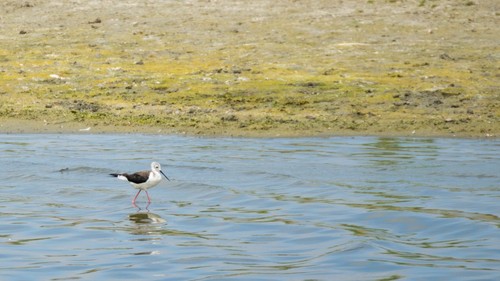
Black-winged Stilt
33-36 cm (13-14 in) long, wingspan 67-83 cm
Willet
33-41 cm (13-16 in) long, 65-70 cm wingspan
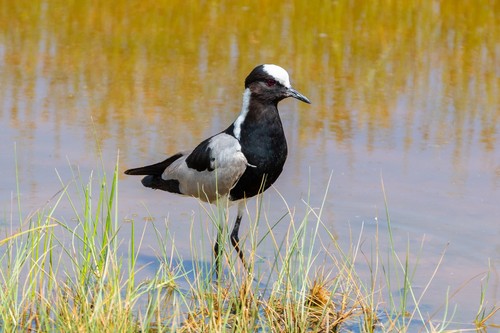
Blacksmith Lapwing
Body length about 30 cm; wingspan 55-65 cm
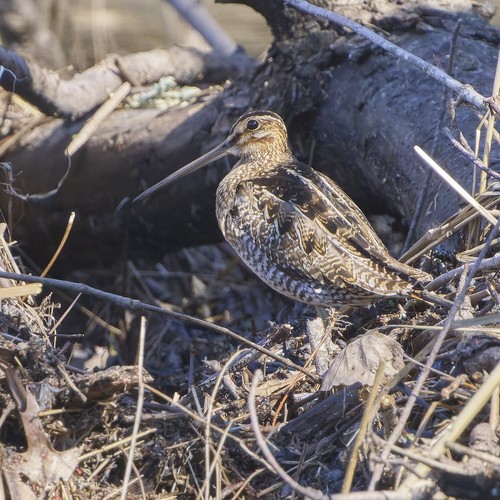
Wilson's Snipe
25-30 cm (10-12 in) long, 39-45 cm wingspan
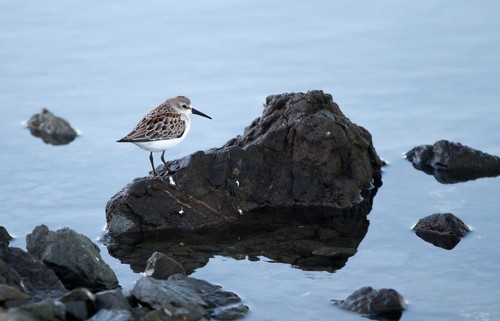
Western Sandpiper
14-17 cm (5.5-6.7 in) long, 28-37 cm wingspan
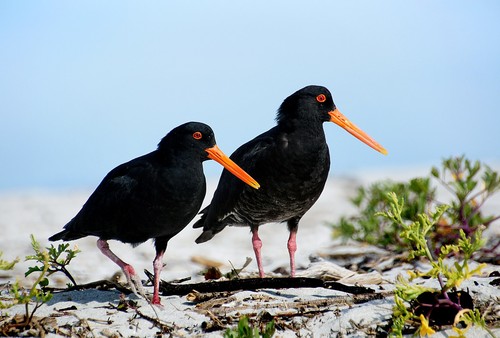
Variable Oystercatcher
46-49 cm (18-19 in) long
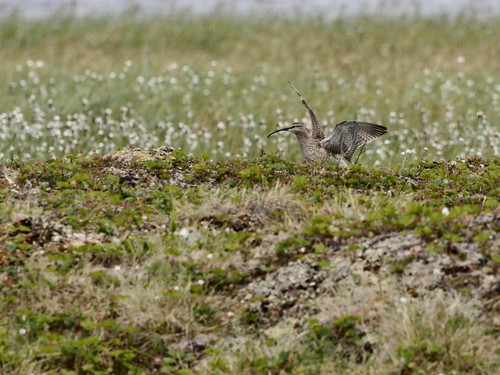
Whimbrel
40-46 cm (16-18 in) long, 76-89 cm wingspan
Wilson's Phalarope
22-24 cm (8.5-9.5 in) long, 37-43 cm wingspan
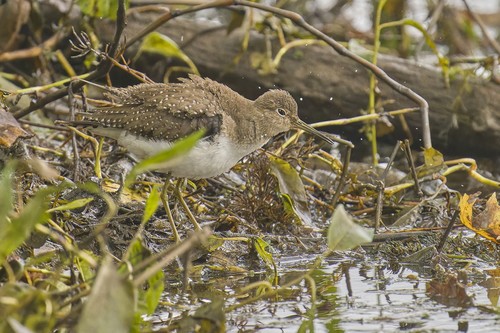
Solitary Sandpiper
19-23 cm (7.5-9 in) long, 50-56 cm wingspan
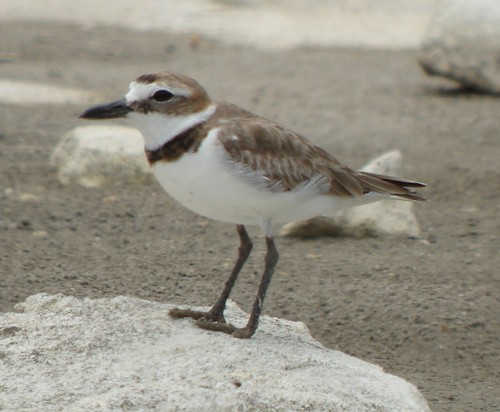
Wilson's Plover
17-19 cm (6.7-7.5 in) long, 45-50 cm wingspan
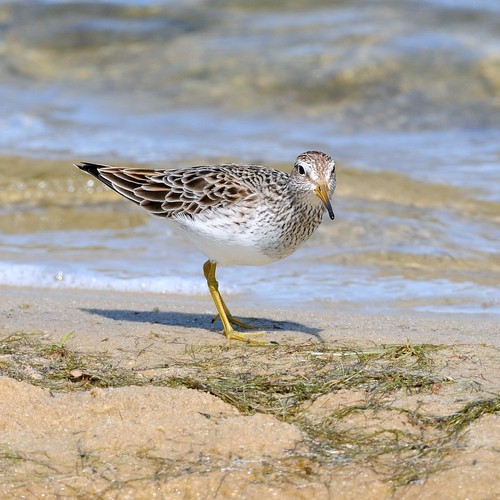
Pectoral Sandpiper
19-23 cm (7.5-9 in) long, 43-49 cm wingspan
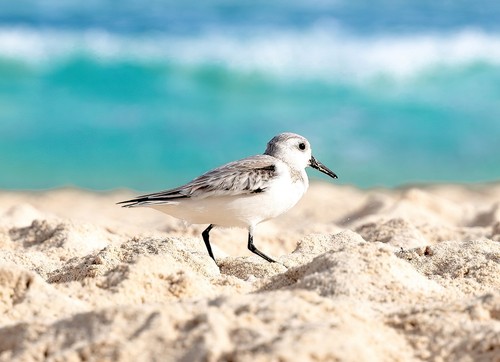
Sanderling
18-20 cm (7-8 in) long, 40-43 cm wingspan