
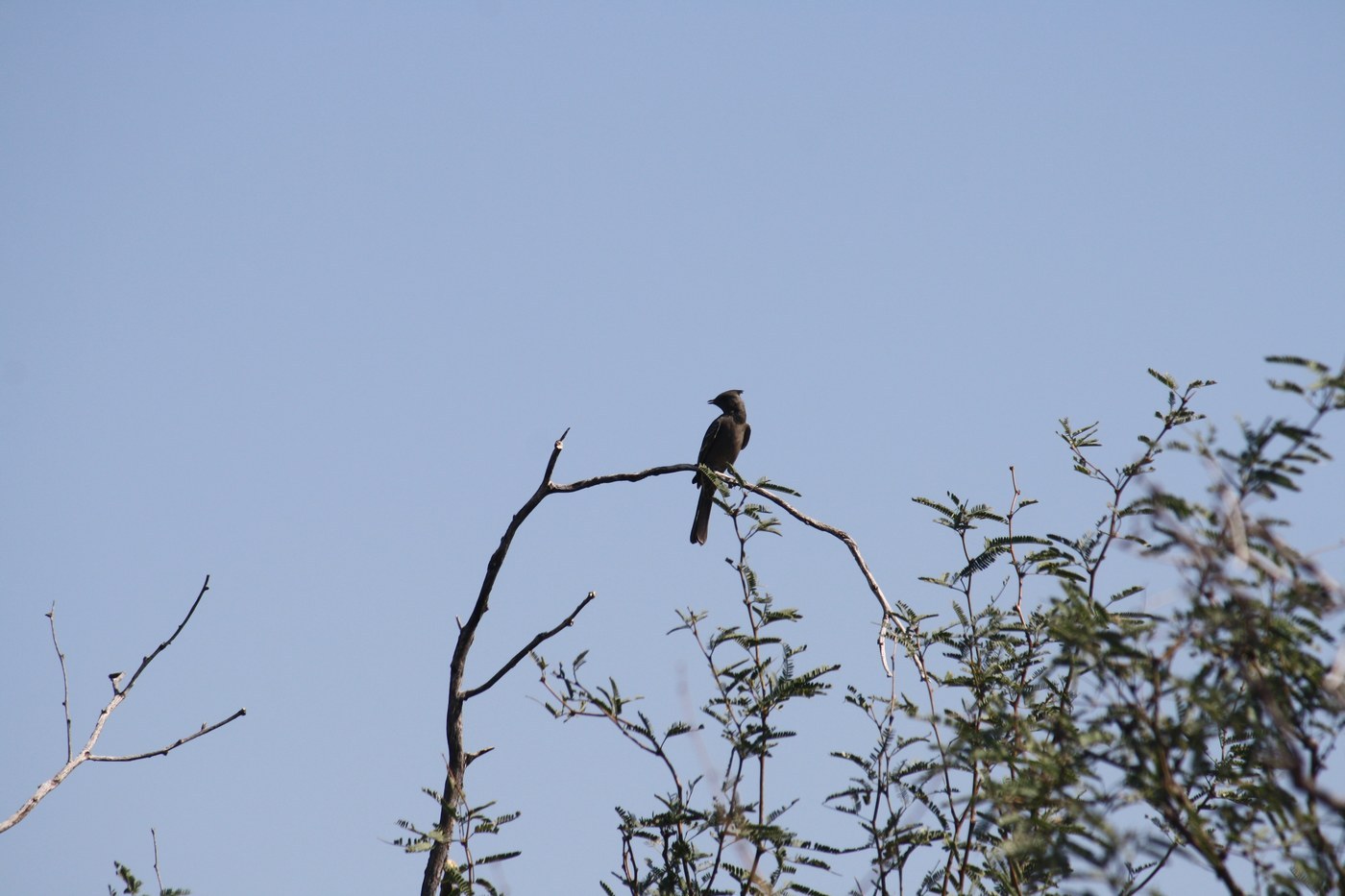
Phainopepla
Phainopepla nitens
A slim, crested desert songbird; glossy jet-black males and soft gray females that depend heavily on mistletoe berries.
- Size
- 19 cm (7.5 in) long, 27-30 cm (11-12 in) wingspan
- Habitat
- desert washes with mesquite and desert mistletoe, and oak-sycamore canyons
- Type
- songbird
Spotted a bird like this?
Identify any bird from a photo, free.
Overview
The Phainopepla is a slender, crested songbird of the desert Southwest, and the only silky-flycatcher species found in the United States. Its name comes from Greek for "shining robe," a fitting description of the adult male's glossy, satiny black plumage.
Males are a striking glossy black overall, with a wispy pointed crest and piercing red eyes; in flight, large white patches flash in the wings. Females and immatures are soft slate-gray with the same crest, red eyes, and white wing patches, but lack the male's glossy sheen. Both sexes have a long tail and an upright, alert posture, often perching prominently atop shrubs or mesquite.
How to identify it
Key field marks
- Slim body with a thin, pointed crest and long tail
- Bright red eyes in both sexes
- Adult male: glossy black overall with white primary patches visible in flight
- Female/immature: uniform soft gray with the same white wing flashes
- Upright, watchful perching posture atop exposed shrubs
Similar species
Male Phainopeplas can be mistaken for a small black cardinal or cowbird at a glance, but the wispy crest, red eyes, slender build, and flashing white wing patches in flight are diagnostic. No other North American desert songbird combines a crest with all-black, glossy plumage and red eyes.
Habitat & range
Habitat
Phainopeplas are closely tied to desert mistletoe, which grows as a parasite on mesquite, palo verde, and acacia in desert washes. In late spring and summer many move to cooler oak and sycamore woodlands in foothill canyons.
Range
Found from the southwestern United States (California, Arizona, New Mexico, Texas) south through much of Mexico. Some populations shift seasonally between low desert (winter/early spring, when mistletoe fruits peak) and higher-elevation woodlands (late spring/summer), an unusual double-breeding-ground strategy tied to fruit availability rather than a typical north-south migration.
Behavior & voice
Behavior
Phainopeplas perch conspicuously atop shrubs and trees, sallying out to catch flying insects in short, acrobatic flights, then returning to the same perch. Males aggressively defend mistletoe clumps as a winter food resource.
Voice
The call is a distinctive, querulous rising "wurp?" often given in flight. The song is a soft, disjointed warble, less often heard than the call.
Feeding and nesting
Mistletoe berries make up the bulk of the diet for much of the year, supplemented by insects, especially during the breeding season. Phainopeplas play a key role in dispersing mistletoe seeds through their droppings. Nests are small, well-camouflaged cups built in mistletoe clumps or tree forks; some pairs raise two broods in a single year at two different sites, an adaptation tied to their unusual seasonal movements.
Frequently asked questions
Why is the Phainopepla called a silky-flycatcher?
It belongs to the small silky-flycatcher family (Ptiliogonatidae), named for its sleek, silky-looking plumage combined with flycatcher-like foraging behavior.
What do Phainopeplas eat?
Mostly desert mistletoe berries, especially in winter and spring, supplemented with flying insects caught on the wing.
How can I tell a male from a female Phainopepla?
Males are glossy black with red eyes and a crest; females and immatures are plain soft gray with the same red eyes and crest.
Where do Phainopeplas live?
In desert washes with mesquite and mistletoe across the southwestern U.S. and Mexico, with some birds moving to oak-sycamore canyons in late spring and summer.
Do Phainopeplas migrate?
Rather than a simple north-south migration, many Phainopeplas shift between low desert habitats in winter and cooler woodland habitats in summer, tracking mistletoe fruit and insect abundance.
Phainopepla guides
In-depth guides for identifying, finding, and understanding Phainopepla.
Other birds you may enjoy
Black Redstart
13-14.5 cm (5.1-5.7 in) long, 23-26 cm wingspan
Black-throated Sparrow
12-14 cm (4.7-5.5 in) long, about 19-20 cm (7.5-8 in) wingspan
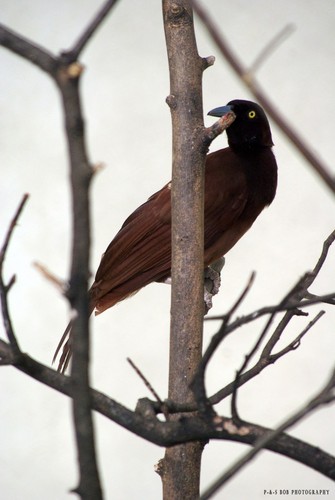
Greater Bird-of-paradise
Body about 43 cm; males with additional flank plumes up to 50 cm and long tail wires
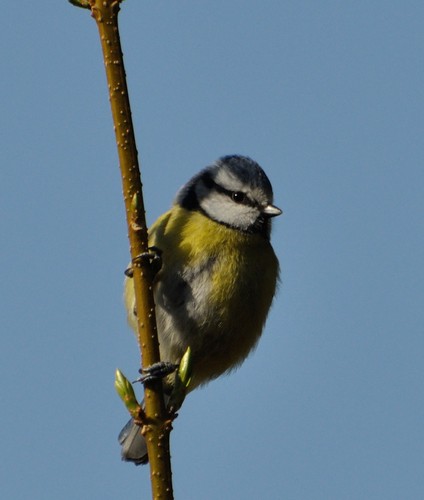
Blue Tit
11-12 cm (4.3-4.7 in) long, 17-20 cm wingspan

Red-billed Quelea
11.5–13 cm long, wingspan about 20–22 cm
White-plumed Antbird
13-14 cm (5-5.5 in) long
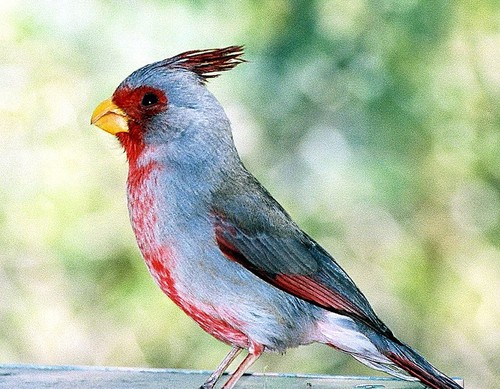
Pyrrhuloxia
19-22 cm (7.5-8.7 in) long, 30 cm wingspan
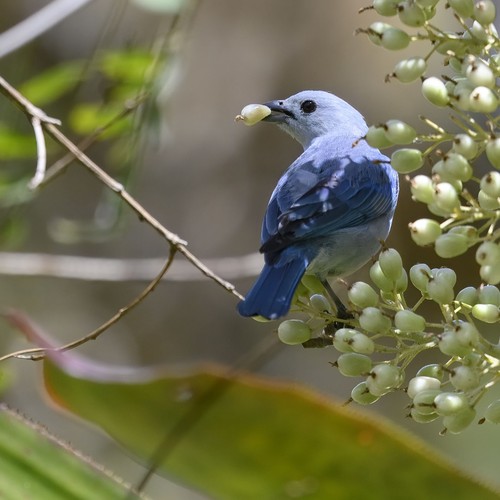
Blue-gray Tanager
16-18 cm (6-7 in) long
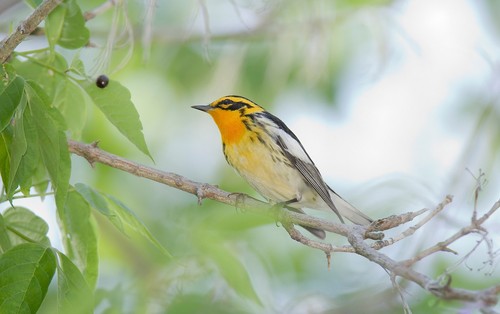
Blackburnian Warbler
11-13 cm (4.3-5.1 in) long, 20-22 cm wingspan
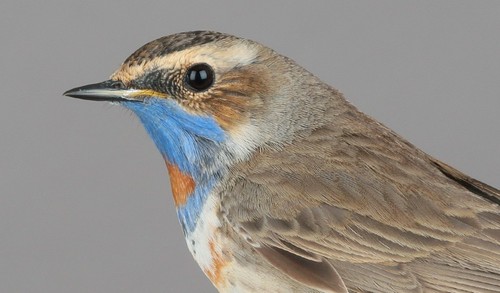
Bluethroat
13-14 cm (5.1-5.5 in) long, 20-22 cm wingspan
Eurasian Nuthatch
12-14.5 cm (4.7-5.7 in) long, 22.5-27 cm wingspan
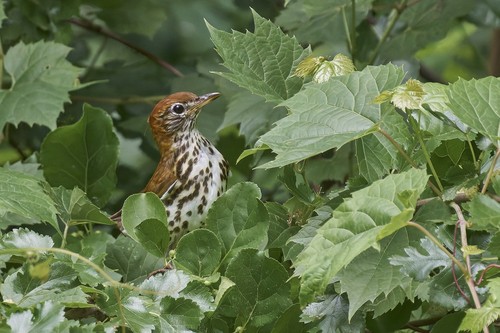
Wood Thrush
19-21 cm (7.5-8.3 in) long, about 33 cm (13 in) wingspan