
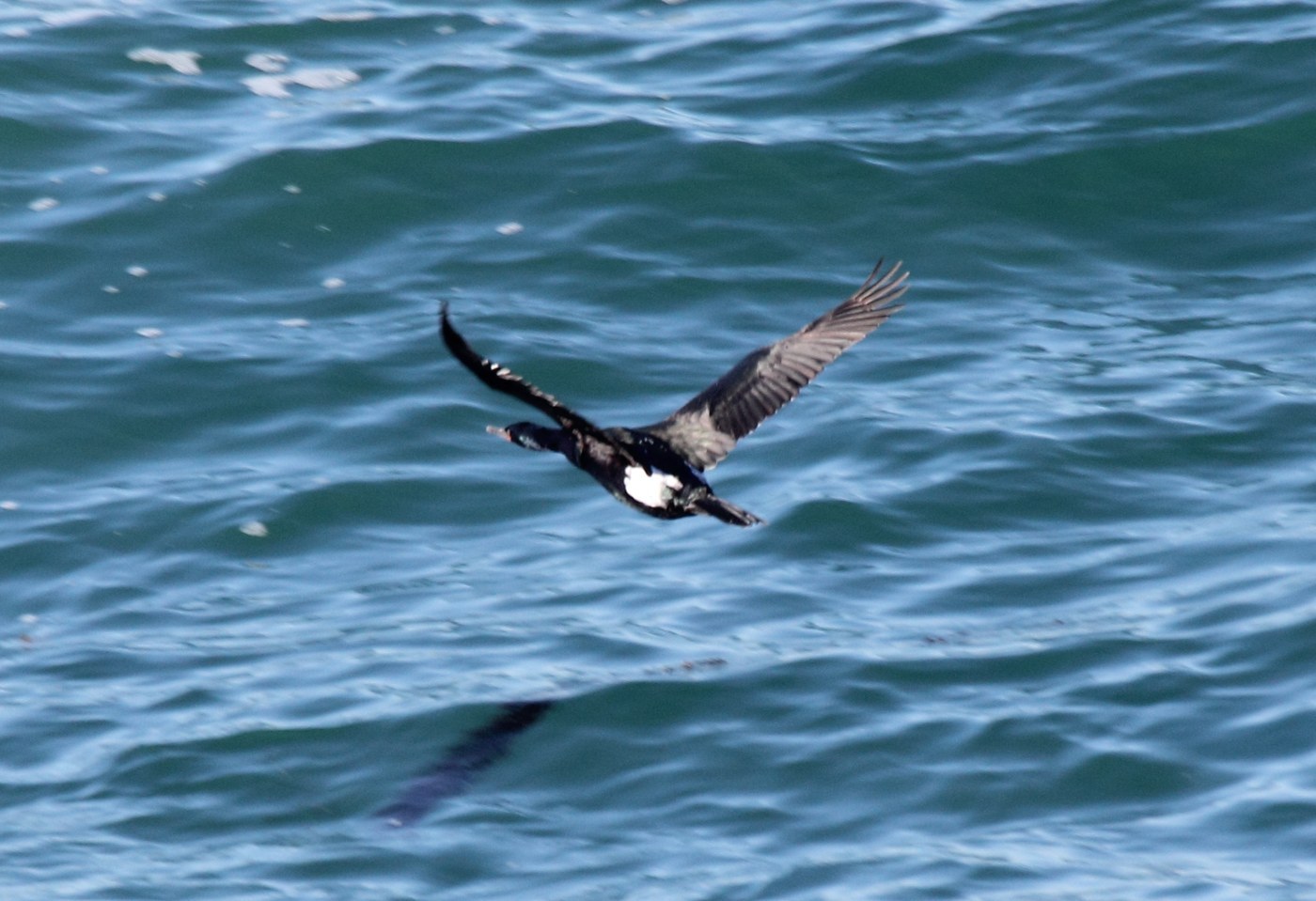
Pelagic Cormorant
Urile pelagicus
A slim, iridescent black-green cormorant of rugged North Pacific coastlines, showing a thin bill and small head crests in breeding plumage, nesting precariously on narrow sea cliff ledges.
- Size
- 63-76 cm (25-30 in) long, about 100 cm wingspan
- Habitat
- rocky coasts and cliffs of the North Pacific
- Type
- seabird
Spotted a bird like this?
Identify any bird from a photo, free.
Overview
The Pelagic Cormorant is a slender seabird of rocky North Pacific coastlines, generally the smallest and most delicate-looking cormorant found in its range. Despite its name, it is not truly pelagic in the sense of ranging far out to sea, staying instead close to rocky coastal habitats.
Appearance
Adults are glossy black overall with iridescent green and purple tones visible in good light, a notably thin bill compared to other cormorants, and red facial skin. Breeding adults show small crests on the crown and nape and scattered white flank patches.
How to identify it
Key field marks
- Slim build with a notably thin, delicate bill
- Glossy black plumage with green and purplish iridescence
- Red facial skin
- White flank patches and small head crests in breeding plumage
- Found close to rocky cliffs and shorelines rather than open water
Similar species
Compared to the larger, bulkier Brandt's Cormorant, the Pelagic Cormorant looks smaller and slimmer with a thinner bill and lacks the buffy throat patch of Brandt's Cormorant.
Habitat & range
Habitat and range
Pelagic Cormorants are found along rocky coastlines and sea cliffs of the North Pacific, from Alaska and northeastern Siberia south to Baja California and northern China/Japan, closely tied to steep, undisturbed cliff habitat for nesting.
Most populations are resident or make only short-distance movements, remaining near coastal waters year-round.
Behavior & voice
Behavior
Pelagic Cormorants dive from the surface to forage close to rocky bottoms and kelp beds, catching small fish and invertebrates, typically in nearshore waters rather than far offshore despite the species' name.
Voice
They are largely silent away from the nest, giving occasional low guttural croaks near breeding sites.
Nesting and breeding
They nest on narrow ledges of steep sea cliffs, often in small, loosely spaced groups rather than dense colonies, building nests of seaweed and debris cemented with guano. Typically three to four eggs are laid on precarious cliff ledges.
Frequently asked questions
Is the Pelagic Cormorant actually pelagic (ocean-going)?
Despite the name, it stays close to rocky coastlines rather than ranging far out over open ocean like truly pelagic seabirds.
How do you identify a Pelagic Cormorant?
Look for a slim body, a thin bill, glossy black-green plumage, red facial skin, and (in breeding season) small head crests and white flank patches.
Where does the Pelagic Cormorant nest?
On narrow ledges of steep sea cliffs along rocky North Pacific coastlines, often in small, loosely spaced groups.
How is the Pelagic Cormorant different from Brandt's Cormorant?
It is smaller and slimmer with a thinner bill, and lacks the buffy throat patch found in Brandt's Cormorant.
Pelagic Cormorant guides
In-depth guides for identifying, finding, and understanding Pelagic Cormorant.
Other birds you may enjoy
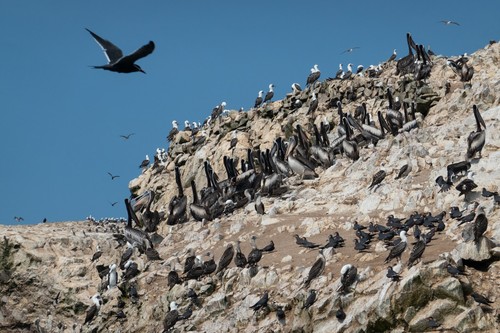
Peruvian Pelican
137-152 cm (54-60 in) long, up to 228 cm wingspan
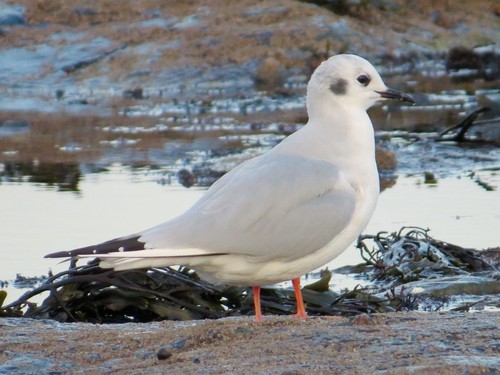
Bonaparte's Gull
28-33 cm (11-13 in) long, 76-84 cm wingspan
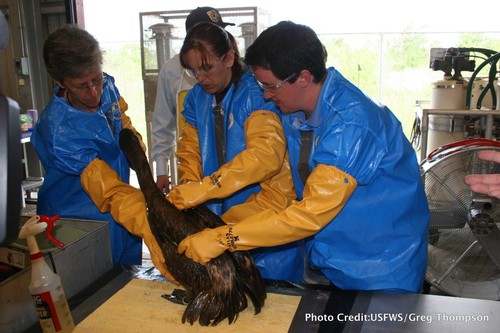
Brown Pelican
106-137 cm (42-54 in) long, 200-230 cm wingspan
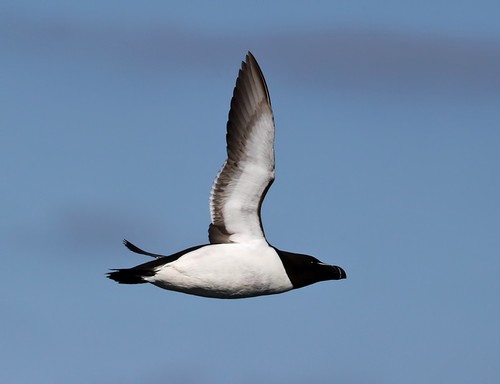
Razorbill
37-39 cm (15-15.5 in) long, 63-68 cm wingspan
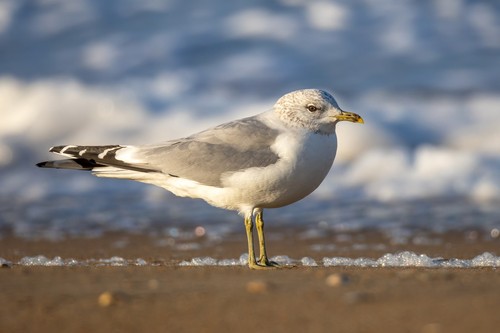
Common Gull
40-46 cm (16-18 in) long, 110-130 cm wingspan
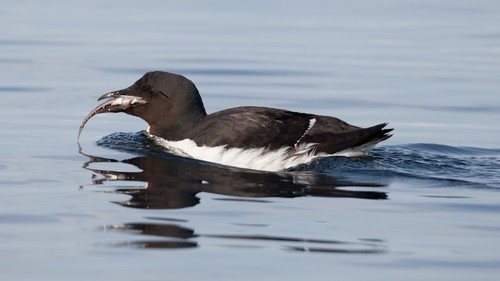
Thick-billed Murre
40-48 cm (16-19 in) long, 65-75 cm wingspan
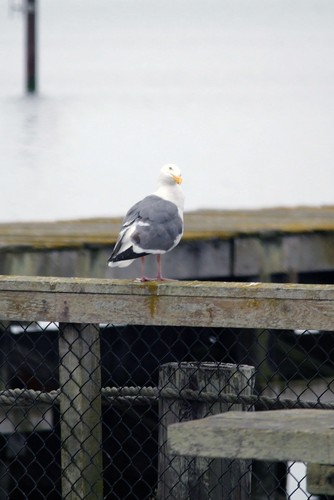
Western Gull
55-68 cm (22-27 in) long, 130-144 cm wingspan
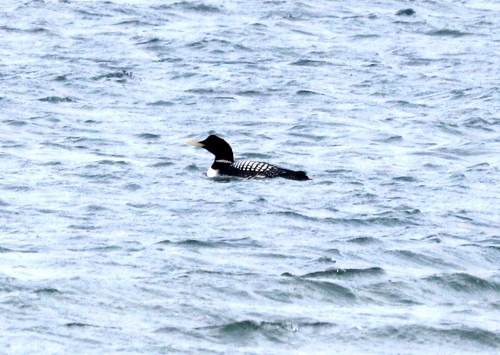
Yellow-billed Loon
76-97 cm (30-38 in) long, 135-152 cm wingspan
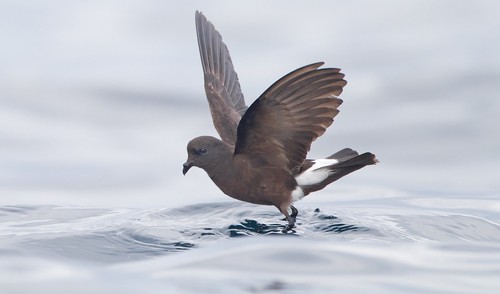
Wilson's Storm-Petrel
15-19 cm (6-7.5 in) long, wingspan 38-42 cm (15-16.5 in)
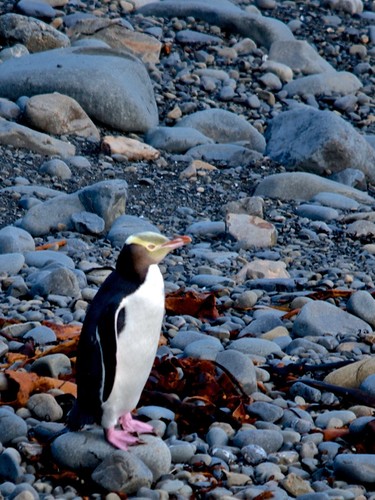
Yellow-eyed Penguin
62-79 cm (24-31 in) tall, 3-8.5 kg (6.6-18.7 lb)
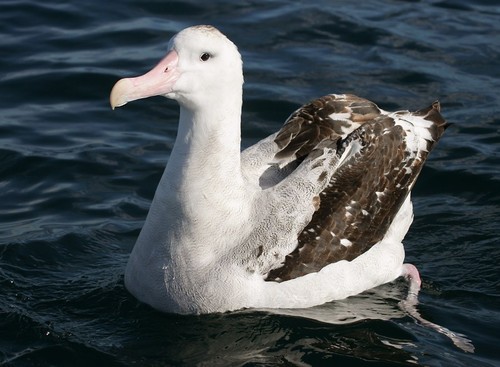
Wandering Albatross
107-135 cm (42-53 in) long, wingspan up to 3.5 m (11.5 ft)
Tufted Puffin
35-41 cm (14-16 in) long, about 63-70 cm wingspan