
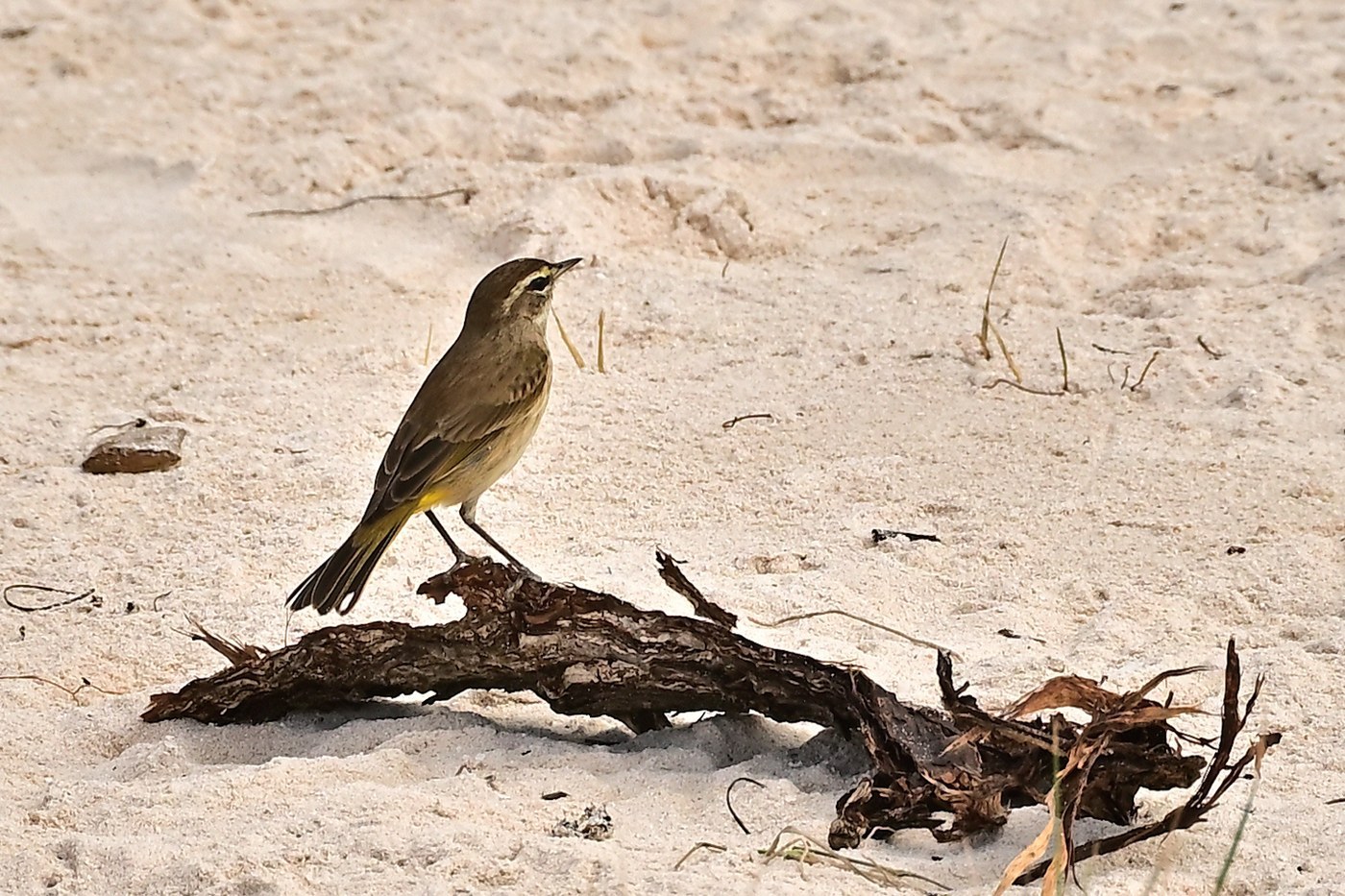
Palm Warbler
Setophaga palmarum
A ground-loving, tail-bobbing warbler with a rusty cap in breeding plumage, often seen walking on open ground far more than most other warblers.
- Size
- 12-14 cm (4.7-5.5 in) long, 20-22 cm wingspan
- Habitat
- open bogs and stunted spruce for breeding; open fields, brushy edges, and shorelines in migration and winter
- Type
- songbird
Spotted a bird like this?
Identify any bird from a photo, free.
Overview
The Palm Warbler is a plain but distinctive warbler best recognized by its behavior as much as its plumage: it spends much of its time walking and bobbing its tail on open ground, a habit shared by few other warbler species. Breeding birds show a rusty-chestnut cap, a yellow eyebrow stripe, and yellow underparts with fine chestnut streaking on the breast.
Nonbreeding birds are duller, with a brownish cap replacing the chestnut, and often show a more subdued yellow wash concentrated on the throat and undertail coverts rather than the whole underside. Two distinct color forms exist: a yellower 'eastern' form and a paler, browner 'western' form, both sharing the diagnostic constant tail-bobbing habit.
How to identify it
Key Field Marks
- Constant tail-bobbing while walking on the ground, more pronounced than most warblers
- Rusty-chestnut cap in breeding plumage, duller brown in winter
- Yellow eyebrow stripe
- Yellow underparts (eastern form) or paler, whitish underparts with yellow limited to throat and undertail (western form)
- Yellow undertail coverts present year-round, a useful mark in dull winter plumage
Similar Species
Pine Warbler lacks the chestnut cap and constant tail-bobbing, and shows bolder white wingbars and a heavier bill. Yellow-rumped Warbler shows a bright yellow rump absent in Palm Warbler and does not share the ground-walking, tail-pumping habit that makes Palm Warbler distinctive in the field.
Habitat & range
Habitat
Palm Warblers breed in open bogs and stunted spruce and tamarack forest across the boreal region. During migration and winter, they favor open fields, brushy edges, lawns, and shorelines, often far from trees.
Range
This species breeds across the boreal forest of Canada, generally from central Canada east to Newfoundland. It winters along the southeastern and Gulf Coast United States, the Caribbean, and parts of Central America.
Migration
Palm Warblers are medium-distance migrants and are often among the earliest warblers to arrive in spring and among the latest to depart in fall in much of the eastern United States.
Behavior & voice
Behavior
Unlike most warblers that forage in foliage, Palm Warblers spend a great deal of time walking on open ground, in fields, and along shorelines, constantly bobbing the tail up and down.
Voice
The song is a simple, buzzy trill on one pitch, similar in structure to a Chipping Sparrow's trill but more slurred and buzzy. The call is a sharp 'chip.'
Feeding
It forages largely on the ground, walking and hopping to pick insects and spiders from grass and bare soil, and will also eat seeds and berries, particularly in winter.
Nesting & Breeding
The female builds a cup nest of grass and bark strips, typically placed low in a small conifer within boggy habitat. She lays 4-5 eggs.
Frequently asked questions
Why does the Palm Warbler bob its tail?
It constantly pumps its tail up and down while walking on the ground, a distinctive habit shared by very few other warbler species and a useful field mark.
What is the difference between eastern and western Palm Warblers?
The eastern form shows bright yellow underparts overall, while the western form is paler and whitish with yellow limited mainly to the throat and undertail coverts; both share the chestnut cap and tail-bobbing habit.
Where do Palm Warblers breed?
They breed in open bogs and stunted spruce or tamarack forest across the boreal region of Canada.
How can you identify a Palm Warbler in winter?
Look for a duller brownish cap, yellow undertail coverts, and the characteristic habit of walking and bobbing its tail on open ground, often in fields or lawns far from trees.
What does a Palm Warbler eat?
It eats insects and spiders picked from the ground, along with seeds and berries, especially in fall and winter.
Palm Warbler guides
In-depth guides for identifying, finding, and understanding Palm Warbler.
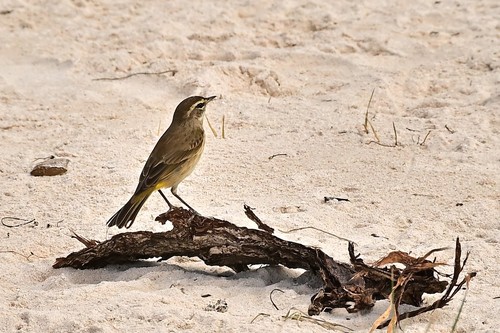
Other birds you may enjoy
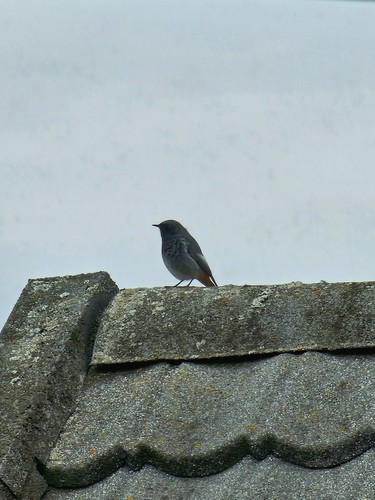
Black Redstart
13-14.5 cm (5.1-5.7 in) long, 23-26 cm wingspan
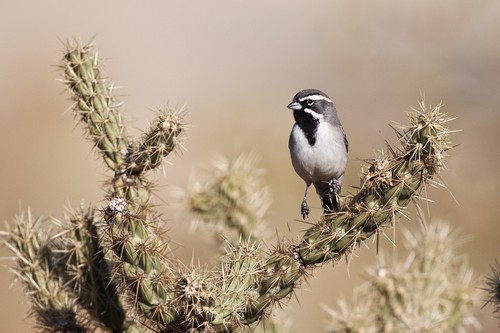
Black-throated Sparrow
12-14 cm (4.7-5.5 in) long, about 19-20 cm (7.5-8 in) wingspan
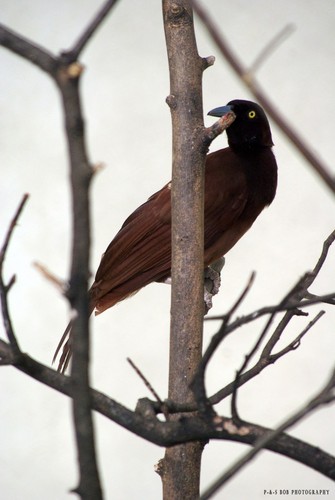
Greater Bird-of-paradise
Body about 43 cm; males with additional flank plumes up to 50 cm and long tail wires
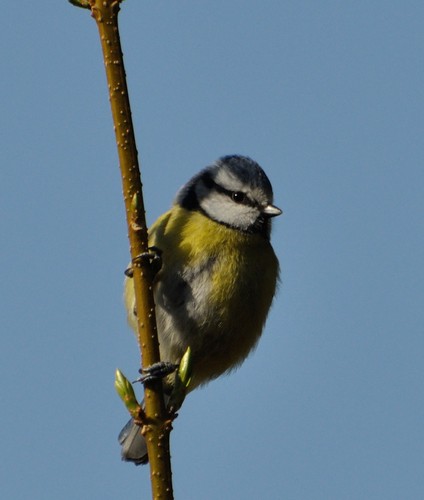
Blue Tit
11-12 cm (4.3-4.7 in) long, 17-20 cm wingspan
Red-billed Quelea
11.5–13 cm long, wingspan about 20–22 cm
White-plumed Antbird
13-14 cm (5-5.5 in) long
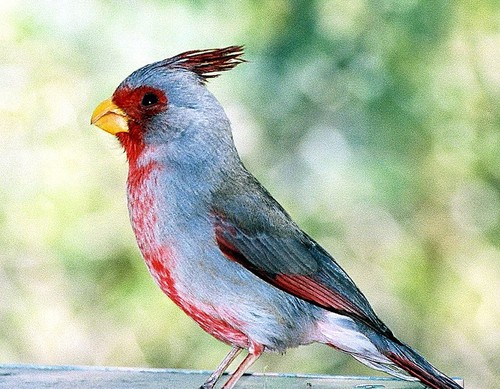
Pyrrhuloxia
19-22 cm (7.5-8.7 in) long, 30 cm wingspan
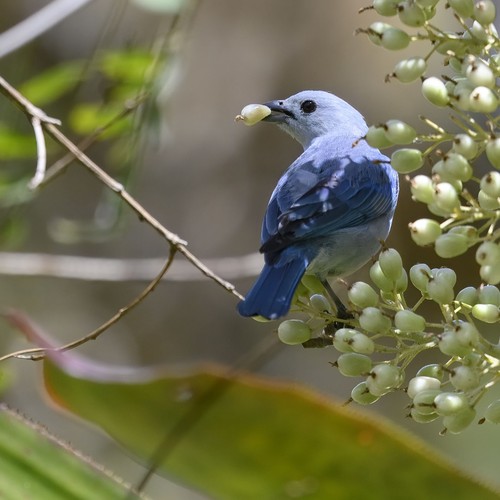
Blue-gray Tanager
16-18 cm (6-7 in) long
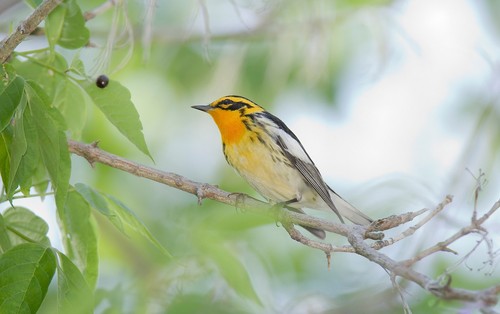
Blackburnian Warbler
11-13 cm (4.3-5.1 in) long, 20-22 cm wingspan
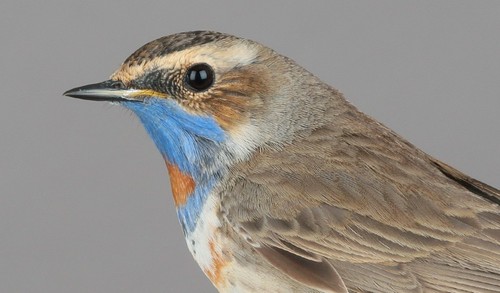
Bluethroat
13-14 cm (5.1-5.5 in) long, 20-22 cm wingspan
Eurasian Nuthatch
12-14.5 cm (4.7-5.7 in) long, 22.5-27 cm wingspan
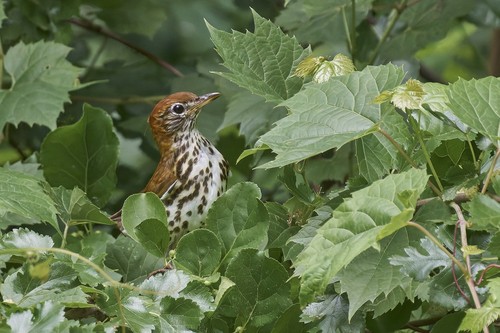
Wood Thrush
19-21 cm (7.5-8.3 in) long, about 33 cm (13 in) wingspan