
Painted Stork
Mycteria leucocephala
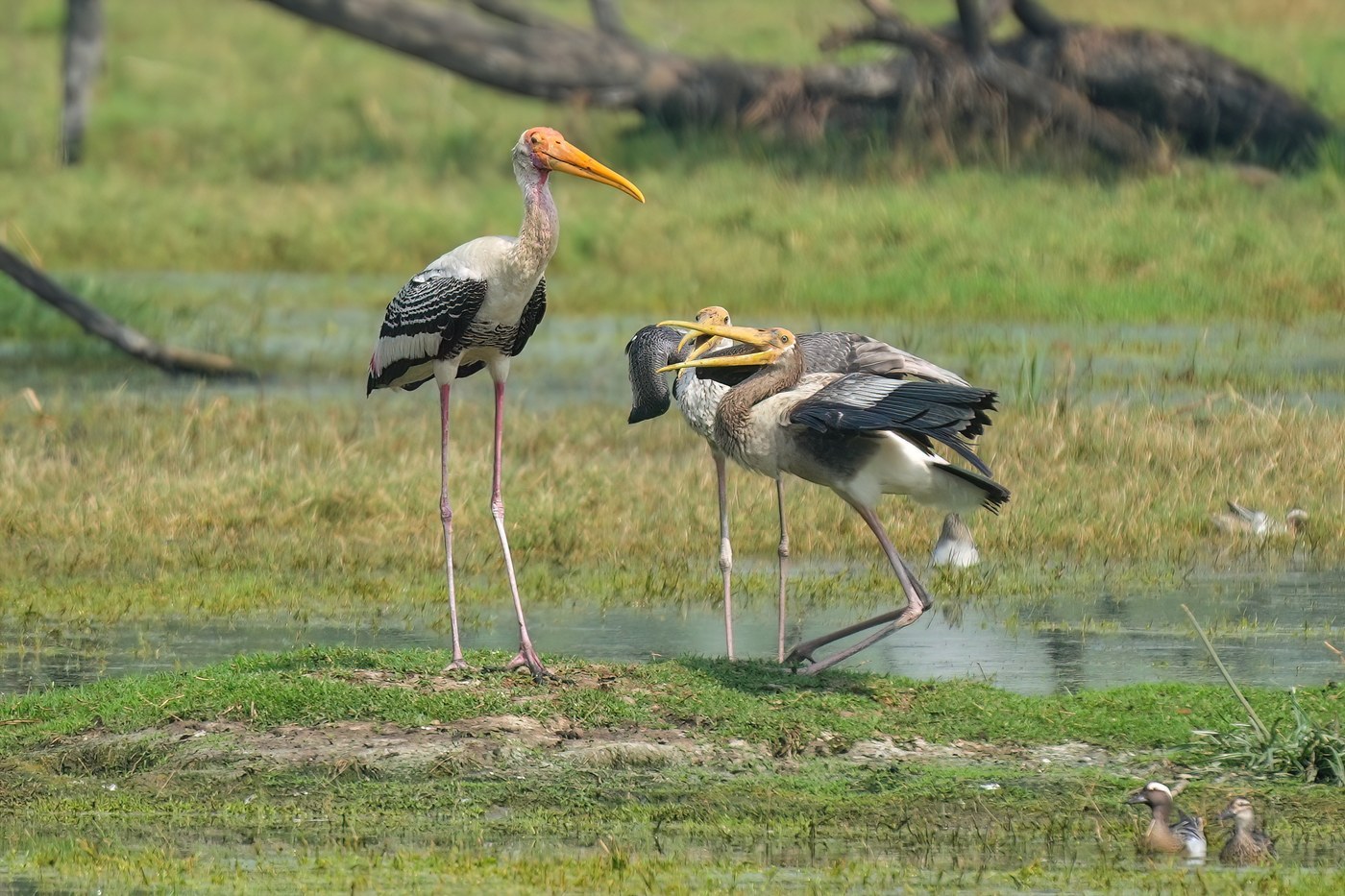
A colorful South and Southeast Asian stork with a white and pink body, black-barred wings, and a curved orange-yellow bill.
- Size
- 93-102 cm (37-40 in) long, 150-160 cm wingspan
- Habitat
- freshwater wetlands, lakes, and marshes
- Type
- wading-bird
Spotted a bird like this?
Identify any bird from a photo, free.
Overview
The Painted Stork is a large, colorful wading bird found across the Indian subcontinent and parts of Southeast Asia. It has predominantly white plumage with a bold black band across the upper breast, black wing markings, and delicate pink tertial plumes that give it a painted, artistic appearance.
The head has a bare patch of orange to red skin, and the long, thick bill is yellow with a downward curve near the tip. Painted Storks are highly social, often seen foraging and nesting in large mixed-species colonies alongside other waterbirds.
How to identify it
Key field marks
- White body with a black breast band and black wing markings
- Pink or salmon-colored tertial (inner wing) plumes
- Bare orange-red facial skin
- Long, thick, downcurved yellow-orange bill
- Pink legs
Similar species
The Yellow-billed Stork of Africa is similar in shape and bill but does not have the black breast band or pink tertials and does not overlap in range. The Asian Openbill is much smaller with a distinctive gap between the mandibles. White Stork has a straight (not curved) red bill and lacks the black breast band.
Habitat & range
Painted Storks inhabit freshwater wetlands including marshes, lakes, reservoirs, and flooded fields across the Indian subcontinent, extending into Sri Lanka and parts of Southeast Asia. They favor shallow water bodies rich in fish.
The species is largely resident with local seasonal movements tied to water availability and breeding. It is considered Near Threatened due to ongoing wetland habitat loss and degradation, though it remains locally common at protected sites and large heronries such as those in India.
Behavior & voice
Painted Storks forage in shallow water, using their bill in a tactile grope-feeding technique similar to other Mycteria storks, snapping the mandibles shut when they detect fish or other prey by touch. They often forage in groups, sometimes with other waders, taking advantage of concentrated prey in shrinking dry-season pools.
They are mostly silent, communicating with bill-clattering and hissing at nesting colonies. Painted Storks breed colonially, often in large mixed heronries with cormorants, egrets, and ibises, building stick nests in trees. Both parents incubate the typical clutch of 3-5 eggs and feed the chicks, with breeding often timed to coincide with the monsoon season when food is abundant.
Frequently asked questions
Why is it called the Painted Stork?
Its name comes from the delicate pink tertial plumes and bold black-and-white plumage pattern, which give it a distinctly artistic, painted appearance.
Where do Painted Storks live?
They are found across the Indian subcontinent, Sri Lanka, and parts of Southeast Asia, in freshwater wetlands and large lakes.
Is the Painted Stork endangered?
It is currently classified as Near Threatened, mainly due to ongoing loss and degradation of wetland habitats.
How do Painted Storks find food?
They wade through shallow water with the bill partly open, snapping it shut by touch reflex the instant it contacts a fish or other prey.
Painted Stork guides
In-depth guides for identifying, finding, and understanding Painted Stork.
Other birds you may enjoy
Demoiselle Crane
85-100 cm (33-39 in) long, 155-180 cm wingspan
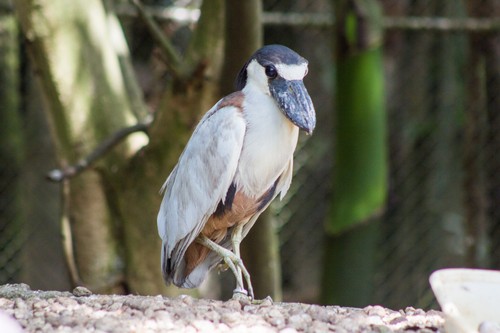
Boat-billed Heron
41-56 cm (16-22 in) long
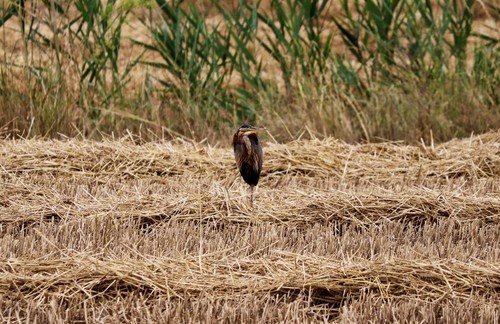
Purple Heron
78-90 cm (31-35 in) long, 120-152 cm wingspan
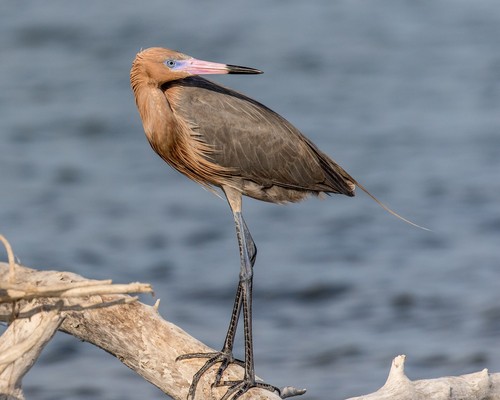
Reddish Egret
68-82 cm (27-32 in) long, 116-125 cm wingspan
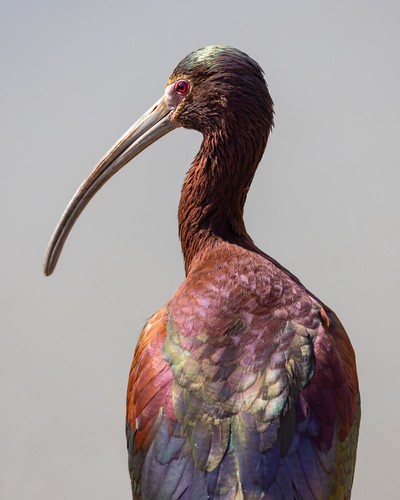
White-faced Ibis
46-56 cm (18-22 in) long, 88-93 cm wingspan
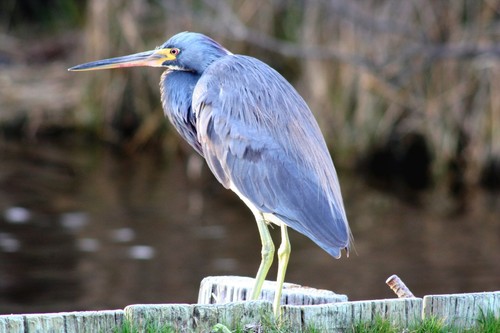
Tricolored Heron
61-76 cm (24-30 in) long, about 96 cm wingspan
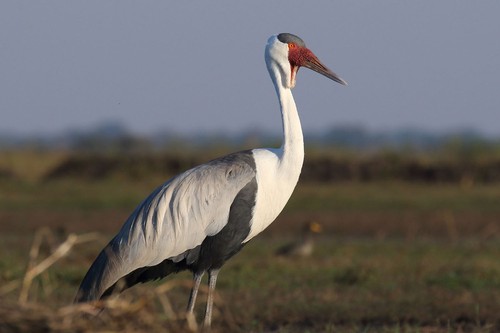
Wattled Crane
120-175 cm (47-69 in) tall, one of the tallest cranes, wingspan up to about 230 cm (7.5 ft)
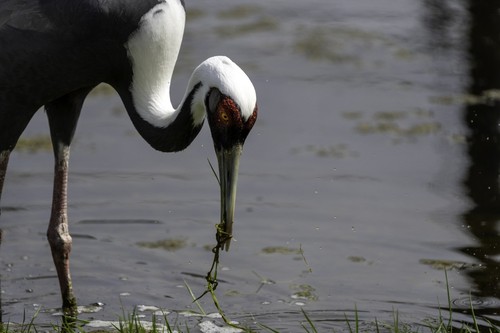
White-naped Crane
112-125 cm (44-49 in) long, 195-210 cm wingspan
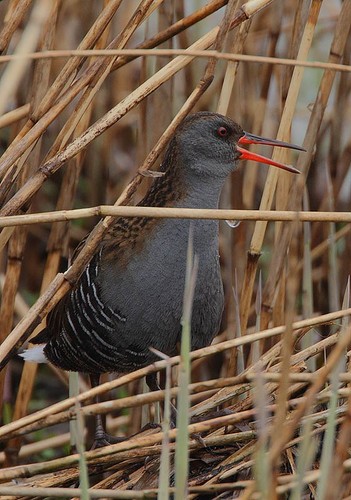
Water Rail
23-28 cm (9-11 in) long, wingspan 38-45 cm
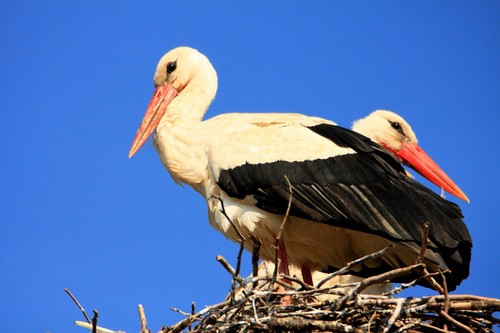
White Stork
100-125 cm (39-49 in) long, 155-215 cm wingspan
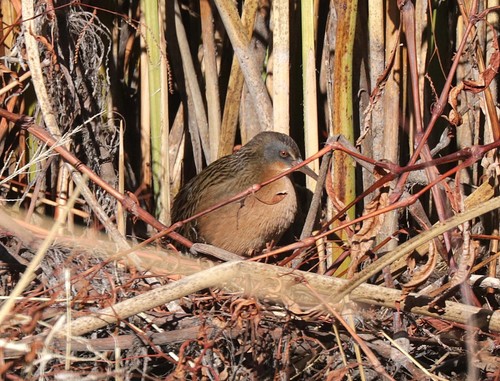
Virginia Rail
20-27 cm (8-11 in) long, wingspan 32-38 cm
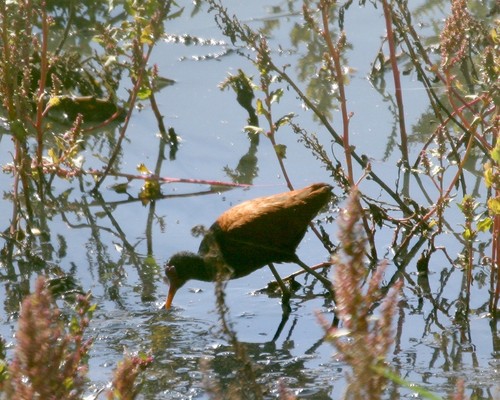
Wattled Jacana
17-23 cm (7-9 in) long