
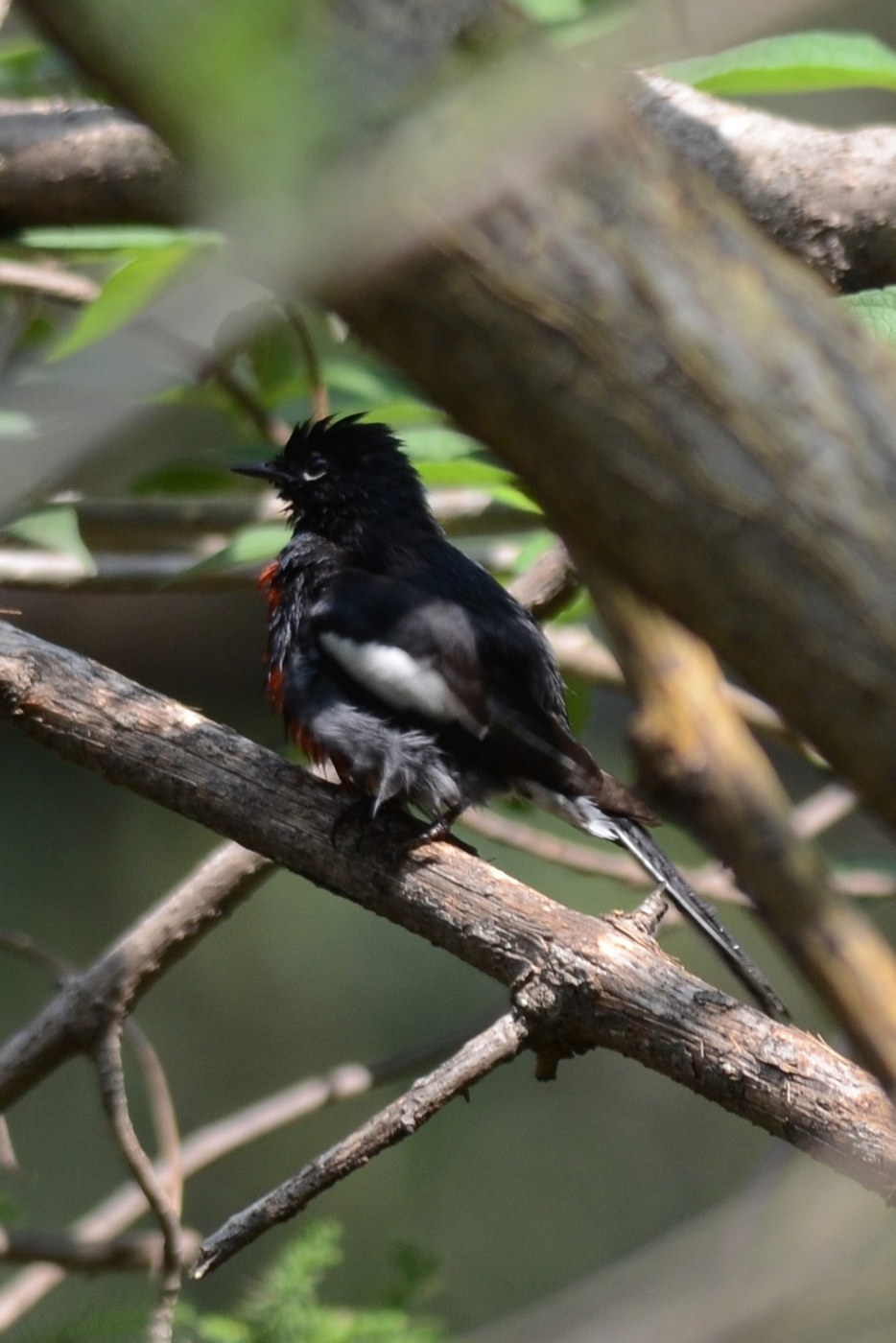
Painted Redstart
Myioborus pictus
A striking black warbler with a bright red breast patch and bold white wing patch, common in oak canyons of the Southwest.
- Size
- 13 cm (5 in) long
- Habitat
- oak and pine-oak canyons in mountains
- Type
- songbird
Spotted a bird like this?
Identify any bird from a photo, free.
Overview
The Painted Redstart is a boldly patterned wood-warbler that brings a splash of color to the shaded oak canyons of the southwestern United States. Jet-black overall, it is set off by a brilliant red breast patch, a large white wing patch, and white outer tail feathers, making it one of the most eye-catching warblers in North America.
Unlike many warblers that stay hidden in dense foliage, Painted Redstarts are conspicuous and confiding, frequently seen foraging in the open, fanning their tails and drooping their wings in a distinctive display that flushes insects into view.
How to identify it
Key field marks
- Glossy black head, back, and throat
- Bright red lower breast and belly patch
- Bold white patch on the folded wing
- White outer tail feathers, conspicuous when the tail is fanned
- White crescent below the eye
Similar species
Painted Redstart is essentially unmistakable within its range; no other North American warbler shows this combination of black body, red belly, and white wing patch. Slate-throated Redstart, a rare Mexican stray, lacks the white wing patch and has a red throat rather than a black one.
Habitat & range
Habitat
This species is closely tied to shaded, humid canyons with mature oaks, often mixed with pines and sycamores, typically at mid to upper elevations in mountain ranges.
Range
In the US, Painted Redstarts breed in the mountains of southeastern Arizona, southwestern New Mexico, and the Big Bend region of west Texas. The species ranges more widely south through the highlands of Mexico to Nicaragua.
Migration
Most US populations withdraw to Mexico for the winter, though small numbers regularly linger in southeastern Arizona canyons year-round, making it one of the more likely warblers to be seen there in winter.
Behavior & voice
Behavior
Painted Redstarts forage energetically, hopping along branches and trunks while constantly fanning their black-and-white tails and drooping their wings, a behavior thought to startle insects into flushing so the bird can snap them up, often by sallying out in short flycatching sorties.
Voice
The song is a rich, cheerful series of whistled phrases, often rendered as "weeta-weeta-weeta-wee," delivered from an open perch. The call is a distinctive, sharp "chip."
Nesting
Nests are built on the ground on shaded, often steep canyon slopes, tucked under overhanging grass, rocks, or roots. Females lay 3-4 eggs, and pairs are often seen together year-round, even outside the breeding season.
Frequently asked questions
What does a Painted Redstart look like?
It is a black warbler with a bright red belly patch, a bold white wing patch, and white outer tail feathers.
Where can I find a Painted Redstart?
Look in shaded oak and pine-oak canyons in the mountains of southeastern Arizona, southwestern New Mexico, and the Big Bend area of Texas.
Why does a Painted Redstart fan its tail?
It fans its tail and droops its wings while foraging, likely to startle hidden insects into moving so it can catch them.
Do Painted Redstarts migrate?
Most withdraw to Mexico in winter, but small numbers regularly overwinter in sheltered canyons in southeastern Arizona.
Painted Redstart guides
In-depth guides for identifying, finding, and understanding Painted Redstart.
Other birds you may enjoy
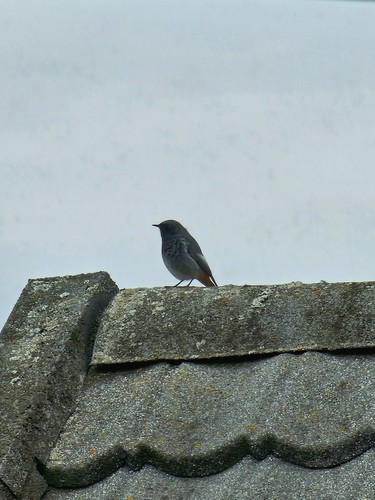
Black Redstart
13-14.5 cm (5.1-5.7 in) long, 23-26 cm wingspan
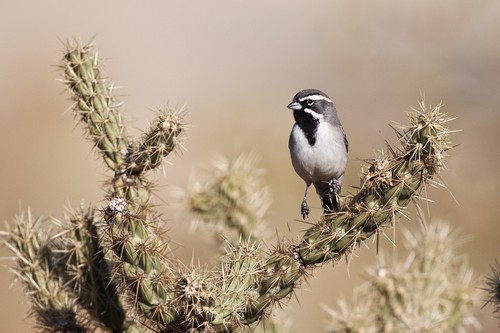
Black-throated Sparrow
12-14 cm (4.7-5.5 in) long, about 19-20 cm (7.5-8 in) wingspan
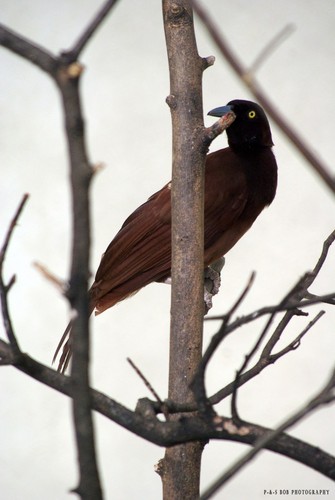
Greater Bird-of-paradise
Body about 43 cm; males with additional flank plumes up to 50 cm and long tail wires
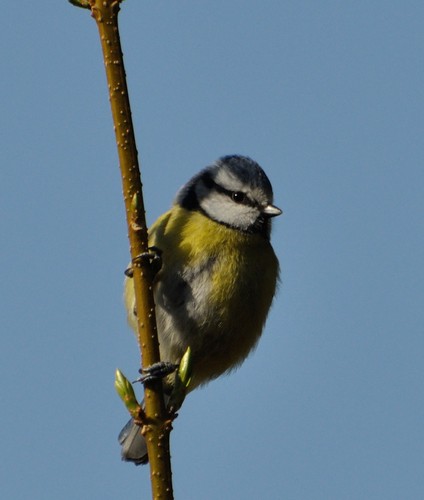
Blue Tit
11-12 cm (4.3-4.7 in) long, 17-20 cm wingspan
Red-billed Quelea
11.5–13 cm long, wingspan about 20–22 cm
White-plumed Antbird
13-14 cm (5-5.5 in) long
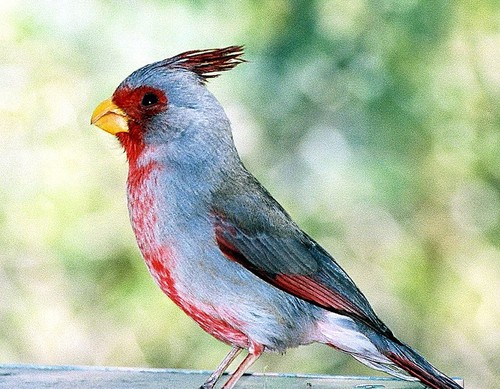
Pyrrhuloxia
19-22 cm (7.5-8.7 in) long, 30 cm wingspan
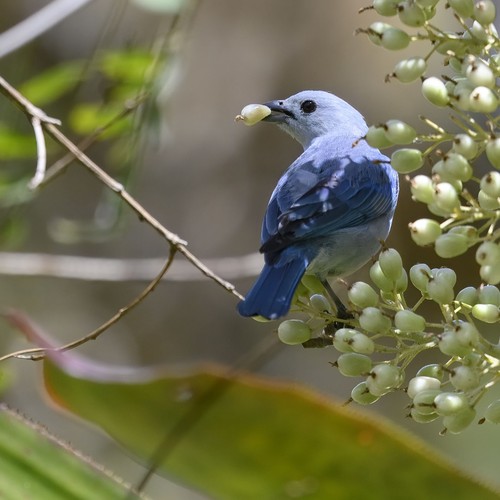
Blue-gray Tanager
16-18 cm (6-7 in) long
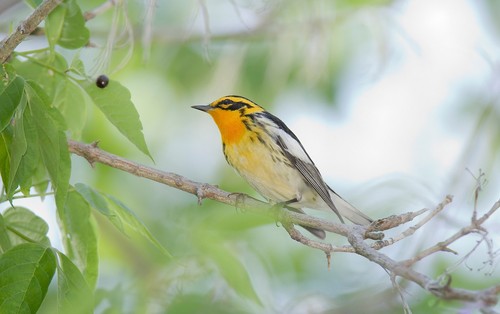
Blackburnian Warbler
11-13 cm (4.3-5.1 in) long, 20-22 cm wingspan
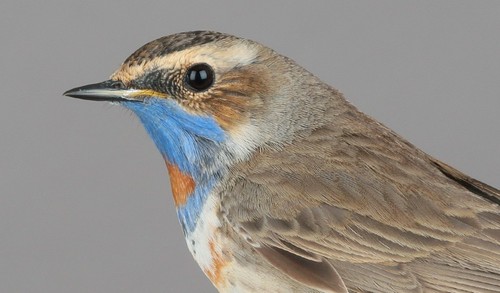
Bluethroat
13-14 cm (5.1-5.5 in) long, 20-22 cm wingspan
Eurasian Nuthatch
12-14.5 cm (4.7-5.7 in) long, 22.5-27 cm wingspan
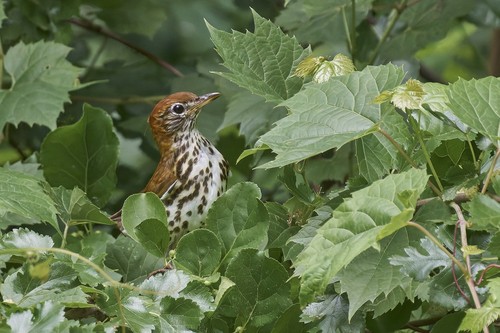
Wood Thrush
19-21 cm (7.5-8.3 in) long, about 33 cm (13 in) wingspan