
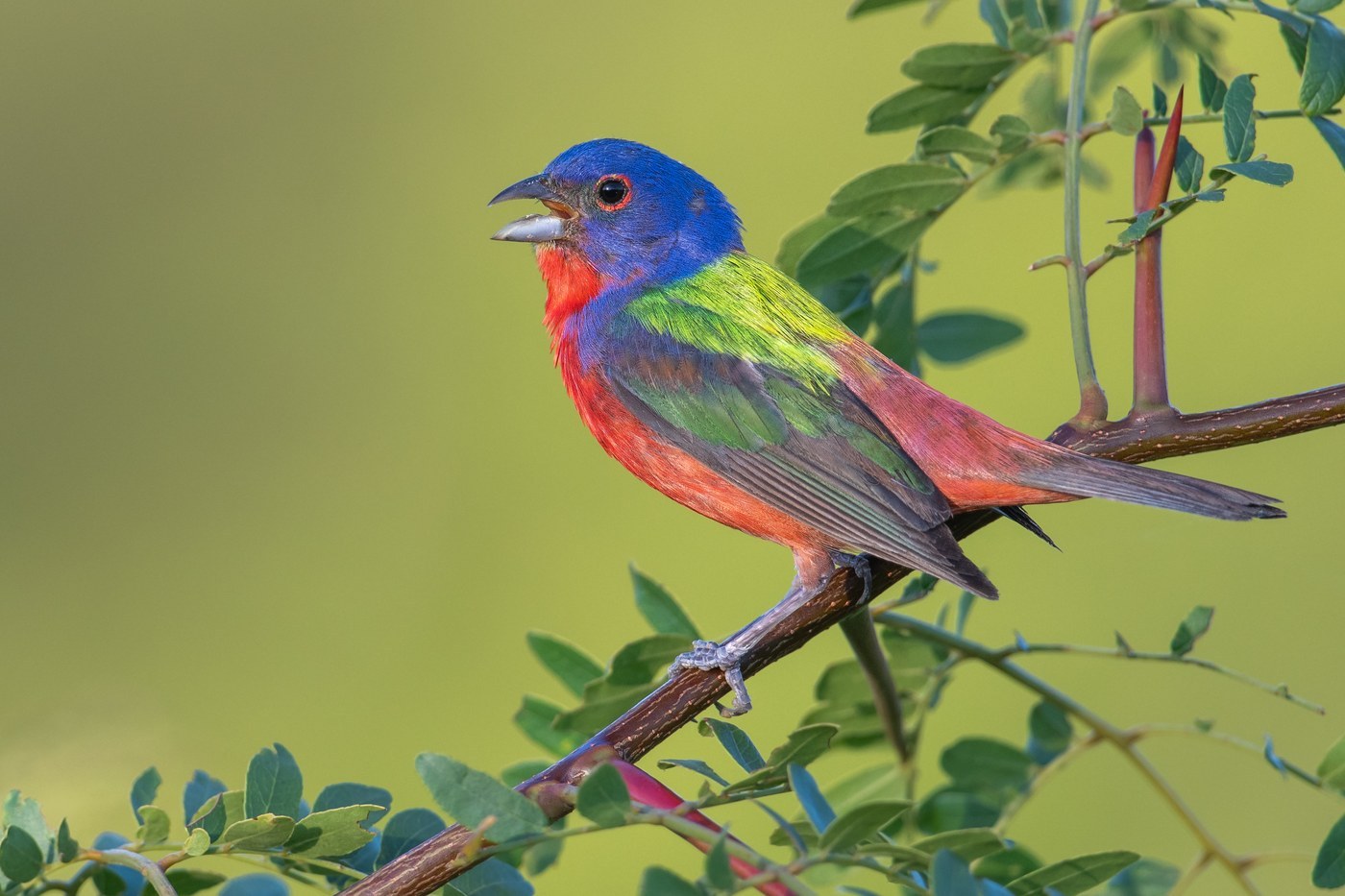
Painted Bunting
Passerina ciris
Often called the most colorful bird in North America, the male Painted Bunting displays an almost impossibly vivid patchwork of blue, green, and red.
- Size
- 12-14 cm (4.7-5.5 in) long, 21-23 cm wingspan
- Habitat
- brushy thickets, woodland edges, hedgerows, and coastal scrub
- Type
- songbird
Spotted a bird like this?
Identify any bird from a photo, free.
Overview
The Painted Bunting is widely regarded as one of the most spectacularly colored birds in North America. Adult males are unmistakable, with a rich blue head, a bright green back, and vivid red underparts, rump, and eye-ring, a combination so vivid that early French colonists in North America nicknamed it "nonpareil," meaning without equal. Females and immature birds are a uniform, clean bright green above and yellow-green below, providing camouflage in foliage and often causing confusion with vireos or warblers among less experienced birders.
Despite the male's flashy appearance, Painted Buntings can be surprisingly secretive, often staying low in dense brush, and the species has experienced population declines in parts of its range, in part historically linked to capture for the illegal cage-bird trade in portions of its wintering range.
How to identify it
Key Field Marks
- Adult male: blue head, bright green back, red underparts, rump, and eye-ring — unmistakable
- Female/immature: uniform bright green above, yellowish-green below, plain face, stout conical bill
- Stocky, short-tailed build typical of buntings
- No wingbars in either sex
Similar Species
- Adult males are unmistakable and cannot be confused with any other North American species.
- Females can resemble female or immature orioles or vireos but are smaller, with a distinct conical bunting bill and unstreaked, uniformly green plumage.
Habitat & range
Habitat
Favors dense brushy thickets, woodland edges, hedgerows, and scrubby coastal vegetation, generally staying low and well hidden within cover.
Range
Two disjunct breeding populations exist: one across the south-central United States (Texas, Oklahoma, and neighboring states), and a separate population along the Atlantic coast from North Carolina to Florida. Winters mainly in Mexico, Central America, and southern Florida/the Caribbean.
Migration
A long-distance nocturnal migrant, though the small Florida population is largely resident year-round.
Behavior & voice
Behavior
Painted Buntings tend to be shy and stay low in dense cover, making even the brilliant males surprisingly hard to spot despite their color; they are more often heard than seen.
Voice
The song is a sweet, high, warbling series of varied phrases, delivered from a hidden or partly exposed perch; the call is a sharp, distinctive "chip" or "pit" note.
Feeding
Feeds mainly on seeds, foraging on or near the ground in dense grass and brush, supplemented with insects, especially during the breeding season; readily visits feeders offering white millet.
Nesting & Breeding
The female builds a well-concealed cup nest low in dense shrubs or vines. She incubates 3-4 eggs alone, and the species is a regular host of Brown-headed Cowbird parasitism.
Frequently asked questions
Why is the Painted Bunting called the most colorful bird in North America?
The adult male's combination of a blue head, green back, and vivid red underparts and rump is unmatched in vividness and pattern by any other North American songbird.
Why is it hard to see a Painted Bunting despite its bright colors?
Painted Buntings are shy and tend to stay low within dense brush and thickets, making them surprisingly difficult to observe even though males are strikingly colored.
What does a female Painted Bunting look like?
Females are a uniform bright green above and yellow-green below, an unusual all-green coloring among North American songbirds that provides camouflage.
Why are Painted Bunting populations declining?
Habitat loss on breeding and wintering grounds, along with historical trapping for the illegal cage-bird trade in parts of its wintering range, have contributed to population declines.
Where do Painted Buntings breed?
There are two separate breeding populations: one in the south-central United States and a smaller, geographically separate one along the Atlantic coast from North Carolina to Florida.
Painted Bunting guides
In-depth guides for identifying, finding, and understanding Painted Bunting.
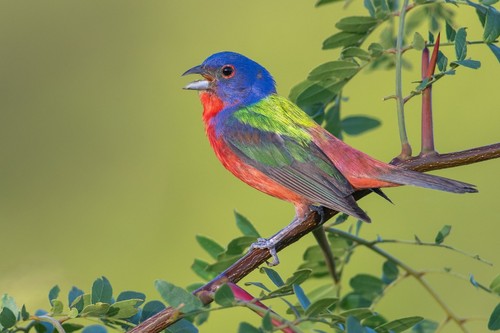
Painted Bunting identified by the community
Real birds identified with Bird Identifier.
Other birds you may enjoy
Black Redstart
13-14.5 cm (5.1-5.7 in) long, 23-26 cm wingspan
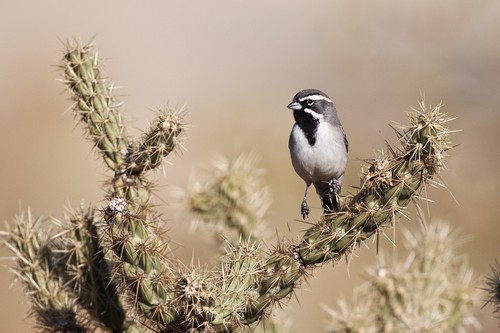
Black-throated Sparrow
12-14 cm (4.7-5.5 in) long, about 19-20 cm (7.5-8 in) wingspan
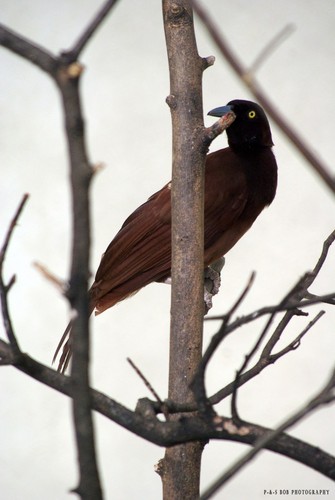
Greater Bird-of-paradise
Body about 43 cm; males with additional flank plumes up to 50 cm and long tail wires
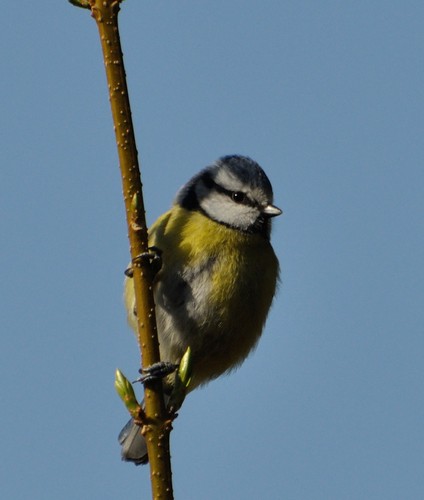
Blue Tit
11-12 cm (4.3-4.7 in) long, 17-20 cm wingspan
Red-billed Quelea
11.5–13 cm long, wingspan about 20–22 cm
White-plumed Antbird
13-14 cm (5-5.5 in) long
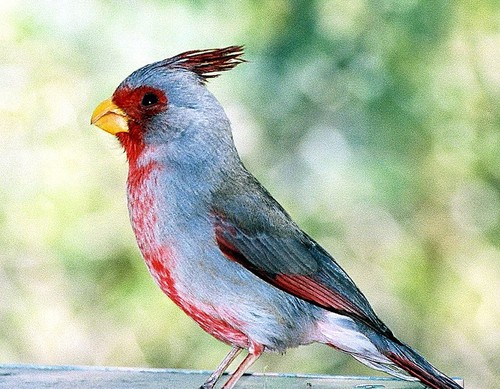
Pyrrhuloxia
19-22 cm (7.5-8.7 in) long, 30 cm wingspan
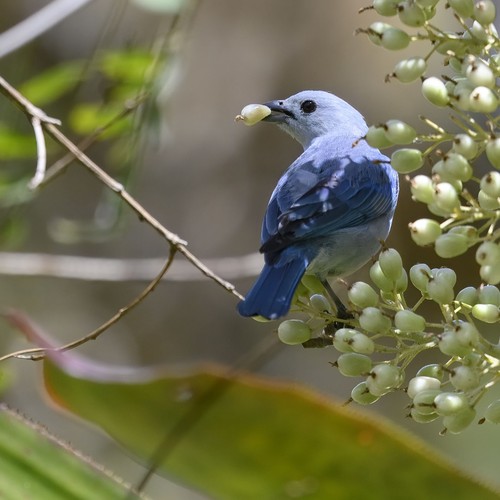
Blue-gray Tanager
16-18 cm (6-7 in) long
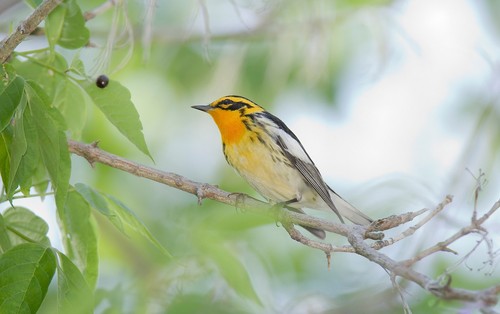
Blackburnian Warbler
11-13 cm (4.3-5.1 in) long, 20-22 cm wingspan
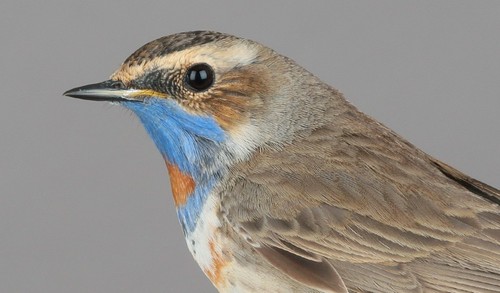
Bluethroat
13-14 cm (5.1-5.5 in) long, 20-22 cm wingspan
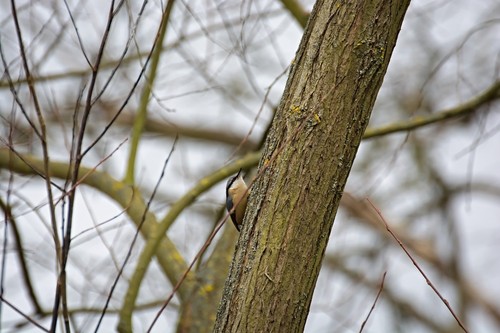
Eurasian Nuthatch
12-14.5 cm (4.7-5.7 in) long, 22.5-27 cm wingspan
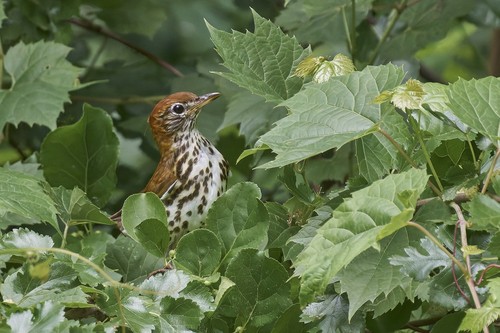
Wood Thrush
19-21 cm (7.5-8.3 in) long, about 33 cm (13 in) wingspan