
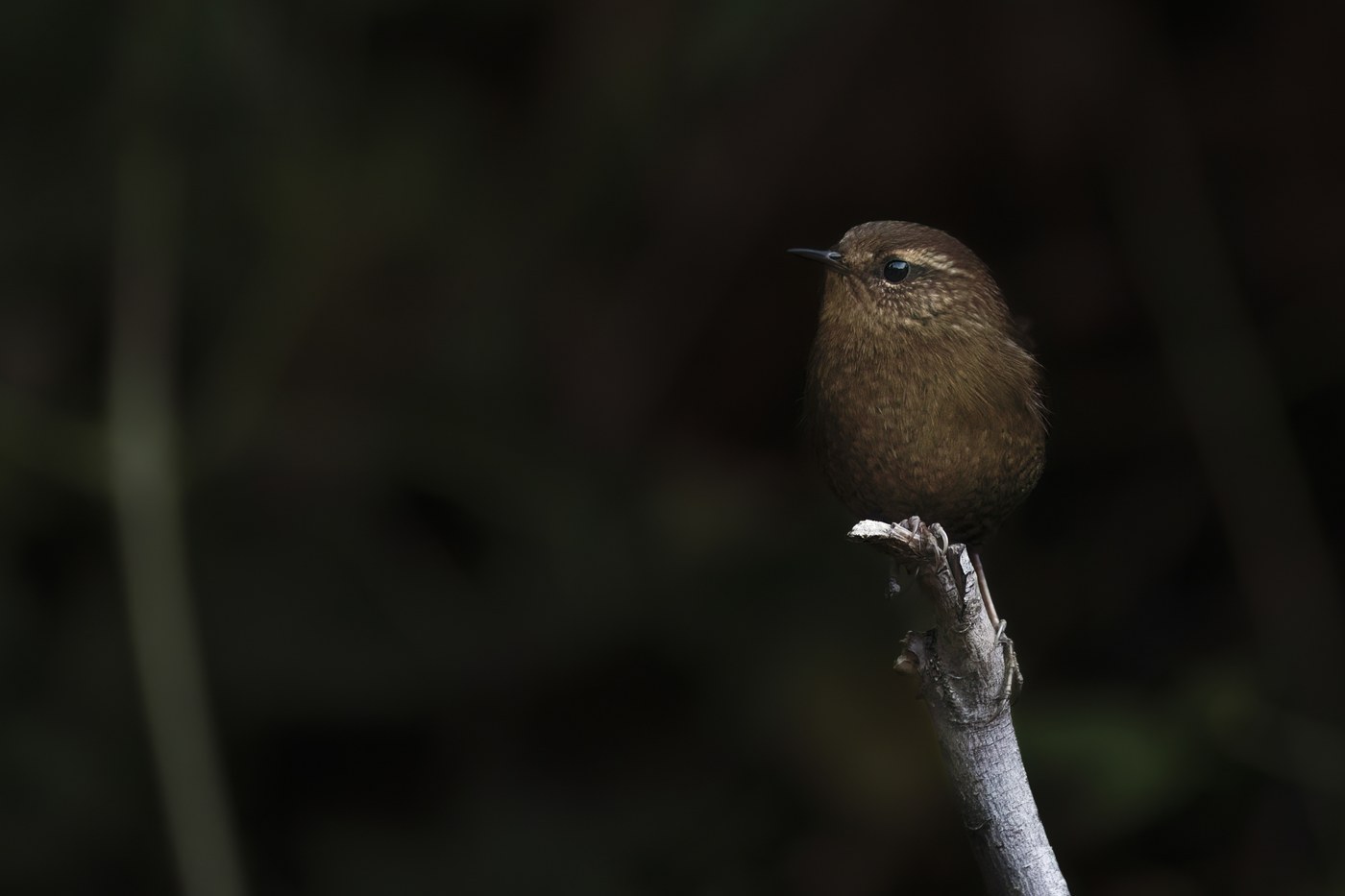
Pacific Wren
Troglodytes pacificus
A tiny, dark, round-bodied wren of humid Pacific coast forests with a fast, buzzy, high-pitched song.
- Size
- 9-10 cm (3.5-4 in) long, 13-16 cm wingspan
- Habitat
- dense, humid old-growth and mixed coniferous forests with heavy undergrowth, especially near streams
- Type
- songbird
Spotted a bird like this?
Identify any bird from a photo, free.
Overview
The Pacific Wren is a diminutive, energetic songbird of the humid forests of the Pacific coast and mountains of western North America. It is nearly identical in shape and plumage to the eastern Winter Wren, with a plump, round body, very short cocked tail, and rich dark brown plumage finely barred with black on the wings and flanks.
Though tiny, it is bursting with energy, constantly hopping and bobbing through mossy logs, root tangles, and streamside undergrowth. Its song, a rapid, high-pitched, buzzy cascade of trills, is one of the signature sounds of old-growth Pacific Northwest forests.
How to identify it
Key Field Marks
- Very small and round, with a stubby tail often cocked straight up
- Dark reddish-brown overall with fine blackish barring on wings and flanks
- Pale but subtle eyebrow stripe
- Thin, slightly downcurved bill
- Darker and slightly more richly colored than House Wren
Similar Species
Pacific Wren is essentially indistinguishable from Winter Wren by plumage alone; range is the best clue, as Pacific Wren occupies the humid coastal and mountain forests of the West while Winter Wren replaces it in the East, with limited overlap. Voice differs subtly, with Pacific Wren's song being faster and more buzzy. House Wren is grayer-brown, longer-tailed, and prefers more open, brushy edges rather than deep, damp forest interior.
Habitat & range
Habitat
Pacific Wrens favor dense, shaded understory in humid coniferous and mixed forests, particularly old-growth stands with abundant downed logs, mossy root wads, and streamside tangles.
Range
This species breeds from southern Alaska down the Pacific coast through British Columbia, Washington, Oregon, and California, and inland through the Rocky Mountains. Many populations are year-round residents, while birds at higher elevations or in the north may move to lower or milder areas in winter.
Migration
Most Pacific Wrens are short-distance or altitudinal migrants, shifting from higher mountain forests to lower elevations or milder coastal areas in winter, though many coastal populations remain resident year-round.
Behavior & voice
Behavior
Pacific Wrens are restless and secretive, hopping and creeping through dense cover close to the ground and rarely staying still, with the tail frequently flicked or held cocked.
Voice
The song is a long, rapid, high-pitched series of buzzy trills and clear notes, delivered with impressive speed and volume for such a small bird. The call is a sharp 'chip' or 'chimp,' often doubled.
Feeding
It forages low in dense vegetation and on the ground, gleaning insects and spiders from bark crevices, moss, and rotting wood, often vanishing into log piles while hunting.
Nesting & Breeding
Males construct several bulky, domed nests of moss and twigs tucked into root wads, stumps, or cavities near the ground; the female lines the chosen nest with feathers and lays 4-7 eggs. Males may pair with more than one female in a season.
Frequently asked questions
How can I tell a Pacific Wren from a Winter Wren?
They look nearly identical; location is the best clue, since Pacific Wren lives in the humid West and Winter Wren in the East, and their songs differ subtly in speed and tone.
Where do Pacific Wrens live?
They inhabit dense, humid coniferous and mixed forests along the Pacific coast and mountains, especially old-growth stands with mossy logs and streamside cover.
What does a Pacific Wren eat?
It eats insects, spiders, and other small invertebrates found in bark, moss, and forest litter.
Why is the Pacific Wren's song so notable?
For its tiny size, it produces an unusually long, fast, and high-pitched cascade of trills, one of the most impressive songs of any small songbird.
Are Pacific Wrens migratory?
Most are short-distance or altitudinal migrants, moving to lower elevations or milder areas in winter, though many coastal birds stay resident year-round.
Pacific Wren guides
In-depth guides for identifying, finding, and understanding Pacific Wren.
Other birds you may enjoy
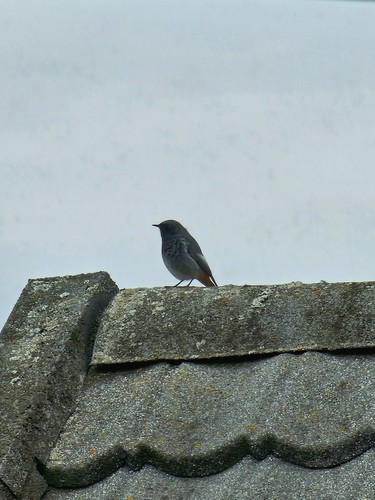
Black Redstart
13-14.5 cm (5.1-5.7 in) long, 23-26 cm wingspan
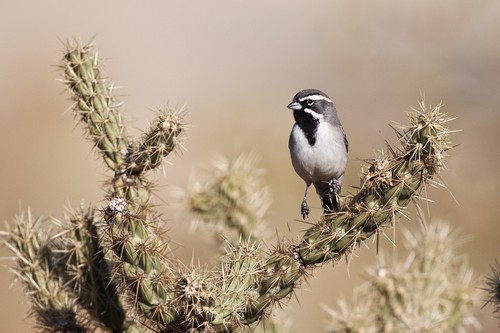
Black-throated Sparrow
12-14 cm (4.7-5.5 in) long, about 19-20 cm (7.5-8 in) wingspan
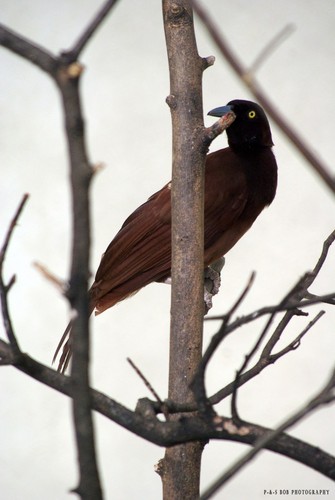
Greater Bird-of-paradise
Body about 43 cm; males with additional flank plumes up to 50 cm and long tail wires
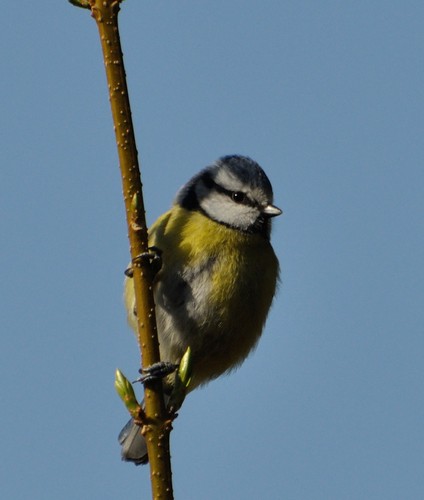
Blue Tit
11-12 cm (4.3-4.7 in) long, 17-20 cm wingspan

Red-billed Quelea
11.5–13 cm long, wingspan about 20–22 cm
White-plumed Antbird
13-14 cm (5-5.5 in) long
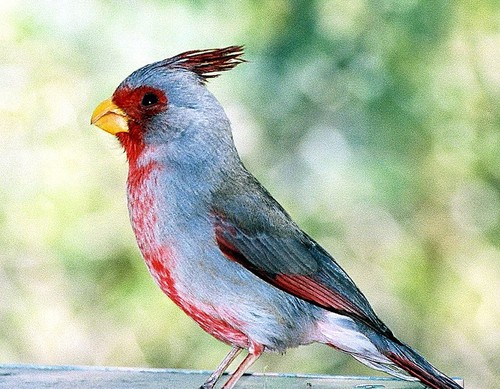
Pyrrhuloxia
19-22 cm (7.5-8.7 in) long, 30 cm wingspan
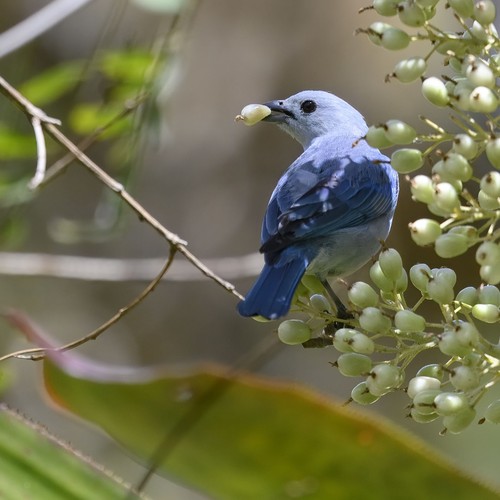
Blue-gray Tanager
16-18 cm (6-7 in) long
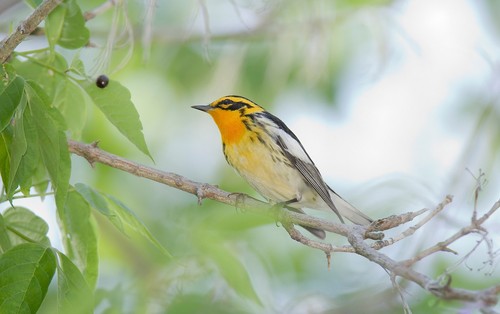
Blackburnian Warbler
11-13 cm (4.3-5.1 in) long, 20-22 cm wingspan
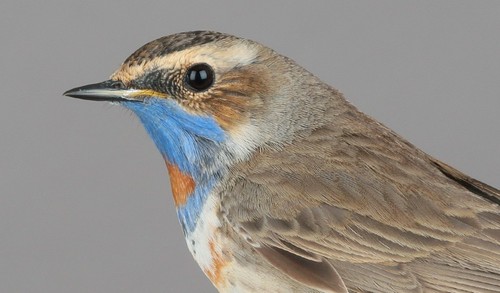
Bluethroat
13-14 cm (5.1-5.5 in) long, 20-22 cm wingspan
Eurasian Nuthatch
12-14.5 cm (4.7-5.7 in) long, 22.5-27 cm wingspan
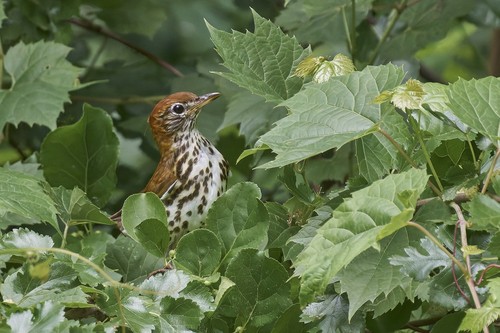
Wood Thrush
19-21 cm (7.5-8.3 in) long, about 33 cm (13 in) wingspan