
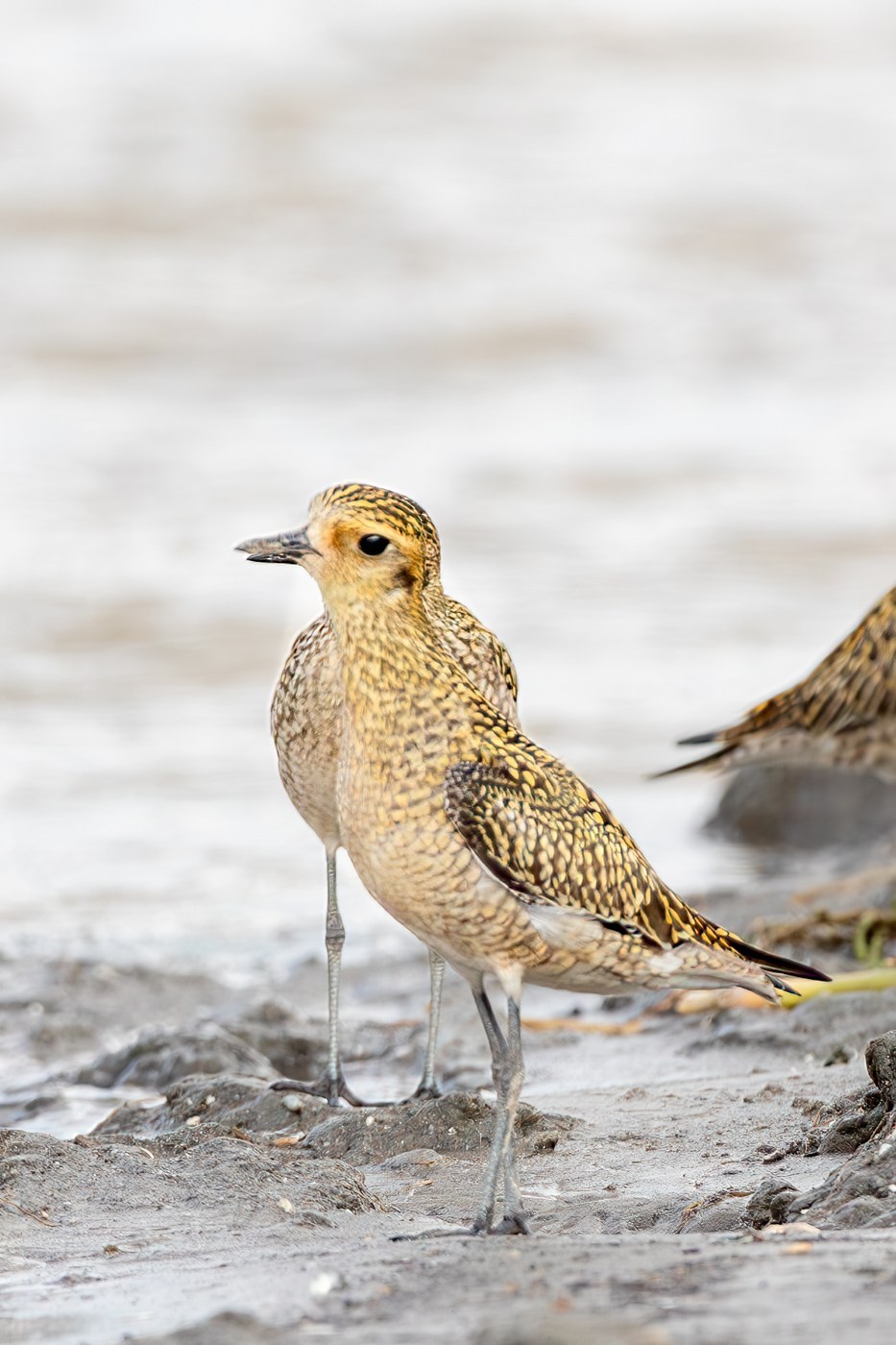
Pacific Golden-Plover
Pluvialis fulva
A slender, long-legged golden-plover that migrates from Siberian and Alaskan tundra to a vast wintering range spanning Pacific islands, coastal Asia, and Australia.
- Size
- 23-26 cm (9-10 in) long, 60-65 cm wingspan
- Habitat
- Arctic tundra (breeding); coastal grasslands, mudflats, and islands (non-breeding)
- Type
- shorebird
Spotted a bird like this?
Identify any bird from a photo, free.
Overview
The Pacific Golden-Plover is a slim, elegant, and long-legged plover closely related to the American and European Golden-Plovers. Breeding adults show a black face and underparts sharply bordered by a broad white stripe extending along the flanks, set against richly spangled gold, black, and white upperparts.
Outside the breeding season it becomes buff-brown and mottled gold above, with pale, streaked underparts.
The species is renowned for its wide-ranging migration, wintering not only on continental coastlines but also on remote Pacific islands, including famously in Hawaii, where it is a familiar winter visitor to lawns and parks.
How to identify it
Key field marks
- Slim body with notably long legs and long wing projection extending past the tail
- Gold-spangled upperparts, black-and-white bordered underparts in breeding plumage
- Gray axillaries and underwing in flight, similar to American Golden-Plover
- More attenuated, longer-legged silhouette than American Golden-Plover
Similar species
- American Golden-Plover is very similar but slightly bulkier with shorter legs and a less contrasting flank pattern; ranges overlap little in the breeding season.
- European Golden-Plover shows white axillaries rather than gray.
- Black-bellied Plover is larger and bulkier with black axillaries.
Habitat & range
Pacific Golden-Plovers breed on open Arctic tundra in western Alaska and across Siberia. They undertake long transoceanic migrations to a broad wintering range across Pacific islands (including Hawaii), coastal East and Southeast Asia, and Australia, where they favor grasslands, mudflats, golf courses, and coastal fields.
Behavior & voice
Voice
A clear, whistled chu-wheet or tu-wheet call, similar to but distinguishable from the calls of related golden-plovers with experience.
Feeding
Forages with a run-stop-peck technique on open ground, taking insects on tundra breeding grounds and insects, small crustaceans, and mollusks on coastal and grassland wintering areas.
Nesting
Nests in a shallow scrape on dry, well-drained tundra. Both parents share incubation and defend the nest with distraction displays against Arctic predators.
Frequently asked questions
Where do Pacific Golden-Plovers spend the winter?
They winter widely across Pacific islands (notably Hawaii), coastal East and Southeast Asia, and Australia, often on grassy lawns and fields as well as mudflats.
How can you tell it from the American Golden-Plover?
Pacific Golden-Plover is slightly smaller with longer legs and a more attenuated shape; the two species' breeding ranges barely overlap, which also helps with identification.
Why are Pacific Golden-Plovers common on Hawaiian lawns?
Many individuals winter on Pacific islands, where they readily forage on mown grass, golf courses, and parks in addition to natural coastal habitats.
What does the Pacific Golden-Plover eat?
Insects, small crustaceans, and mollusks, foraged from tundra, grasslands, or mudflats depending on the season.
Pacific Golden-Plover guides
In-depth guides for identifying, finding, and understanding Pacific Golden-Plover.
Other birds you may enjoy
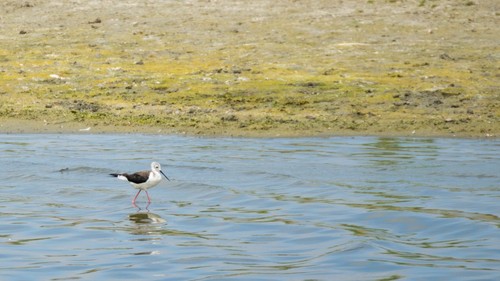
Black-winged Stilt
33-36 cm (13-14 in) long, wingspan 67-83 cm
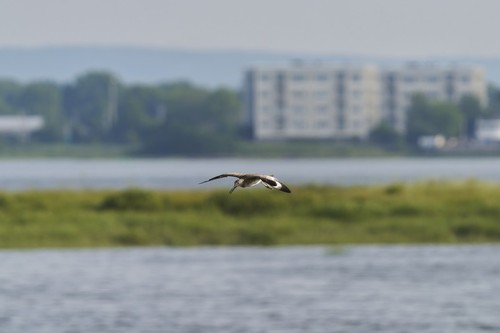
Willet
33-41 cm (13-16 in) long, 65-70 cm wingspan
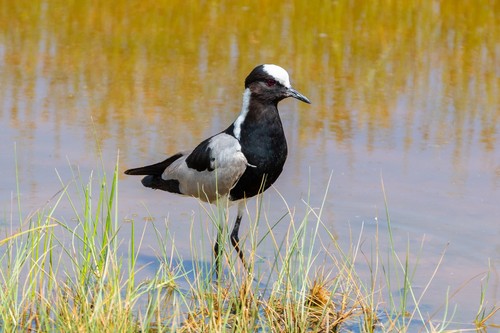
Blacksmith Lapwing
Body length about 30 cm; wingspan 55-65 cm
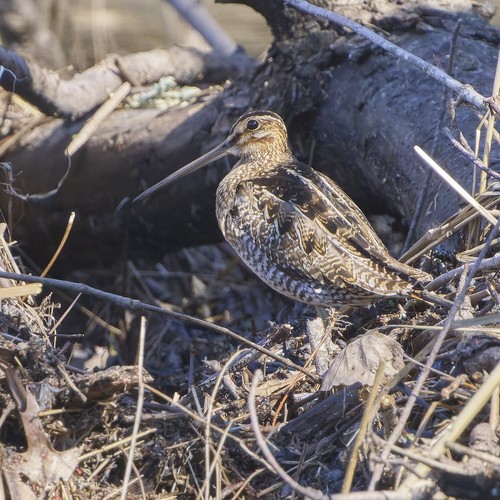
Wilson's Snipe
25-30 cm (10-12 in) long, 39-45 cm wingspan
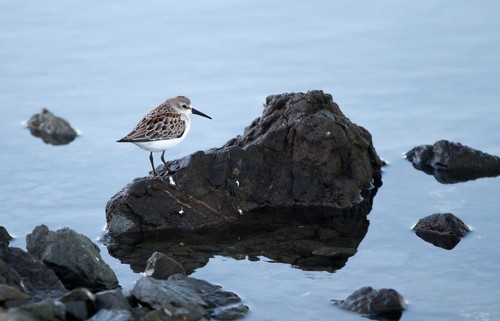
Western Sandpiper
14-17 cm (5.5-6.7 in) long, 28-37 cm wingspan
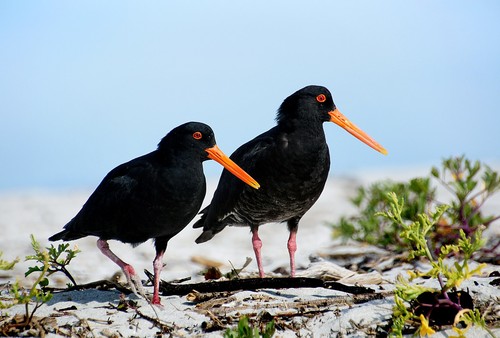
Variable Oystercatcher
46-49 cm (18-19 in) long
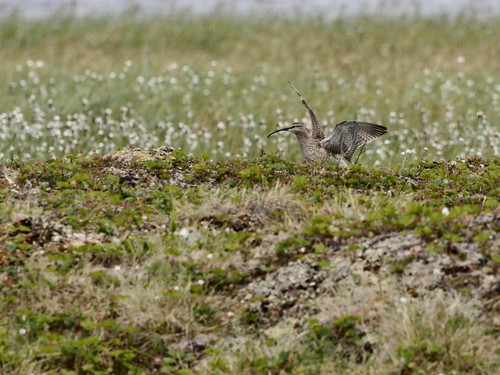
Whimbrel
40-46 cm (16-18 in) long, 76-89 cm wingspan
Wilson's Phalarope
22-24 cm (8.5-9.5 in) long, 37-43 cm wingspan
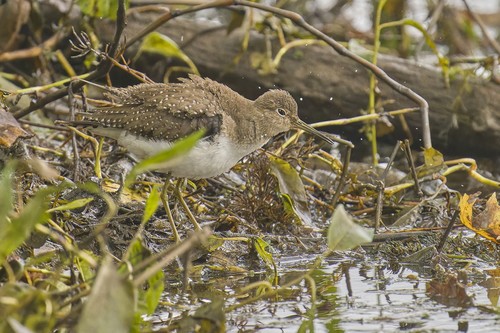
Solitary Sandpiper
19-23 cm (7.5-9 in) long, 50-56 cm wingspan
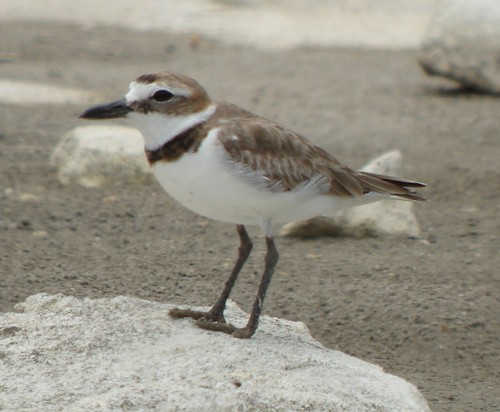
Wilson's Plover
17-19 cm (6.7-7.5 in) long, 45-50 cm wingspan
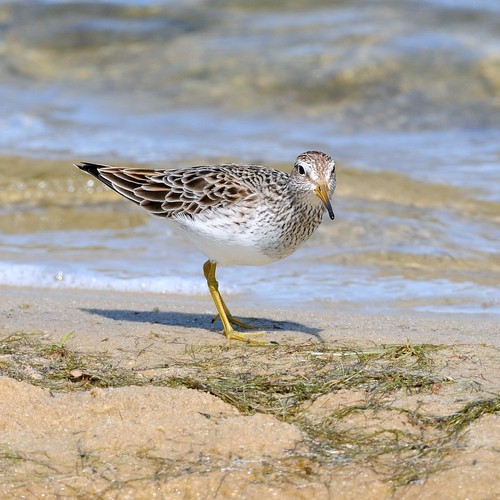
Pectoral Sandpiper
19-23 cm (7.5-9 in) long, 43-49 cm wingspan
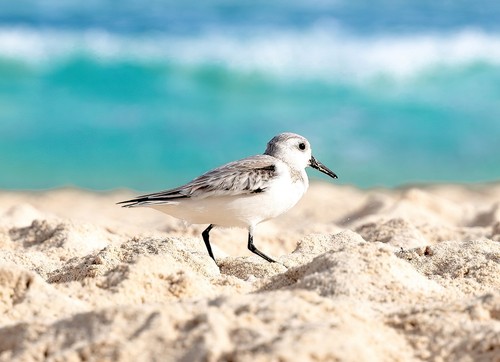
Sanderling
18-20 cm (7-8 in) long, 40-43 cm wingspan