
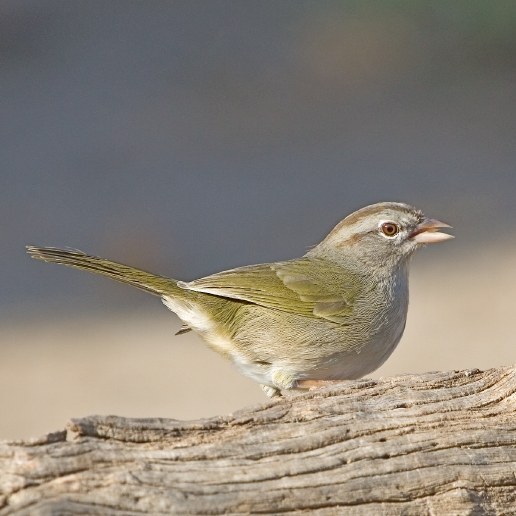
Olive Sparrow
Arremonops rufivirgatus
A skulking, olive-green sparrow of South Texas thornscrub with a striped rufous-and-gray crown and a bouncing-ball trill song.
- Size
- 14-16 cm (5.5-6.3 in) long, about 19-20 cm (7.5-8 in) wingspan
- Habitat
- dense thorny brushland (thornscrub)
- Type
- songbird
Spotted a bird like this?
Identify any bird from a photo, free.
Overview
The Olive Sparrow is a distinctive, ground-loving sparrow of dense thornscrub, found in the United States only in the brushlands of South Texas. Its olive-green back sets it apart from the browner tones of most other North American sparrows, giving it a somewhat tropical appearance appropriate to a species whose range extends south through Mexico and Central America.
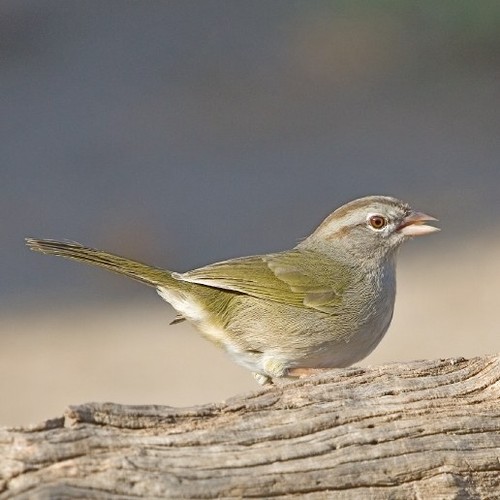
Adults show plain grayish underparts and an olive-green back, with a distinctive crown pattern of two broad rufous (chestnut) stripes bordering a gray central crown stripe. The bill is stout and pale, well suited to a diet that includes seeds along with insects and occasional fruit.
This species is notoriously secretive, spending most of its time on or near the ground within dense, thorny vegetation, and is often detected first by its distinctive accelerating trill rather than by sight.
How to identify it
Key Field Marks
- Olive-green back, distinct from the browner tones of most sparrows
- Plain grayish underparts, unstreaked
- Rufous (chestnut) crown stripes bordering a gray central crown stripe
- Stout, pale bill
Similar Species
No other regularly occurring US sparrow shares the combination of an olive-green back with a rufous-and-gray striped crown, making adults essentially unmistakable when seen well. Its skulking habits mean it is more often confused by sound (its trilling song can suggest other species) than by sight.
Habitat & range
In the United States, the Olive Sparrow is essentially restricted to the dense thorny brushland (thornscrub) of the Rio Grande Valley and adjacent parts of South Texas. Its broader range extends south through eastern Mexico into Central America, where it occupies similar dense brush and scrub habitats.
The species is non-migratory, remaining resident within its brushland habitat year-round, and depends on relatively undisturbed thornscrub with dense low cover, making it sensitive to habitat clearing for agriculture and development in South Texas.
Behavior & voice
Behavior
Olive Sparrows are highly secretive, foraging on the ground within dense, thorny cover and rarely venturing into the open, so they are much more often heard than seen.
Voice
The song is a distinctive series of accelerating chip notes that speeds up into a rapid trill, often compared to a bouncing ball coming to rest; a sharp 'tship' call note is also frequently given.
Feeding
Diet includes insects, seeds, and some fruit, gleaned from the ground and low vegetation within dense brush.
Nesting and Breeding
The nest is a bulky, sometimes partially domed structure built low in dense thorny shrubs, well hidden from view. Clutches typically contain 3-4 white eggs.
Frequently asked questions
Where can you find an Olive Sparrow in the United States?
It is found only in dense thornscrub brushland of South Texas, particularly the Rio Grande Valley.
How do you identify an Olive Sparrow?
Look for an olive-green backed sparrow with plain gray underparts and a crown pattern of rufous stripes bordering a gray central stripe.
What does the Olive Sparrow sound like?
It gives an accelerating series of chip notes that speeds into a rapid trill, often likened to a bouncing ball coming to a stop.
Is the Olive Sparrow easy to see?
No, it is very secretive, staying low in dense thorny brush and rarely coming into the open.
Does the Olive Sparrow occur outside the US?
Yes, its range extends south through eastern Mexico into Central America, with South Texas at the northern edge of its distribution.
Olive Sparrow guides
In-depth guides for identifying, finding, and understanding Olive Sparrow.
Other birds you may enjoy
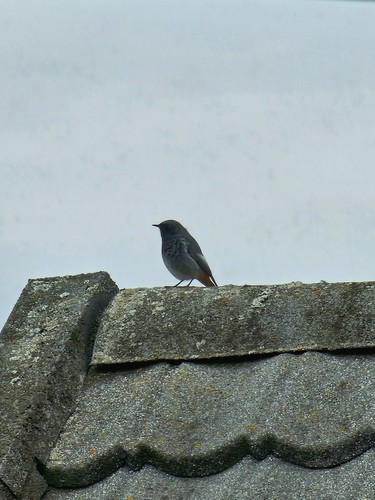
Black Redstart
13-14.5 cm (5.1-5.7 in) long, 23-26 cm wingspan
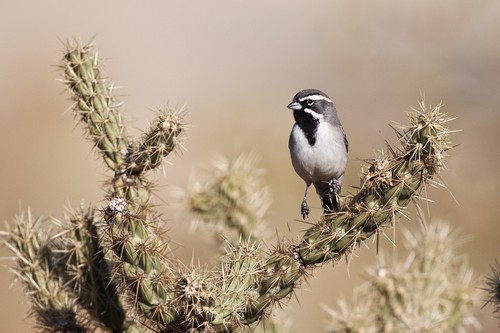
Black-throated Sparrow
12-14 cm (4.7-5.5 in) long, about 19-20 cm (7.5-8 in) wingspan
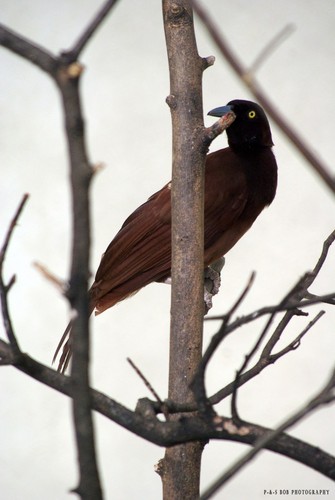
Greater Bird-of-paradise
Body about 43 cm; males with additional flank plumes up to 50 cm and long tail wires
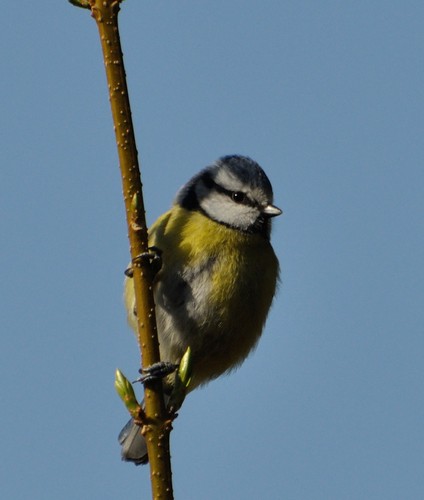
Blue Tit
11-12 cm (4.3-4.7 in) long, 17-20 cm wingspan
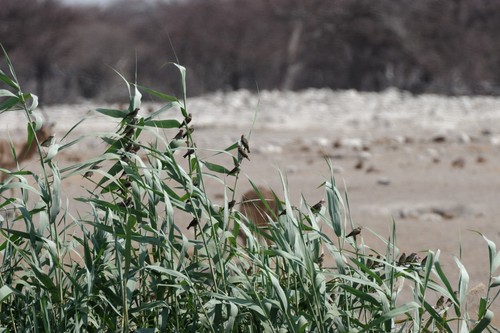
Red-billed Quelea
11.5–13 cm long, wingspan about 20–22 cm
White-plumed Antbird
13-14 cm (5-5.5 in) long
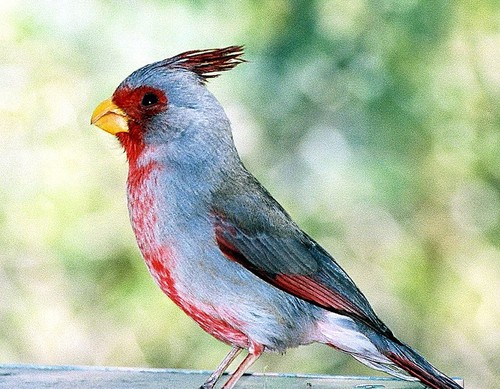
Pyrrhuloxia
19-22 cm (7.5-8.7 in) long, 30 cm wingspan
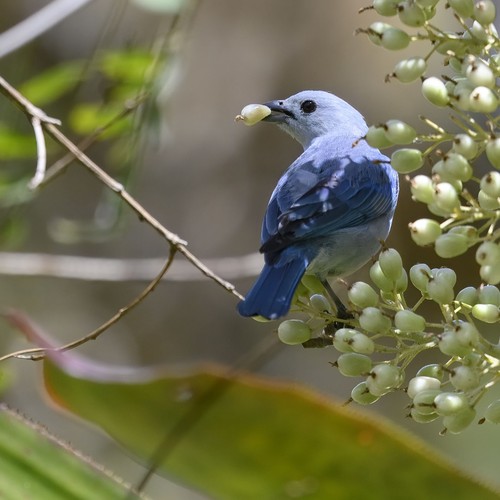
Blue-gray Tanager
16-18 cm (6-7 in) long
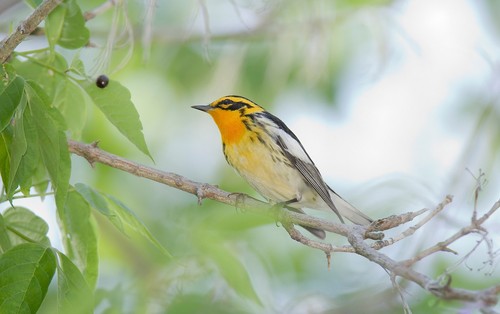
Blackburnian Warbler
11-13 cm (4.3-5.1 in) long, 20-22 cm wingspan
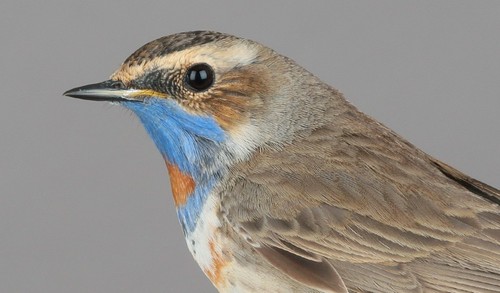
Bluethroat
13-14 cm (5.1-5.5 in) long, 20-22 cm wingspan
Eurasian Nuthatch
12-14.5 cm (4.7-5.7 in) long, 22.5-27 cm wingspan
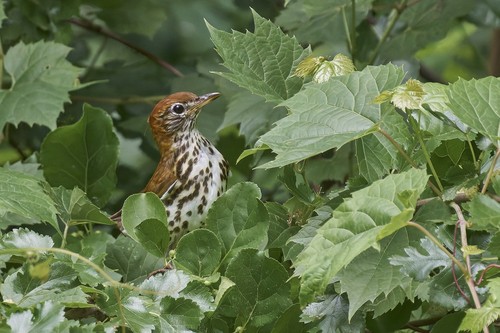
Wood Thrush
19-21 cm (7.5-8.3 in) long, about 33 cm (13 in) wingspan