
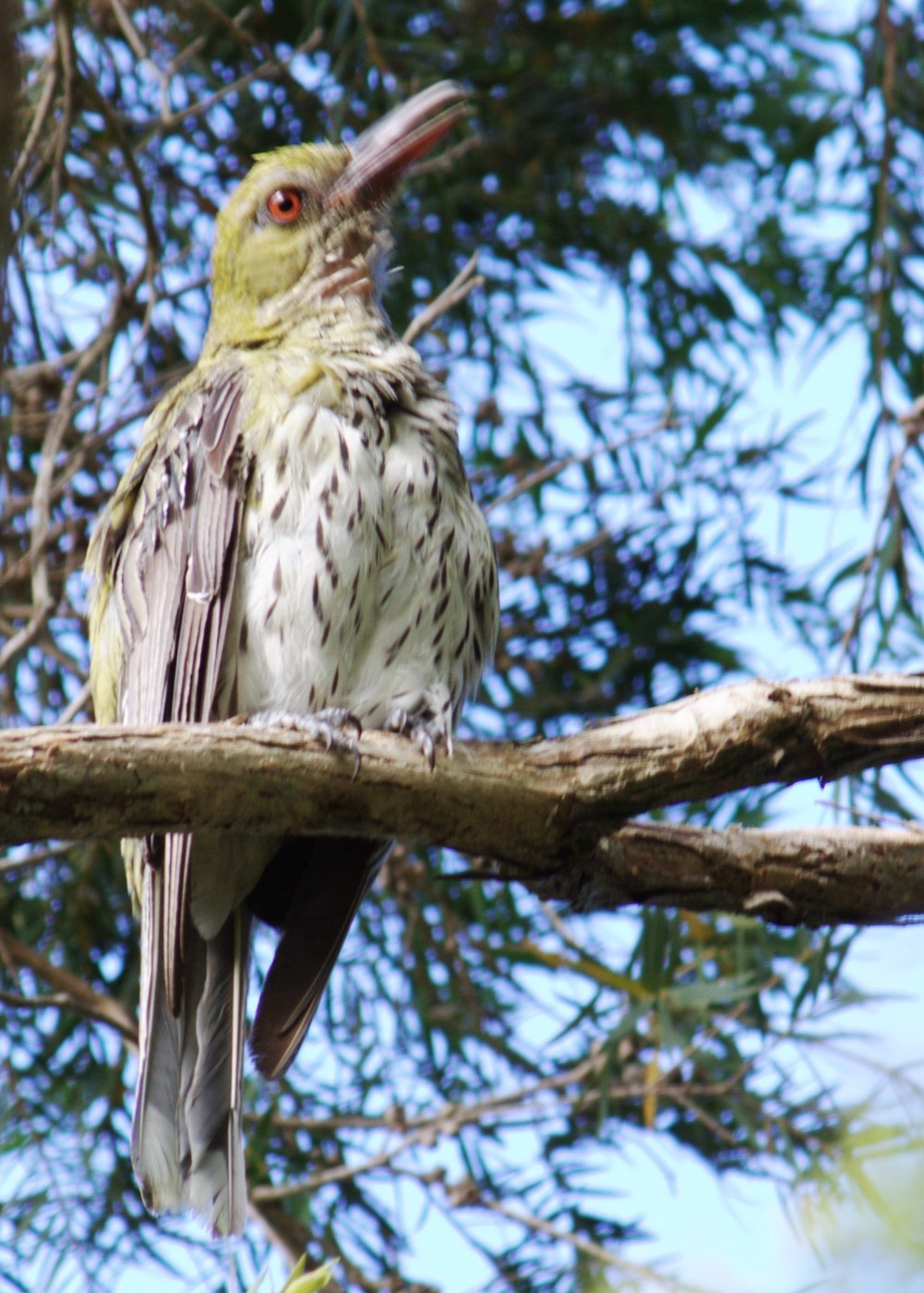
Olive-backed Oriole
Oriolus sagittatus
An olive-green songbird with cream underparts finely streaked in dark grey, a red eye, and a rich, fluty, far-carrying song.
- Size
- 26-29 cm (10-11.5 in) long, 35-42 cm wingspan
- Habitat
- woodlands, forests, and well-vegetated gardens
- Type
- songbird
Spotted a bird like this?
Identify any bird from a photo, free.
Overview
The Olive-backed Oriole is a slender, medium-sized songbird with olive-green upperparts and creamy underparts marked with fine dark streaking that runs from the throat down to the belly. A striking red eye stands out against the otherwise subdued plumage, and the bill is slightly downcurved and pinkish-red at the base.
More often heard than seen, it spends much of its time in the leafy canopy of trees, where its rich, mellow, fluty song, one of the most pleasant sounds of Australian woodland, is a familiar feature of the dawn chorus across much of the continent's forested regions.
How to identify it
Key field marks
- Olive-green upperparts with fine darker streaking on cream underparts
- Bright red eye
- Slightly downcurved, pinkish-based bill
- Slender build, often remaining hidden in dense foliage
Similar species
- Australasian Figbird has bare colored skin around the eye rather than a plain red iris, and males show a plainer, unstreaked body.
- Female or juvenile figbirds are heavily streaked but lack the oriole's plain red eye without bare surrounding skin.
Habitat & range
Habitat
Inhabits woodlands, open forests, forest edges, and well-vegetated parks and gardens.
Range
Widespread across northern, eastern, and southeastern Australia, from the Kimberley region across the Top End, down through Queensland, New South Wales, Victoria, and into southeastern South Australia.
Migration
Partly migratory, with southeastern populations often moving north for winter, while northern populations tend to be more sedentary.
Behavior & voice
Behavior
Usually solitary or in pairs, foraging quietly in the tree canopy and often more easily detected by voice than sight.
Voice
A rich, mellow, fluty song of rolling, liquid phrases, often rendered as "orry-ole" repeated melodiously.
Feeding
Feeds on fruit and berries as well as insects gleaned from foliage and bark.
Nesting
Builds a deep, cup-shaped nest of bark strips and grass, slung hammock-like between a horizontal tree fork; lays 2-4 cream eggs with dark blotching.
Frequently asked questions
How do you identify an Olive-backed Oriole?
Look for olive-green upperparts, cream underparts finely streaked with grey, and a distinctive red eye.
What does an Olive-backed Oriole sound like?
It has a rich, mellow, fluty song of rolling liquid phrases, often described as sounding like "orry-ole."
How is the Olive-backed Oriole different from the Figbird?
The oriole has a plain red eye without bare surrounding skin and streaked underparts, while the figbird has a patch of bare colored skin around the eye and males show a plainer body.
What does an Olive-backed Oriole eat?
Fruit and berries along with insects gleaned from foliage and bark.
Olive-backed Oriole guides
In-depth guides for identifying, finding, and understanding Olive-backed Oriole.
Other birds you may enjoy
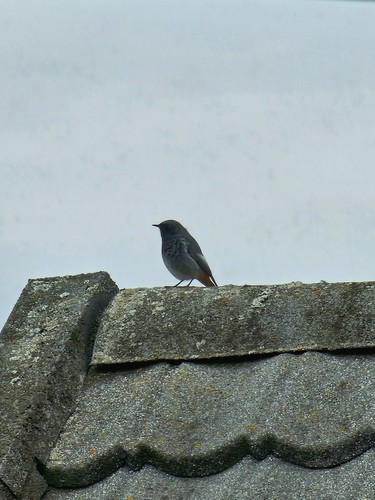
Black Redstart
13-14.5 cm (5.1-5.7 in) long, 23-26 cm wingspan
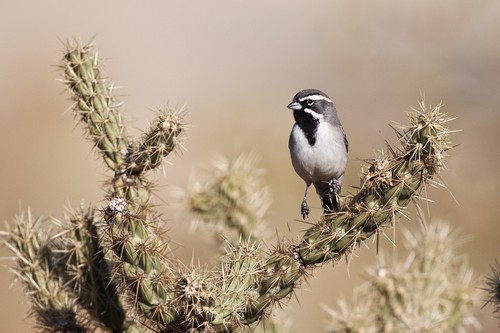
Black-throated Sparrow
12-14 cm (4.7-5.5 in) long, about 19-20 cm (7.5-8 in) wingspan
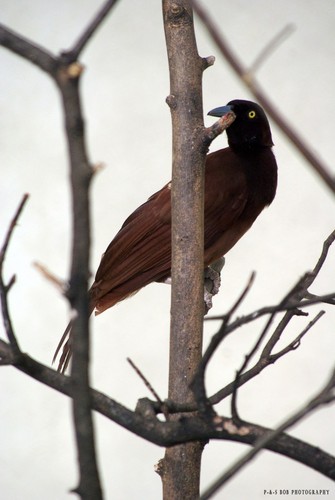
Greater Bird-of-paradise
Body about 43 cm; males with additional flank plumes up to 50 cm and long tail wires
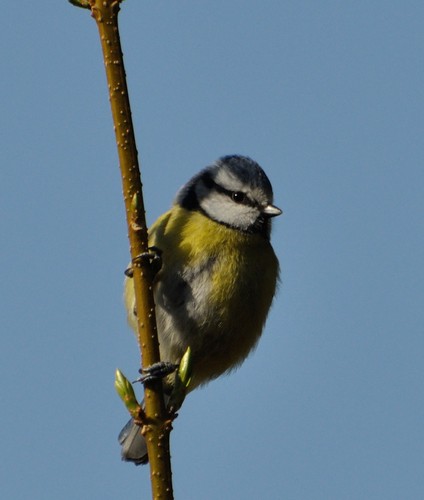
Blue Tit
11-12 cm (4.3-4.7 in) long, 17-20 cm wingspan
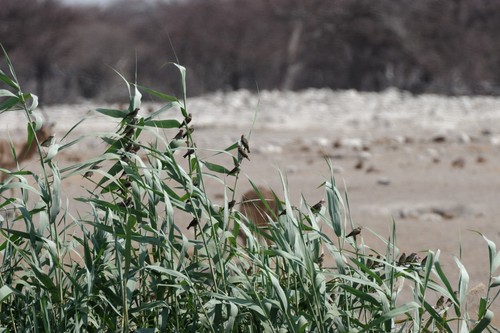
Red-billed Quelea
11.5–13 cm long, wingspan about 20–22 cm
White-plumed Antbird
13-14 cm (5-5.5 in) long
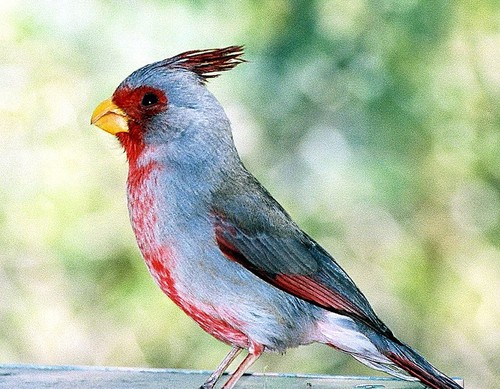
Pyrrhuloxia
19-22 cm (7.5-8.7 in) long, 30 cm wingspan
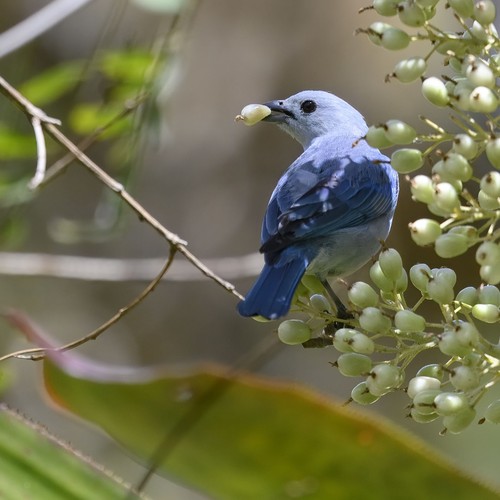
Blue-gray Tanager
16-18 cm (6-7 in) long
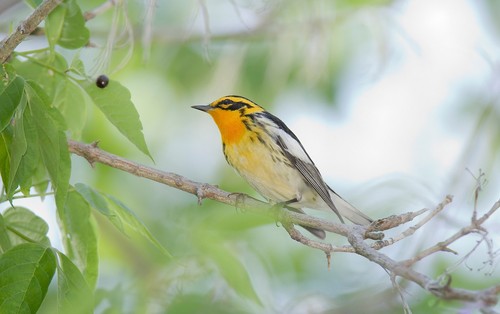
Blackburnian Warbler
11-13 cm (4.3-5.1 in) long, 20-22 cm wingspan
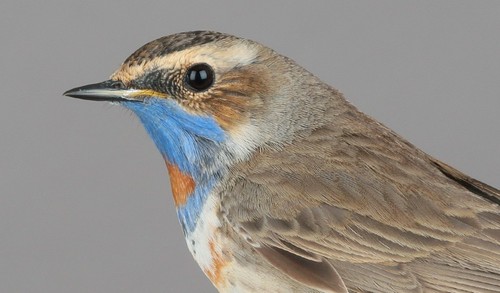
Bluethroat
13-14 cm (5.1-5.5 in) long, 20-22 cm wingspan
Eurasian Nuthatch
12-14.5 cm (4.7-5.7 in) long, 22.5-27 cm wingspan
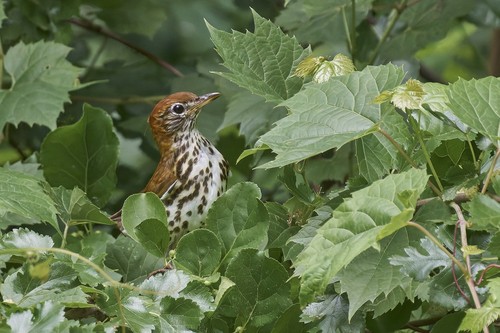
Wood Thrush
19-21 cm (7.5-8.3 in) long, about 33 cm (13 in) wingspan