
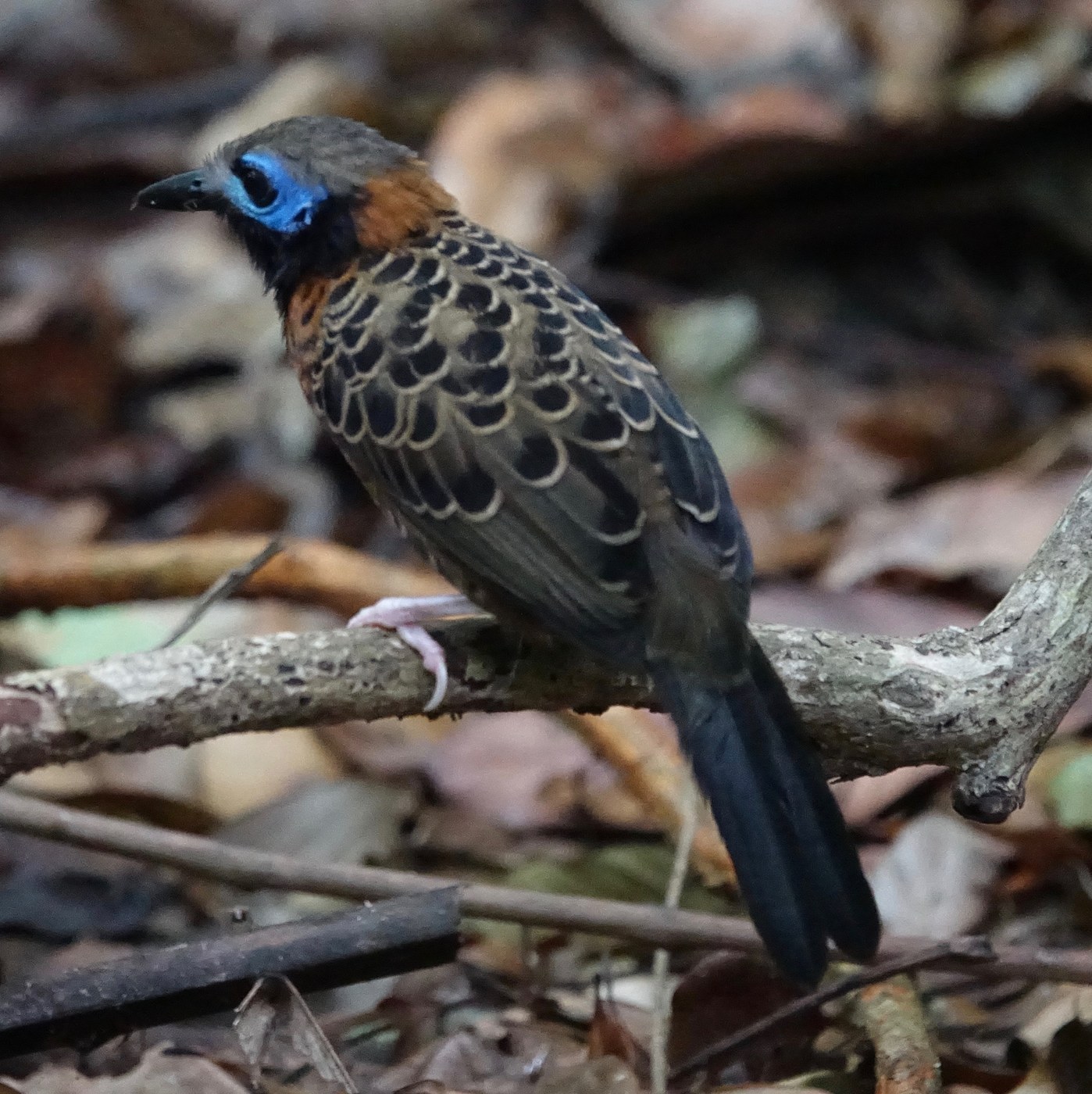
Ocellated Antbird
Phaenostictus mcleannani
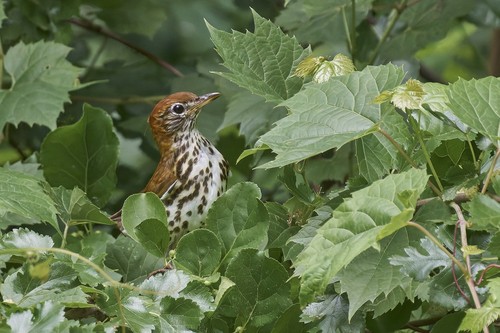
The largest and most dominant of the Neotropical ant-following antbirds, patterned with scaly chestnut-and-black "ocelli" and bare blue facial skin.
- Size
- 18-20 cm (7-8 in) long
- Habitat
- understory of humid lowland forest, especially at large army ant swarms
- Type
- songbird
Spotted a bird like this?
Identify any bird from a photo, free.
Overview
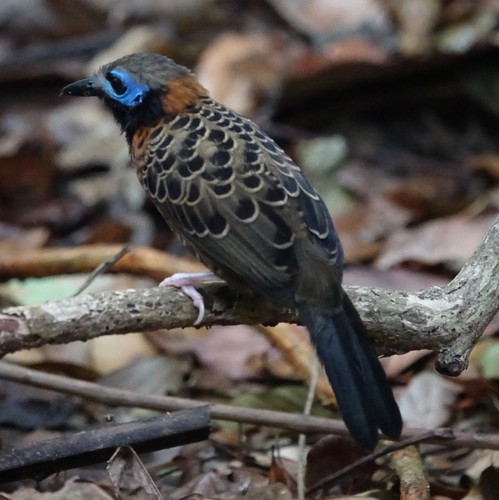
The Ocellated Antbird is the largest and most dominant member of the guild of obligate army-ant-following antbirds, ranking at the top of the swarm's social hierarchy above species like Bicolored and Spotted Antbirds. Its plumage is richly patterned: chestnut and black feathers edged with buff create a scaled or "ocellated" (eye-spot-like) look across the crown, back, and breast, while bare cobalt-blue skin surrounds the eye and extends onto the face.
Because it depends so heavily on shrinking tracts of undisturbed lowland forest with healthy army ant populations, the species is considered Near Threatened.
How to identify it
Key field marks
- Large size for an antbird, with a heavy build and long legs.
- Scaly, scalloped chestnut-and-black plumage pattern ("ocellations") on crown, back, and breast.
- Bare, bright blue skin around the eye and face.
- Blackish cap.
Similar species
Bicolored Antbird is smaller, plainer rufous-brown with a whiter breast and lacks the scaly ocellated pattern, though it also has blue facial skin. Spotted Antbird is much smaller with bold discrete spots rather than a scaled pattern. The Ocellated Antbird's larger size and scaly plumage combined with blue facial skin are diagnostic.
Habitat & range
Ocellated Antbirds inhabit the understory of humid lowland and foothill forest from Honduras south through Nicaragua, Costa Rica, and Panama to northwestern Colombia and Ecuador, generally below about 900-1,000 m. They require large tracts of relatively undisturbed forest to support the sustained army ant activity they depend on, and are sensitive to forest fragmentation.
Behavior & voice
Voice
A loud, ringing series of whistled notes, often given while attending ant swarms; calls carry well through dense understory.
Feeding
An obligate army-ant follower, it dominates access to the best perches over the swarm front, displacing smaller ant-following species, and sallies to catch insects, spiders, and small vertebrates fleeing the ants.
Nesting and breeding
Pairs build a low nest in the forest understory and share incubation and feeding of the young. Breeding activity is closely tied to territory quality and the availability of productive army ant colonies within the pair's home range.
Frequently asked questions
Why is it called "ocellated"?
Its chestnut-and-black feathers are edged with buff, creating a scaled, eye-spot-like (ocellated) pattern across the back and breast.
Is the Ocellated Antbird dominant at ant swarms?
Yes, it is the top-ranked species in the ant-following hierarchy, typically claiming the best perches over the ant front and displacing smaller species.
Why is this species Near Threatened?
It depends on large tracts of intact lowland forest with healthy army ant populations, making it vulnerable to deforestation and fragmentation.
Where is the Ocellated Antbird found?
From Honduras through Central America to northwestern Colombia and Ecuador.
Ocellated Antbird guides
In-depth guides for identifying, finding, and understanding Ocellated Antbird.
Other birds you may enjoy
Black Redstart
13-14.5 cm (5.1-5.7 in) long, 23-26 cm wingspan
Black-throated Sparrow
12-14 cm (4.7-5.5 in) long, about 19-20 cm (7.5-8 in) wingspan
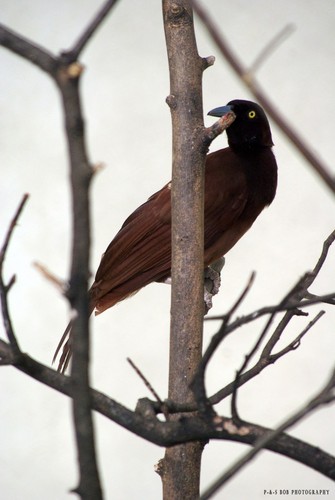
Greater Bird-of-paradise
Body about 43 cm; males with additional flank plumes up to 50 cm and long tail wires
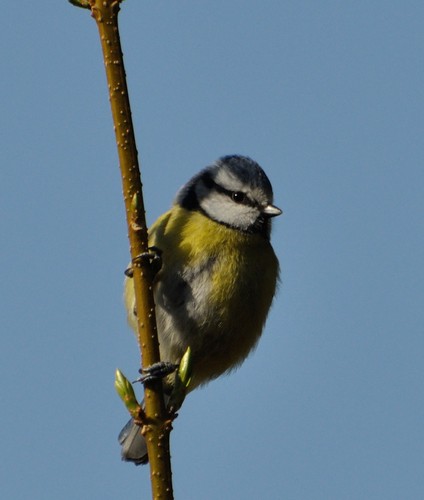
Blue Tit
11-12 cm (4.3-4.7 in) long, 17-20 cm wingspan
Red-billed Quelea
11.5–13 cm long, wingspan about 20–22 cm
White-plumed Antbird
13-14 cm (5-5.5 in) long
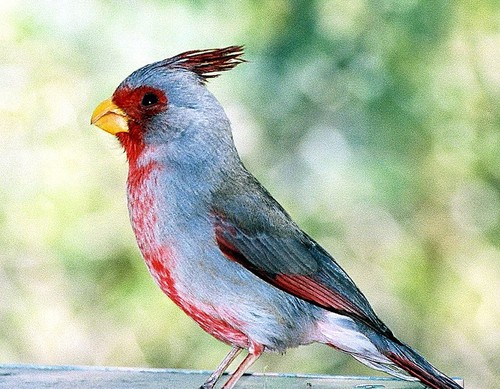
Pyrrhuloxia
19-22 cm (7.5-8.7 in) long, 30 cm wingspan
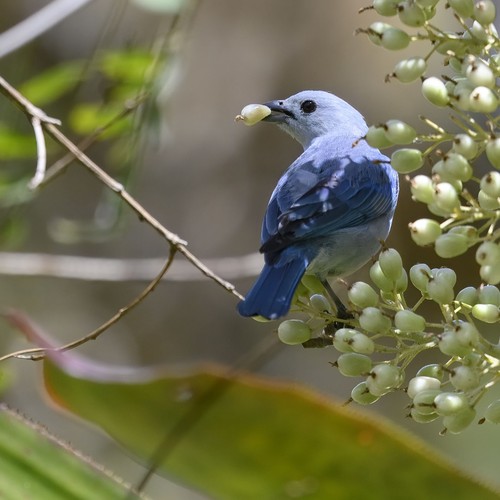
Blue-gray Tanager
16-18 cm (6-7 in) long
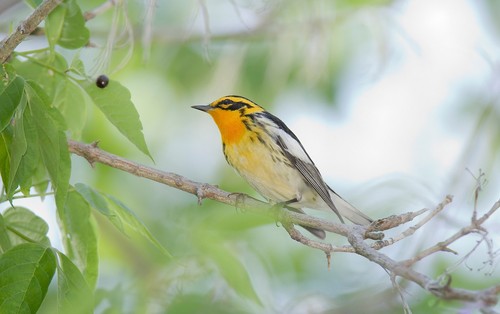
Blackburnian Warbler
11-13 cm (4.3-5.1 in) long, 20-22 cm wingspan
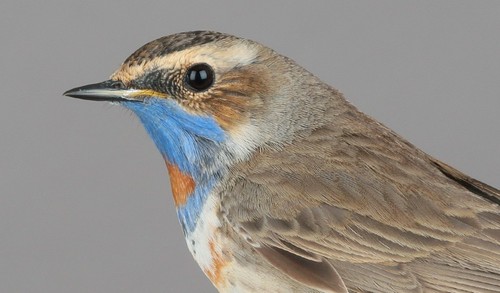
Bluethroat
13-14 cm (5.1-5.5 in) long, 20-22 cm wingspan
Eurasian Nuthatch
12-14.5 cm (4.7-5.7 in) long, 22.5-27 cm wingspan
Wood Thrush
19-21 cm (7.5-8.3 in) long, about 33 cm (13 in) wingspan