
Oak Titmouse
Baeolophus inornatus
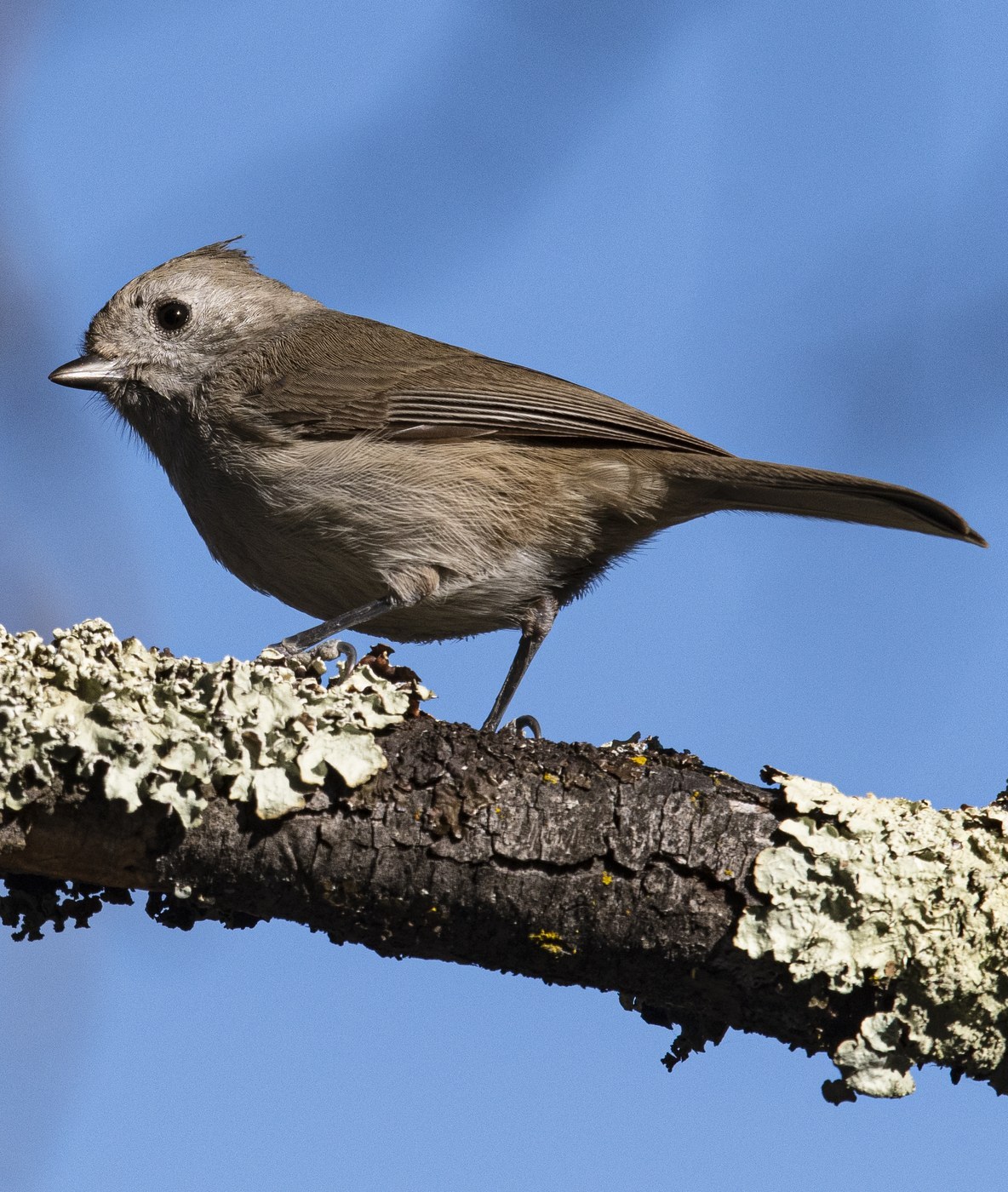
A plain gray-brown, crested songbird tightly tied to oak woodlands of California, notable for its lack of bold field marks.
- Size
- 13-14 cm (5.1-5.5 in) long, 20-23 cm wingspan
- Habitat
- oak woodlands of California and southern Oregon
- Type
- songbird
Spotted a bird like this?
Identify any bird from a photo, free.
Overview
The Oak Titmouse is a small, unassuming, crested songbird best identified by its plainness — an overall soft gray-brown coloring with no bold markings, wing bars, or facial pattern, topped by a modest pointed crest. As its name suggests, it is closely tied to oak woodland habitat throughout California's interior valleys, foothills, and coastal ranges, extending narrowly into southwestern Oregon.
Despite its drab appearance, the Oak Titmouse has a lively, inquisitive personality typical of titmice, and pairs are notably sedentary, often remaining on the same small territory year-round for their entire lives.
How to identify it
Key Field Marks
- Small, uniformly gray-brown body
- Modest pointed crest
- Plain face lacking any bold pattern
- Short, stubby dark bill
- No wing bars or other bold markings
Similar Species
- Juniper Titmouse: nearly identical in shape and plainness but slightly grayer overall (versus browner Oak Titmouse) and occupies pinyon-juniper woodland rather than oak woodland, with essentially no range overlap.
- Bridled Titmouse: has a bold black-and-white facial pattern, easily distinguishing it from the plain-faced Oak Titmouse.
- Bushtit: much smaller and grayer with a long thin tail and no crest.
Habitat & range
Habitat
Oak Titmice are strongly associated with open oak and oak-pine woodlands, including foothill and valley oak groves, and are also found in adjacent chaparral and riparian edges with scattered oaks.
Range
The species ranges through California west of the Sierra Nevada crest and the deserts, from the northern Coast Ranges and Sacramento Valley south through the Central Valley and coastal ranges into northern Baja California, with a small extension into southwestern Oregon.
Migration
Oak Titmice are non-migratory and highly sedentary, with pairs typically holding the same territory for life and young often settling near their natal area.
Behavior & voice
Behavior
Oak Titmice are active, curious birds that often join mixed foraging flocks with chickadees, nuthatches, and warblers outside the breeding season, gleaning insects from oak foliage and bark.
Voice
The song is a rapid, repeated "peter-peter-peter" or "chiva-chiva-chiva"; calls include a scratchy, scolding chatter typical of titmice.
Feeding
Diet includes insects, spiders, and other invertebrates, along with seeds and acorns, which they wedge into bark crevices to hammer open with their bill.
Nesting
Nests are built in natural cavities or old woodpecker holes, sometimes in nest boxes, lined with grass, moss, fur, and feathers. Clutches typically number 6-8 eggs, and pairs are monogamous and territorial year-round.
Frequently asked questions
Why is the Oak Titmouse so hard to identify by plumage?
It is intentionally plain — its identification relies more on its uniform gray-brown color, crest shape, range, and voice than on any bold field marks, since it lacks strong patterning altogether.
How do I tell an Oak Titmouse from a Juniper Titmouse?
The two look nearly identical, but they occupy different habitats and ranges — Oak Titmouse in California oak woodlands, Juniper Titmouse in Great Basin pinyon-juniper woodland — with essentially no geographic overlap, making range the best clue.
Where does the Oak Titmouse live?
In oak and oak-pine woodlands throughout California west of the Sierra Nevada and deserts, with a small range extension into southwestern Oregon.
Does the Oak Titmouse migrate?
No, it is highly sedentary, with pairs often remaining on the same territory for their entire lives.
What does the Oak Titmouse eat?
Insects, spiders, seeds, and acorns, which it wedges into bark crevices and hammers open with its bill.
Oak Titmouse guides
In-depth guides for identifying, finding, and understanding Oak Titmouse.
Other birds you may enjoy
Black Redstart
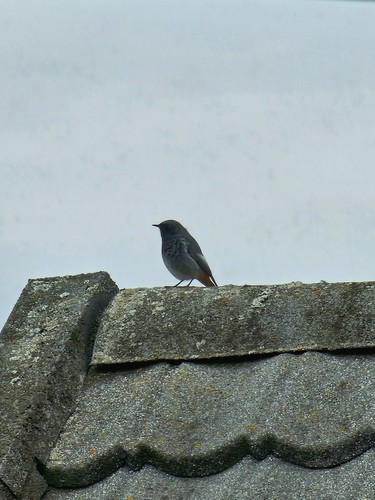
13-14.5 cm (5.1-5.7 in) long, 23-26 cm wingspan
Black-throated Sparrow
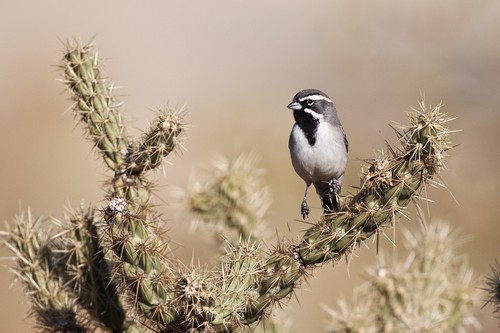
12-14 cm (4.7-5.5 in) long, about 19-20 cm (7.5-8 in) wingspan
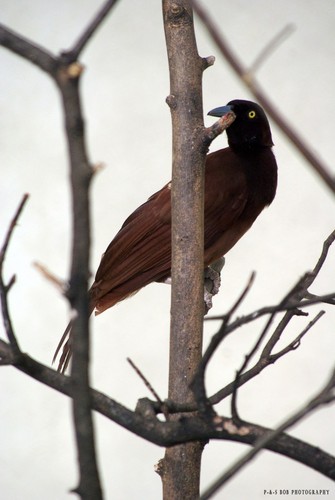
Greater Bird-of-paradise
Body about 43 cm; males with additional flank plumes up to 50 cm and long tail wires
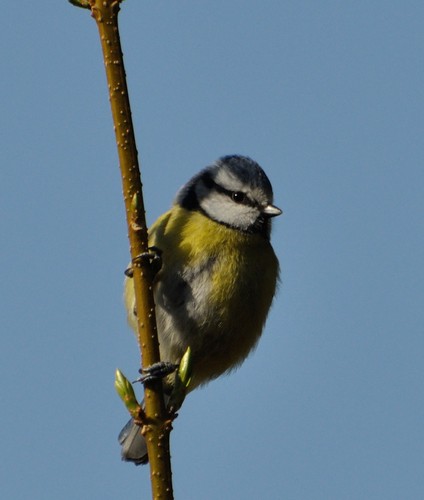
Blue Tit
11-12 cm (4.3-4.7 in) long, 17-20 cm wingspan

Red-billed Quelea
11.5–13 cm long, wingspan about 20–22 cm
White-plumed Antbird
13-14 cm (5-5.5 in) long
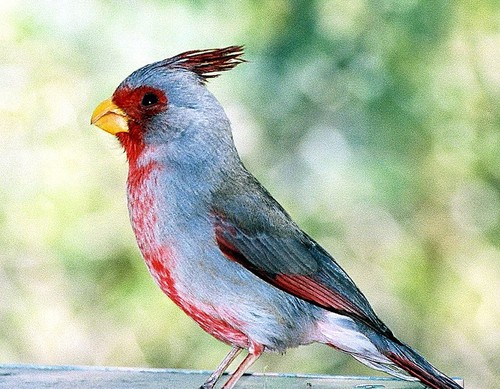
Pyrrhuloxia
19-22 cm (7.5-8.7 in) long, 30 cm wingspan
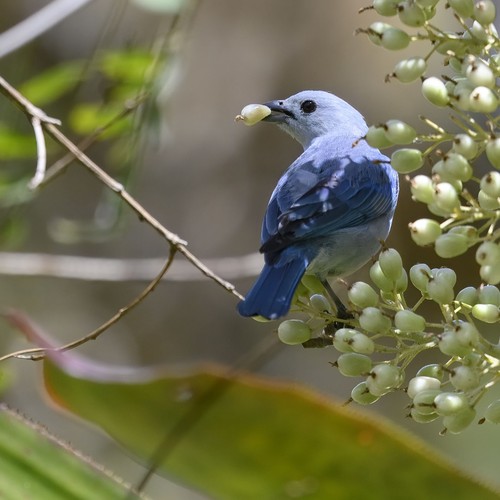
Blue-gray Tanager
16-18 cm (6-7 in) long
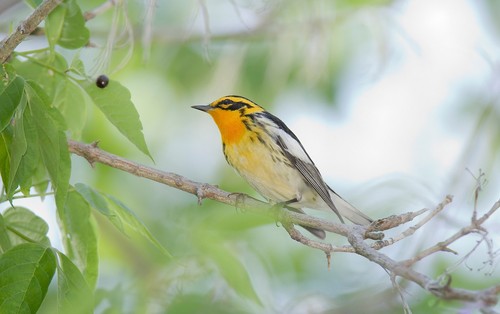
Blackburnian Warbler
11-13 cm (4.3-5.1 in) long, 20-22 cm wingspan
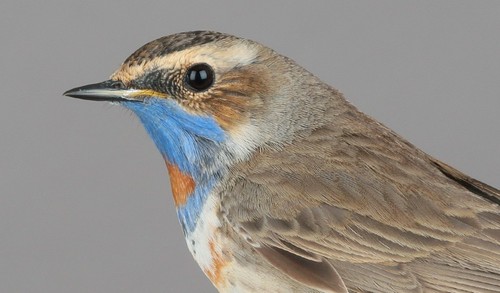
Bluethroat
13-14 cm (5.1-5.5 in) long, 20-22 cm wingspan
Eurasian Nuthatch
12-14.5 cm (4.7-5.7 in) long, 22.5-27 cm wingspan
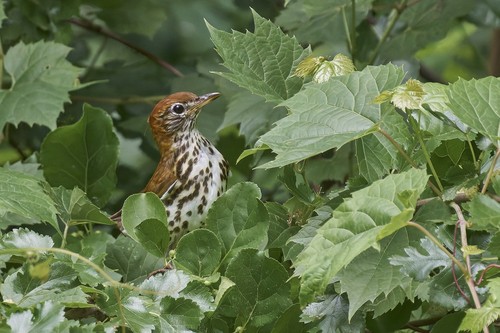
Wood Thrush
19-21 cm (7.5-8.3 in) long, about 33 cm (13 in) wingspan