
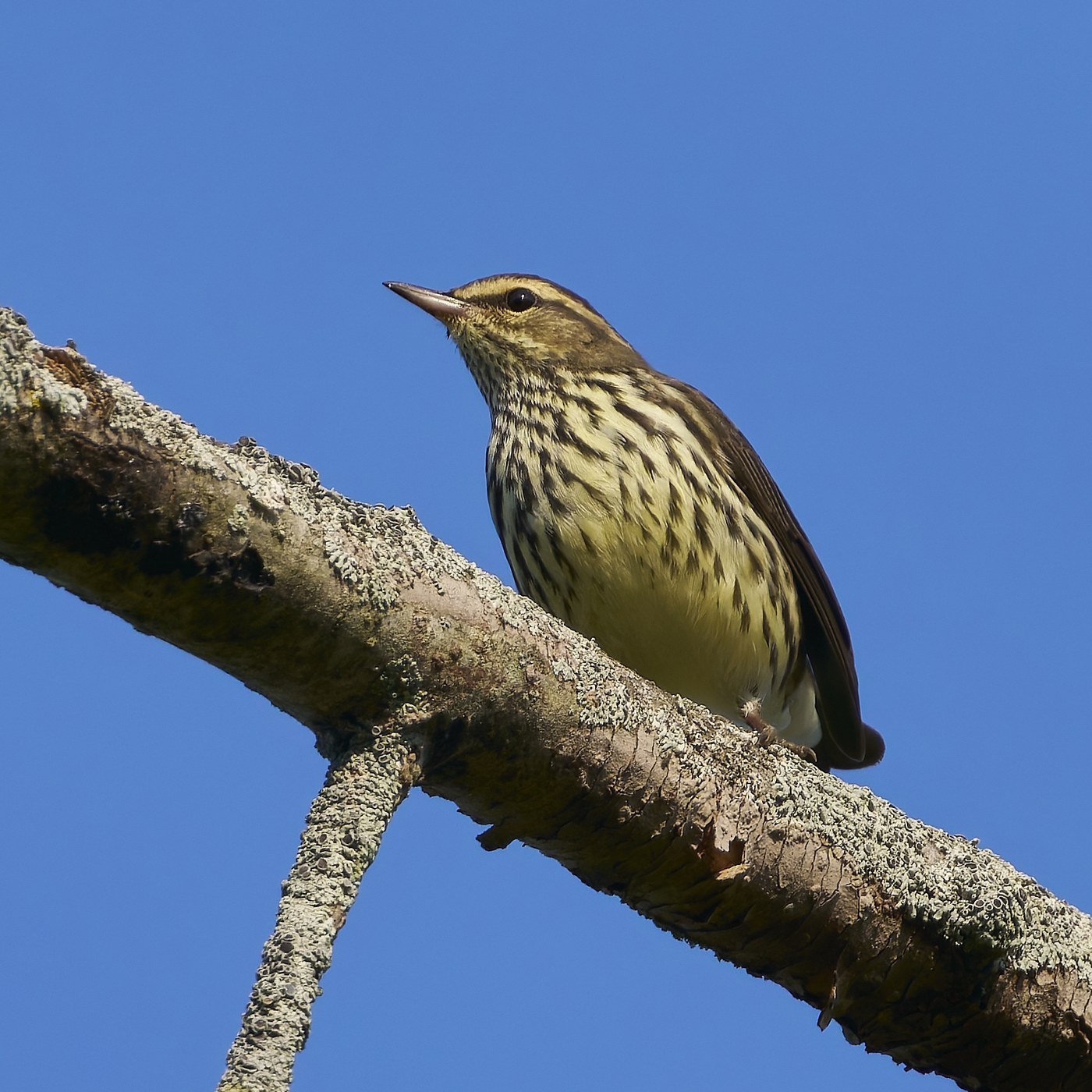
Northern Waterthrush
Parkesia noveboracensis
A boreal-breeding, thrush-like warbler of still-water wetlands and swamps, closely resembling Louisiana Waterthrush but favoring quieter water and showing a finely streaked throat.
- Size
- 12-15 cm (4.7-5.9 in) long, 21-24 cm wingspan
- Habitat
- wooded swamps, bogs, and edges of still or slow-moving water
- Type
- songbird
Spotted a bird like this?
Identify any bird from a photo, free.
Overview
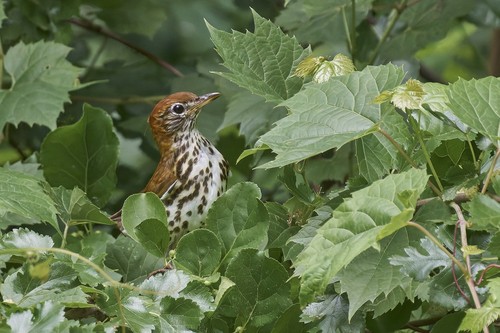
The Northern Waterthrush is a large, streaky, ground-dwelling warbler that, like its close relative the Louisiana Waterthrush, looks and behaves more like a small thrush than a typical warbler. Brown above and heavily streaked below on a yellowish-white to whitish background, it has a narrow buffy or whitish eyebrow stripe of even width running the length of the face.
It breeds much farther north than Louisiana Waterthrush, across the boreal forest, and tends to favor still or slow-moving water such as swamps, bogs, and pond edges rather than the fast rocky streams preferred by its relative.
How to identify it
Key field marks
- Brown upperparts, whitish to pale yellowish underparts with dense, fine streaking
- Narrow, evenly wide buffy-white eyebrow stripe
- Finely streaked or spotted throat
- Smaller bill than Louisiana Waterthrush
- Constant tail-bobbing while walking
Similar species
Louisiana Waterthrush is very similar but has a broader eyebrow stripe that widens behind the eye, an unmarked white throat, buffy flanks, a larger bill, and a preference for fast-flowing streams rather than still water.
Habitat & range
Northern Waterthrushes breed across the boreal forest of Canada, Alaska, and the northern United States, favoring wooded swamps, bogs, beaver ponds, and the shrubby edges of lakes and slow streams, generally where standing or slow-moving water persists through the breeding season.
They winter in mangroves, wetland edges, and other wet lowland habitats from Mexico and the Caribbean south through Central America into northern South America.
Behavior & voice
Behavior and voice
Northern Waterthrushes walk along the edges of water, bobbing and teetering the tail, gleaning aquatic and terrestrial insects and other small invertebrates from mud, leaf litter, and shallow water.
The song is a loud, emphatic series often rendered as "sweet-sweet-sweet, chew-chew-chew-chew," descending in pitch and delivered with a ringing, forceful quality.
Nesting
The nest is tucked into an upturned tree root, mossy hummock, or streambank cavity near water, built of moss, leaves, and bark strips. Clutches typically contain 4-5 eggs.
Frequently asked questions
What's the easiest way to separate Northern and Louisiana Waterthrush?
Look at the throat and eyebrow: Northern Waterthrush has a finely streaked throat and an evenly narrow eyebrow stripe, while Louisiana Waterthrush has an unmarked white throat and a broader eyebrow that widens behind the eye. Habitat also helps, since Northern favors still water and Louisiana favors fast streams.
Where does the Northern Waterthrush breed?
Across the boreal forest of Canada, Alaska, and the northern United States, typically around wooded swamps, bogs, and the edges of ponds or slow streams.
Why does it bob its tail?
Like Louisiana Waterthrush, it constantly teeters its tail and rear body while walking, a habit shared by both waterthrush species.
Where does the Northern Waterthrush winter?
In mangroves and wetland habitats from Mexico and the Caribbean south through Central America into northern South America.
What does a Northern Waterthrush eat?
Aquatic and terrestrial insects and other small invertebrates, foraged by walking along the water's edge and probing mud and leaf litter.
Northern Waterthrush guides
In-depth guides for identifying, finding, and understanding Northern Waterthrush.
Other birds you may enjoy
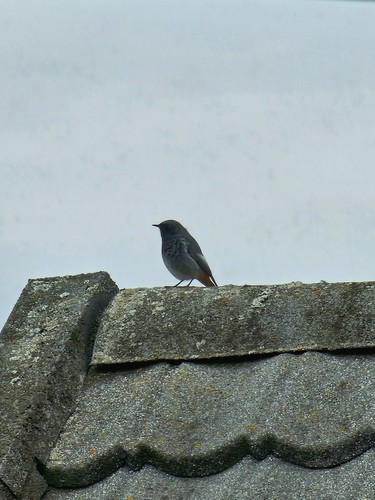
Black Redstart
13-14.5 cm (5.1-5.7 in) long, 23-26 cm wingspan
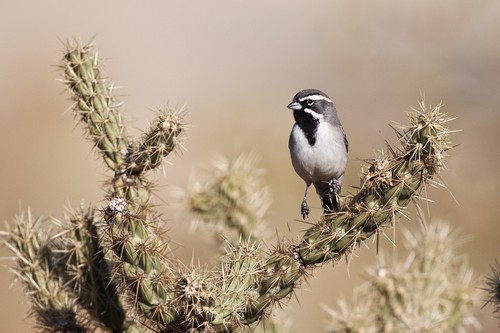
Black-throated Sparrow
12-14 cm (4.7-5.5 in) long, about 19-20 cm (7.5-8 in) wingspan
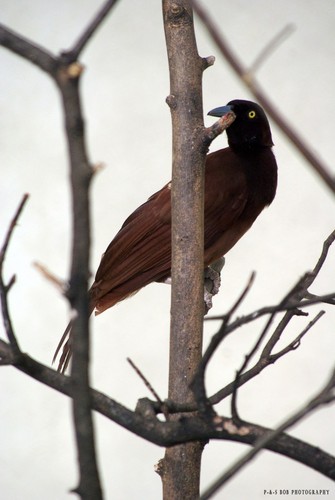
Greater Bird-of-paradise
Body about 43 cm; males with additional flank plumes up to 50 cm and long tail wires
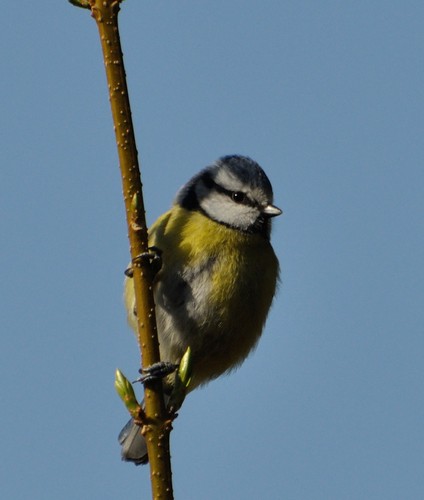
Blue Tit
11-12 cm (4.3-4.7 in) long, 17-20 cm wingspan
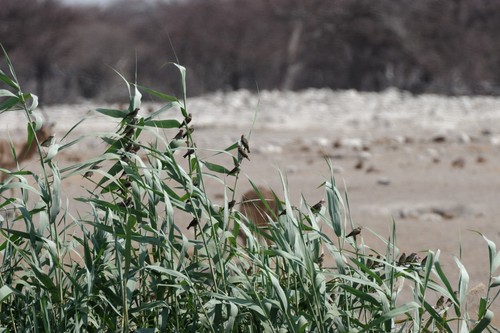
Red-billed Quelea
11.5–13 cm long, wingspan about 20–22 cm
White-plumed Antbird
13-14 cm (5-5.5 in) long
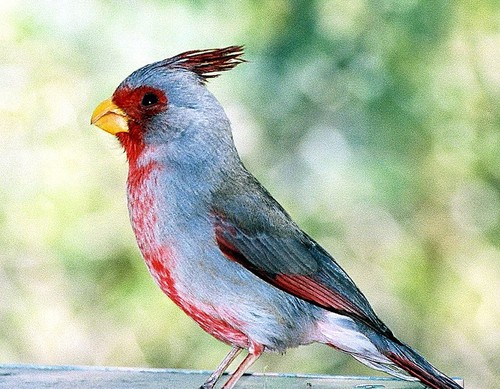
Pyrrhuloxia
19-22 cm (7.5-8.7 in) long, 30 cm wingspan
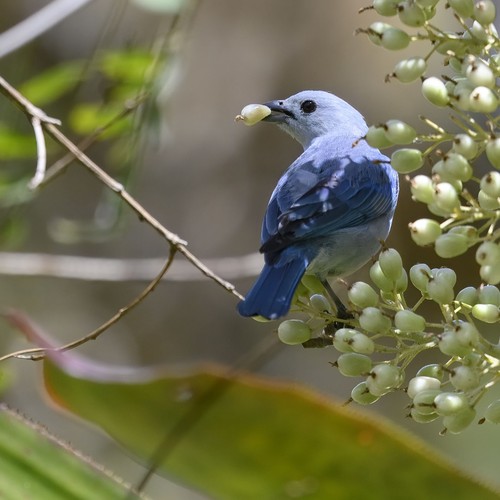
Blue-gray Tanager
16-18 cm (6-7 in) long
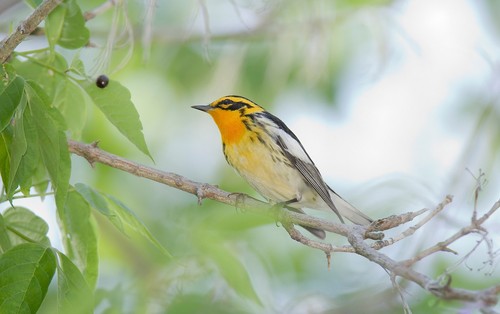
Blackburnian Warbler
11-13 cm (4.3-5.1 in) long, 20-22 cm wingspan
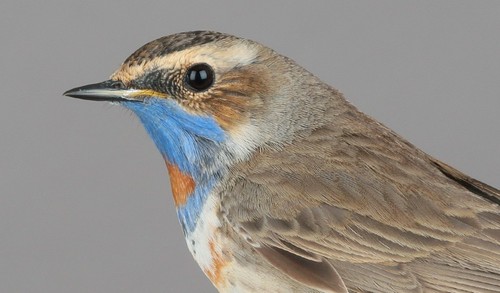
Bluethroat
13-14 cm (5.1-5.5 in) long, 20-22 cm wingspan
Eurasian Nuthatch
12-14.5 cm (4.7-5.7 in) long, 22.5-27 cm wingspan
Wood Thrush
19-21 cm (7.5-8.3 in) long, about 33 cm (13 in) wingspan