
Northern Parula
Setophaga americana
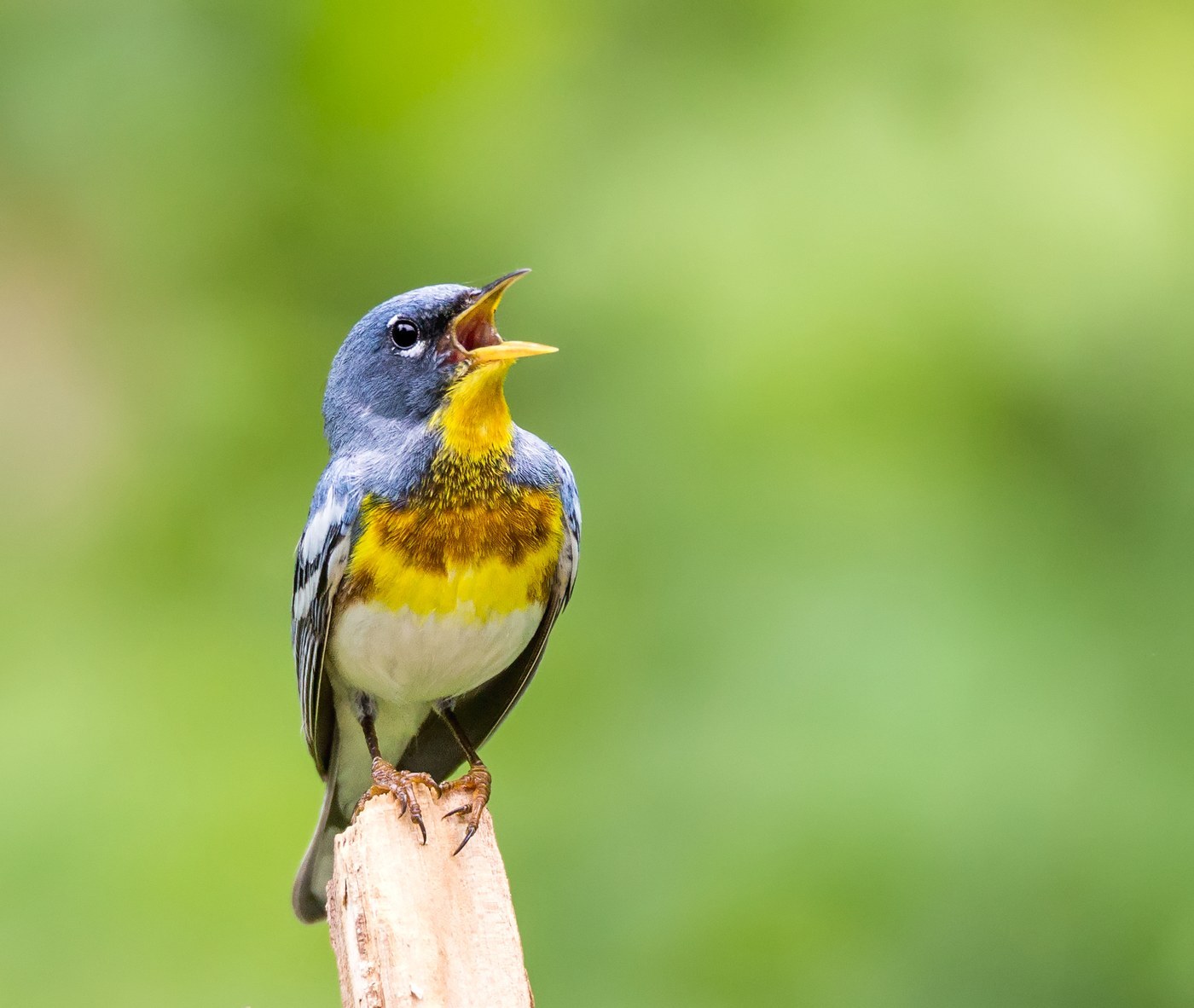
A small, compact, blue-gray and yellow warbler with a distinctive bicolored bill, closely tied to hanging Spanish moss or Usnea lichen for nesting.
- Size
- 10-12 cm (4-4.7 in) long, 16-18 cm wingspan
- Habitat
- mature forests with hanging moss or lichen, especially near water
- Type
- songbird
Spotted a bird like this?
Identify any bird from a photo, free.
Overview
The Northern Parula is one of the smallest and most compact warblers in North America, a chunky little bird with a short tail and a blue-gray back marked by a distinctive greenish-yellow patch. Its throat and breast are bright yellow, and breeding males show a bold chestnut and blue-black band across the breast that females and immatures lack or show only faintly.
Two white wingbars mark the blue-gray wings, and the bill is notably two-toned, dark above and yellowish below. This species has an intimate ecological relationship with hanging epiphytes, nesting almost exclusively in clumps of Spanish moss in the Southeast or old man's beard (Usnea) lichen farther north, tucking its tiny nest into these hanging plant materials.
How to identify it
Key Field Marks
- Blue-gray upperparts with a distinctive yellow-green patch on the back
- Bright yellow throat and breast
- Bold chestnut-and-black breast band in breeding males, faint or absent in females
- Two bold white wingbars
- Two-toned bill, dark above and yellow-orange below
- Broken white eye crescents (arcs) above and below the eye
Similar Species
Tropical Parula, found mainly in southern Texas, lacks the white eye crescents and shows more extensive yellow on the face. Northern Parula's small, compact shape, back patch, and bicolored bill readily separate it from other yellow-throated warblers such as Yellow-throated Warbler, which is larger with a bold black-and-white face pattern and lacks the back patch.
Habitat & range
Habitat
Northern Parulas favor mature forests, especially bottomland hardwoods, swamps, and forests along rivers and lakes, where hanging Spanish moss or Usnea lichen is available for nesting.
Range
This species breeds across much of the eastern United States and southeastern Canada, generally absent from areas lacking suitable epiphytes. It winters in Florida, Mexico, Central America, and the Caribbean.
Migration
Northern Parulas are medium- to long-distance Neotropical migrants, departing breeding areas in fall for wintering grounds well to the south.
Behavior & voice
Behavior
This active little warbler forages high in the canopy, often hanging upside down or hovering briefly to glean insects from foliage tips, moving quickly and continuously through the treetops.
Voice
The song is a distinctive buzzy, rising trill that snaps off abruptly at the end, often described as an ascending 'zzzzzzzzzip.' The call is a sharp 'chip.'
Feeding
It gleans small insects and spiders from leaves and twigs high in the canopy, occasionally hover-gleaning at branch tips.
Nesting & Breeding
The female builds her nest almost entirely inside a hanging clump of Spanish moss or Usnea lichen, hollowing out a cavity within the material with little additional construction needed. She lays 3-7 eggs, and the nest's dependence on these epiphytes largely determines the species' breeding distribution.
Frequently asked questions
Why does the Northern Parula need Spanish moss or lichen to nest?
It builds its nest almost entirely within hanging clumps of Spanish moss in the Southeast or Usnea lichen farther north, hollowing out a small chamber rather than constructing a typical open cup, so its breeding range closely tracks the availability of these materials.
How do you identify a Northern Parula?
Look for a small, compact warbler with a blue-gray back showing a yellow-green patch, a bright yellow throat and breast, white wingbars, and a distinctive two-toned bill.
What does a Northern Parula sound like?
Its song is a distinctive buzzy, rising trill that snaps off abruptly at the end, often written as an ascending 'zzzzzzzzzip.'
What is the difference between a male and female Northern Parula?
Breeding males show a bold chestnut-and-black band across the breast, while females and immatures lack this band or show it only faintly.
What does a Northern Parula eat?
It eats small insects and spiders gleaned from foliage high in the forest canopy.
Northern Parula guides
In-depth guides for identifying, finding, and understanding Northern Parula.
Other birds you may enjoy
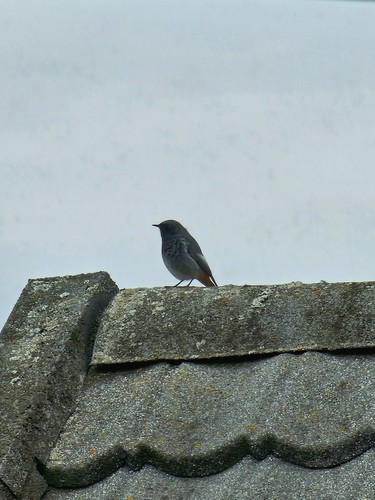
Black Redstart
13-14.5 cm (5.1-5.7 in) long, 23-26 cm wingspan
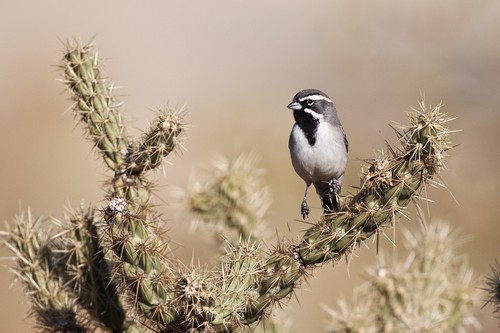
Black-throated Sparrow
12-14 cm (4.7-5.5 in) long, about 19-20 cm (7.5-8 in) wingspan
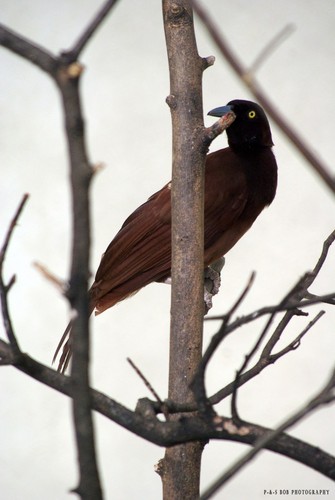
Greater Bird-of-paradise
Body about 43 cm; males with additional flank plumes up to 50 cm and long tail wires
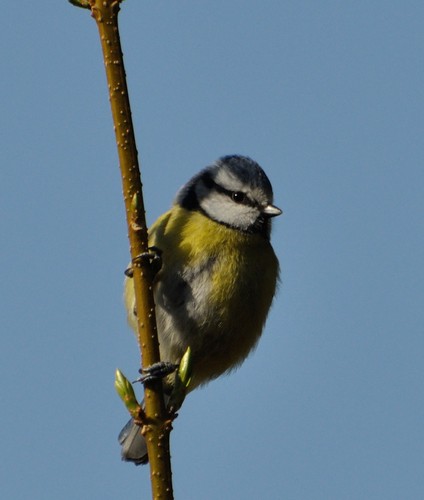
Blue Tit
11-12 cm (4.3-4.7 in) long, 17-20 cm wingspan
Red-billed Quelea
11.5–13 cm long, wingspan about 20–22 cm
White-plumed Antbird
13-14 cm (5-5.5 in) long
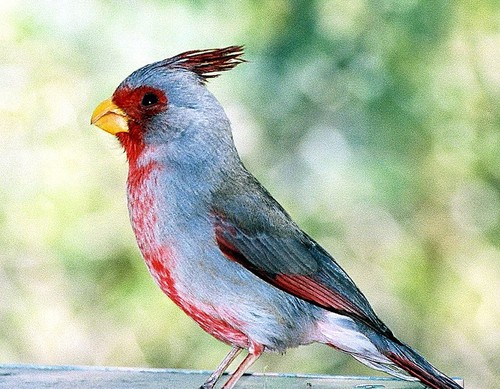
Pyrrhuloxia
19-22 cm (7.5-8.7 in) long, 30 cm wingspan
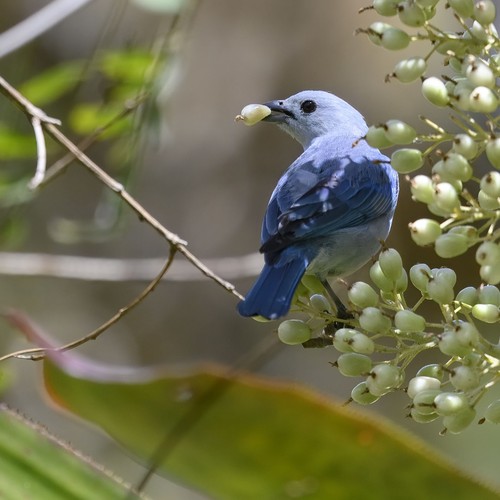
Blue-gray Tanager
16-18 cm (6-7 in) long
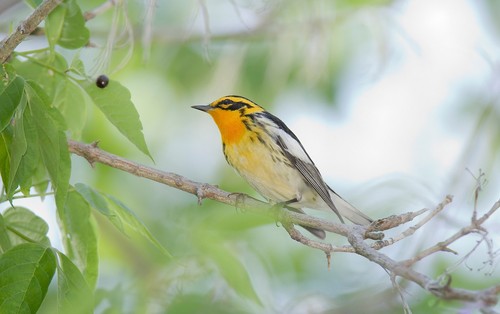
Blackburnian Warbler
11-13 cm (4.3-5.1 in) long, 20-22 cm wingspan
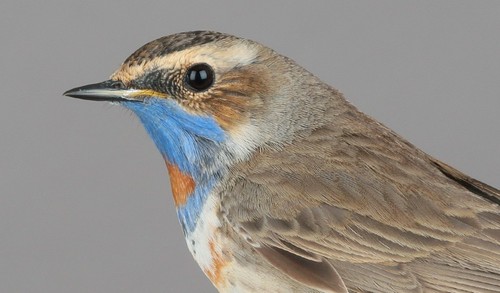
Bluethroat
13-14 cm (5.1-5.5 in) long, 20-22 cm wingspan
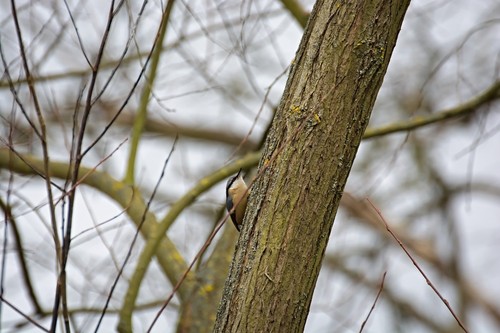
Eurasian Nuthatch
12-14.5 cm (4.7-5.7 in) long, 22.5-27 cm wingspan
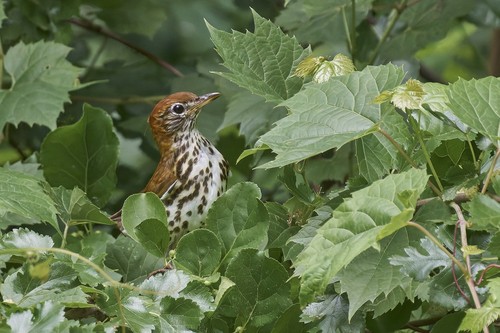
Wood Thrush
19-21 cm (7.5-8.3 in) long, about 33 cm (13 in) wingspan