
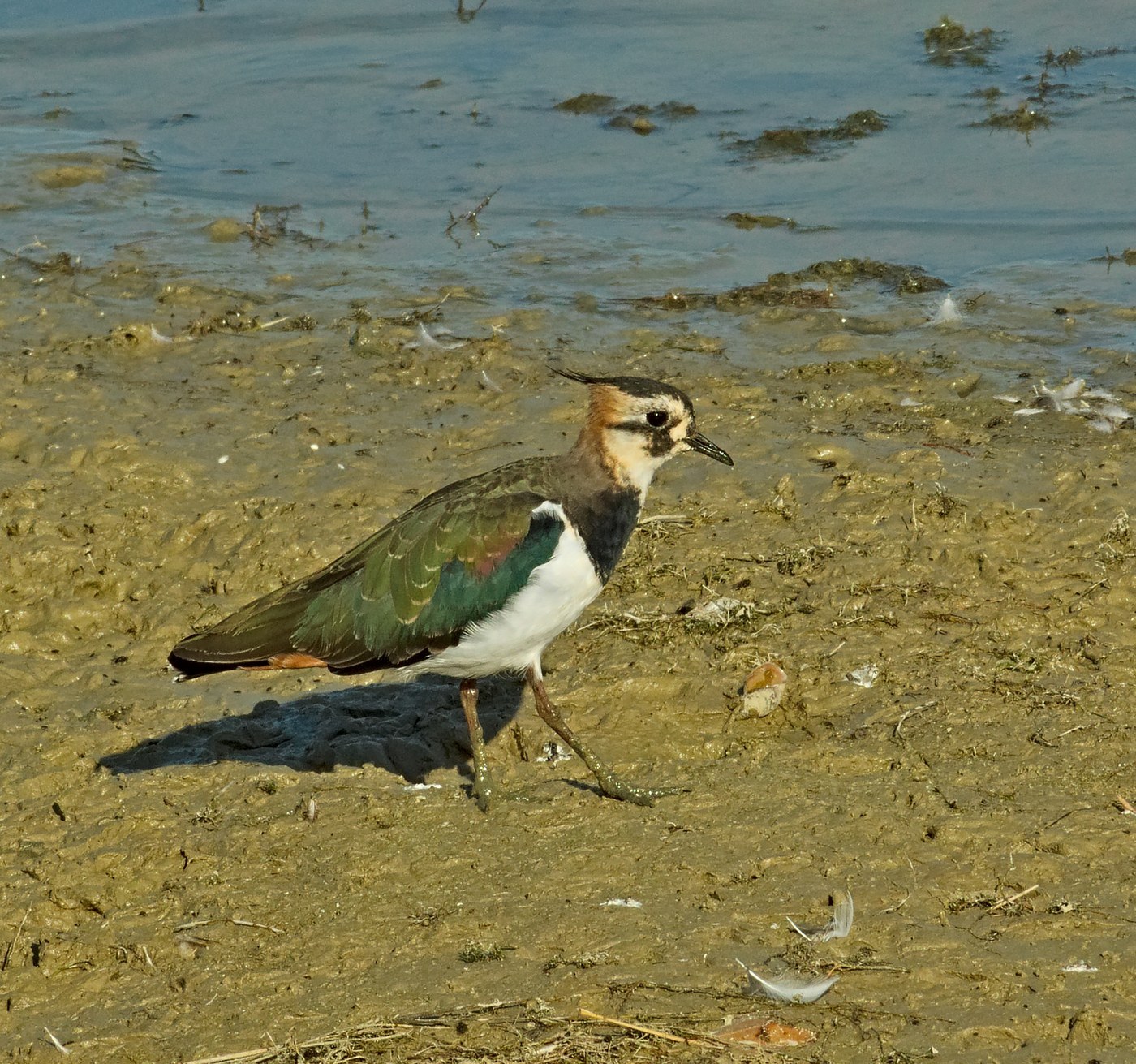
Northern Lapwing
Vanellus vanellus
A crested, iridescent plover of European and Asian farmland, known for its tumbling display flights and wheezy "pee-wit" call.
- Size
- 28-31 cm (11-12 in) long, 82-87 cm wingspan
- Habitat
- farmland, wet grasslands, and moorland
- Type
- shorebird
Spotted a bird like this?
Identify any bird from a photo, free.
Overview
The Northern Lapwing is a distinctive, unmistakable plover with a long, wispy black crest, broad rounded wings, and glossy upperparts that shimmer green, purple, and bronze in good light. Its underparts are white with a black breast band, and it shows warm buff-orange undertail coverts.
In flight its wings appear broad, rounded, and almost floppy—quite unlike the pointed wings of most other shorebirds—and this distinctive flight silhouette, combined with its tumbling display flights, has made it a familiar and much-loved farmland bird across much of Europe and Asia.
Despite once being extremely common, agricultural intensification has driven significant population declines in many parts of its range.
How to identify it
Key field marks
- Long, thin, upward-curling black crest
- Iridescent green-black upperparts with purple and bronze sheen
- Black breast band contrasting with white underparts
- Warm orange-buff undertail coverts
- Broad, rounded, black-and-white wings, obvious in flight
Similar species
- No other widespread shorebird shares its crest and iridescent plumage; Sociable Lapwing and other Vanellus species lack the long crest and have different head patterns, and occur in different regions.
Habitat & range
Northern Lapwings breed on farmland, wet meadows, moorland, and other open habitats across temperate Europe and Asia. Northern and continental populations are migratory, wintering on farmland, coastal grasslands, and estuaries further south and west, including in Britain, western Europe, North Africa, and southern Asia; milder-climate populations may be resident.
The species has declined substantially in many agricultural landscapes due to changes in farming practices that reduce suitable nesting habitat and food availability.
Behavior & voice
Voice
A distinctive, wheezy, nasal pee-wit or pee-wee-wit, the source of its old folk name "peewit," along with a wilder, more excited squealing during display flights.
Feeding
Forages on open ground for earthworms, insect larvae, and other invertebrates, using a run-stop-peck technique; often feeds in loose flocks, sometimes alongside golden-plovers.
Nesting
Males perform spectacular tumbling, rolling display flights over breeding territories, accompanied by wing-produced humming sounds and calling. Nests are shallow scrapes on open ground; both parents defend eggs and chicks vigorously, mobbing predators including crows and raptors.
Frequently asked questions
Why is the Northern Lapwing called "peewit"?
The nickname imitates its distinctive wheezy, nasal call, often rendered as pee-wit.
What is special about its display flight?
Males perform dramatic tumbling, rolling aerial displays over their territory, with the wings producing an audible humming or throbbing sound.
Why has the Northern Lapwing declined?
Agricultural intensification, including drainage of wet grassland and changes in crop timing, has reduced suitable nesting habitat and food across much of its range.
How is the Northern Lapwing different from other plovers?
Its long wispy crest, iridescent plumage, and broad rounded wings make it easily distinguishable from smaller, plainer plovers.
Northern Lapwing guides
In-depth guides for identifying, finding, and understanding Northern Lapwing.
Other birds you may enjoy
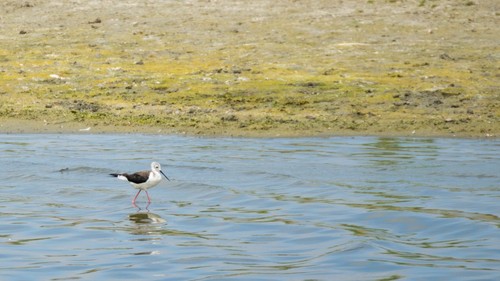
Black-winged Stilt
33-36 cm (13-14 in) long, wingspan 67-83 cm
Willet
33-41 cm (13-16 in) long, 65-70 cm wingspan
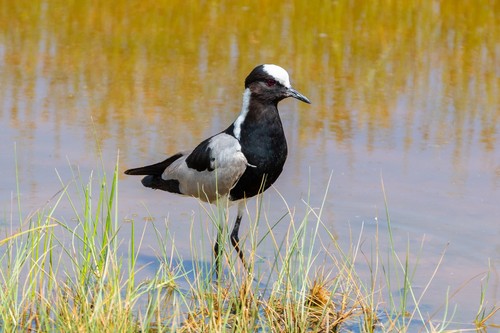
Blacksmith Lapwing
Body length about 30 cm; wingspan 55-65 cm
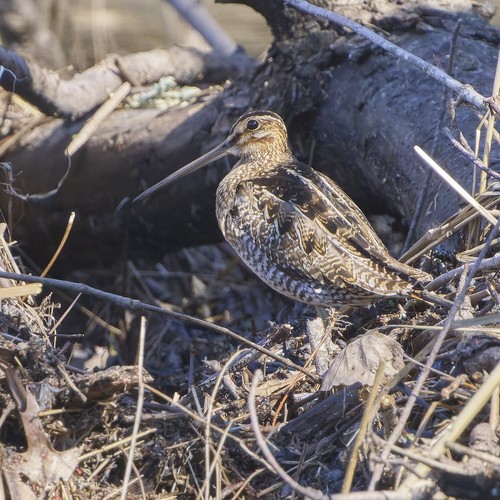
Wilson's Snipe
25-30 cm (10-12 in) long, 39-45 cm wingspan
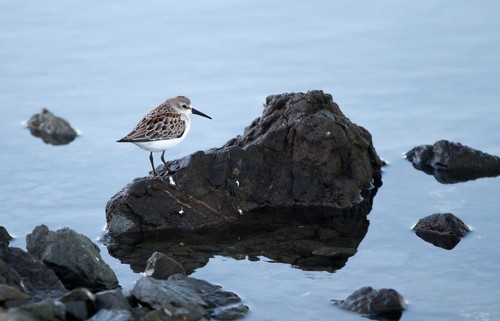
Western Sandpiper
14-17 cm (5.5-6.7 in) long, 28-37 cm wingspan
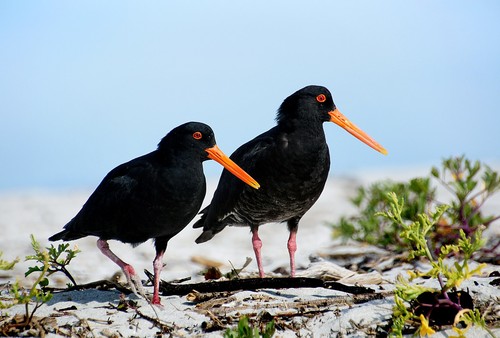
Variable Oystercatcher
46-49 cm (18-19 in) long
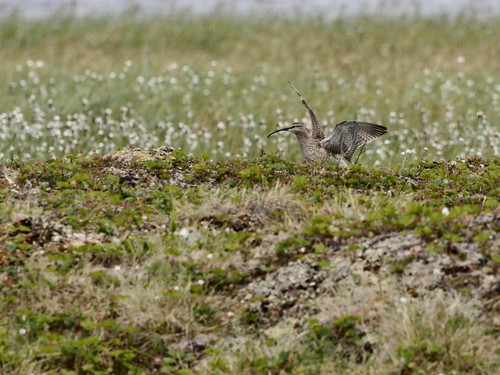
Whimbrel
40-46 cm (16-18 in) long, 76-89 cm wingspan
Wilson's Phalarope
22-24 cm (8.5-9.5 in) long, 37-43 cm wingspan
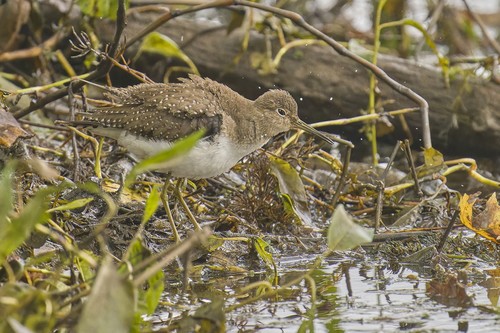
Solitary Sandpiper
19-23 cm (7.5-9 in) long, 50-56 cm wingspan
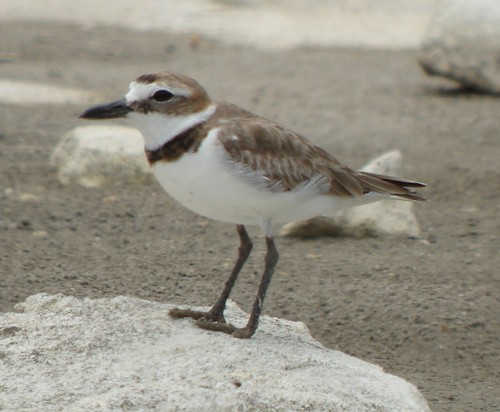
Wilson's Plover
17-19 cm (6.7-7.5 in) long, 45-50 cm wingspan
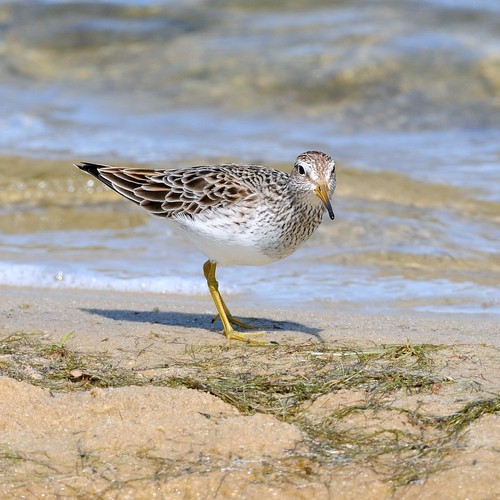
Pectoral Sandpiper
19-23 cm (7.5-9 in) long, 43-49 cm wingspan
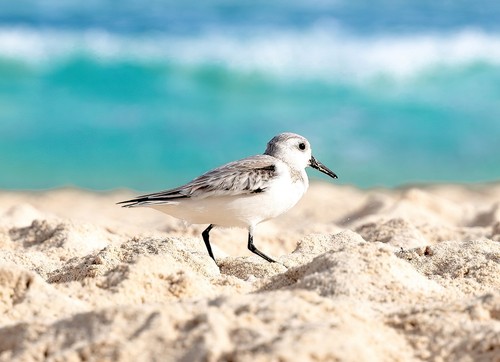
Sanderling
18-20 cm (7-8 in) long, 40-43 cm wingspan