
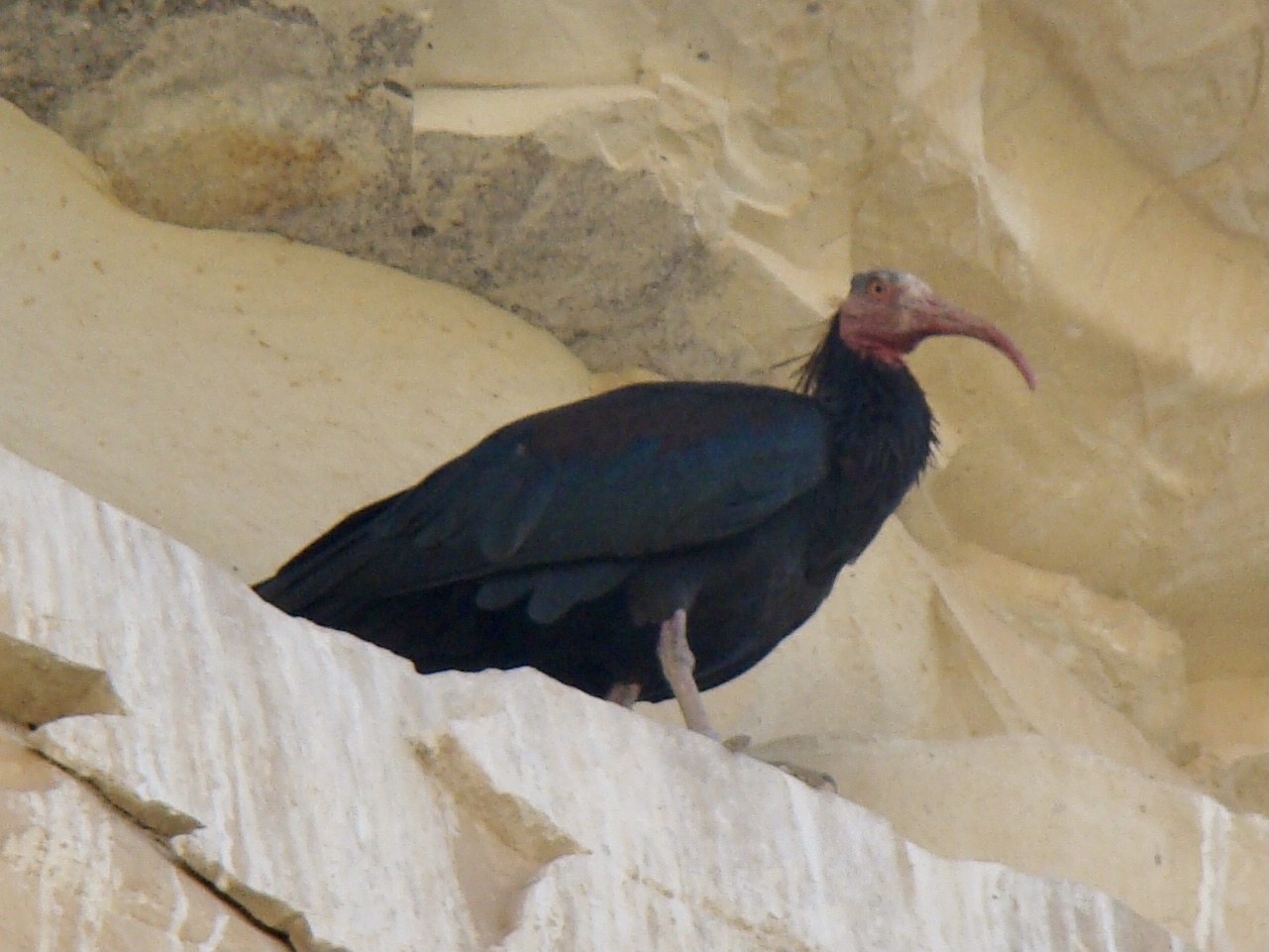
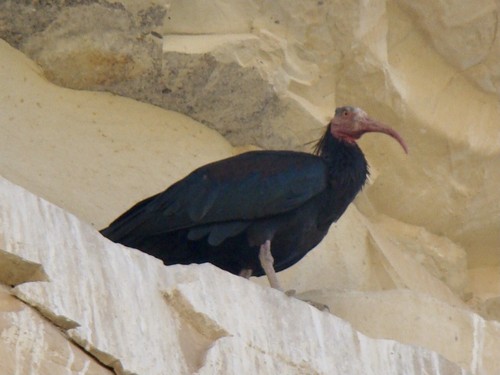
Northern Bald Ibis
Geronticus eremita
A dramatic, bald-headed ibis with glossy black plumage and a shaggy neck ruff, once widespread but now one of the world's rarest birds outside a handful of strongholds.
- Size
- 70-80 cm (28-31 in) long, 125-135 cm wingspan
- Habitat
- rocky cliffs, semi-desert, and steppe in Morocco, with small reintroduced populations in Europe
- Type
- wading-bird
Spotted a bird like this?
Identify any bird from a photo, free.
Overview
The Northern Bald Ibis is an unmistakable, dramatic-looking bird with entirely glossy black plumage showing iridescent green, purple, and bronze highlights, a bare, wrinkled red face and crown, and a long, curved red bill. Loose, shaggy plumes form a ruff around the back of the neck, adding to its distinctive silhouette.
Once found across the Middle East, North Africa, and parts of Europe, this species suffered a catastrophic historical decline and is now one of the rarest bird species in the world, surviving mainly through a wild breeding colony in Morocco along with intensively managed reintroduction projects in parts of Europe.
How to identify it
Key field marks
- Entirely glossy black plumage with iridescent green-purple sheen
- Bare, wrinkled red face and crown (bald head)
- Long, curved red bill
- Shaggy plume ruff at the back of the neck
Similar species
No other bird in its range shares the combination of a bald red face and all-black plumage; other ibises are either white or lack the bare red head, making confusion unlikely once the bird is seen well.
Habitat & range
Habitat
This species nests on rocky cliff ledges and forages in nearby semi-arid steppe, semi-desert, and rocky or short-grass terrain.
Range and migration
The last significant wild population survives along the Atlantic coast of Morocco, largely resident there. Historically the species bred across the Middle East and parts of southern and central Europe; ongoing reintroduction efforts have established small migratory populations in parts of Austria, Germany, and Italy.
Behavior & voice
Behavior
Northern Bald Ibis are social birds, nesting in loose colonies on cliff ledges and foraging together on the ground in family groups or flocks, walking steadily while probing for food.
Voice
A range of low, guttural croaking and grunting calls used in social interactions at colonies.
Feeding
It forages by probing soil and low vegetation for insects, small reptiles, and other invertebrates in semi-arid habitats near its nesting cliffs.
Nesting and breeding
Colonial cliff-nester, building stick nests on rock ledges; clutches typically contain 2-3 eggs, and both parents share incubation and chick-rearing duties.
Frequently asked questions
Why is the Northern Bald Ibis endangered?
Historical hunting, pesticide use, and habitat loss caused a dramatic population collapse, leaving only a small wild colony in Morocco and reintroduced populations elsewhere.
Where can you find wild Northern Bald Ibis today?
The main wild population survives along the Atlantic coast of Morocco, with small reintroduced populations established in parts of Europe.
How do you identify a Northern Bald Ibis?
Look for its glossy black body, bare wrinkled red face, curved red bill, and shaggy neck plumes.
What does a Northern Bald Ibis eat?
Insects, small reptiles, and other invertebrates found by probing soil in semi-arid habitat near its cliff colonies.
Northern Bald Ibis guides
In-depth guides for identifying, finding, and understanding Northern Bald Ibis.
Other birds you may enjoy
Demoiselle Crane
85-100 cm (33-39 in) long, 155-180 cm wingspan
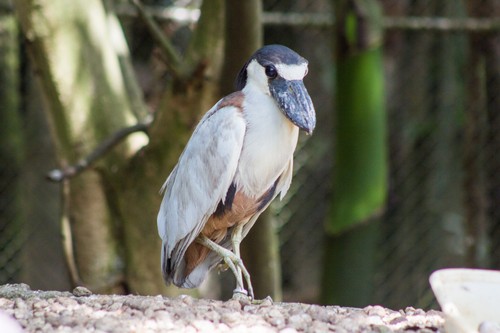
Boat-billed Heron
41-56 cm (16-22 in) long
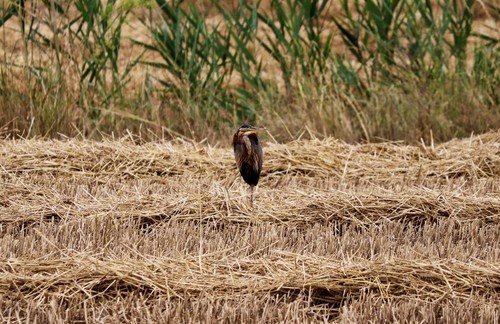
Purple Heron
78-90 cm (31-35 in) long, 120-152 cm wingspan
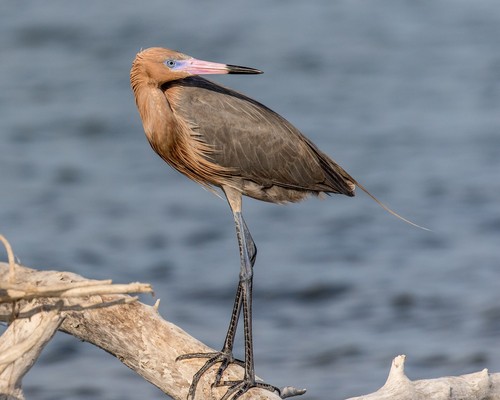
Reddish Egret
68-82 cm (27-32 in) long, 116-125 cm wingspan
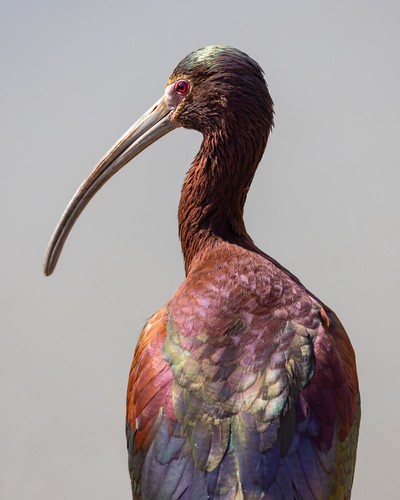
White-faced Ibis
46-56 cm (18-22 in) long, 88-93 cm wingspan
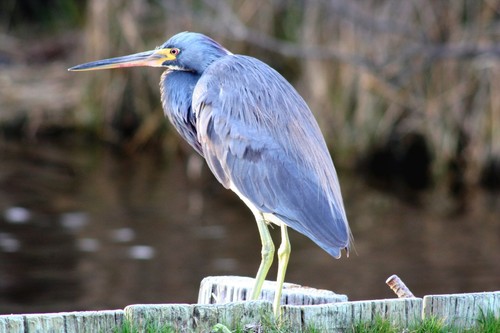
Tricolored Heron
61-76 cm (24-30 in) long, about 96 cm wingspan
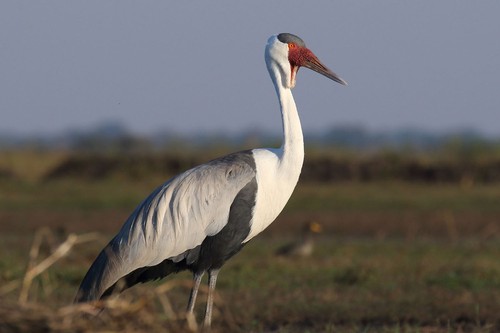
Wattled Crane
120-175 cm (47-69 in) tall, one of the tallest cranes, wingspan up to about 230 cm (7.5 ft)
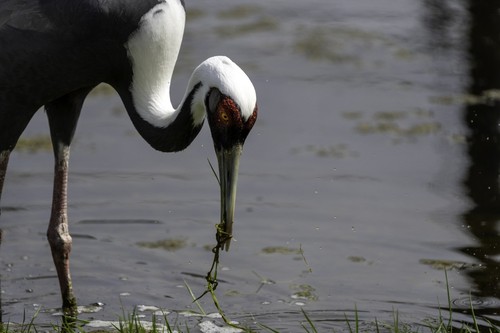
White-naped Crane
112-125 cm (44-49 in) long, 195-210 cm wingspan
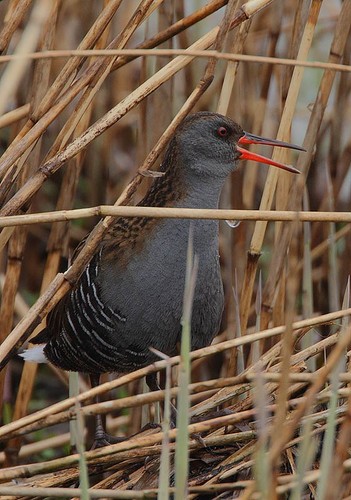
Water Rail
23-28 cm (9-11 in) long, wingspan 38-45 cm
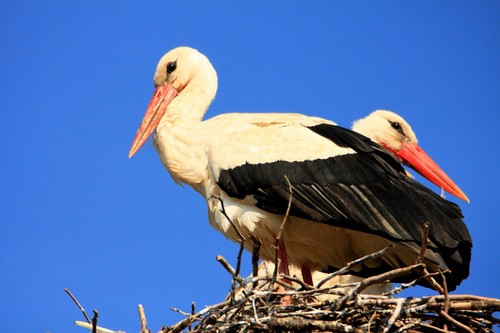
White Stork
100-125 cm (39-49 in) long, 155-215 cm wingspan
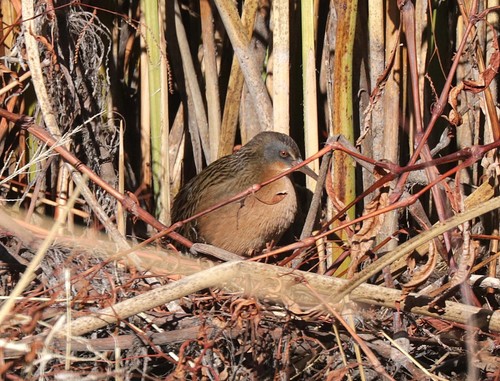
Virginia Rail
20-27 cm (8-11 in) long, wingspan 32-38 cm
Wattled Jacana
17-23 cm (7-9 in) long