
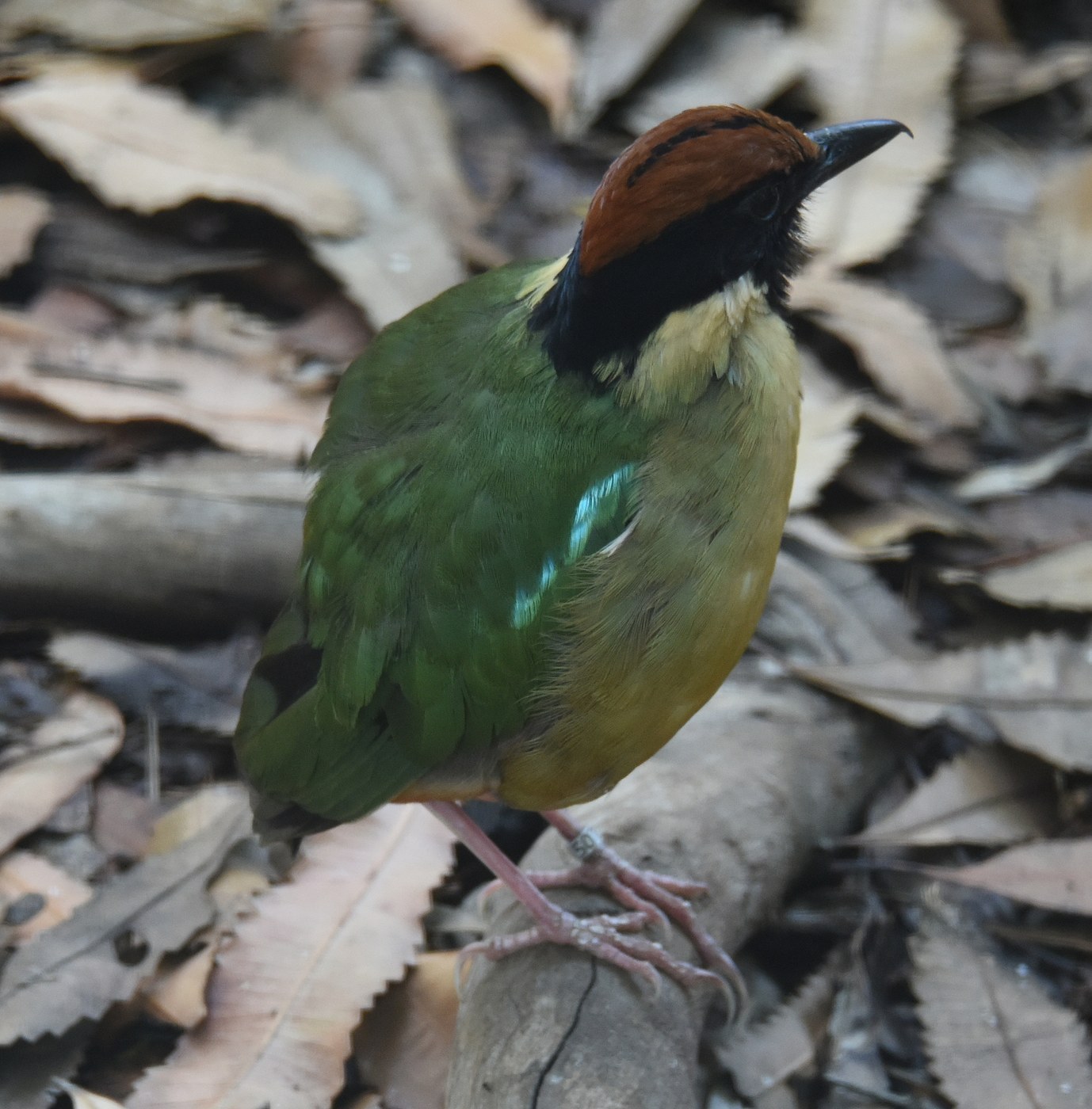
Noisy Pitta
Pitta versicolor
A brilliantly coloured, shy rainforest ground bird known for its loud 'walk-to-work' call and habit of smashing snails on rocks.
- Size
- 17-20 cm (7-8 in) long
- Habitat
- rainforest and dense wet forest of eastern Australia
- Type
- songbird
Spotted a bird like this?
Identify any bird from a photo, free.
Overview
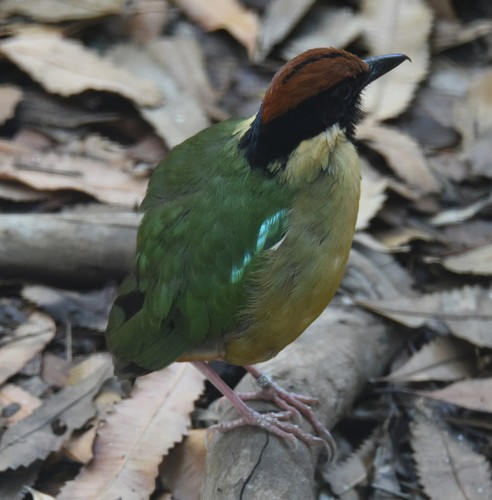
The Noisy Pitta is a strikingly colourful, plump ground-dwelling bird of eastern Australian rainforests, patterned with a black head marked by a chestnut nape and crown stripe, a buff-cream breast, emerald-green back and wings, and a bright turquoise-blue shoulder patch and belly patch. Despite this vivid combination of colours, it can be remarkably hard to spot as it forages in dim, shaded leaf litter.
The species gets its common name from its loud, far-carrying call, one of the most distinctive and frequently heard sounds of eastern Australian rainforest, often rendered as sounding like 'walk-to-work'. It is a shy bird that typically remains low and hidden, moving with quick hops across the forest floor and freezing when alarmed rather than flying.
A notable and often-cited behaviour is its use of favoured stones or exposed tree roots as 'anvils' on which it repeatedly smashes land snails to break their shells, with piles of broken shells accumulating at regularly used sites, a useful sign of the bird's presence even when the pitta itself remains unseen.
How to identify it
Key field marks
- Black head with a chestnut crown stripe and nape
- Buff to cream breast and belly
- Emerald-green back and wing coverts
- Turquoise-blue shoulder patch and lower belly patch
- Plump body, short tail, and long pale legs
Similar species
The Rainbow Pitta, restricted to the Top End of the Northern Territory, has a glossy black head and underparts with a scarlet vent rather than a buff breast, and the two species do not overlap in range. No other eastern Australian bird shares the Noisy Pitta's combination of chestnut-and-black head, buff breast, and turquoise patches.
Habitat & range
Habitat
Noisy Pittas inhabit rainforest, dense wet eucalypt forest, and thickly vegetated gullies with a well-developed leaf-litter layer, from lowland to upland forest.
Range
The species occurs along the eastern Australian coast and ranges from Cape York Peninsula in far north Queensland south to around the mid-north coast of New South Wales, generally in forested habitat.
Migration
Some southern populations are partially migratory, moving to more northern or lower-elevation forests in winter, while populations in warmer, more tropical parts of the range tend to be more sedentary.
Behavior & voice
Behavior
Noisy Pittas forage alone on the shaded forest floor, hopping and flicking leaf litter aside, and regularly use fixed 'anvil' sites such as stones or exposed roots to smash open snail shells.
Voice
Its loud, distinctive call, often rendered as 'walk-to-work', is delivered from a low perch or the ground and carries well through dense forest, especially during the breeding season.
Feeding
It feeds on snails, earthworms, and other invertebrates found in leaf litter, with snails broken open against a favoured anvil stone or root, leaving telltale piles of shell fragments.
Nesting and breeding
The nest is a large, domed structure of sticks, moss, and leaves built low in vegetation or on the ground, well concealed in dense cover; both parents share incubation and the feeding of nestlings.
Frequently asked questions
Why is it called the Noisy Pitta?
It is named for its loud, distinctive, far-carrying call, often described as sounding like 'walk-to-work'.
What is the pitta 'anvil' behaviour?
Noisy Pittas repeatedly use a favoured stone or exposed root as an anvil to smash open land snail shells, leaving piles of broken shells at the site.
Where does the Noisy Pitta live?
It inhabits rainforest and wet forest along the eastern Australian coast from Cape York to the New South Wales mid-north coast.
Is the Noisy Pitta easy to see?
Despite its bright colours, it is shy and forages in shaded leaf litter, so it is often heard well before it is seen.
Does the Noisy Pitta migrate?
Some southern populations move to warmer or lower-elevation forest in winter, while more tropical populations are largely sedentary.
Noisy Pitta guides
In-depth guides for identifying, finding, and understanding Noisy Pitta.
Other birds you may enjoy
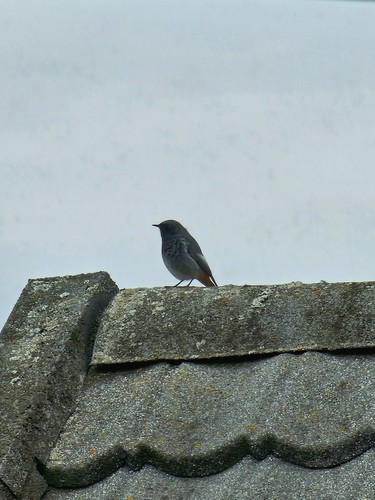
Black Redstart
13-14.5 cm (5.1-5.7 in) long, 23-26 cm wingspan
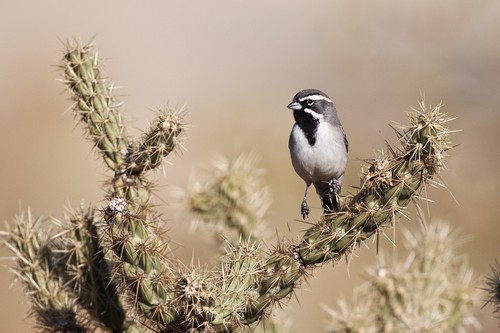
Black-throated Sparrow
12-14 cm (4.7-5.5 in) long, about 19-20 cm (7.5-8 in) wingspan
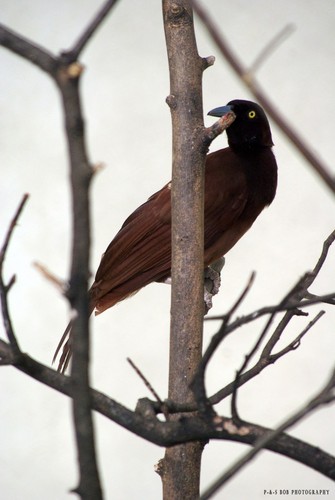
Greater Bird-of-paradise
Body about 43 cm; males with additional flank plumes up to 50 cm and long tail wires
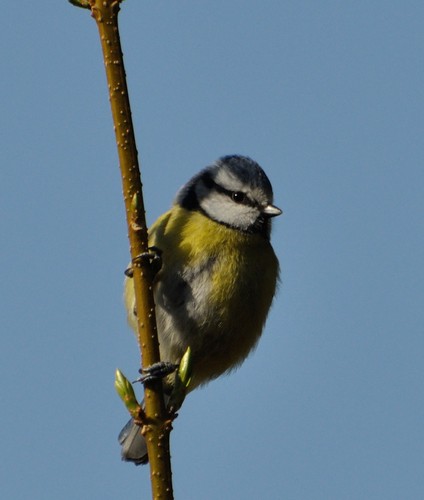
Blue Tit
11-12 cm (4.3-4.7 in) long, 17-20 cm wingspan
Red-billed Quelea
11.5–13 cm long, wingspan about 20–22 cm
White-plumed Antbird
13-14 cm (5-5.5 in) long
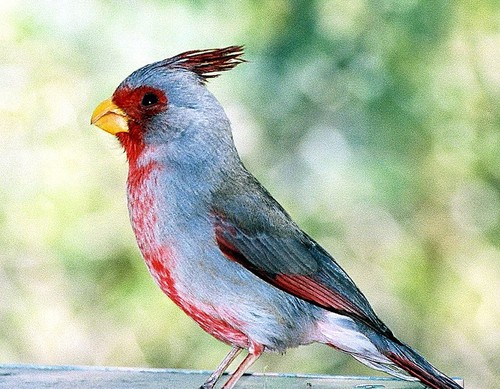
Pyrrhuloxia
19-22 cm (7.5-8.7 in) long, 30 cm wingspan
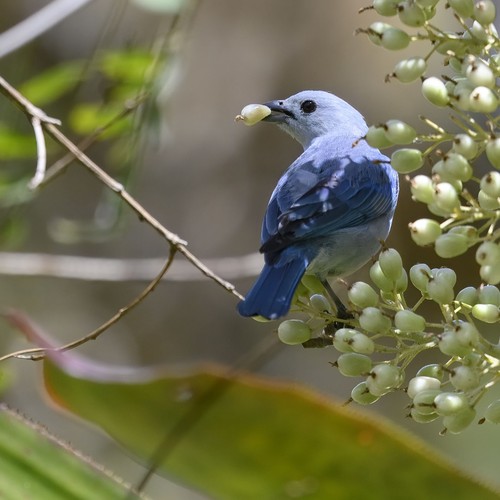
Blue-gray Tanager
16-18 cm (6-7 in) long
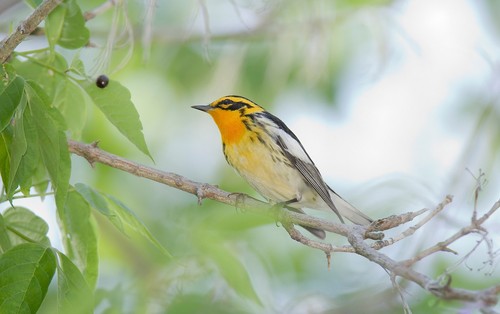
Blackburnian Warbler
11-13 cm (4.3-5.1 in) long, 20-22 cm wingspan
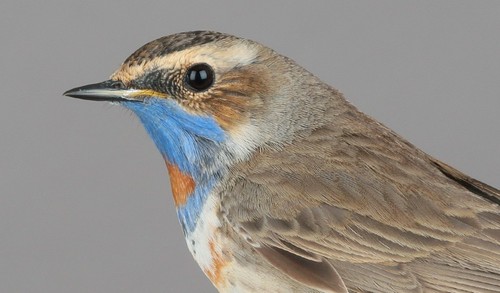
Bluethroat
13-14 cm (5.1-5.5 in) long, 20-22 cm wingspan
Eurasian Nuthatch
12-14.5 cm (4.7-5.7 in) long, 22.5-27 cm wingspan
Wood Thrush
19-21 cm (7.5-8.3 in) long, about 33 cm (13 in) wingspan