
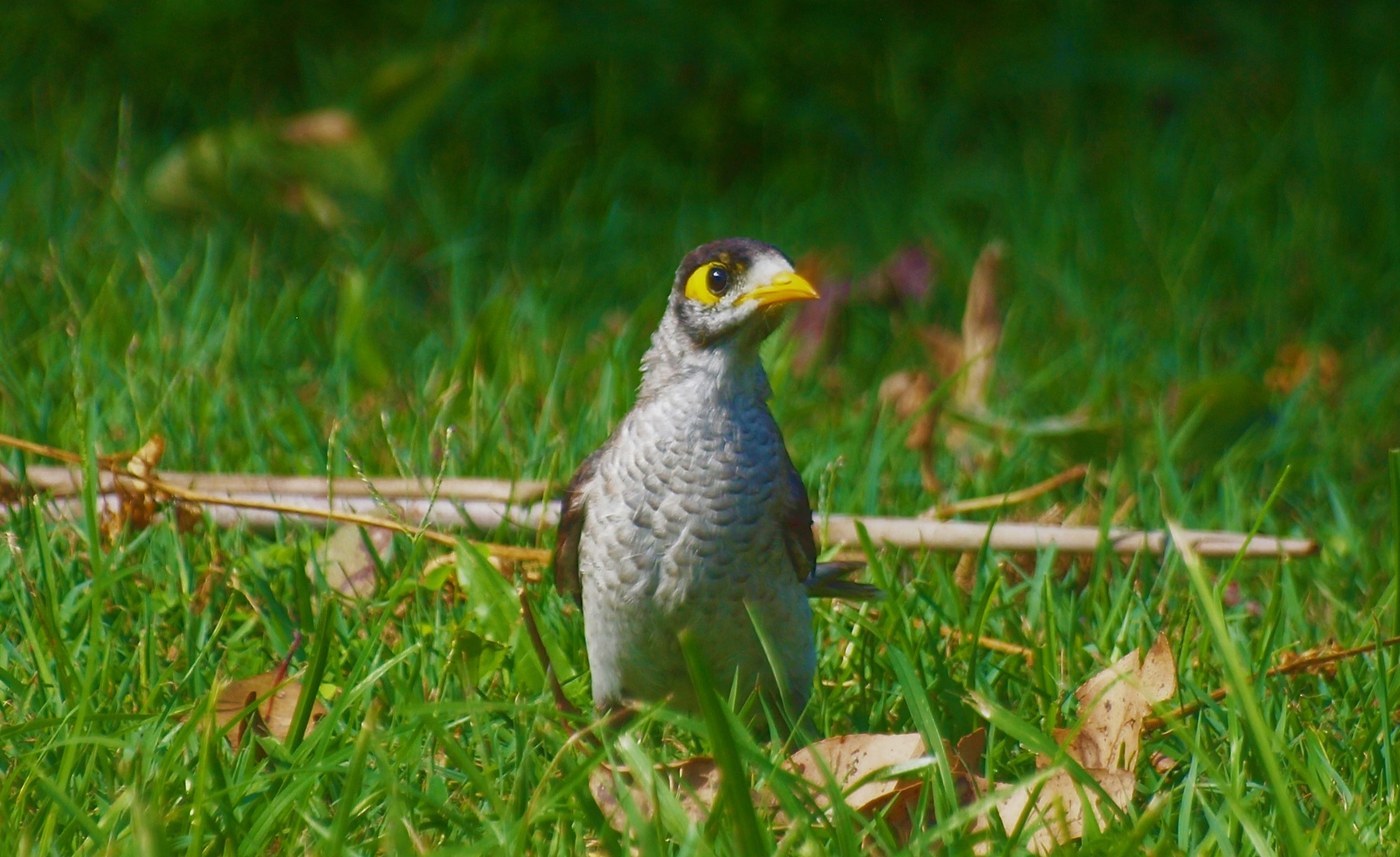
Noisy Miner
Manorina melanocephala
A grey, black-capped honeyeater that lives in large, highly social, aggressive colonies and often dominates other birds in its territory.
- Size
- 24-28 cm (9.5-11 in) long
- Habitat
- open eucalypt woodland, urban parks, and gardens in eastern Australia
- Type
- songbird
Spotted a bird like this?
Identify any bird from a photo, free.
Overview
The Noisy Miner is a medium-sized, grey-bodied honeyeater with a black cap, a bright yellow patch of bare skin behind the eye, and a yellow bill and legs, features that make it easy to identify even at a distance. The tail is grey-black with a white tip, and the overall impression is of a bold, confident bird that is rarely quiet for long, true to its common name.
Noisy Miners are colonial and highly social, living in complex groups with cooperative breeding and coordinated group defense of territory, a social system that has made the species notably successful in fragmented and urban woodland but has also raised ecological concerns where miner colonies exclude smaller native birds.
How to identify it
Key field marks
- Grey body plumage with a black cap
- Bright yellow patch of bare skin behind the eye
- Yellow bill and legs
- White-tipped grey-black tail
- Loud, constant chattering calls, especially in groups
Similar species
- Bell Miner: smaller, more olive-green overall, with a distinctive high, bell-like call rather than harsh chattering.
- Yellow-throated Miner: paler grey overall with a yellow throat patch, found in drier inland regions with limited range overlap.
Habitat & range
Habitat
Noisy Miners favor open eucalypt woodland with a grassy, relatively open understory, and have become particularly successful in fragmented urban and suburban parks and gardens.
Range
The species is common and widespread across eastern Australia, from far north Queensland through New South Wales, Victoria, southeastern South Australia, and Tasmania.
Migration
Sedentary, with resident colonies defending permanent territories year-round.
Behavior & voice
Behavior
Noisy Miners live in large, complex colonies with cooperative breeding, where multiple helper birds assist in feeding chicks, and the whole colony cooperates to aggressively drive off other bird species, including much larger ones, from their territory. In fragmented woodland, this aggressive exclusion has been linked to declines in smaller native woodland bird species and is recognized as a key threatening process in parts of eastern Australia.
Voice
Calls are loud, harsh, and varied, including sharp chattering, scolding notes, and alarm calls that can trigger coordinated group mobbing of intruders.
Feeding
Diet includes nectar from eucalypt and other native blossoms, insects gleaned from foliage and caught in flight, and some fruit.
Nesting and breeding
Nests are cup-shaped, built in the outer foliage of trees or shrubs. Clutches typically contain two to four pale, spotted eggs, incubated by the female, with numerous helper birds from the colony assisting in feeding the chicks.
Frequently asked questions
Why are Noisy Miners considered a conservation concern?
In fragmented and urban woodland, their large, aggressive colonies exclude smaller native birds from feeding and nesting areas, which has been linked to declines in woodland bird diversity in parts of eastern Australia.
What does a Noisy Miner look like?
It is grey overall with a black cap, a yellow patch of bare skin behind the eye, and a yellow bill and legs.
Are Noisy Miners and Bell Miners the same bird?
No, they are related honeyeaters in the same genus, but the Noisy Miner is larger and greyer with harsh chattering calls, while the Bell Miner is smaller, more olive-green, and known for its bell-like calls.
What do Noisy Miners eat?
Nectar from native blossoms, insects, and some fruit.
Noisy Miner guides
In-depth guides for identifying, finding, and understanding Noisy Miner.
Other birds you may enjoy
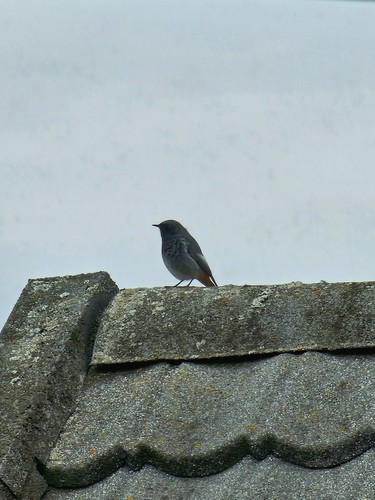
Black Redstart
13-14.5 cm (5.1-5.7 in) long, 23-26 cm wingspan
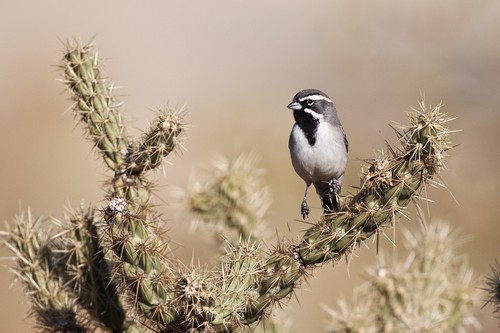
Black-throated Sparrow
12-14 cm (4.7-5.5 in) long, about 19-20 cm (7.5-8 in) wingspan
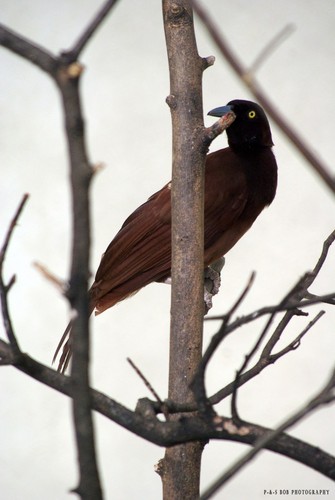
Greater Bird-of-paradise
Body about 43 cm; males with additional flank plumes up to 50 cm and long tail wires
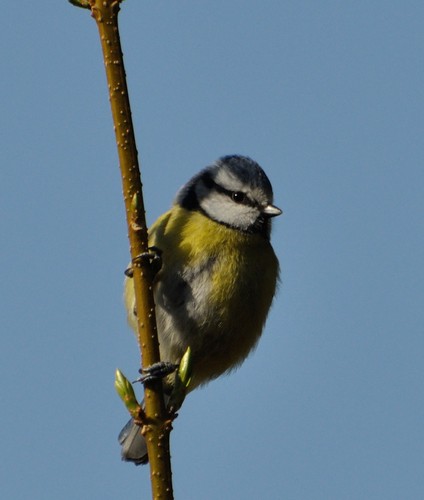
Blue Tit
11-12 cm (4.3-4.7 in) long, 17-20 cm wingspan
Red-billed Quelea
11.5–13 cm long, wingspan about 20–22 cm
White-plumed Antbird
13-14 cm (5-5.5 in) long
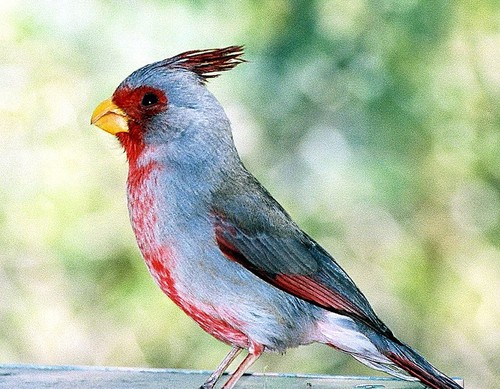
Pyrrhuloxia
19-22 cm (7.5-8.7 in) long, 30 cm wingspan
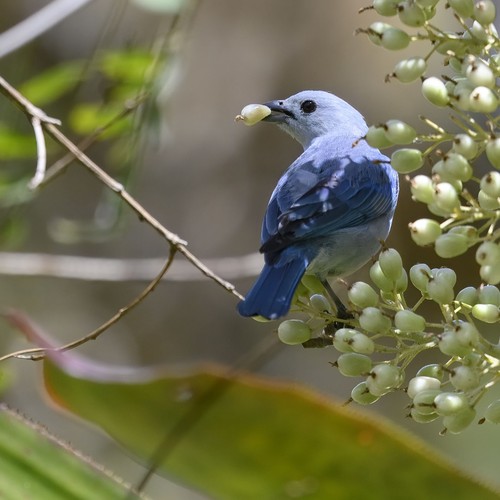
Blue-gray Tanager
16-18 cm (6-7 in) long
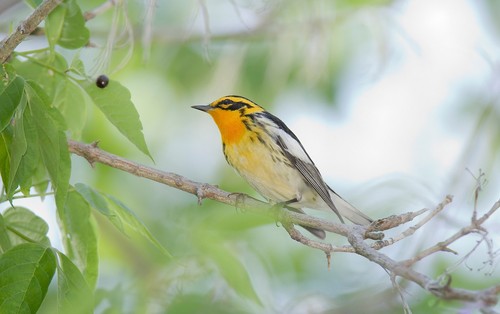
Blackburnian Warbler
11-13 cm (4.3-5.1 in) long, 20-22 cm wingspan
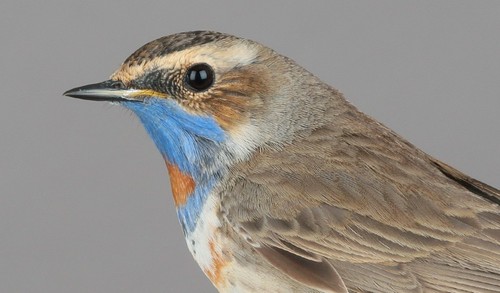
Bluethroat
13-14 cm (5.1-5.5 in) long, 20-22 cm wingspan
Eurasian Nuthatch
12-14.5 cm (4.7-5.7 in) long, 22.5-27 cm wingspan
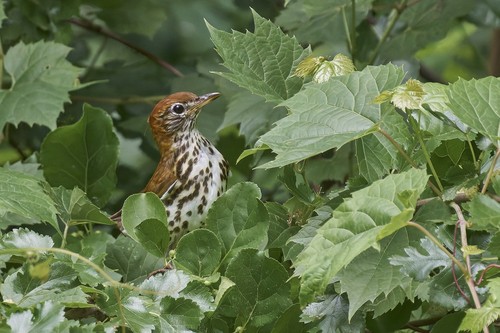
Wood Thrush
19-21 cm (7.5-8.3 in) long, about 33 cm (13 in) wingspan