
New Zealand Robin
Petroica longipes
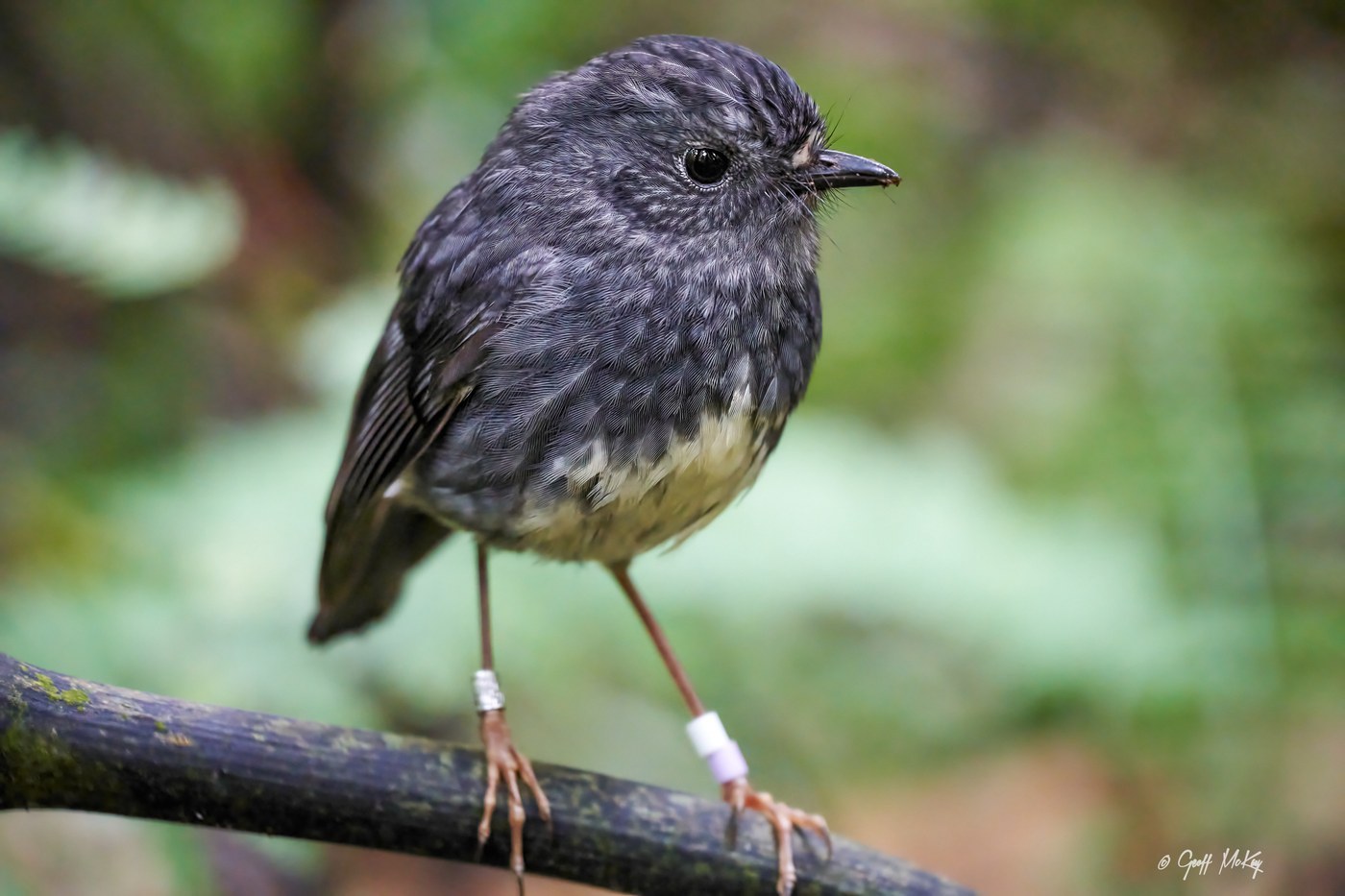
A tame, upright New Zealand forest bird, dark grey-black above with a pale belly, well known for boldly following walkers and foraging on the forest floor within easy view.
- Size
- 18 cm (7 in) long
- Habitat
- native forest throughout New Zealand
- Type
- songbird
Spotted a bird like this?
Identify any bird from a photo, free.
Overview
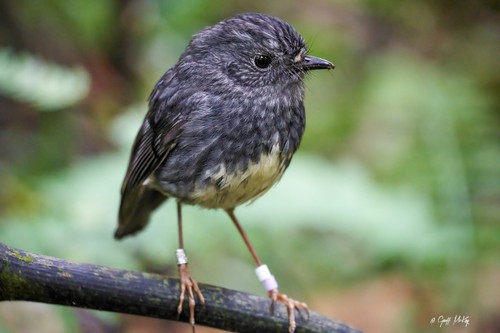
The New Zealand Robin, called toutouwai in Maori, is a small, alert forest bird with dark slate-grey to near-black upperparts and a paler grey-white breast and belly, the exact tone varying somewhat between the North Island and South Island forms, which are usually treated as separate species. It stands upright on long, slender legs, often perched low on a mossy log or trunk with a characteristic head-cocked, watchful posture.
Like several New Zealand forest birds evolved with few natural predators, the Robin shows little fear of people, often approaching walkers closely and foraging confidently within arm's reach on the forest floor, especially where paths disturb insects. This tameness, combined with its habit of holding still and staring intently before pouncing on prey, makes it one of the most satisfying native birds to observe up close.
How to identify it
Key field marks
- Dark slate-grey to blackish upperparts
- Paler grey-white breast and belly, varying by population
- Long, slender legs and an upright stance
- Alert, head-cocked posture while watching for prey
- Frequent tail and wing flicking while perched
Similar species
- Tomtit is smaller, has a shorter tail, a stubbier bill, and a more compact shape, with males showing more contrasting black-and-white or black-and-yellow patterns depending on subspecies.
- New Zealand Fantail has a much broader, fanned tail constantly spread in flight, unlike the Robin's more subdued tail movements.
Habitat & range
Range
Found in native forest across the North Island (as the North Island Robin) and South Island and Stewart Island (as the South Island Robin), including many predator-free islands and mainland sanctuaries where it has been reintroduced.
Habitat
Prefers mature native forest with a relatively open floor and leaf litter for foraging, generally avoiding dense scrub with little bare ground.
Migration
Sedentary, holding a stable territory year-round, defended by both members of a pair.
Behavior & voice
Behavior
Forages mainly on the forest floor, hopping along logs and leaf litter, pausing to watch intently before pouncing on prey; noted for boldly following people through the bush, taking advantage of disturbed insects.
Voice
A clear, melodious song of varied whistled phrases from males, along with sharper alarm and contact calls.
Feeding
Hunts invertebrates such as beetles, worms, and spiders located mainly on or near the ground, using a characteristic still-watch-and-pounce technique; some individuals also cache surplus food nearby.
Nesting
Builds a cup nest of moss, bark, and grass in a tree fork or cavity; the female incubates the eggs while the male feeds her, and both parents feed the chicks after hatching.
Frequently asked questions
Why are New Zealand Robins so tame?
Having evolved for millions of years with few mammalian predators, they show little instinctive fear of people and often approach walkers closely, especially where foot traffic disturbs insects.
Are North Island and South Island Robins the same species?
They are closely related but usually classified as separate species, differing slightly in plumage tone and range.
What is the Maori name for the New Zealand Robin?
Toutouwai.
What does a New Zealand Robin eat?
Mainly invertebrates such as beetles, worms, and spiders, found by watching intently from a low perch and pouncing onto the forest floor.
New Zealand Robin guides
In-depth guides for identifying, finding, and understanding New Zealand Robin.
Other birds you may enjoy
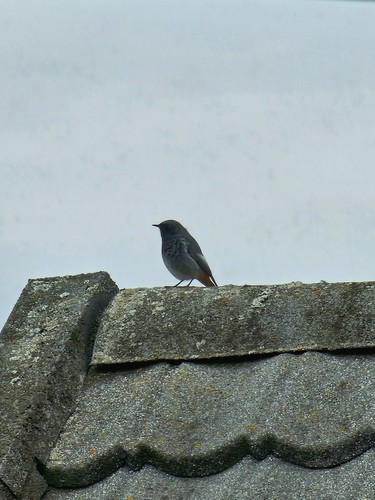
Black Redstart
13-14.5 cm (5.1-5.7 in) long, 23-26 cm wingspan
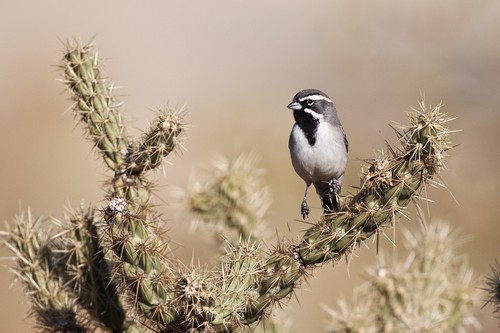
Black-throated Sparrow
12-14 cm (4.7-5.5 in) long, about 19-20 cm (7.5-8 in) wingspan
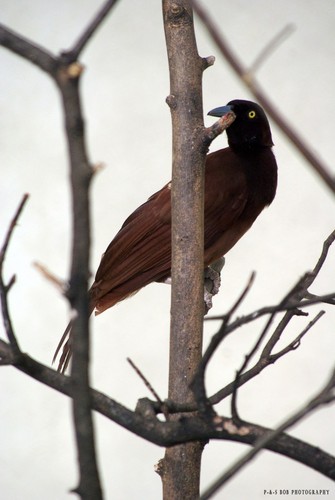
Greater Bird-of-paradise
Body about 43 cm; males with additional flank plumes up to 50 cm and long tail wires
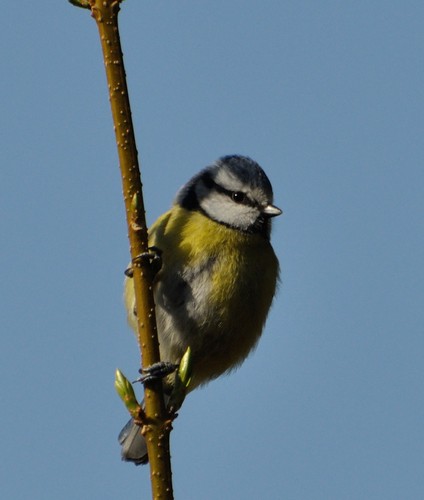
Blue Tit
11-12 cm (4.3-4.7 in) long, 17-20 cm wingspan
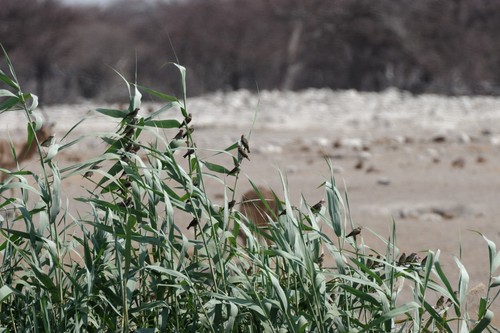
Red-billed Quelea
11.5–13 cm long, wingspan about 20–22 cm
White-plumed Antbird
13-14 cm (5-5.5 in) long
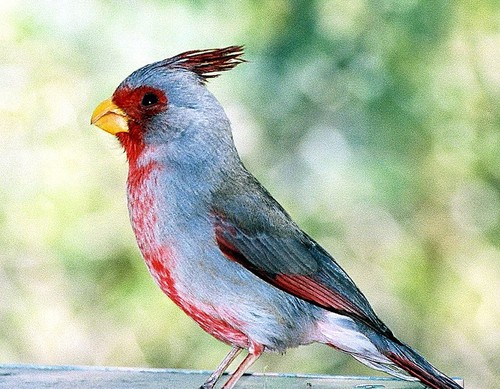
Pyrrhuloxia
19-22 cm (7.5-8.7 in) long, 30 cm wingspan
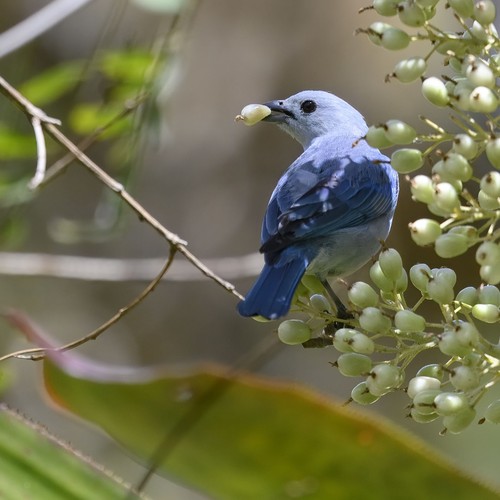
Blue-gray Tanager
16-18 cm (6-7 in) long
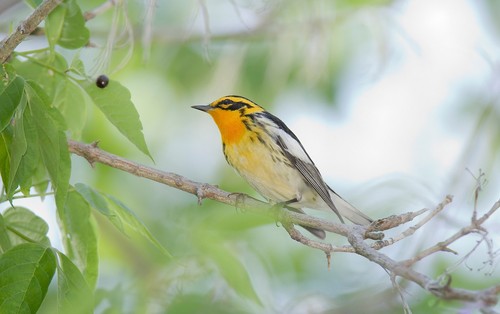
Blackburnian Warbler
11-13 cm (4.3-5.1 in) long, 20-22 cm wingspan
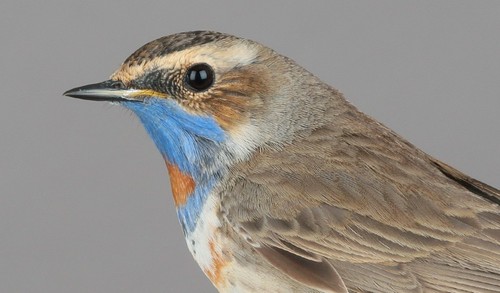
Bluethroat
13-14 cm (5.1-5.5 in) long, 20-22 cm wingspan
Eurasian Nuthatch
12-14.5 cm (4.7-5.7 in) long, 22.5-27 cm wingspan
Wood Thrush
19-21 cm (7.5-8.3 in) long, about 33 cm (13 in) wingspan