
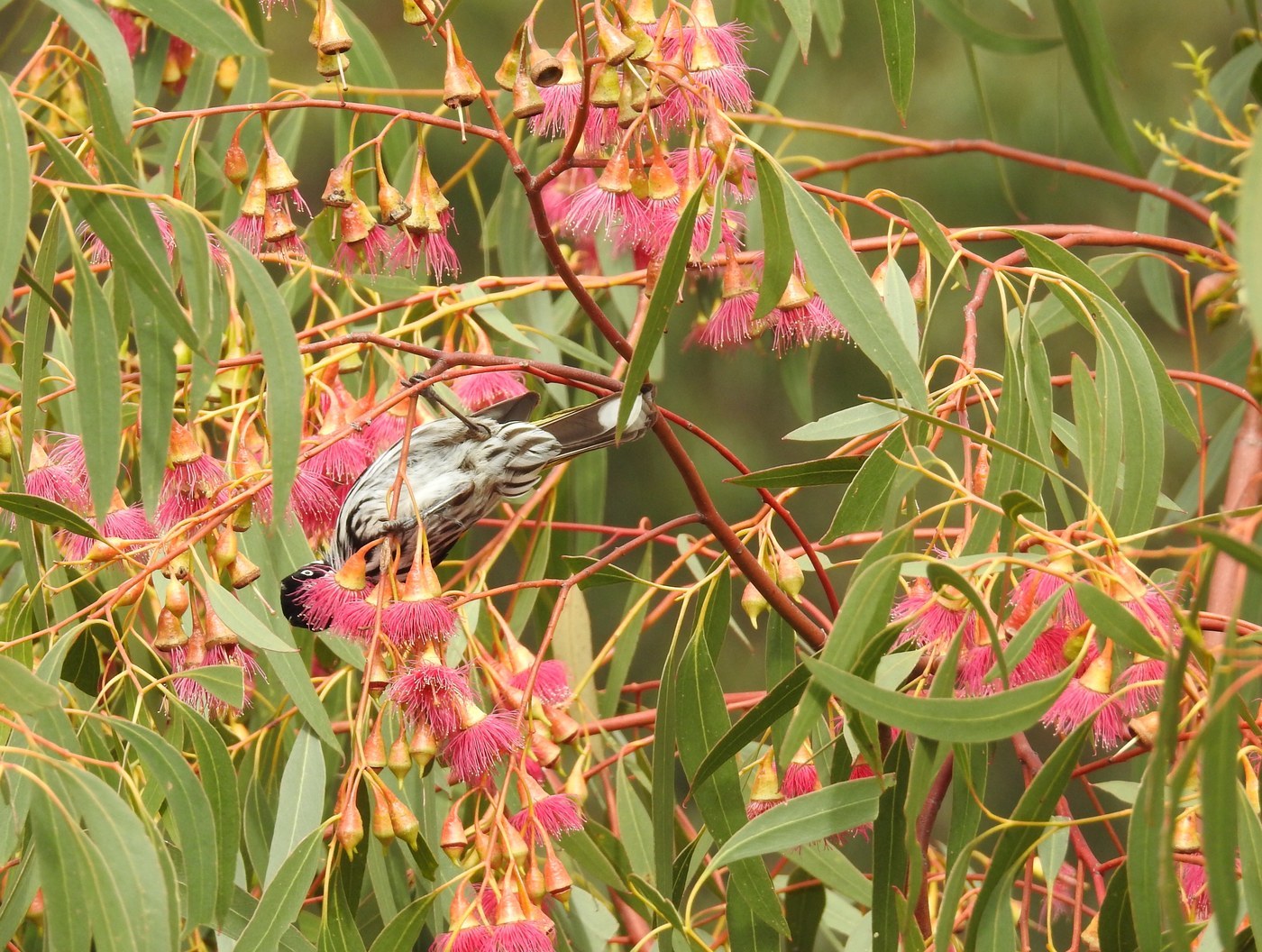
New Holland Honeyeater
Phylidonyris novaehollandiae
A lively black-and-white honeyeater with a bold white eye, yellow flashes in the wings and tail, and a habit of constantly flitting between flowers.
- Size
- 16-20 cm (6.3-8 in) long, 25-28 cm wingspan
- Habitat
- heathland, banksia scrub, woodland, and gardens
- Type
- songbird
Spotted a bird like this?
Identify any bird from a photo, free.
Overview
The New Holland Honeyeater is a small, energetic honeyeater patterned in bold black and white streaks, with a piercing white eye that stands out sharply against the dark face. The wings and tail show bright yellow panels that flash conspicuously in flight, and a small white tuft is often visible behind the eye.
One of the most familiar honeyeaters of southern Australia's heathlands and gardens, it is almost constantly active, darting between flowering shrubs, chasing rivals, and hawking insects in short aerial sallies, rarely remaining still for long.
How to identify it
Key field marks
- Bold black-and-white streaked plumage overall
- Striking white iris, obvious even at a distance
- Bright yellow panels in the wings and sides of the tail, conspicuous in flight
- Small white tuft behind the eye
Similar species
- White-cheeked Honeyeater is very similar but has a dark eye (not white) and a bolder white cheek patch, with more limited range overlap.
- Tawny-crowned Honeyeater has a plain tawny crown and lacks the bold black-and-white streaking.
Habitat & range
Habitat
Common in heathland, banksia and coastal scrub, dry sclerophyll woodland, and well-planted gardens with native flowering shrubs.
Range
Widespread across southern Australia, including southwestern Western Australia, South Australia, Victoria, Tasmania, and coastal New South Wales.
Migration
Mostly sedentary but locally nomadic, moving in response to the flowering patterns of banksias, eucalypts, and other nectar sources.
Behavior & voice
Behavior
Highly active and often aggressive at flowering shrubs, chasing off rivals and other small birds; frequently seen making short, fluttering sallies after flying insects.
Voice
A sharp, metallic "chik-chik" or scolding chatter, along with a bright, energetic song of short, sharp notes.
Feeding
Feeds on nectar from banksias, grevilleas, and eucalypts, supplemented with insects caught in flight or gleaned from foliage.
Nesting
Builds a neat cup nest of bark, grass, and spider web low in a dense shrub; lays 2-3 pale pinkish eggs with reddish-brown spots.
Frequently asked questions
How do you identify a New Holland Honeyeater?
Look for bold black-and-white streaked plumage, a striking white eye, and bright yellow flashes in the wings and tail, especially noticeable in flight.
How is the New Holland Honeyeater different from the White-cheeked Honeyeater?
The New Holland Honeyeater has a pale white eye, while the very similar White-cheeked Honeyeater has a dark eye and a bolder white cheek patch.
What does a New Holland Honeyeater eat?
Mainly nectar from banksias, grevilleas, and eucalypts, plus insects caught in flight or gleaned from foliage.
Where do New Holland Honeyeaters live?
In heathland, coastal scrub, woodland, and gardens across southern Australia, including Tasmania.
New Holland Honeyeater guides
In-depth guides for identifying, finding, and understanding New Holland Honeyeater.
Other birds you may enjoy
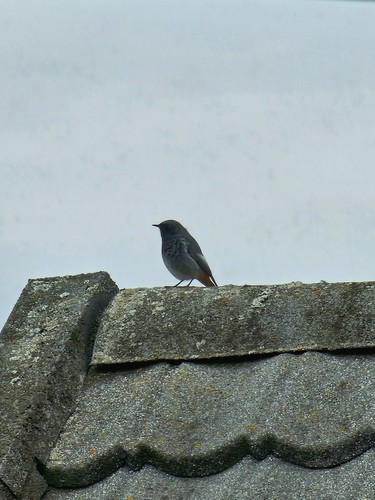
Black Redstart
13-14.5 cm (5.1-5.7 in) long, 23-26 cm wingspan
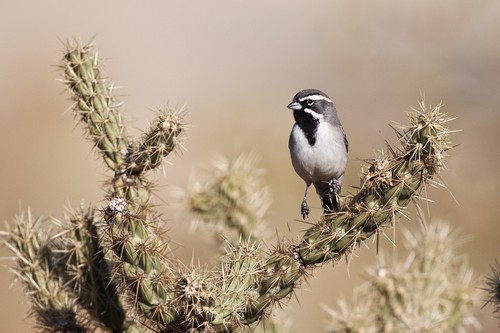
Black-throated Sparrow
12-14 cm (4.7-5.5 in) long, about 19-20 cm (7.5-8 in) wingspan
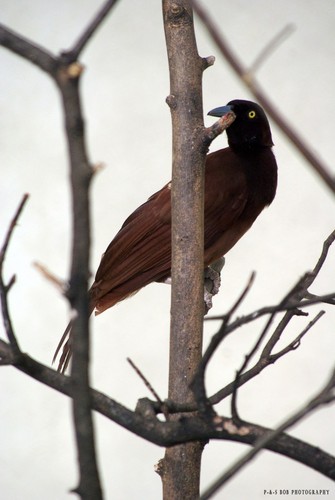
Greater Bird-of-paradise
Body about 43 cm; males with additional flank plumes up to 50 cm and long tail wires
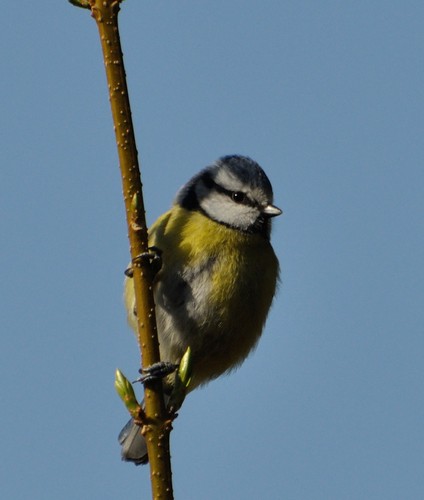
Blue Tit
11-12 cm (4.3-4.7 in) long, 17-20 cm wingspan
Red-billed Quelea
11.5–13 cm long, wingspan about 20–22 cm
White-plumed Antbird
13-14 cm (5-5.5 in) long
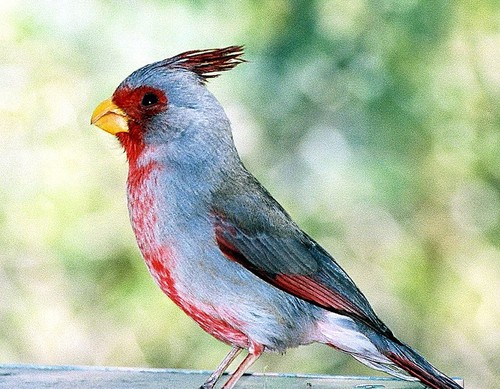
Pyrrhuloxia
19-22 cm (7.5-8.7 in) long, 30 cm wingspan
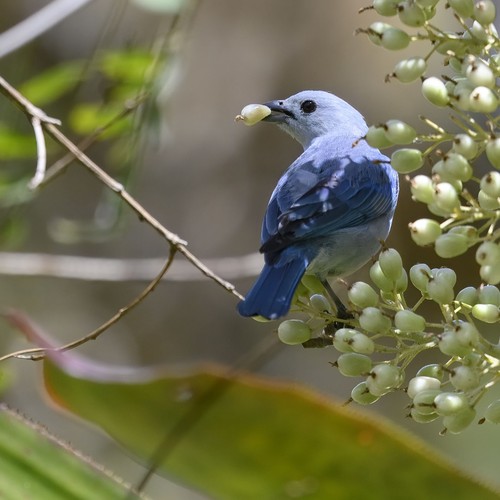
Blue-gray Tanager
16-18 cm (6-7 in) long
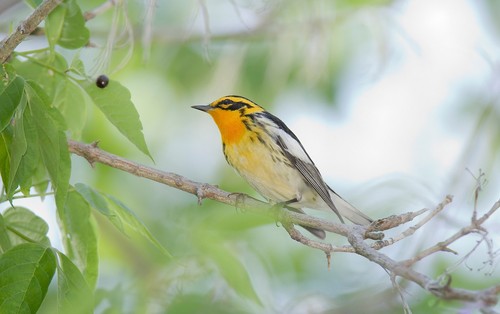
Blackburnian Warbler
11-13 cm (4.3-5.1 in) long, 20-22 cm wingspan
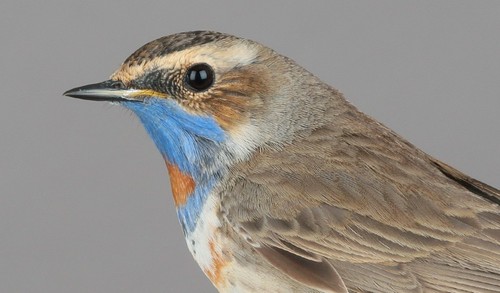
Bluethroat
13-14 cm (5.1-5.5 in) long, 20-22 cm wingspan
Eurasian Nuthatch
12-14.5 cm (4.7-5.7 in) long, 22.5-27 cm wingspan
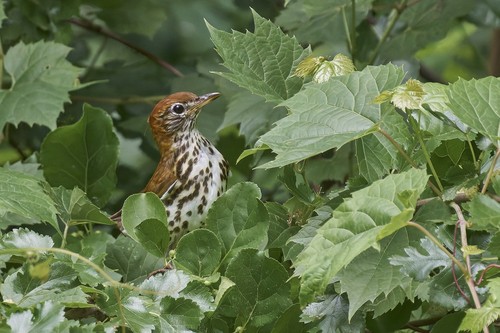
Wood Thrush
19-21 cm (7.5-8.3 in) long, about 33 cm (13 in) wingspan