
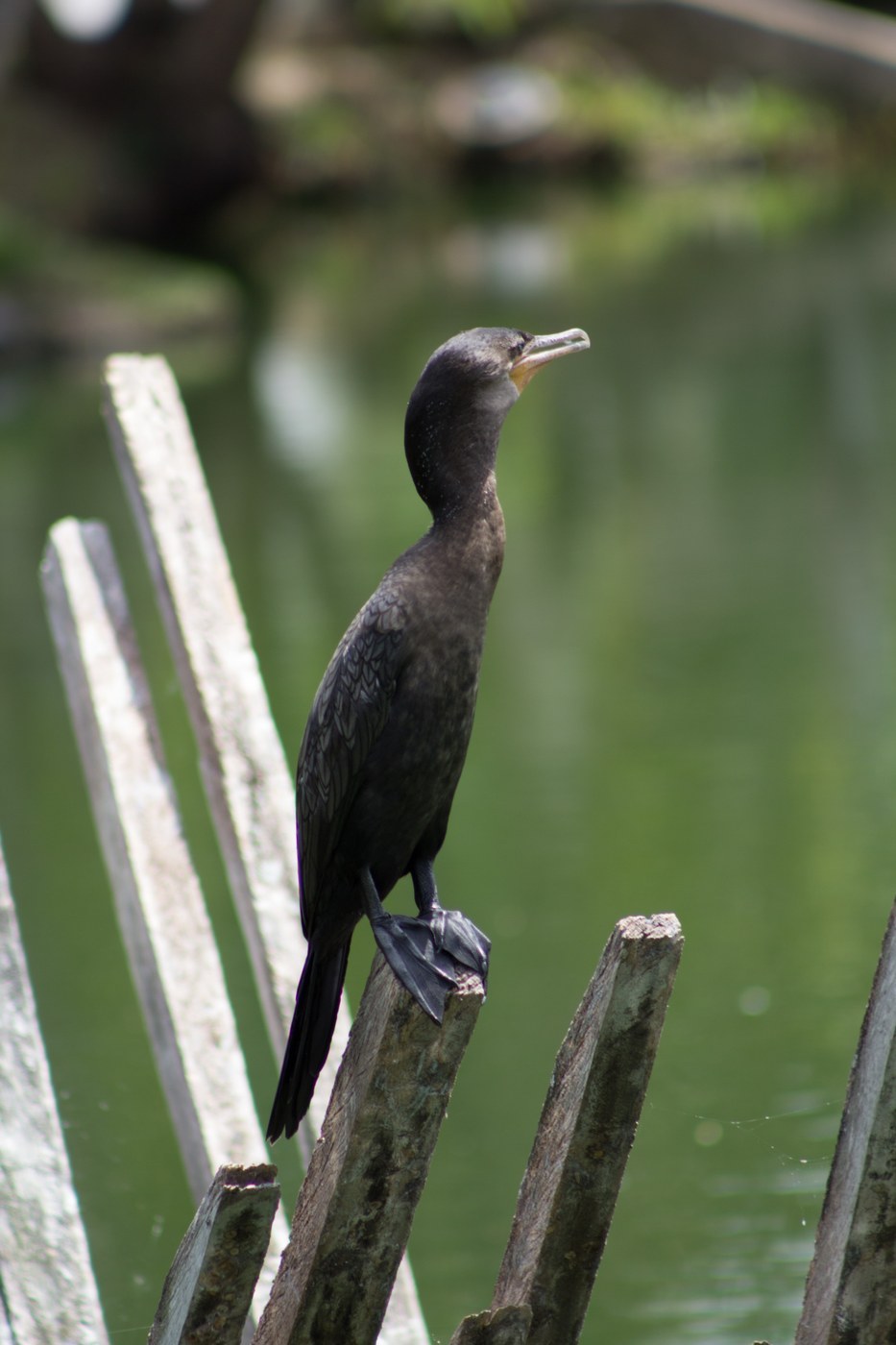
Neotropic Cormorant
Nannopterum brasilianum
The smallest and most widespread cormorant in the Americas outside North America's temperate zone, slender and long-tailed with a thin white border at the base of the bill in breeding plumage.
- Size
- 64-73 cm (25-29 in) long, about 100 cm wingspan
- Habitat
- freshwater and coastal waters from the southern United States through Central and South America
- Type
- seabird
Spotted a bird like this?
Identify any bird from a photo, free.
Overview
The Neotropic Cormorant is a slender, adaptable cormorant found across a vast range from the southern United States through Central America and much of South America. It is generally smaller and daintier than the Double-crested Cormorant, with which its range overlaps in parts of North America.
Appearance
Adults are all black with a subtle greenish gloss, a relatively long tail, and yellowish-brown facial skin bordered by a thin white line at the base of the bill during the breeding season. Non-breeding birds lack the crisp white border and appear more uniformly dark-faced.
How to identify it
Key field marks
- Smaller, slimmer build than the Double-crested Cormorant
- Long tail relative to body size
- Thin white line bordering the facial skin at the base of the bill in breeding plumage
- Yellowish-brown (not bright orange) facial skin
Similar species
Where it overlaps with the Double-crested Cormorant, the Neotropic Cormorant looks smaller and slimmer with a proportionally longer tail and a thinner, less extensive facial skin patch bordered by a thin white line in breeding season.
Habitat & range
Habitat and range
Neotropic Cormorants occupy a broad range of freshwater and coastal habitats from the southern United States (Texas, the Gulf Coast, and parts of the Southwest) south through Mexico, Central America, and much of South America. They are highly adaptable, using everything from small ponds to large rivers, lakes, and coastal lagoons.
Most populations are resident, though some birds at the northern edge of the range may shift locally in response to seasonal conditions.
Behavior & voice
Behavior
Neotropic Cormorants forage by diving and pursuing fish and crustaceans underwater, often in relatively shallow freshwater habitats, and like other cormorants regularly perch with wings spread to dry.
Voice
Calls include low grunts and guttural croaks, given mainly near breeding colonies.
Nesting and breeding
They nest colonially in trees, shrubs, or on the ground, often alongside herons and egrets, building stick nests and typically laying three to four eggs.
Frequently asked questions
How is the Neotropic Cormorant different from the Double-crested Cormorant?
It is smaller and slimmer with a proportionally longer tail, and shows a thinner facial skin patch bordered by a thin white line at the base of the bill in breeding plumage.
Where is the Neotropic Cormorant found?
From the southern United States through Mexico, Central America, and much of South America, in both freshwater and coastal habitats.
What does the Neotropic Cormorant eat?
Mainly fish and crustaceans, caught by diving and pursuing prey underwater.
Where does the Neotropic Cormorant nest?
Colonially in trees, shrubs, or on the ground, often alongside herons and egrets.
Neotropic Cormorant guides
In-depth guides for identifying, finding, and understanding Neotropic Cormorant.
Other birds you may enjoy
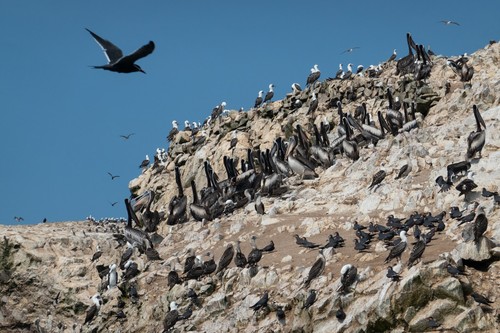
Peruvian Pelican
137-152 cm (54-60 in) long, up to 228 cm wingspan
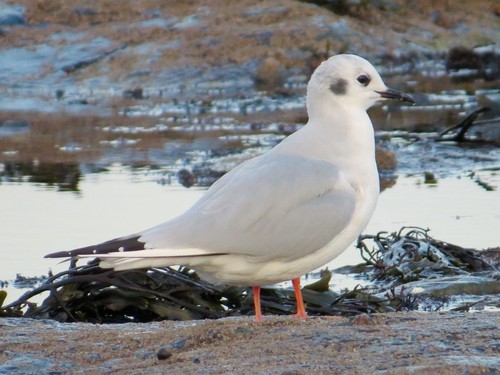
Bonaparte's Gull
28-33 cm (11-13 in) long, 76-84 cm wingspan
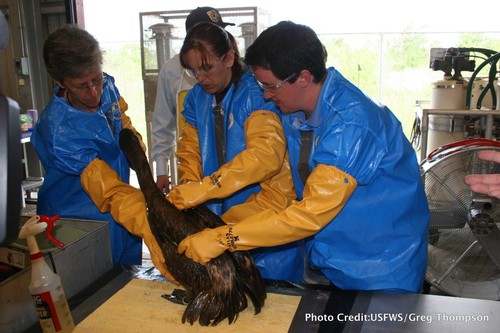
Brown Pelican
106-137 cm (42-54 in) long, 200-230 cm wingspan
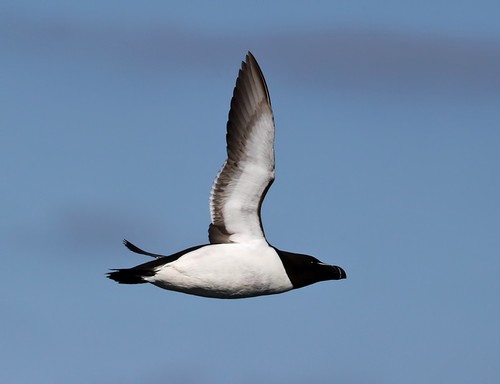
Razorbill
37-39 cm (15-15.5 in) long, 63-68 cm wingspan
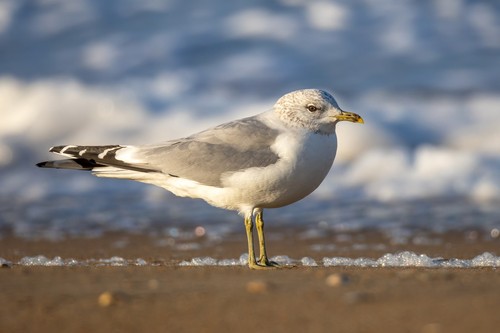
Common Gull
40-46 cm (16-18 in) long, 110-130 cm wingspan
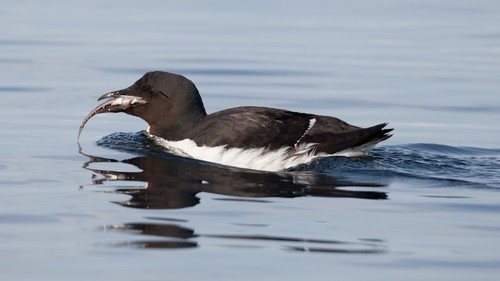
Thick-billed Murre
40-48 cm (16-19 in) long, 65-75 cm wingspan
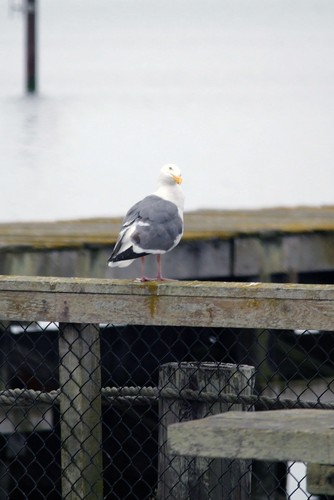
Western Gull
55-68 cm (22-27 in) long, 130-144 cm wingspan
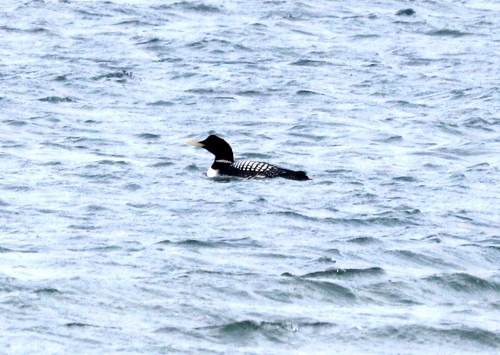
Yellow-billed Loon
76-97 cm (30-38 in) long, 135-152 cm wingspan
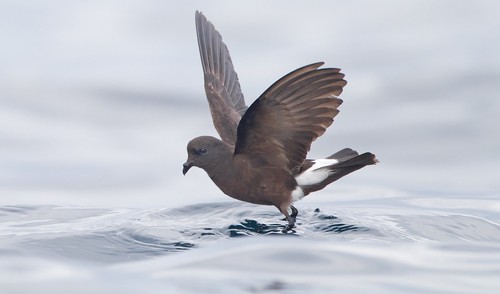
Wilson's Storm-Petrel
15-19 cm (6-7.5 in) long, wingspan 38-42 cm (15-16.5 in)
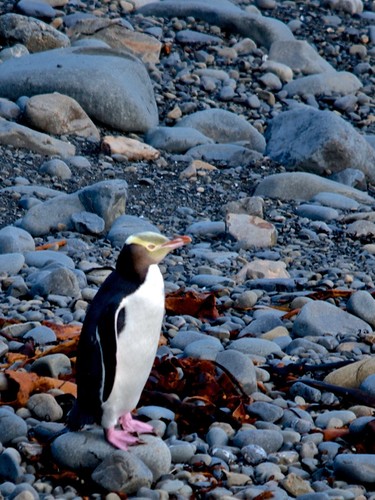
Yellow-eyed Penguin
62-79 cm (24-31 in) tall, 3-8.5 kg (6.6-18.7 lb)
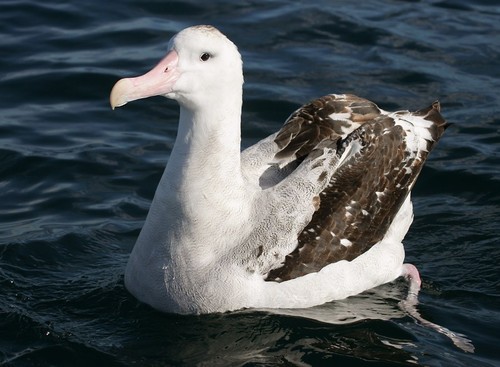
Wandering Albatross
107-135 cm (42-53 in) long, wingspan up to 3.5 m (11.5 ft)
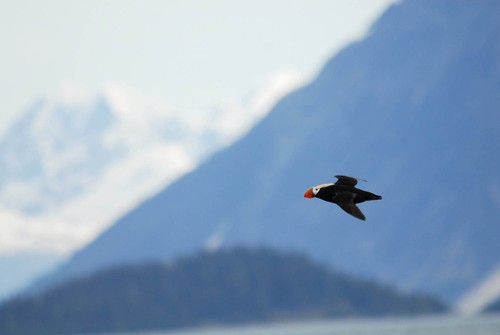
Tufted Puffin
35-41 cm (14-16 in) long, about 63-70 cm wingspan