
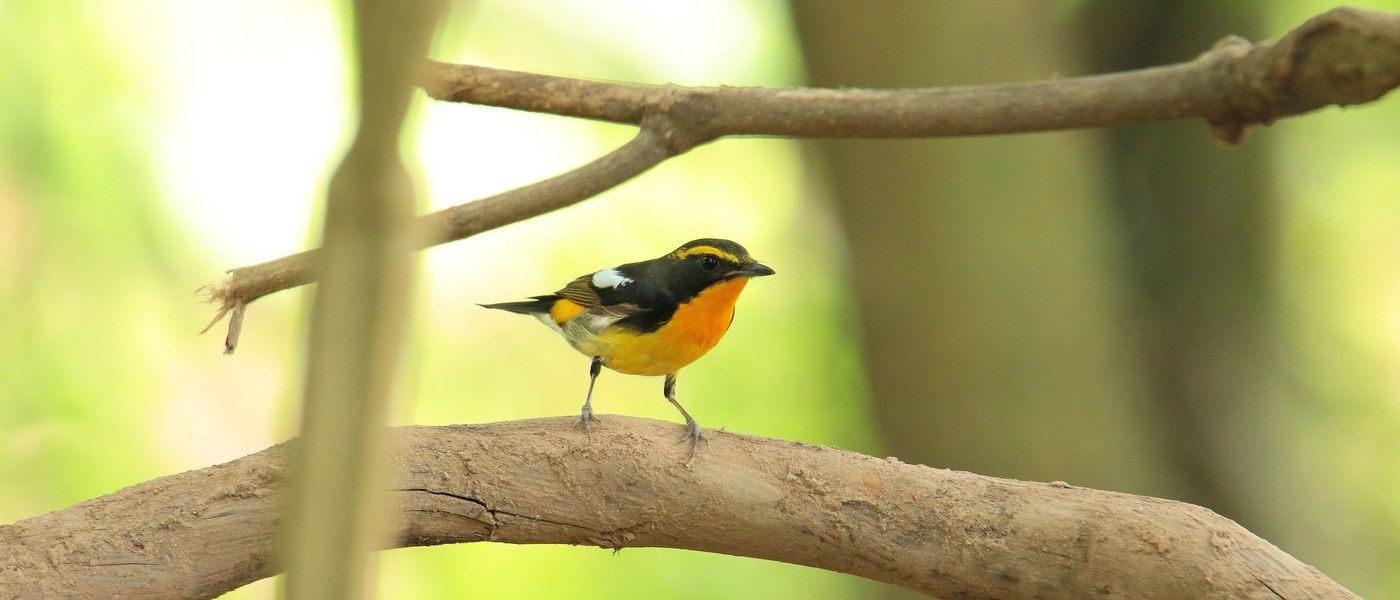
Narcissus Flycatcher
Ficedula narcissina
A small, brilliantly colored flycatcher; the male combines black upperparts with a vivid yellow-orange throat, breast, and rump.
- Size
- 13 cm (5 in) long
- Habitat
- dense forests
- Type
- songbird
Spotted a bird like this?
Identify any bird from a photo, free.
Overview
The Narcissus Flycatcher is a small, jewel-like forest bird with pronounced differences between the sexes. Males are glossy black above with a bold, contrasting bright yellow-orange stripe over the eye, a matching yellow-orange throat and breast, a yellow rump, and yellow underparts, along with a small white patch on the closed wing. Females are far plainer, olive-brown above with pale, buffy-white underparts, lacking the male's bright colors.
Although small, the male's vivid coloring makes it one of the more striking forest flycatchers in its range, and it is a much-anticipated migrant for birdwatchers as it passes through in spring and autumn.
How to identify it
Key field marks
- Male: black upperparts, bright yellow-orange supercilium stripe, throat, breast, and rump, yellow underparts, small white wing patch
- Female: plain olive-brown above, pale buffy-white below
- Small, compact flycatcher shape
Similar species
- Blue-and-white Flycatcher male is blue (not black) above with a white (not yellow) belly, easily separated by color.
- Mugimaki Flycatcher male has orange underparts too but shows a white supercilium (not yellow-orange) and different wing pattern.
Habitat & range
Habitat
Breeds in dense broadleaf and mixed forest with a closed canopy; winters in tropical forest and forest edge.
Range
Breeds across Japan, the Korean Peninsula, and parts of the Russian Far East; winters in the Philippines, Borneo, and other parts of maritime Southeast Asia.
Migration
A long-distance migrant, traveling between East Asian breeding grounds and Southeast Asian wintering areas each year.
Behavior & voice
Behavior
Forages within the forest canopy and mid-story, sallying from a perch to catch flying insects; males sing from prominent perches to defend breeding territories.
Voice
A bright, rich, whistled song, along with sharp, dry call notes.
Feeding
Feeds primarily on flying insects, captured by short aerial sallies from a perch, supplemented with insects gleaned from foliage.
Nesting
Builds a cup nest in a tree cavity or crevice; lays 4-5 pale eggs with fine markings.
Frequently asked questions
How do you identify a male Narcissus Flycatcher?
Look for black upperparts contrasting with a bright yellow-orange supercilium, throat, breast, and rump, plus a small white wing patch.
What does a female Narcissus Flycatcher look like?
Females are plain olive-brown above with pale buffy-white underparts, lacking the male's bright yellow-orange coloring.
Where does the Narcissus Flycatcher spend the winter?
It winters in tropical forests of the Philippines, Borneo, and other parts of maritime Southeast Asia after breeding in Japan, Korea, and the Russian Far East.
What does a Narcissus Flycatcher eat?
Mainly flying insects, caught by sallying from a perch in the forest canopy.
Narcissus Flycatcher guides
In-depth guides for identifying, finding, and understanding Narcissus Flycatcher.
Other birds you may enjoy
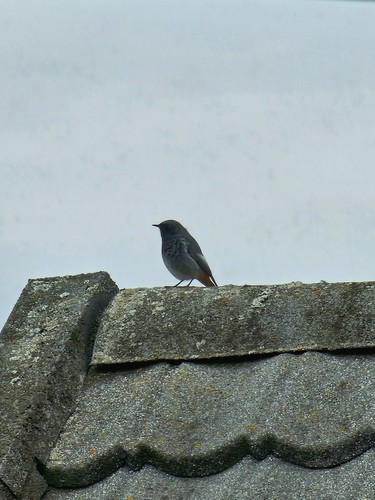
Black Redstart
13-14.5 cm (5.1-5.7 in) long, 23-26 cm wingspan
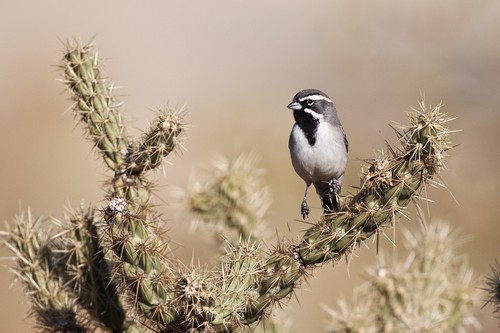
Black-throated Sparrow
12-14 cm (4.7-5.5 in) long, about 19-20 cm (7.5-8 in) wingspan
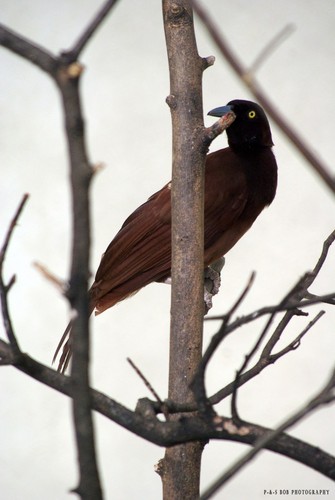
Greater Bird-of-paradise
Body about 43 cm; males with additional flank plumes up to 50 cm and long tail wires
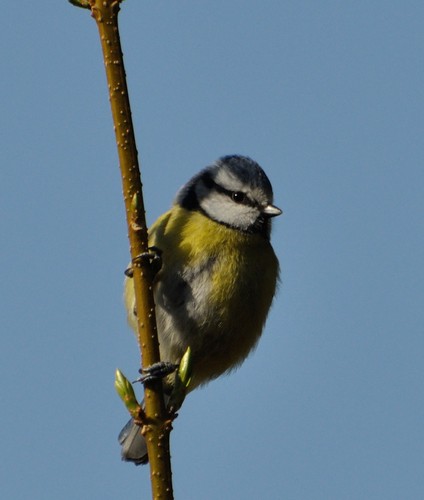
Blue Tit
11-12 cm (4.3-4.7 in) long, 17-20 cm wingspan
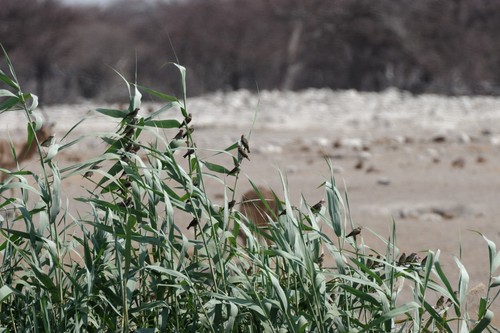
Red-billed Quelea
11.5–13 cm long, wingspan about 20–22 cm
White-plumed Antbird
13-14 cm (5-5.5 in) long
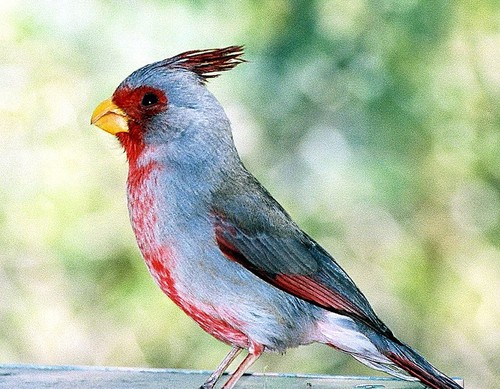
Pyrrhuloxia
19-22 cm (7.5-8.7 in) long, 30 cm wingspan
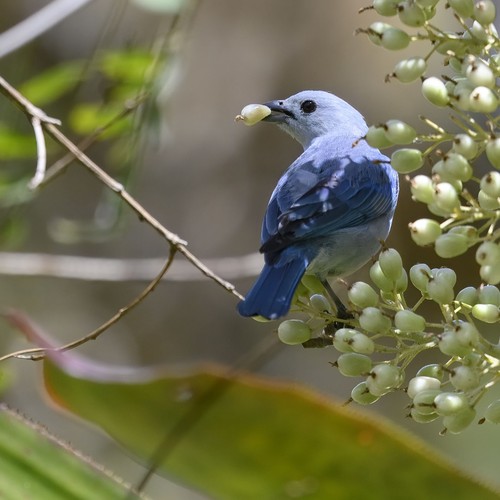
Blue-gray Tanager
16-18 cm (6-7 in) long
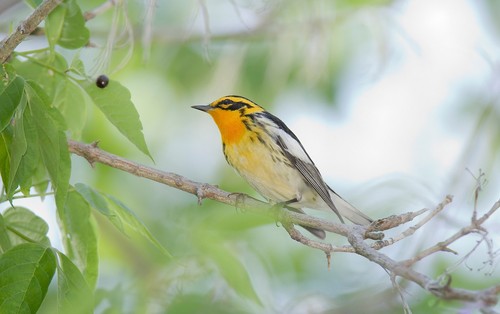
Blackburnian Warbler
11-13 cm (4.3-5.1 in) long, 20-22 cm wingspan
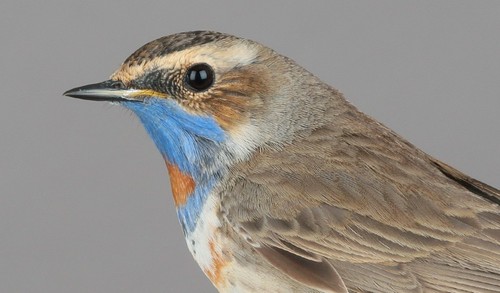
Bluethroat
13-14 cm (5.1-5.5 in) long, 20-22 cm wingspan
Eurasian Nuthatch
12-14.5 cm (4.7-5.7 in) long, 22.5-27 cm wingspan
Wood Thrush
19-21 cm (7.5-8.3 in) long, about 33 cm (13 in) wingspan