
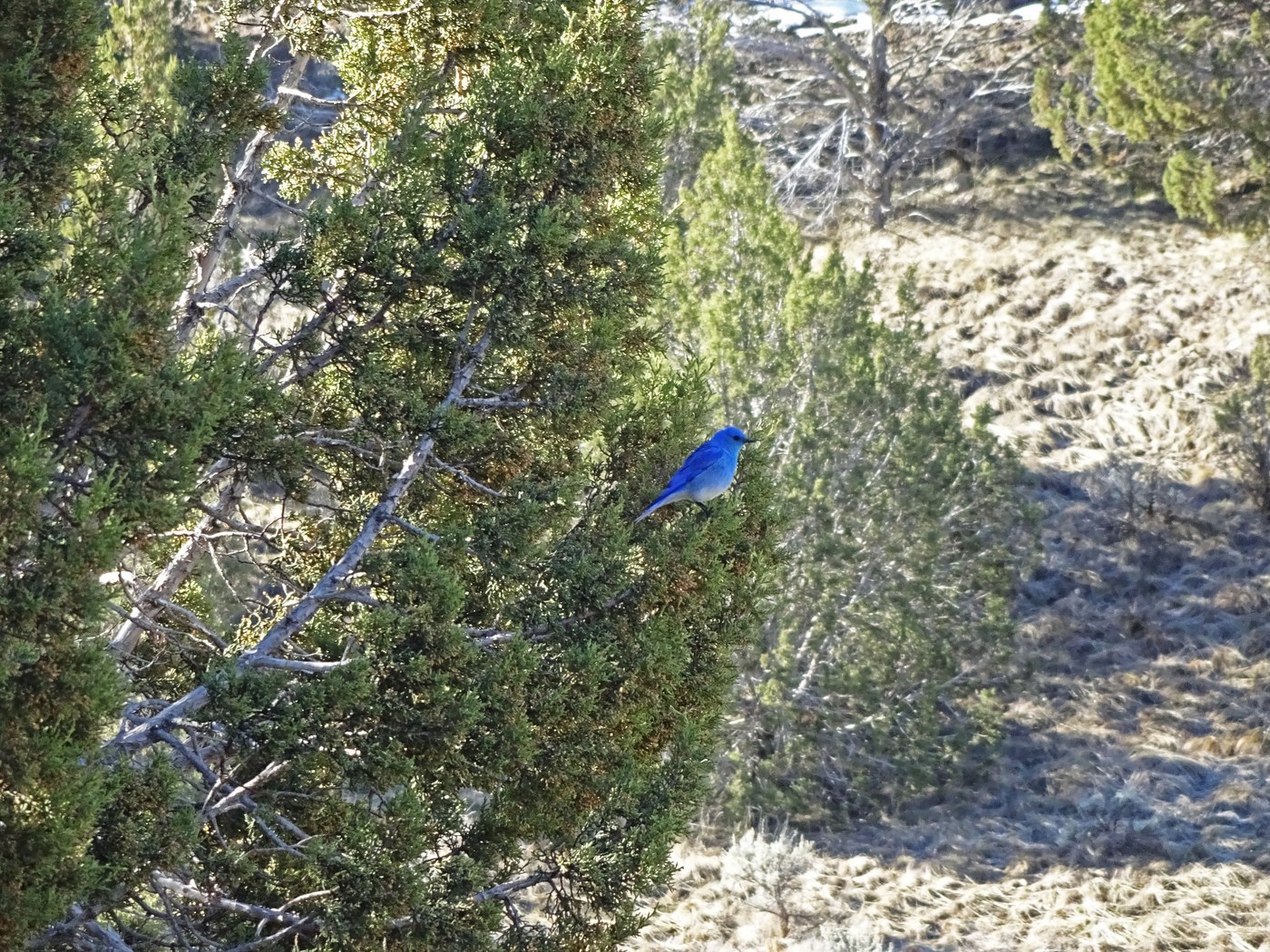
Mountain Bluebird
Sialia currucoides
A slender thrush of open western landscapes, the male an unbroken sky blue overall without any orange or chestnut markings.
- Size
- 16-20 cm (6.3-8 in) long, 32-34 cm (12.5-13.5 in) wingspan
- Habitat
- open grasslands, high mountain meadows, and sagebrush steppe
- Type
- songbird
Spotted a bird like this?
Identify any bird from a photo, free.
Overview
The Mountain Bluebird is a slender, long-winged thrush of open country in the western United States and Canada, notable among bluebirds for lacking any rusty or chestnut tones. Males are an unbroken, brilliant sky blue overall, slightly paler on the belly, giving them an especially vivid appearance in flight against open landscapes. Females are grayish-brown overall with pale blue tinges on the wings, tail, and sometimes the rump, and a faint buffy wash on the breast.
This species favors more open, often treeless habitats than its Eastern and Western relatives, including high-elevation meadows, prairies, and sagebrush country, and it is well known for its graceful, hovering flight while hunting insects.
How to identify it
Key Field Marks
- Male: entirely sky blue, slightly paler below, with no orange or chestnut coloring
- Female: grayish-brown with pale blue on the wings and tail
- Slim body and relatively long wings compared to other bluebirds
- Often seen hovering low over grass while foraging
Similar Species
- Eastern Bluebird: male has an orange breast and throat, unlike the all-blue Mountain Bluebird male.
- Western Bluebird: male has a chestnut breast and often a chestnut back patch, with a blue (not orange) throat, still differing from the uniformly blue Mountain Bluebird.
- Indigo Bunting/Lazuli Bunting (males): smaller, with stout conical seed-eating bills, unlike the bluebird's slimmer, insect-catching bill.
Habitat & range
Habitat
Mountain Bluebirds favor open, often treeless or sparsely treed habitats, including high-elevation meadows, alpine and subalpine grasslands, prairies, and sagebrush steppe.
Range
They breed across much of the interior western United States and western Canada, from the Rocky Mountains to the eastern edge of the Pacific ranges, and winter in the southwestern U.S. and Mexico.
Migration
Mountain Bluebirds are migratory, moving from higher-elevation and northern breeding grounds to lower elevations and more southerly wintering areas, often forming large flocks during migration and winter.
Behavior & voice
Behavior
Unlike other bluebirds that often perch-hunt, Mountain Bluebirds frequently forage by hovering low over open ground, dropping down to catch insects, a distinctive kestrel-like hovering flight technique.
Voice
The song is a soft, low warble, generally quieter than that of other bluebirds; calls include a soft, low "few" note similar to other Sialia species.
Feeding
Insects, especially grasshoppers and beetles caught by hovering or ground-sallying, make up much of the diet during the breeding season, while berries become more important in fall and winter.
Nesting & Breeding
Mountain Bluebirds nest in cavities, including old woodpecker holes, natural crevices, and nest boxes, often in more open and exposed sites than other bluebirds. They typically lay 4-6 pale blue eggs and readily use nest box trails set up along open rangeland.
Frequently asked questions
How can I tell a Mountain Bluebird from other bluebirds?
Male Mountain Bluebirds are entirely sky blue with no orange or chestnut markings, unlike male Eastern Bluebirds (orange throat and breast) and male Western Bluebirds (chestnut breast and back patch).
Why do Mountain Bluebirds hover while foraging?
They often hunt by hovering low over open grassland or meadow, scanning for insects before dropping down to catch them, a technique useful in the sparsely vegetated, often treeless habitats they favor.
Where do Mountain Bluebirds live?
They breed in open habitats such as high mountain meadows, prairies, and sagebrush steppe across the interior western United States and western Canada, wintering farther south in the southwestern U.S. and Mexico.
Do Mountain Bluebirds migrate?
Yes, they are migratory, moving from higher-elevation or northern breeding areas to lower elevations and more southerly regions for winter.
What do Mountain Bluebirds eat?
They eat mainly insects, especially grasshoppers and beetles, during the breeding season, and switch to berries and fruit in fall and winter.
Mountain Bluebird guides
In-depth guides for identifying, finding, and understanding Mountain Bluebird.
Other birds you may enjoy
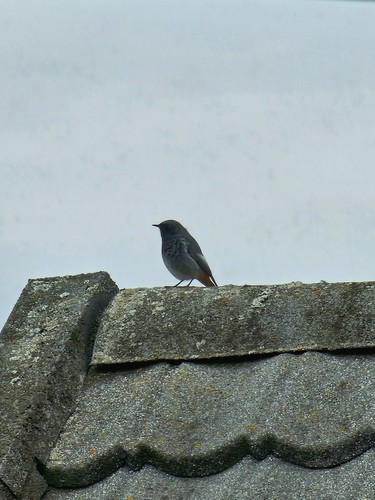
Black Redstart
13-14.5 cm (5.1-5.7 in) long, 23-26 cm wingspan
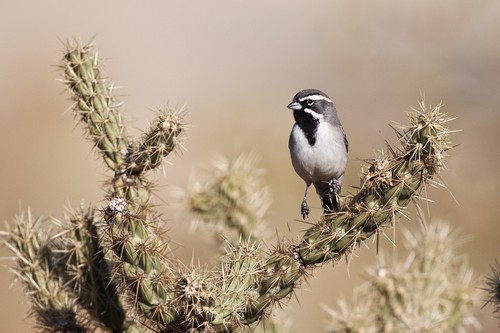
Black-throated Sparrow
12-14 cm (4.7-5.5 in) long, about 19-20 cm (7.5-8 in) wingspan
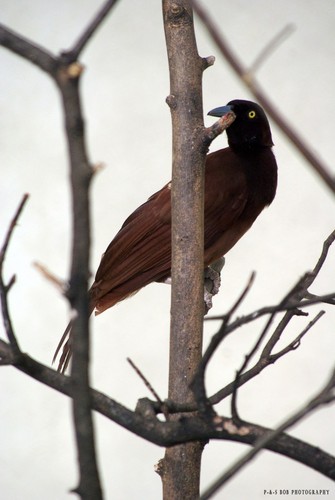
Greater Bird-of-paradise
Body about 43 cm; males with additional flank plumes up to 50 cm and long tail wires
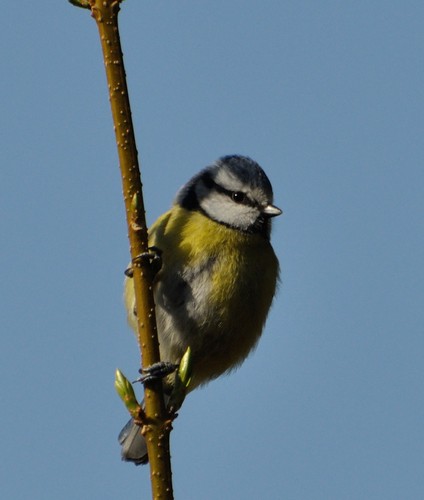
Blue Tit
11-12 cm (4.3-4.7 in) long, 17-20 cm wingspan
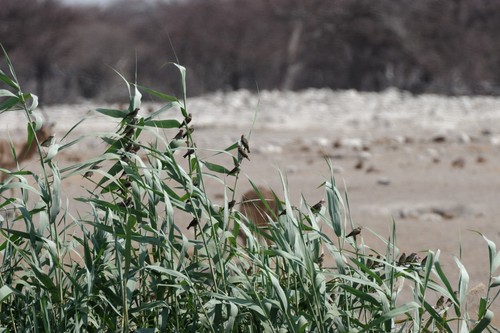
Red-billed Quelea
11.5–13 cm long, wingspan about 20–22 cm
White-plumed Antbird
13-14 cm (5-5.5 in) long
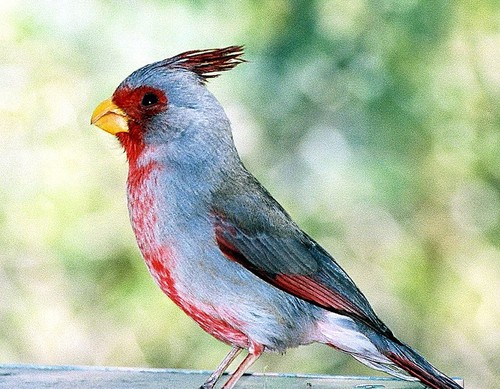
Pyrrhuloxia
19-22 cm (7.5-8.7 in) long, 30 cm wingspan
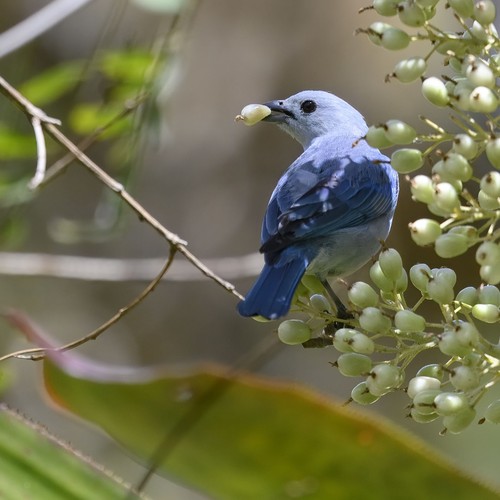
Blue-gray Tanager
16-18 cm (6-7 in) long
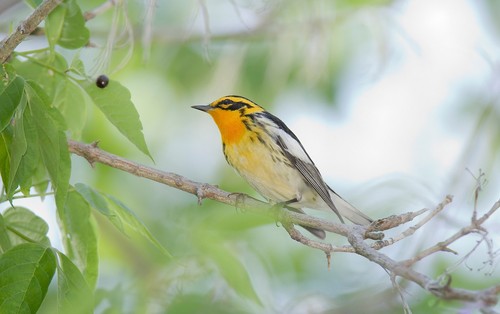
Blackburnian Warbler
11-13 cm (4.3-5.1 in) long, 20-22 cm wingspan
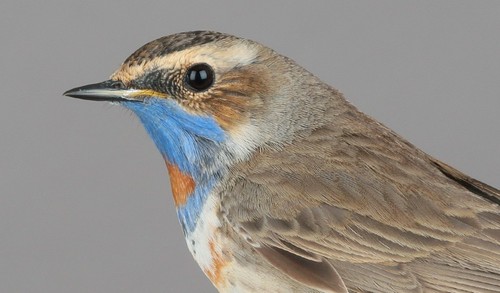
Bluethroat
13-14 cm (5.1-5.5 in) long, 20-22 cm wingspan
Eurasian Nuthatch
12-14.5 cm (4.7-5.7 in) long, 22.5-27 cm wingspan
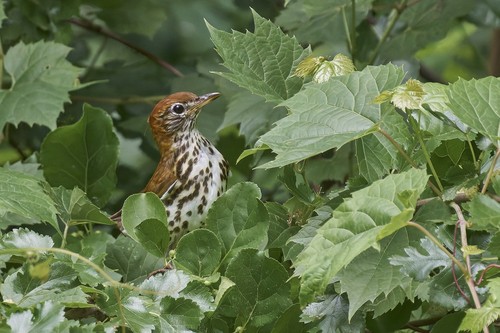
Wood Thrush
19-21 cm (7.5-8.3 in) long, about 33 cm (13 in) wingspan